In This Article
- Meet the Hunter: A Quick Primer on Fishing Spiders
- The Main Course: A Detailed Breakdown of the Fishing Spider Diet
- How Do They Actually Catch Their Food?
- Common Questions About What Fishing Spiders Eat
- The Ecological Role: More Than Just a Predator
- Final Thoughts: The Simple Answer to a Complex Question
Let's be honest, the first time I saw a spider the size of a poker chip sitting calmly on the surface of a pond, my brain short-circuited a little. Spider? On water? And then the name hit me – fishing spider. It sounds almost quaint, like a hobbyist with a tiny rod. But the reality is far more brutal and fascinating. The immediate question, the one that brings most people to an article like this, is brutally simple: what do fishing spiders eat? If you're picturing them dangling a line, I'm sorry to disappoint. Their dining habits are more Jason Bourne than Ernest Hemingway.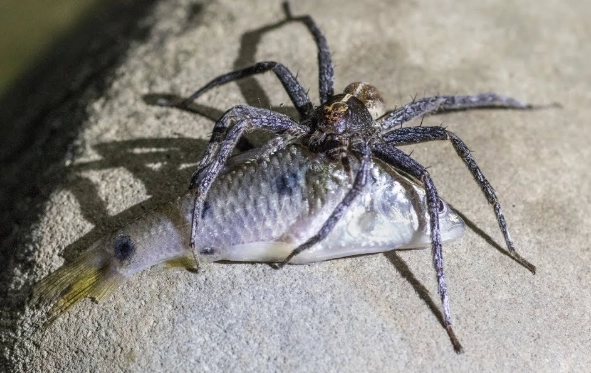
I've spent a fair bit of time near ponds and slow streams, and these creatures are a constant source of low-grade awe. They're not just surviving on the water; they're dominant. So, let's cut to the chase and answer that core question directly, before we dive into the messy, wonderful details.
The Straight Answer: Fishing spiders (genus Dolomedes) are opportunistic, carnivorous apex predators of their surface-dwelling world. Their diet is primarily aquatic and semi-aquatic prey. This includes small fish, tadpoles, aquatic insects (like water striders and mosquito larvae), and even other spiders. When away from the water, they readily consume terrestrial insects like crickets, moths, and flies. They are not picky eaters; if they can overpower it and it provides nutrients, it's likely on the menu.
See, it's not a single item. It's a buffet, and the menu changes based on location, opportunity, and the spider's size. A tiny juvenile isn't hauling in a minnow. That's the first layer. To really understand what fishing spiders eat, you have to understand how they eat it. Their method is half the story.
Meet the Hunter: A Quick Primer on Fishing Spiders
You can't talk about the meal without knowing the diner. Fishing spiders, often called dock spiders or raft spiders, are large, robust spiders belonging to the family Pisauridae (the nursery web spiders). They're famous for their ability to walk on water, a trick thanks to hydrophobic hairs on their legs. They don't build webs to catch food. Nope. They are active hunters, prowlers. They'll sit at the water's edge, front legs resting lightly on the surface, acting as a living seismograph. They're feeling for vibrations – the telltale ripple of a struggling insect or the faint wake of a tiny fish.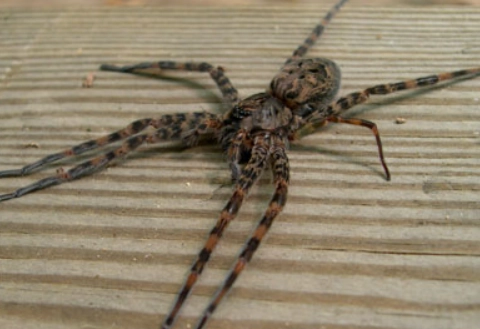
Their size is a major factor in their diet. Some species, like the Dolomedes tenebrosus, can have a leg span rivaling a tarantula's. Bigger spider, bigger appetite, bigger potential prey. This size advantage is critical when we start listing their targets.
The Main Course: A Detailed Breakdown of the Fishing Spider Diet
Alright, let's get into the nitty-gritty. What's actually on the plate? We can break it down by habitat and prey type. It's helpful to think in categories.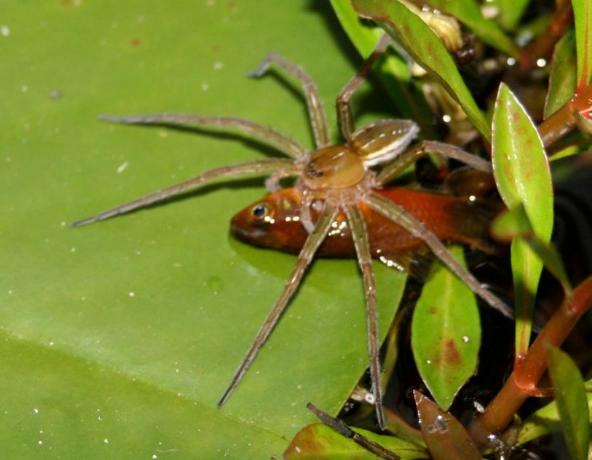
Aquatic and Semi-Aquatic Prey (Their Specialty)
This is where they truly shine. Their adaptation to the water's surface gives them access to a food source few other spiders can touch.
- Small Fish and Fry: This is the headline act, the behavior that earns them their name. They can and do catch small fish like minnows, guppies, and newly hatched fry. They detect the fish's movement, sprint across the water (yes, they can run on it), and subdue it with a venomous bite. I've read accounts from fishkeepers who found these spiders in garden ponds, ominously patrolling the edges. It's not their most common meal, but it's certainly their most impressive.
- Tadpoles: A slow-moving, protein-rich snack. A pond full of tadpoles is like a grocery store for a large fishing spider. They are defenseless against this kind of predator.
- Aquatic Insects: This is probably their staple food. Think water striders, water boatmen, backswimmers, and emerging aquatic insects like mayflies and dragonflies. They are experts at plucking insects off the surface film.
- Mosquito Larvae and Pupae: This is a great ecological benefit. While hunting, they'll often scoop up wriggling mosquito larvae just under the surface, providing free pest control.
It's a ruthless efficiency. The water isn't a barrier; it's their hunting ground.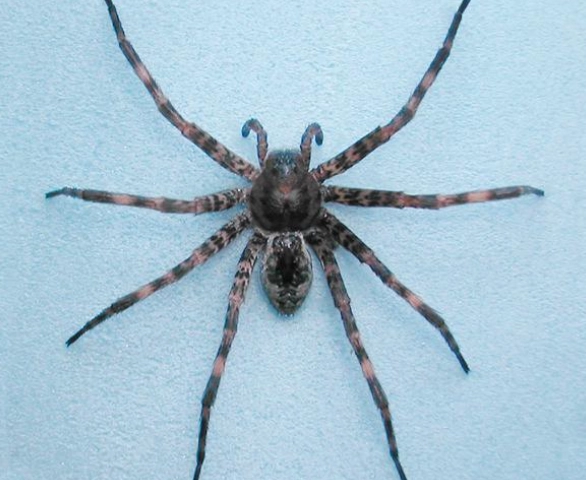
Terrestrial Prey (The Land-Based Menu)
Fishing spiders aren't confined to the pond. They spend a lot of time in vegetation near the shore, and their diet reflects that.
- Insects: Crickets, grasshoppers, moths, flies, beetles – the usual arthropod suspects. If it blunders into their ambush zone near the water or in damp plants, it's food.
- Other Spiders: They are not above a bit of cannibalism, either of their own species or others. A smaller spider is just a conveniently packaged meal.
- Worms and Slugs: In very damp areas, they might take on earthworms or small slugs, though this is less commonly observed.
The Prey Hierarchy: What's Most Common?
To visualize this, let's rank their prey by likelihood. This isn't a strict scientific chart, but it's based on observation reports and ecological studies. Think of it as their weekly shopping list, from staples to luxury items.
| Prey Type | How Often? | Hunting Method | Notes |
|---|---|---|---|
| Aquatic Insects (water striders, etc.) | Very Common (Daily) | Surface vibration detection, rapid strike | The bread and butter. Low risk, high reward. |
| Terrestrial Insects (moths, crickets) | Very Common | Ambush from vegetation | Especially for spiders hunting away from the water's edge. |
| Mosquito Larvae/Pupae | Common | Opportunistic scooping | Great for ecosystem service points. |
| Tadpoles | Fairly Common (Seasonal) | Ambush near shore or shallow water | Seasonal feast during amphibian breeding. |
| Other Spiders | Occasional | Opportunistic/combat | Intraspecific (same species) fights can lead to a meal. |
| Small Fish/Fry | Less Common but Notable | High-speed aquatic pursuit | The "wow" factor meal. Requires more energy and carries more risk. |
| Worms/Slugs | Rare | Ground ambush | Usually in exceptionally wet conditions. |
Looking at this table, you get a clearer picture. The classic image of a spider with a fish is real, but it's like us having steak – not an everyday occurrence. Their daily grind is made up of insects.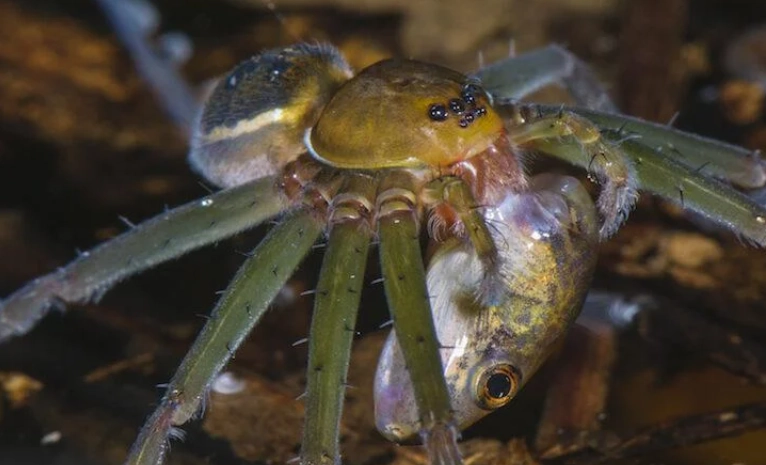
How Do They Actually Catch Their Food?
Knowing what do fishing spiders eat is one thing. Seeing how they do it is where the magic happens. Their hunting strategy is a masterclass in adaptation.
They use a combination of tactics:
- The Sit-and-Wait Ambush: Classic predator move. They stay perfectly still, legs spread, feeling the water's surface tension. The moment vibrations signal prey, they strike with terrifying speed.
- Active Prowling: They will walk slowly on the water, investigating ripples and potential hiding spots among plants.
- The Sprint and Grab: For faster prey like fish or skittish insects, they can erupt into a sprint across the water, legs skimming the surface. It's genuinely startling to see.
- Diving: Yes, they can dive. They can trap a bubble of air in their body hair and submerge for several minutes to pursue prey underwater or to escape danger. Imagine a spider swimming after a tadpole. It's as cool as it is unsettling.
The venom is crucial. It's not medically significant to humans (a bite might be like a bee sting, but they are very reluctant to bite), but for their prey, it's a fast-acting cocktail of neurotoxins and digestive enzymes. It paralyzes the prey and starts turning its insides into a liquid soup, which the spider then sucks up. Efficient, if gruesome.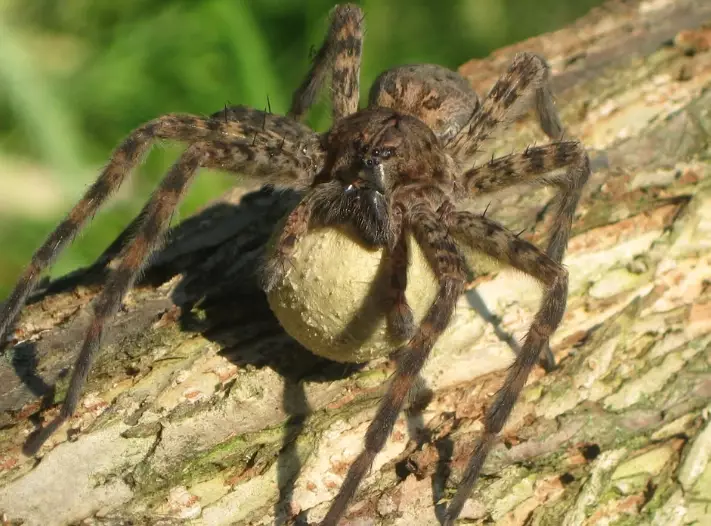
Personal Anecdote: I once watched a large fishing spider at a lake's edge for nearly an hour. It didn't move a muscle. I was about to give up when a hapless crane fly touched down on the water a few inches away. In a blur of motion almost too fast to follow, the spider covered the distance, grabbed the fly, and was back in its original spot, feeding, all in under two seconds. The patience and explosive power were humbling. It redefined my idea of a spider's capabilities.
Common Questions About What Fishing Spiders Eat
The Ecological Role: More Than Just a Predator
Understanding what fishing spiders eat is key to understanding their role. They are mid-level predators. They control populations of insects (including pests like mosquitoes) and small aquatic organisms. In turn, they are food for larger animals: birds, fish, frogs, and larger insects. They're a vital link in the food web of healthy wetland ecosystems.
Their presence is often a good sign of a relatively healthy aquatic environment. If you see them, the ecosystem is likely functioning with a decent level of biodiversity. Organizations like the American Arachnological Society provide fantastic resources on the importance of spiders in our ecosystems, highlighting their role as natural pest controllers.
Speaking of resources, if you're fascinated by spider behavior and taxonomy, the biodiversity database Catalogue of Life is an authoritative source for checking scientific classifications, and many university entomology departments (like those at Cornell or the University of California) publish excellent, verified fact sheets on local spider species, including Dolomedes.
Final Thoughts: The Simple Answer to a Complex Question
So, what do fishing spiders eat? The short answer is: a surprising variety of creatures, mastering two worlds—water and land—to do so. They are the ultimate opportunists of the shoreline.
The long answer, the one we've walked through, is a story of incredible adaptation. From feeling the footsteps of a water strider a foot away to diving after a tadpole, their world is one of vibration, speed, and patience. Their diet isn't a single item; it's a spectrum defined by size, location, and sheer chance.
Next time you're by a pond on a quiet summer day, take a moment to look at the water's edge. You might just see one of these remarkable hunters, waiting. And now you'll know exactly what it's waiting for.

Comments