You're outside, maybe gardening or enjoying a barbecue, and you spot it—a large, intimidating insect with stark black and white markings. Your first thought might be "murder hornet," but chances are, you've encountered the white-tailed hornet (Dolichovespula maculata), often called the bald-faced hornet. Despite the common name "hornet," it's technically a type of yellowjacket wasp. But don't let the technicality fool you; its reputation for aggression is well-earned. This guide cuts through the noise. We'll cover exactly how to identify it, why it behaves the way it does, the real danger of its sting, and most importantly, safe and effective strategies for dealing with a nest—whether you call a pro or consider a careful DIY approach.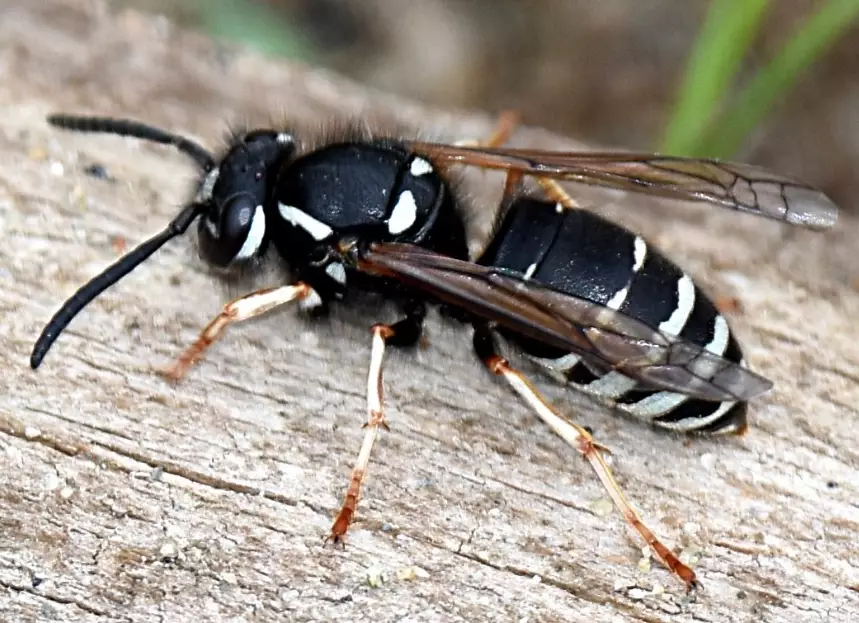
What You'll Find in This Guide
Accurate Identification: Is It Really a White-Tailed Hornet?
Misidentification causes a lot of unnecessary panic. Let's get the facts straight.
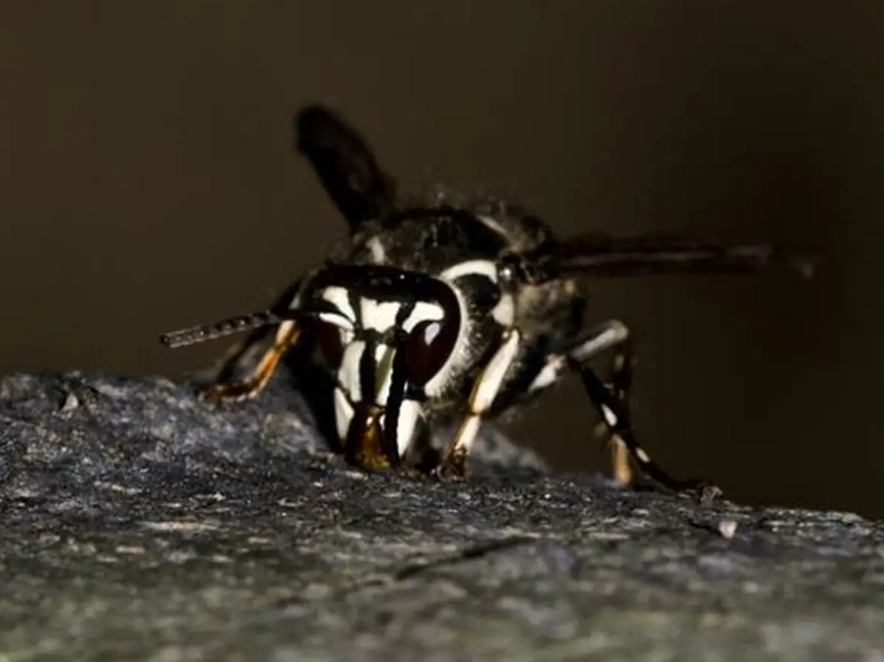
The white-tailed hornet is almost unmistakable once you know what to look for. Its body is primarily black. The "white" part comes from distinct, ivory-colored markings on its face, the tip of its abdomen (the "white tail"), and sometimes bands on its thorax. They're big—workers can be 12-15 mm (about 0.6 inches) long, and queens are larger. They have a smooth, hairless appearance compared to bees.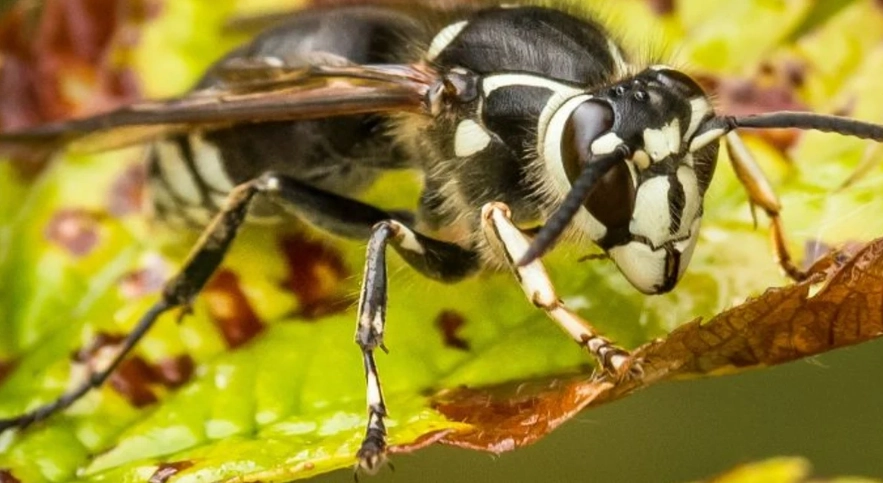
- Color: Black with creamy-white/ivory markings on face and abdomen tip.
- Size: Larger than most common yellowjackets.
- Nest: A large, gray, papery football-shaped structure, often high in trees or on eaves.
- Flight: Loud, buzzing flight. They don't hover like some bees.
Common Look-Alikes (And How to Tell Them Apart)
This is where most people get tripped up. Not every black and white flying insect is this hornet.
| Insect | Key Differences from White-Tailed Hornet | Aggression Level |
|---|---|---|
| European Hornet | Larger, brown with yellow markings, not black and white. Nests in cavities. | Less aggressive, but stings are painful. |
| Eastern Cicada Killer | Much larger, has amber wings and rusty-colored head/thorax. Solitary and non-aggressive. | Very low. Males can't sting, females rarely do. |
| Some Hoverflies | Smaller, only have two wings (wasps have four), clumsy fliers. Mimic coloration for protection. | Zero. They cannot sting. |
I once spent twenty minutes cautiously observing what I thought was a hornet nest starter on my shed. It turned out to be a perfectly harmless, albeit convincing, hoverfly. Knowing the difference saves stress.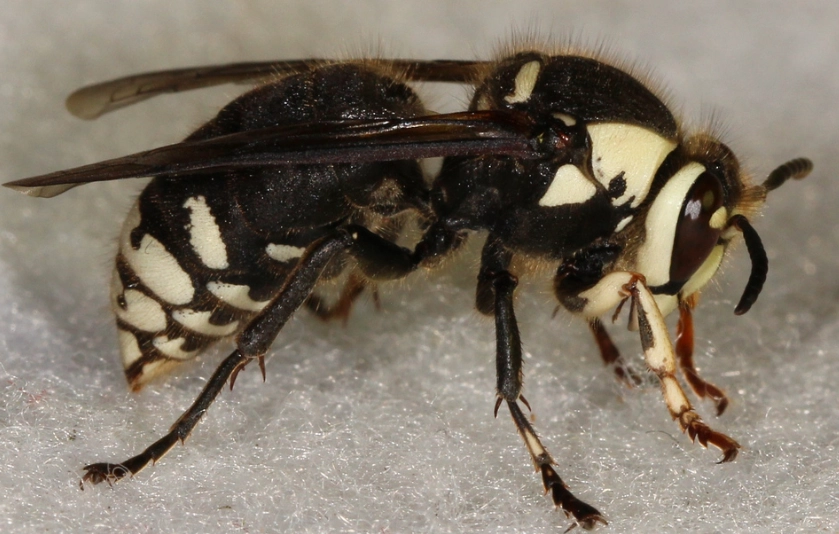
Behavior and Nesting: Understanding the Why
These insects aren't malicious; they're defensive. Their behavior is tied directly to their life cycle and nest.
In spring, a single fertilized queen emerges, finds a suitable spot, and begins building a small nest. She chews wood fibers, mixes them with saliva, and creates that signature papery material. The initial nest is about the size of a golf ball. She lays eggs, raises the first batch of workers herself, and then her sole job becomes laying eggs. The workers take over building, foraging, and defending.
By late summer, the nest can be the size of a basketball or larger, housing hundreds of individuals. This is when they become most noticeable—and most defensive. The nest is their colony's entire world, containing the next generation of queens and males. They will aggressively defend a large radius around it.
A crucial, often-overlooked point: Their aggression is proximity-based. A foraging hornet away from the nest is unlikely to sting unless physically threatened. But vibrate that nest with a ladder, trim a branch it's attached to, or even mow the grass directly underneath it repeatedly, and you will trigger a mass defensive response. They can and will sting repeatedly.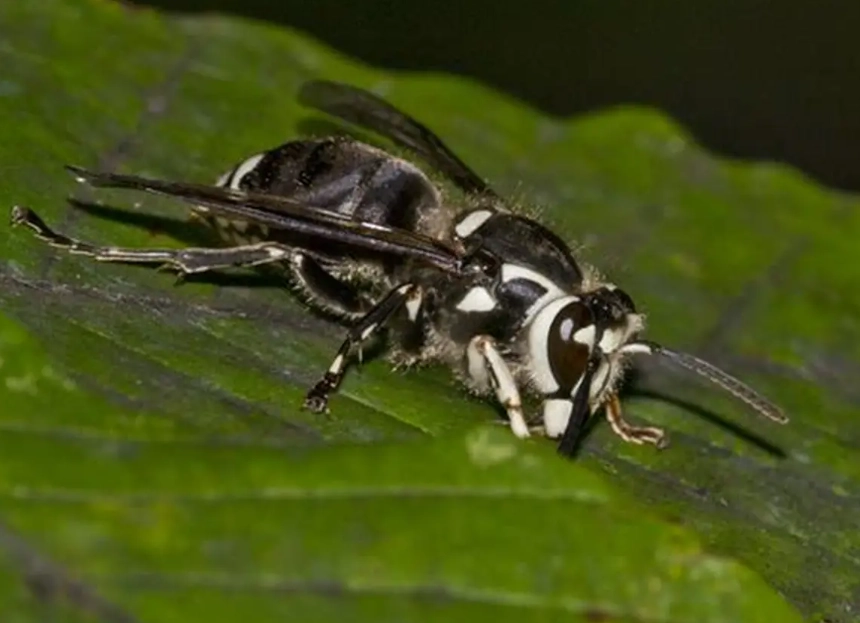
Sting Severity and First Aid: What Actually Happens
Let's talk about the sting. It's not like a honeybee sting.
A white-tailed hornet's stinger is smooth, so it doesn't get lodged in your skin. This means one insect can deliver multiple stings in quick succession, injecting venom each time. The venom contains a cocktail of chemicals designed to cause pain and mark you as a target for other defenders.
The immediate sensation is a sharp, burning pain—often described as hot and electric. This is followed by significant redness, swelling, and itching around the sting site, which can persist for 24-48 hours. For most people, it's a painful but localized reaction.
- Stings in the mouth, nose, or throat (swelling can block airways).
- Signs of a systemic allergic reaction: hives away from the sting site, swelling of the face/lips/tongue, difficulty breathing, dizziness, rapid pulse, nausea.
- Multiple stings (dozens or more), especially for children or older adults.
Immediate First Aid Steps
1. Get to safety first. Leave the area calmly but quickly. Do not swat, as this may provoke more attacks.
2. Clean the site. Wash with soap and cool water to remove venom and reduce infection risk.
3. Reduce swelling. Apply a cold pack or ice wrapped in a cloth for 10 minutes on, 10 minutes off.
4. Manage pain and itch. Over-the-counter antihistamines (like Benadryl) can help with itching, and pain relievers (like ibuprofen) can address pain. A paste of baking soda and water applied to the sting can also provide some relief.
5. Monitor closely. Watch for any signs of a worsening or allergic reaction over the next few hours.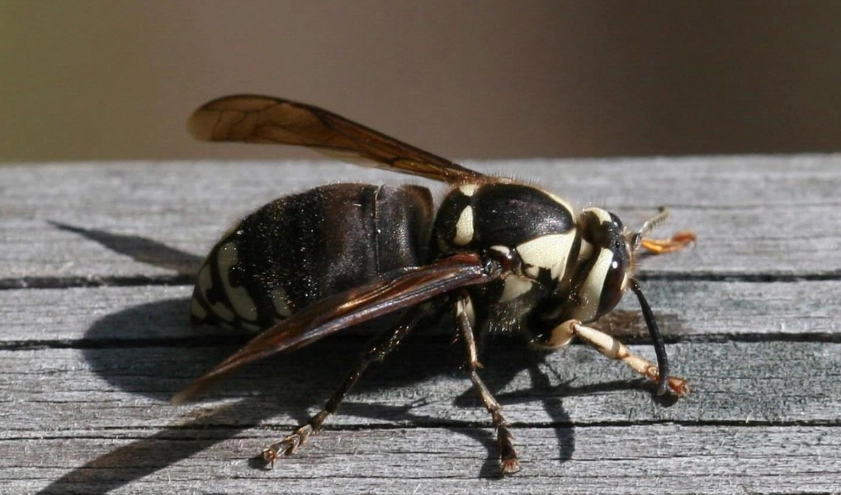
Avoid old wives' tales like using vinegar or meat tenderizer. They're not reliably effective for this type of venom.
Nest Removal Options: DIY vs. Professional
This is the million-dollar question. Should you handle it yourself?
The answer depends entirely on the nest's location, size, and your risk tolerance.
When to Absolutely Call a Professional
- The nest is large (bigger than a softball).
- It's in a high-traffic area: above your front door, near a playground, inside a wall void or attic.
- You or a family member has a known allergy to insect stings.
- The nest is inaccessible without significant risk (e.g., high up in a tall tree requiring a ladder).
Pest control professionals have protective gear, specialized insecticides, and the experience to remove the nest quickly and safely. They can also locate and treat hidden entry points for nests in structures. The cost is worth the safety and peace of mind. A report from the Pesticide Research Institute emphasizes the importance of using targeted, professional-grade products to minimize environmental impact.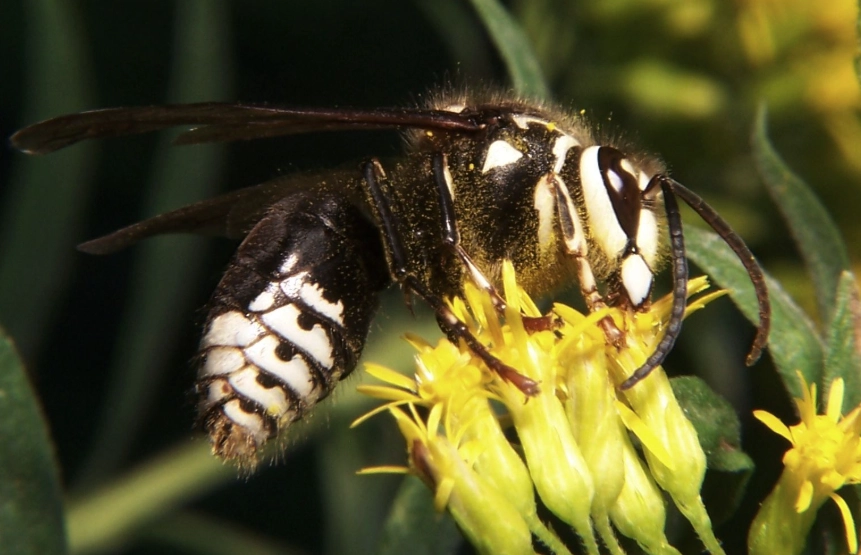
A Cautious DIY Approach (For Small, Accessible Nests)
If the nest is very small (walnut-sized or smaller) and in an open, easy-to-reach location, you might consider DIY. This is not without risk.
Essential Gear: Wear thick, protective clothing covering every inch of skin. Tuck pants into socks, wear gloves, and use a bee veil or hat with netting. Do not skip this.
Timing is Everything: Approach the nest at night or very early dawn when all hornets are inside and less active. Use a red-filtered flashlight (insects see red light poorly). Move slowly and deliberately.
The Method: Use a labeled wasp and hornet jet spray that can shoot from at least 10-15 feet away. Saturate the nest entrance thoroughly. Do not stand directly underneath. Leave the area immediately after treatment. Wait at least 24 hours before approaching to knock down the nest. Place it in a sealed bag and dispose of it.
My personal rule? If I need a ladder to reach it, I'm calling a pro. The risk of a fall while being stung is too great.
Long-Term Prevention Strategies
Stopping a nest before it starts is the best approach.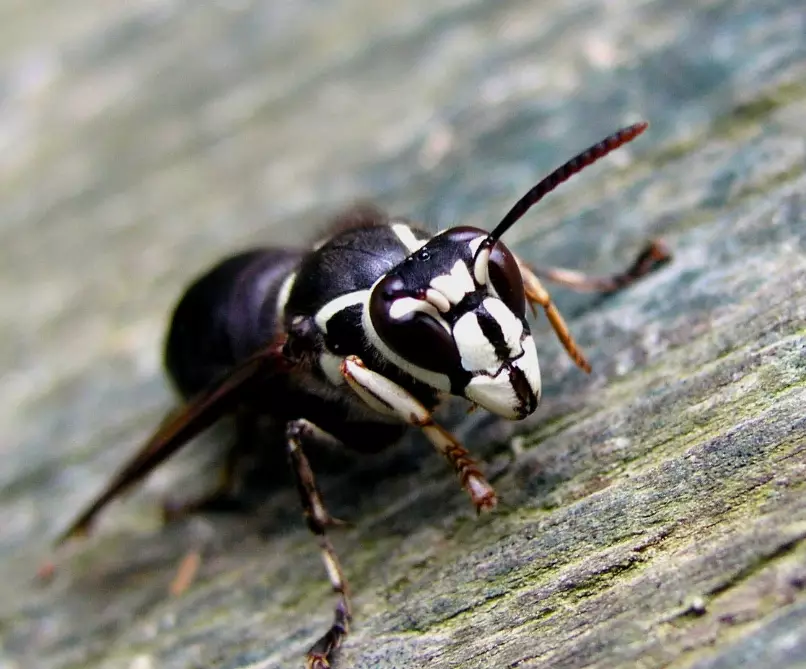
Early Spring Scouting: In early to mid-spring, regularly check likely nest sites: under eaves, in sheds, on tree branches, and behind shutters. A queen's starter nest is tiny and easy to knock down with a long pole during the day when she's out foraging.
Reduce Attractants: Keep garbage cans tightly sealed. Clean up fallen fruit promptly. Consider moving hummingbird feeders away from sitting areas, as the sugar water can attract them.
Seal Entry Points: In early spring, seal cracks and crevices in your home's exterior, especially around rooflines, to prevent queens from entering to build inside.
Decoy Nests: Some people have success with commercial or homemade paper bag decoys, which mimic rival nests and can deter a queen from building nearby. The science is anecdotal, but it's a harmless trick worth trying.
Your Questions, Answered
 Are white-tailed hornets beneficial in any way, or should they always be removed?
Comments