You're in the kitchen, and there it is—a tiny, weird-looking insect scurrying across the floor. Your first thought: what is this bug? Is it harmful? Should I panic? Most of us have been there. This guide cuts through the confusion. I've spent years dealing with pests, both as a homeowner and through consulting with entomologists, and I'll show you how to identify common household bugs quickly, without the fluff. Let's get straight to the point: proper identification is the key to effective control, and it saves you time and money.
Skip to the Good Stuff
Why Bother Identifying Bugs?
Many people grab a can of insecticide the moment they see a bug. That's a mistake. Spraying blindly can be ineffective or even dangerous if you're dealing with a beneficial insect like a spider that eats pests. I once nuked a bunch of ladybug larvae in my garden, thinking they were aphids—turns out, they were on my side. Identification helps you target the right response. For example, if it's a German cockroach, you need a different strategy than for a drain fly. The University of Kentucky Entomology Department notes that misidentification leads to wasted efforts in over 30% of DIY pest control cases. Plus, knowing what you're up against reduces that icky fear factor.
Quick tip: Not all bugs are bad. Some, like centipedes, prey on other pests. Identify first, act second.
How to Identify Bugs Like a Pro
Forget complex scientific terms. Focus on three practical things: how it looks, how it acts, and where you found it.
Visual Clues: Size, Shape, and Color
Grab your phone and take a close-up photo. Note the size—compare it to a grain of rice or a penny. Look at the body shape: is it segmented like an ant, or rounded like a beetle? Color patterns matter too. A bug with alternating black and white stripes might be a carpet beetle larva, not a bed bug. Lighting matters; I've seen silverfish appear gray under dim light but shiny silver near a window.
Behavior Patterns: Movement and Habits
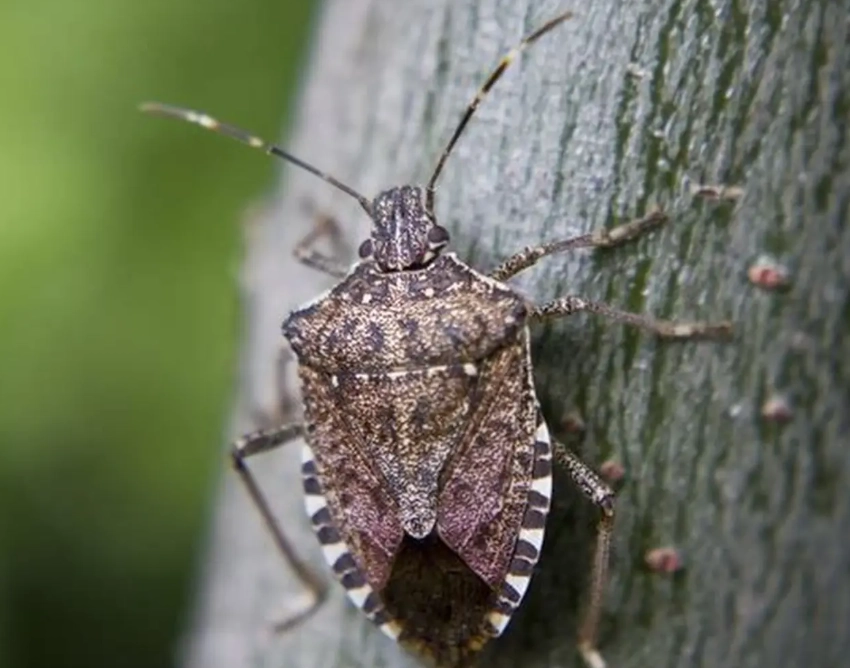
Does it fly, crawl, or jump? Cockroaches dart quickly when exposed to light, while stink bugs move sluggishly. Watch for time of day: many bugs are nocturnal. If you see small insects near your sink at night, they could be drain flies. Behavior often gives away the species faster than appearance.
Habitat: Where It Hangs Out
Location is a huge clue. Bugs in the bathroom (like silverfish) love moisture, while pantry pests (like flour beetles) target dry food. Check for signs: droppings, shed skins, or damage. In my attic, I found frass (insect waste) that pointed to wood-boring beetles, not ants.
Top 10 Household Bugs You'll Encounter
Based on data from the National Pest Management Association and my own experience, these are the most common culprits. Here's a quick reference table—but remember, photos online can vary, so use this as a starting point.
| Bug Name | Key Identifying Features | Common Locations | Risk Level (Low/Med/High) |
|---|---|---|---|
| German Cockroach | Small (1/2 inch), light brown with two dark stripes behind head, fast runner. | Kitchens, bathrooms, near appliances. | High (spreads bacteria, allergens) |
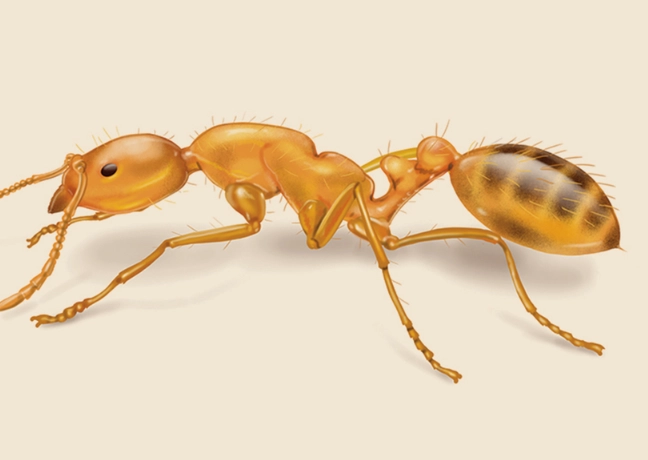
| Ants (e.g., Odorous House Ant) | Tiny (1/8 inch), dark brown, segmented body, trails along walls. | Kitchens, windowsills, foundations. | Medium (nuisance, can contaminate food) |
| Silverfish | Silver-gray, carrot-shaped, about 1/2 inch, wiggles like a fish. | Bathrooms, basements, bookshelves. | Low (damages paper, but harmless to humans) |
| Bed Bugs | Flat, reddish-brown, apple-seed sized, often in clusters. | Mattress seams, furniture, luggage. | High (bites, psychological distress) |
| Spiders (e.g., House Spider) | Eight legs, web-builders, varying sizes; most are harmless. | Corners, closets, garages. | Low to Medium (some bites rare) |
| Fruit Flies | Tiny (1/8 inch), tan, red eyes, hover near ripe fruit. | Kitchens, garbage bins. | Low (annoying, but low health risk) |
| Carpet Beetles | Small, round, patterned shells; larvae are hairy and cause damage. | Carpets, upholstery, closets. | Medium (damage fabrics, not bites) |
| Stink Bugs | Shield-shaped, brown, about 3/4 inch, emit odor when crushed. | Windows, attics, gardens. | Low (nuisance, no direct harm) |
| Drain Flies | Fuzzy, moth-like, about 1/5 inch, rest on walls near drains. | Bathrooms, kitchen sinks. | Low (indicate drain gunk, not dangerous) |
| Termites | Creamy white workers, winged swarmers, damage wood structures. | Foundations, wooden beams, soil contact. | High (structural damage, costly) |
After the table, let's dive deeper into a couple. German cockroaches are masters of hiding—I've found them behind refrigerator motors, not just on counters. Silverfish, on the other hand, are often mistaken for earwigs, but earwigs have pincers. A common error is assuming all small brown bugs are bed bugs; many are just beetle larvae. Use multiple clues to confirm.
Tools to Make Identification Easier
You don't need a microscope. Start with a magnifying glass or your smartphone's macro mode. Apps like iNaturalist or BugGuide can help, but they're not perfect—I've seen misidentifications from AI-based apps. Better yet, use online databases from universities. The University of California Statewide Integrated Pest Management Program has detailed photos and fact sheets. For hard cases, consider a local extension office; they often offer free ID services. I mailed a sample to my state's agricultural department once, and they identified it as a harmless leafhopper within days.
Another tool: sticky traps. Place them in suspected areas to catch bugs for easier observation. Note the date and location—this helps track infestations.
What If You're Still Stumped?
It happens. Maybe the bug is damaged, or it's a rare species. Don't guess. Take clear photos from multiple angles and post them on forums like Reddit's r/whatsthisbug, but be cautious—crowdsourcing can be hit or miss. Provide context: where you found it, time of day, behavior. If it's potentially dangerous (e.g., you suspect a brown recluse spider), contact a professional pest controller immediately. Many offer free inspections. I once waited too long on a suspected termite issue, and it cost me thousands in repairs. Early action based on solid ID is cheaper.
Your Burning Questions Answered
 How can I prevent misidentification when using online bug identification apps?
Wrapping up, bug identification isn't rocket science. It's about observation and using reliable resources. Next time you ask "what is this bug," remember this guide: look closely, note the details, and act wisely. Your home will thank you.


Comments