You see a small, furry creature scurry across your path. Was it a mouse? A vole? Maybe a young rat? For many of us, the world of rodents is a blur of similar-looking animals. But understanding the different types of rodents is more than just a trivia game—it's crucial for gardeners, homeowners, and anyone curious about the natural world sharing our spaces. Rodents aren't just "rats and mice"; they're a massive order of mammals with over 2,000 species, each with unique habits and roles in the ecosystem. Some are adorable backyard visitors, like the industrious squirrel, while others, like the Norway rat, are notorious for causing significant damage and health concerns. This guide will cut through the confusion, giving you a clear, practical look at the most common rodents you're likely to encounter.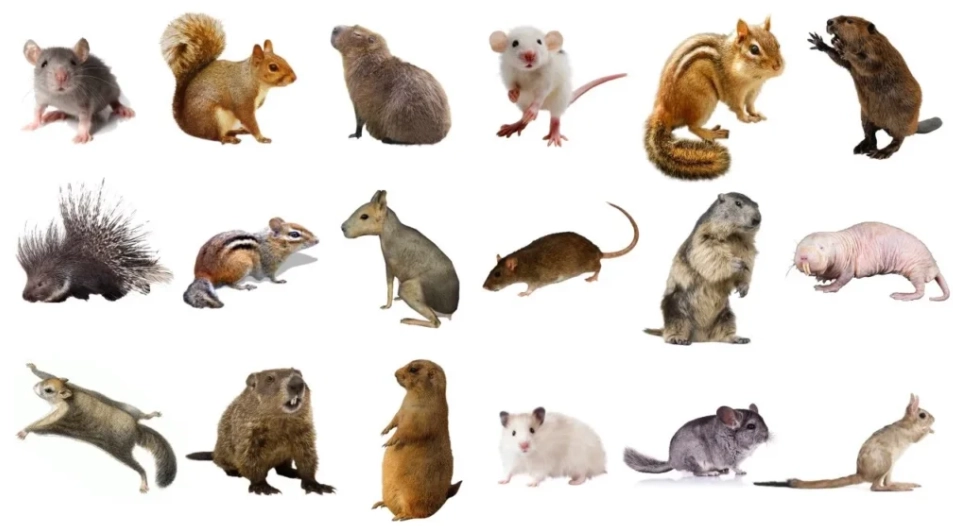
What's Inside?
Rodents 101: What Makes a Rodent?
Let's start with the basics. All rodents belong to the order Rodentia. Their defining feature? A single pair of continuously growing incisors in both their upper and lower jaws. They have to gnaw constantly to wear these teeth down. That's why you find chew marks on wires, wood, and plastic—it's a biological necessity for them, not just mischief.
This simple dental fact explains so much of their behavior. It's also the key trait that separates true rodents from look-alikes. Many people mistake animals like shrews or moles for rodents, but they're insectivores with different teeth and diets. Getting this right is the first step in accurate identification and effective management.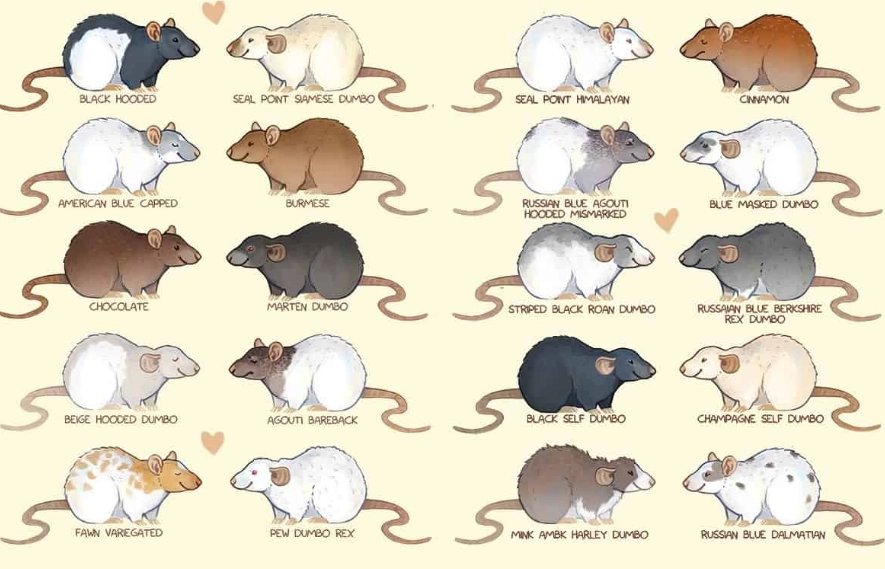
Meet the Neighbors: Common Types of Rodents by Habitat
It's helpful to group rodents by where you typically find them. Their habitat often dictates their size, diet, and the kind of issues (or joys) they might present.
Urban & Household Rodents (The Uninvited Guests)
These are the species most likely to cross paths with humans in our homes and cities. They're adaptable, often nocturnal, and focused on finding food and shelter.
The House Mouse (Mus musculus): The classic tiny grey-brown mouse. They're curious, can squeeze through a hole the size of a dime, and prefer to nest in hidden, cozy spots like wall voids or stored boxes. A single pair can produce dozens of offspring in a year.
The Norway Rat (Rattus norvegicus): Also called the brown or sewer rat. These are big, burly, and cautious. They excel at digging extensive burrow systems along foundations, in gardens, or in rubbish piles. They're stronger swimmers than mice and are more likely to be found in basements or ground-level areas.
The Roof Rat (Rattus rattus): Sleeker and more agile than the Norway rat, with a tail longer than its body. True to its name, it's an excellent climber, often nesting in attics, trees, or upper parts of structures. They're common in warmer coastal regions.
Backyard & Garden Rodents (The Landscape Crew)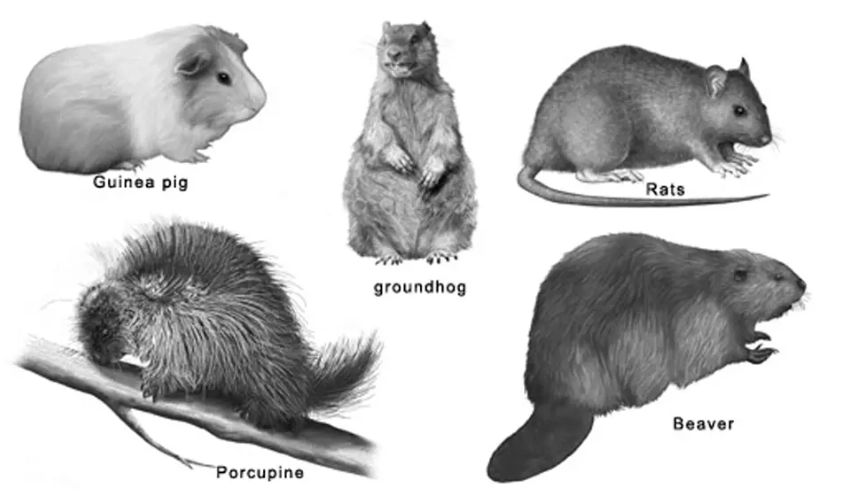
These rodents live primarily outdoors but can become pests when their activities conflict with gardening or landscaping.
Voles (often called Meadow or Field Mice): These are the culprits behind the mysterious "runways" of dead grass in your lawn and gnawed bark around the base of young trees. They have stockier bodies, shorter tails, and smaller ears than true mice, and they spend most of their time in shallow underground tunnels.
Moles: Wait, I need to stop you right here. This is a common mistake. Moles are not rodents. They are insectivores, related to shrews and bats. They have pointed snouts, enormous digging forepaws, and eat earthworms and grubs. They create raised tunnel ridges and molehills, but they don't eat your plants' roots—they're after the insects. Voles, however, will use mole tunnels and do eat the roots.
Ground Squirrels & Chipmunks: These diurnal, burrowing rodents can damage gardens by eating seeds, bulbs, and seedlings. Chipmunks have distinctive stripes on their faces, while ground squirrels like the California ground squirrel are larger and can create extensive, destabilizing burrow networks.
Wild & Field Rodents (The Natural Foragers)
These species are less likely to invade homes but are important parts of wild ecosystems.
Tree Squirrels (Gray, Fox, Red): Everyone recognizes them. They're primarily arboreal, nesting in trees (dreys) and feeding on nuts, seeds, and fungi. They can become a nuisance at bird feeders or if they enter attics to nest.
Woodrats (Packrats): Fascinating creatures of wilder areas. They build large, conspicuous stick nests called "middens" and have a habit of collecting shiny objects, leaving a trinket in exchange for what they take—hence the name "packrat." They rarely infest modern urban homes.
Muskrats: Semi-aquatic rodents found in marshes, ponds, and streams. They build lodges from vegetation and can cause issues by burrowing into pond banks and dams, potentially causing leaks or erosion.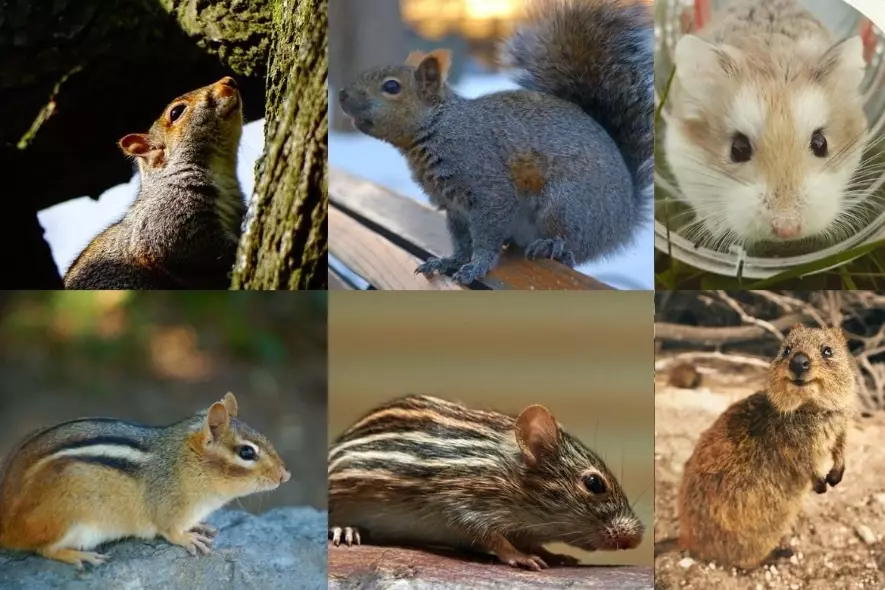
Spot the Difference: A Practical Rodent Identification Guide
Seeing is believing. Here’s a quick-reference table to help you tell common problem rodents apart at a glance. I've found that focusing on a few key features is more reliable than trying to remember every detail.
| Rodent Type | Key Identifying Features | Typical Size (Body + Tail) | Common Signs | Primary Habitat |
|---|---|---|---|---|
| House Mouse | Small head, large ears relative to head, pointed snout, tail mostly hairless and as long as body. | 3-4 inches + 3-4 inches | Small, pointed droppings (1/4"), gnaw marks on soft materials, greasy rub marks along walls. | Indoors: walls, cabinets, stored goods. Nests from shredded soft material. |
| Norway Rat | Heavy, thick body, blunt snout, small ears, tail shorter than body length, scaly and bi-colored. | 7-10 inches + 6-8 inches | Large, capsule-shaped droppings (3/4"), burrows in soil/along foundations, gnaw holes in wood. | Ground level, basements, sewers, burrows outdoors. Nests in burrows with multiple exits. |
| Roof Rat | Slender, agile body, pointed snout, large ears, tail LONGER than body, uniformly dark and scaly. | 6-8 inches + 7-10 inches | Droppings similar to Norway rat but more spindle-shaped. Gnawing in attics, on fruit trees. | Elevated spaces: attics, trees, vines, upper shelves in warehouses. |
| Vole (Field Mouse) | Stout body, very short tail, small eyes and ears, fur often grizzled brown. | 4-5 inches + 1-2 inches | 1-2" wide "runways" of trampled grass in lawns, gnawed bark at base of trees (girdling). | Meadows, lawns, gardens. Uses shallow underground tunnels and surface runways. |
One trick I use in the field: look at the proportions of the head. A mouse looks like it has big ears and eyes for its tiny head. A rat's head looks more proportional, even bulky. A vole's head seems even smaller and blunter on its chunky body.
Living with Rodents: Prevention and Control Strategies
Once you know what you're dealing with, you can take smart action. Prevention is always cheaper and easier than elimination.
Exclusion is Your First Line of Defense
Rodents need an entry point. Your job is to find and seal it. For mice, this means inspecting the entire exterior of your home for any gap larger than 1/4 inch. Use materials they can't gnaw through:
- Steel Wool: Great for stuffing into small holes temporarily, but it can rust. Pair it with sealant.
- Hardware Cloth (1/4" mesh): Ideal for covering vents, chimney openings, and larger gaps.
- Copper Mesh: More expensive, but doesn't rust and is very gnaw-resistant.
- Sealants: Use high-quality silicone or polyurethane caulk for cracks, or expanding foam for larger gaps (but cover foam with hardware cloth, as rats can gnaw through it).
Pay special attention to where utilities enter the house, roof vents, and gaps under doors.
Sanitation and Habitat Modification
Remove the reasons for them to visit. This isn't just about keeping a clean kitchen (though that's vital).
Outdoors, manage your landscape. Keep grass trimmed, store firewood at least 18 inches off the ground and away from the house, and clear away thick brush and ivy that provide cover for rats and mice. Use tight-fitting lids on compost bins and garbage cans. For voles, keep a clear, vegetation-free zone around tree trunks and consider installing underground mesh barriers when planting valuable shrubs.
I've seen too many people set traps but leave a bag of dog food or bird seed in a flimsy container in the garage. You're just feeding the problem.
When Control is Necessary: Trapping and Baits
If rodents are already inside, you need to remove them. For a small number of mice, snap traps are often effective. Use more than you think you need—I'd start with at least a dozen for a whole-house issue. Place them along walls, behind appliances, and in dark corners, baited with a tiny amount of peanut butter or nutmeat tied on with dental floss.
For rats, use larger, heavy-duty snap traps. Be patient—it may take several days for a rat to approach a new trap. Glue traps are controversial and can cause prolonged suffering; I generally avoid them for humane reasons and because larger rodents can sometimes drag them away.
Rodenticides (poison baits) are a last resort. They pose risks to pets, children, and wildlife that might eat a poisoned rodent. If you must use them, place them only in secured, tamper-resistant bait stations, never loose. Always follow the label instructions to the letter. In many cases, calling a professional pest management company, which has access to more tools and expertise, is the wisest and safest choice for a significant infestation.
Your Rodent Questions Answered
 What's the most effective way to keep squirrels out of my bird feeder?
Comments