Let's clear something up right away. If you're searching for "white hornet," you're probably picturing a large, intimidating wasp with noticeable white markings. You're not wrong, but the common name can be tricky. Most often, people are actually describing the White-Faced Hornet (Dolichovespula maculata), a common North American wasp known for its striking black and white coloration. I've been studying stinging insects for over a decade, and the confusion around this one leads to more panic than necessary. This guide will cut through the noise. We'll cover exact identification, the real (and severe) risks of their sting, and a step-by-step plan for dealing with a nest—whether you should DIY or absolutely call a pro.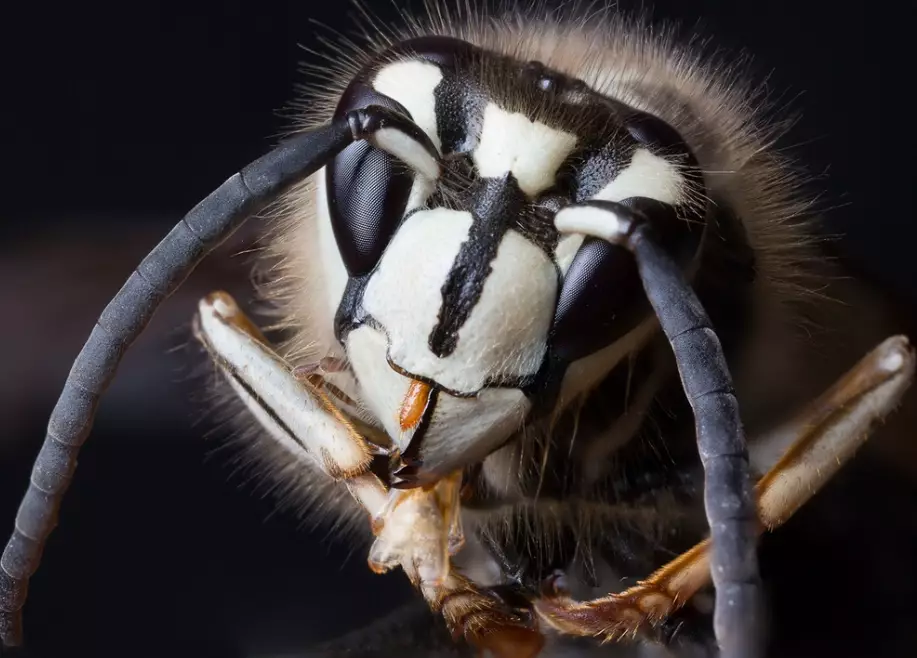
What's Inside?
What Exactly Is a "White Hornet"?
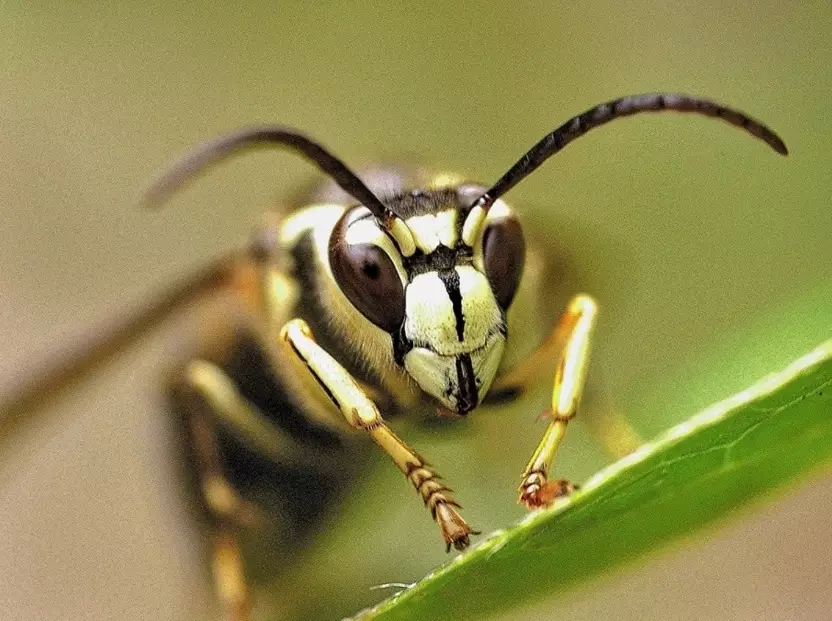
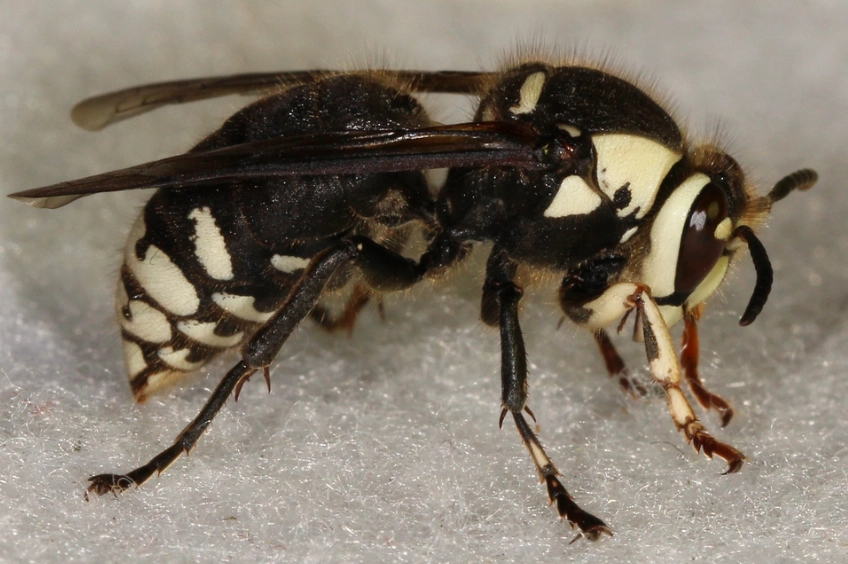
It's not a separate species. "White hornet" is a colloquial name that usually points to the White-Faced Hornet (or Bald-Faced Hornet). It's actually a type of yellowjacket, not a true hornet, but its size and aggression earn it the scarier title. The giveaway is the color pattern: jet black body with distinct, almost chalk-white markings on its face, thorax, and the tip of its abdomen.
They're social insects, living in colonies that can house 400-700 workers by late summer. The nest is a masterpiece of insect engineering—a large, gray, papery football, usually suspended high up in trees, under eaves, or on shrubs. I once found one cleverly hidden inside a dense evergreen, only visible in winter after the leaves fell.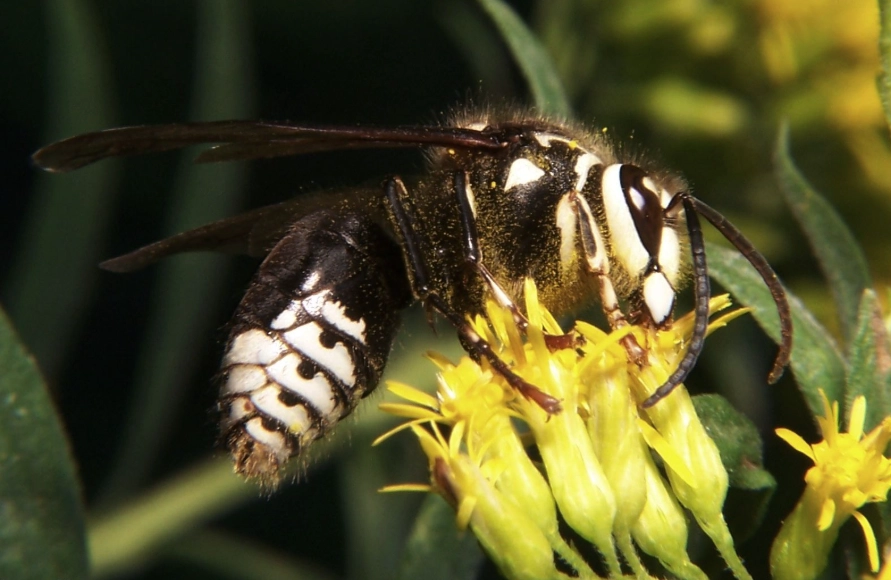
White-Faced Hornet vs. Other Common Stingers
Mistaking it for a paper wasp or European hornet is common. Here’s a quick breakdown to stop the guesswork.
| Insect | Size & Color | Nest Type & Location | Aggression Level |
|---|---|---|---|
| White-Faced Hornet | ~19mm, Black with white face/abdomen | Large, gray paper football; trees, eaves, bushes | Highly aggressive near nest |
| European Hornet | ~25mm, Brown with yellow abdomen | Large paper nest, often in hollow trees/walls | Moderate, more active at night |
| Paper Wasp | ~20mm, Brown with yellow or reddish marks | Open, umbrella-shaped comb; under eaves/ledges | Low, unless nest is disturbed |
| Yellowjacket | ~12mm, Black and yellow stripes | Often underground, or in wall voids; paper envelope | Very aggressive, especially in late summer |
The Real Dangers of a White Hornet Sting
This is where you need to pay close attention. Their sting isn't just a painful nuisance. I've seen grown adults brought to tears, not from the initial pain, but from the intense reaction that follows.
The venom is potent and contains a cocktail of chemicals designed to cause significant pain and inflammation. A single sting feels like a hot nail being driven into your skin, followed by intense throbbing. The site will swell, turn red, and itch fiercely for 24-48 hours. Unlike a bee, a white-faced hornet can sting repeatedly without dying.
The two critical risks are: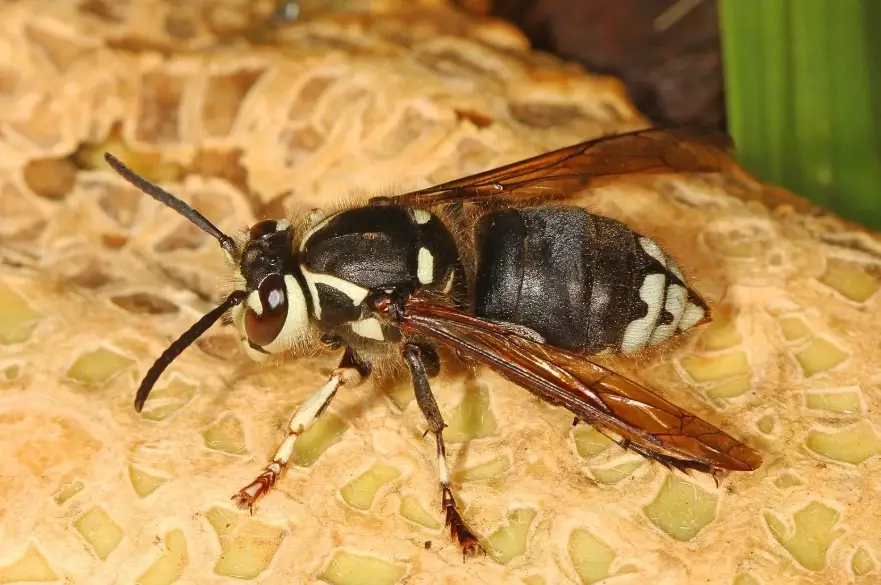
1. Allergic Reaction (Anaphylaxis): This is life-threatening. Symptoms include difficulty breathing, swelling of the throat or tongue, dizziness, a rapid pulse, and a widespread rash. If you experience these after any sting, seek emergency medical help immediately.
2. Multiple Stings: Even without an allergy, receiving numerous stings (a swarm attack) can deliver a toxic dose of venom. This can cause nausea, vomiting, fever, and in extreme cases, muscle breakdown or organ problems. Children and pets are especially vulnerable.
How to Find a White-Faced Hornet Nest
You often hear them before you see them. A low, steady hum near a tree line or your roofline is a dead giveaway. To locate the nest safely:
- Observe from a Distance: In early morning or late evening, stand 20-30 feet away from where you suspect activity. Watch the flight path of returning workers. They will fly directly to and from the nest entrance, usually a small hole near the bottom of the paper envelope.
- Common Locations: Check high tree branches (especially deciduous trees), the underside of wide eaves, dense shrubbery, and occasionally on the sides of sheds or barns. They prefer spots sheltered from direct rain.
- Don't Poke Around: Never rustle bushes or tap on suspected areas. If you find it, mark the location mentally and retreat. Your goal is identification, not interaction.
Safe White Hornet Nest Removal: A Step-by-Step Plan
This is the part everyone wants to know, but also where most go wrong. Let's be brutally honest: removing a large, active nest is dangerous. My professional recommendation is almost always to hire a licensed pest control operator. They have the protective gear and insecticides designed for aerial nests.
However, if the nest is small (softball-sized or smaller) and easily accessible, and you are not allergic, a careful DIY approach is possible. Never attempt this if the nest is large, high up, or near a doorway/window.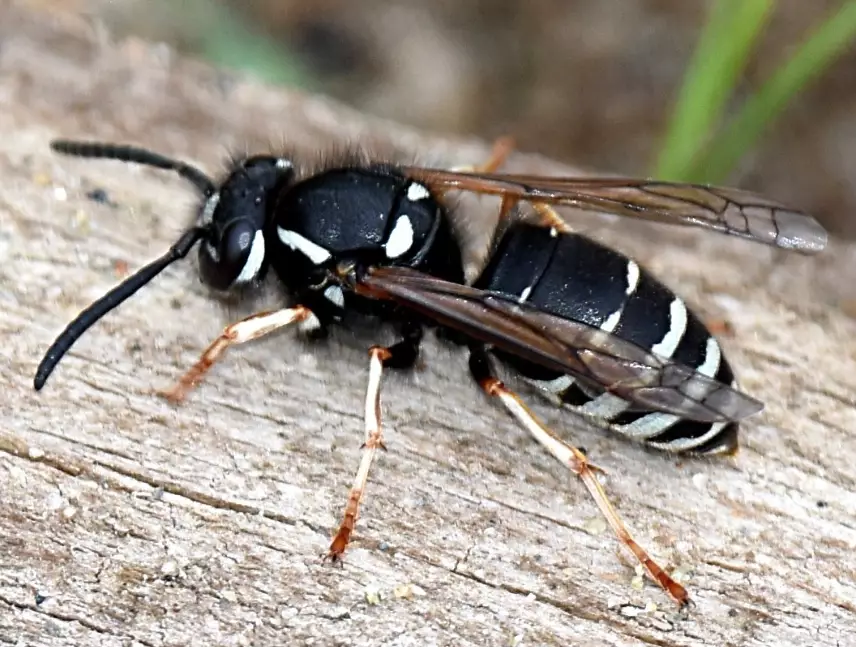
DIY Removal Protocol (For Small, Accessible Nests)
- Timing is Everything: Execute the plan at night or just before dawn. Hornets are sluggish and nearly all inside the nest. Use a red-filtered flashlight (insects see red light poorly).
- Suit Up Completely: This is non-negotiable. Wear thick, long sleeves, pants, gloves taped to sleeves, socks over pants, boots, and a bee veil or hat with mosquito netting. No exposed skin.
- Use the Right Product: You need a foaming or jet-stream aerosol wasp & hornet killer designed for aerial nests. The foam helps coat and suffocate the nest. Read the label.
- The Attack: From a safe distance (following product instructions, usually 10-15 feet), spray the entrance hole thoroughly, then saturate the entire nest. Do not stand underneath it. Spray and leave the area immediately.
- Wait and Verify: Leave the nest alone for at least 24-48 hours. Observe from a distance during the day. If you see no activity for two consecutive days, you can carefully knock it down into a heavy garbage bag and seal it.
For any nest larger than a football, attached to your house siding, or inside a wall void, call a pro. The cost ($150-$400) is worth avoiding a hospital visit.
Keeping Them Away: Effective Prevention Tips
Prevention is less dramatic but far smarter than removal. Queen hornets start scouting for nest sites in early spring. Your goal is to make your property uninviting.
- Early Spring Patrol: In April-May, look for small, starter nests (golf-ball size). These can often be knocked down easily with a long pole during a cool evening.
- Seal Entry Points: Repair cracks in soffits, siding, and roof vents. Screen attic vents and chimney openings.
- Manage Food Sources: Keep trash cans tightly sealed. Clean up fallen fruit promptly. Avoid leaving sweet drinks or meat outdoors.
- Consider Decoy Nests: Some gardeners swear by hanging commercial "fake wasp nests" early in the season. The theory is that hornets are territorial and will avoid areas they think are already occupied. Results are mixed, but it's a harmless deterrent.
Your White Hornet Questions Answered
 I found a huge gray nest in my tree in winter. Is it safe to remove it now?

Comments