You're enjoying a late summer evening in your garden when a loud, low buzz cuts through the air. A massive, reddish-brown insect with yellow markings lands on your deck railing. Your first thought might be panic—"Is that a murder hornet?"—but chances are, you've just met the European hornet (Vespa crabro). Despite their intimidating size (they're the largest true hornet in North America), much of the fear surrounding them is based on misinformation. I've spent years observing these insects, and I can tell you that understanding them is the first step to coexisting safely. This guide will cut through the myths and give you the practical knowledge you need, from positive identification to deciding when and how to take action.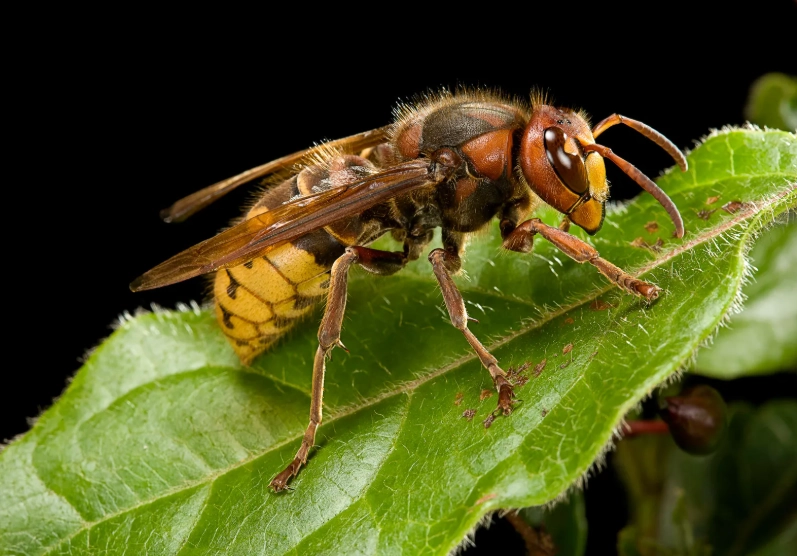
What You'll Find in This Guide
How to Positively Identify a European Hornet
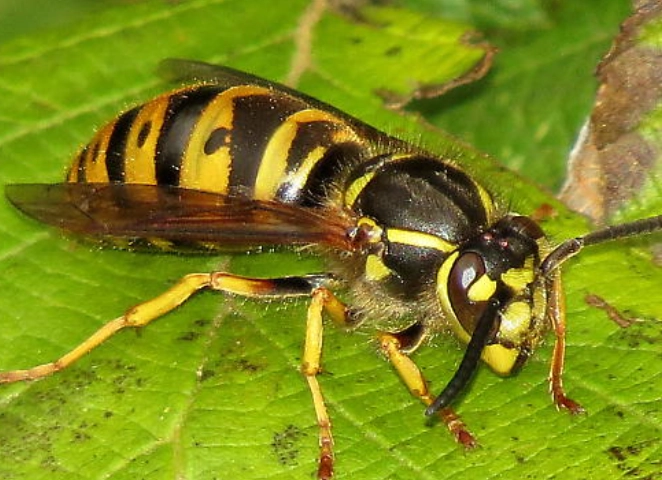
Mistaking a European hornet for a common yellowjacket or the invasive Asian giant hornet ("murder hornet") is easy if you don't know the specifics. Let's break down the key features.
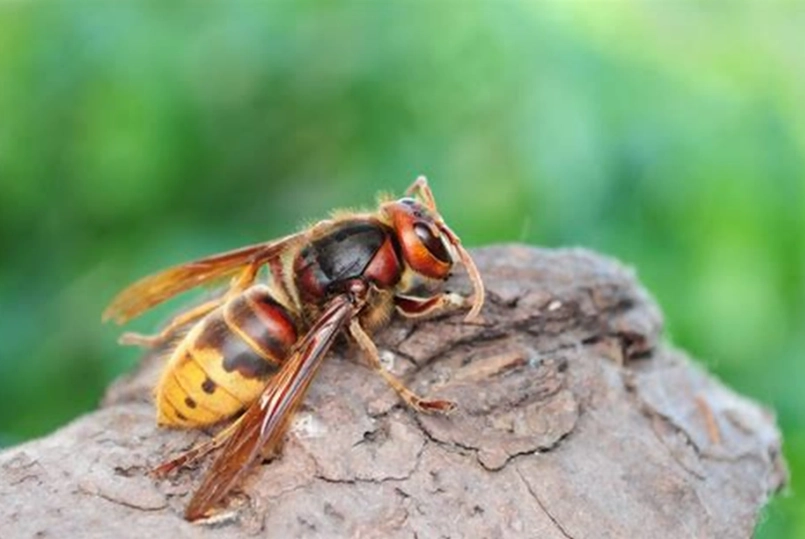
First, look at the color. European hornets have a distinctive reddish-brown thorax (the middle section) and a head that's yellow from the front but reddish-brown on top. Their abdomen has yellow bands, but the base color is more of a deep, smoky brown or black, not the stark black and bright yellow of a yellowjacket. The size is a major clue—workers are about 1 to 1.4 inches long. That's bigger than any yellowjacket or paper wasp you'll commonly see.
Their behavior gives them away too. They are largely nocturnal. Seeing a large wasp banging against your window screen at night? That's classic European hornet behavior. They're attracted to lights. During the day, you might spot them stripping bark from lilac or birch trees to build their paper nests, or hunting other insects.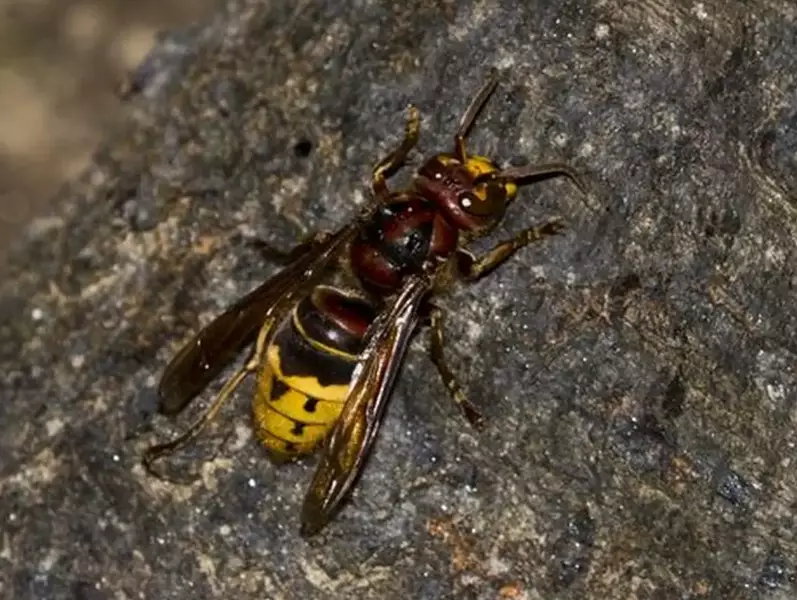
Quick Tip: Listen. Their flight sound is deeper and louder than smaller wasps. It's a steady, heavy hum.
European Hornet vs. Common Look-Alikes
This table clears up the common confusion.
| Feature | European Hornet | Yellowjacket | Bald-Faced Hornet | Asian Giant Hornet |
|---|---|---|---|---|
| Primary Color | Reddish-brown & yellow | Bright black & yellow | Black & white/ivory | Orange & black |
| Size (Length) | 1 - 1.4 inches | 0.5 - 0.6 inches | 0.6 - 0.8 inches | 1.5 - 2+ inches |
| Head Color | Yellow (front), Red-brown (top) | Yellow & black | White/ivory | Large, orange-yellow |
| Key Behavior | Active at night, attracted to lights | Diurnal, aggressive at food | Diurnal, builds large aerial nests | Diurnal, attacks bee hives |
| Nest Location | Enclosed spaces (hollow trees, wall voids, attics) | Underground or enclosed spaces | Exposed, aerial (trees, eaves) | Underground |
The Real Risk: Understanding Their Sting
Let's talk about the sting. Yes, it hurts. The European hornet's stinger is larger, and its venom contains acetylcholine, which causes a sharp, burning pain that feels different from a bee or yellowjacket sting. I've been stung once while accidentally disturbing a nest entrance in an old shed. The immediate sensation was a hot, deep throb, more intense than any bee sting I've had.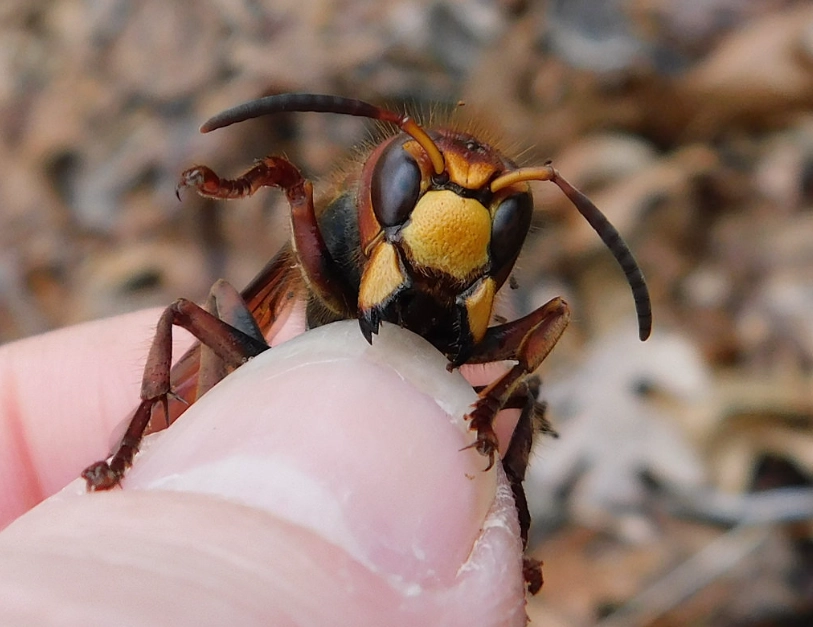
But here's the nuanced truth most articles miss: European hornets are less aggressive in defense than yellowjackets. A yellowjacket colony might send dozens of defenders after a minor disturbance. A European hornet colony is more likely to send a few scouts to investigate. They are defensive of their nest, not proactively aggressive. If one is foraging on a tree or flying by, it generally wants nothing to do with you.
The real danger, as with any stinging insect, is an allergic reaction. Anaphylaxis is a medical emergency. If you or someone nearby experiences difficulty breathing, swelling of the throat or tongue, dizziness, or a rapid pulse after a sting, call emergency services immediately.
Important: Multiple stings (even for non-allergic individuals) can be medically significant due to venom load. Never attempt to handle or exterminate a large nest without proper protection and planning.
It's also worth noting their ecological role. They are impressive predators of flies, caterpillars, and other insects, including pest species. Removing them without cause can disrupt local balance.
Where to Look: Finding Their Nest
You rarely see just one. If you have regular sightings, there's likely a nest within a few hundred yards. Unlike the exposed, football-shaped nests of bald-faced hornets, European hornets prefer concealed, protected cavities.
Start by observing flight paths at dusk. Stand still near where you've seen them and watch their direction of travel. They often fly in a consistent "bee-line" to and from the nest. Common nest sites include:
- Hollow Trees: This is their natural, preferred location.
- Wall Voids: Especially in older homes with openings in siding or soffits.
- Attics and Sheds: Any dark, undisturbed structural void.
- Bird Boxes or Piles of Wood: Occasionally, they'll use man-made cavities.
The nest itself is made of a papery material, chewed from wood fibers. It will have a single entrance hole. You might see a brownish stain (from feces and debris) on siding or wood below the entrance—a telltale sign.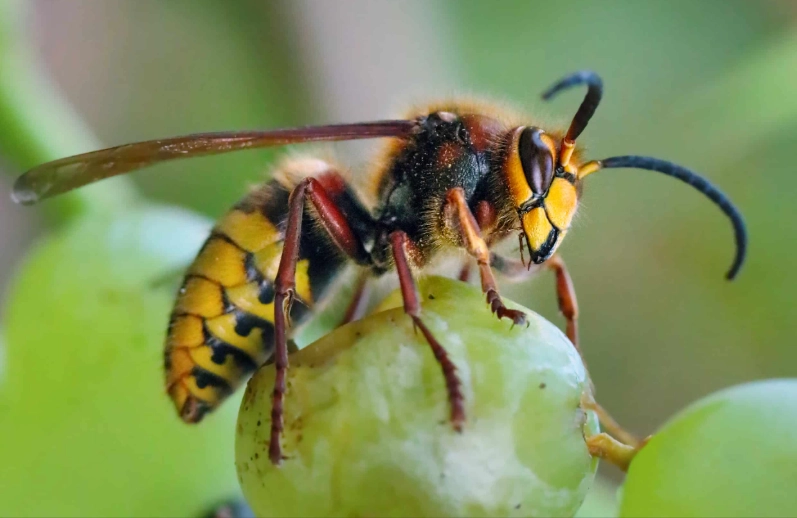
How to Safely Remove a European Hornet Nest
This is where I see the most dangerous advice online. Spraying a store-bought aerosol into a wall void at 2 PM is a recipe for disaster. You'll anger the colony, potentially drive them deeper into your home, and risk multiple stings.
The golden rule: If the nest is in a structure (wall, attic, soffit), hire a professional pest control operator. They have the tools, protective gear, and insecticides labeled for such use. They know how to find the main cavity and treat it effectively, often at night when the colony is less active and most foragers are home.
If the nest is in a detached, accessible location like a hollow tree far from activity, and you are determined to proceed yourself, extreme caution is needed.
A Step-by-Step Scenario for a Detached, Accessible Nest
Let's say the nest is in a hollow tree at the back of your property.
- Timing is Everything: Plan the operation for late evening or just after dark. Use a red-filtered flashlight (insects see red light poorly) to minimize disturbance.
- Gear Up Like Your Life Depends On It: Wear a full bee suit with sealed cuffs and ankles. Thick gloves. Boots. Tape any closures.
- Choose the Right Product: Use a long-range hornet and wasp aerosol spray with a foaming or jet stream formula designed for nighttime use. Dust formulations (like Tempo Dust) applied with a bulb duster are often more effective for void nests but require getting closer to the entrance.
- The Approach and Application: Move calmly and deliberately. Direct the spray precisely into the nest entrance for the duration specified on the label. Do not shine a bright white light directly on the entrance.
- Immediate Retreat: Leave the area immediately after treatment. Do not wait to see results.
- Post-Treatment: Wait at least 24-48 hours before approaching to check for activity. Do not attempt to physically remove the nest for several days to ensure all returning foragers are eliminated.
I cannot overstate this: if you have any doubt, any allergy, or the nest is structurally integrated, call a pro. The cost is worth the safety.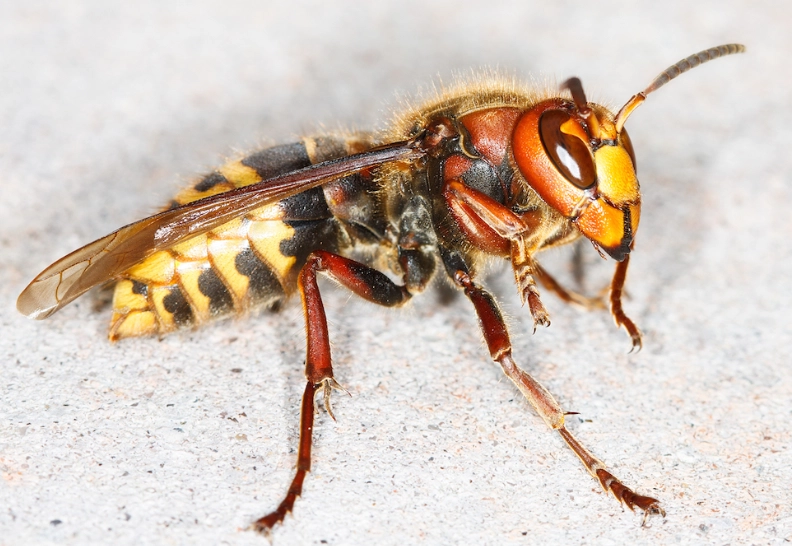
Proactive Prevention: Keeping Them Away
Stopping them before they start is the best strategy. In early spring, young queens emerge to found new colonies. Your goal is to make your property uninviting.
- Seal Entry Points: This is the single most effective thing you can do. In late winter or early spring, inspect your home's exterior. Seal cracks in siding, gaps around utility lines, vents, and soffits with caulk, steel wool, or hardware cloth. Repair damaged screens.
- Manage Lighting: Since they're nocturnal and phototactic, consider switching porch lights to yellow "bug" bulbs or sodium vapor lights, which are less attractive. Draw curtains at night.
- Reduce Attractants: Keep garbage cans tightly sealed. Clean up fallen fruit promptly. Fix dripping outdoor faucets—they need water.
- Landscape Considerations: If possible, remove old, hollow stumps or logs from near your home. Fill in rodent burrows, which can become nest sites.
Regular inspections in early summer can catch a small, new nest before it becomes a major problem.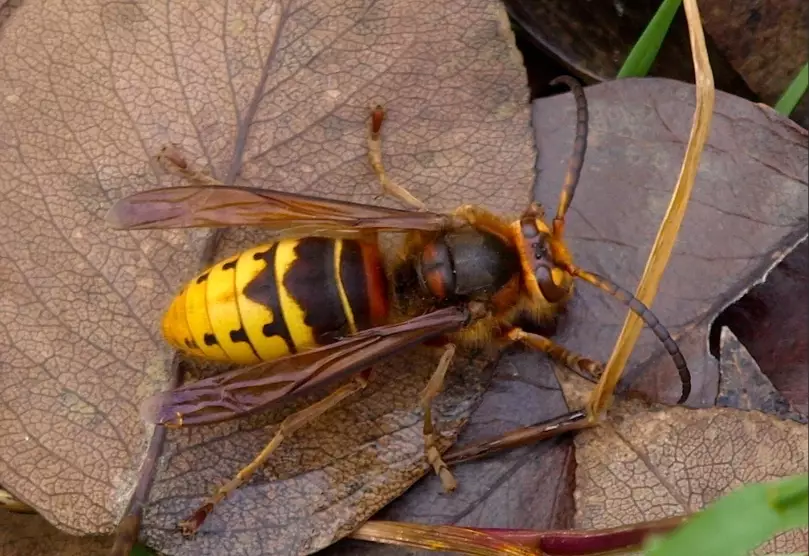
Your Questions, Answered
 Are European hornets beneficial, or should I always kill them?


Comments