Let's be honest. The first time you see a cluster of tiny, dark specs suddenly leap off your damp bathroom tile or the soil of your favorite houseplant, it's unsettling. Your mind races – are these baby fleas? Mold mites? Something worse? For most people, that's their introduction to springtails, one of the most common yet misunderstood soil organisms on the planet. I've lost count of the number of times I've been sent a frantic photo, only to identify these harmless critters. This guide cuts through the panic and gives you the straight facts: what they are, why they're in your space, how to manage them if needed, and why you might actually want them around.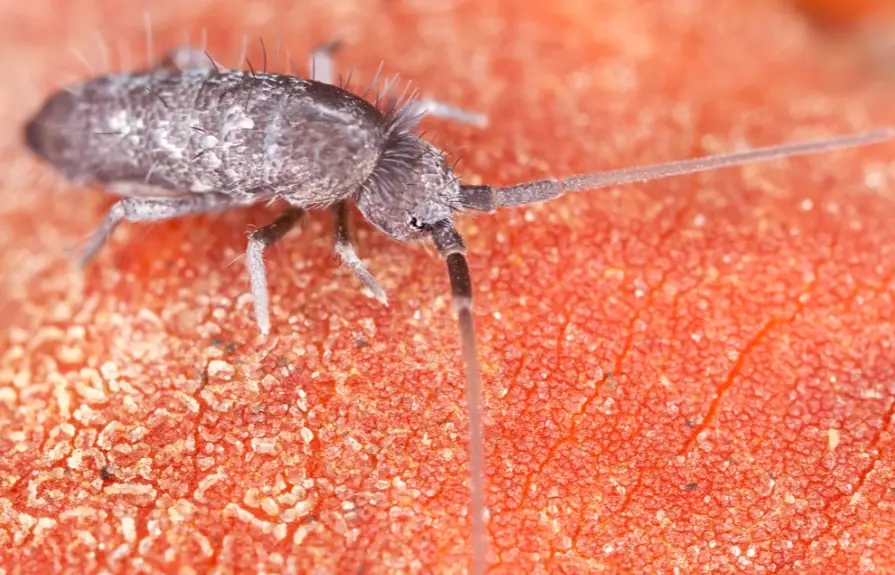
What You'll Find in This Guide
How to Identify Springtails Accurately (And Stop Confusing Them)
Misidentification is the root of most springtail anxiety. People spray for fleas when they have springtails, wasting time and money. Here’s how to be sure.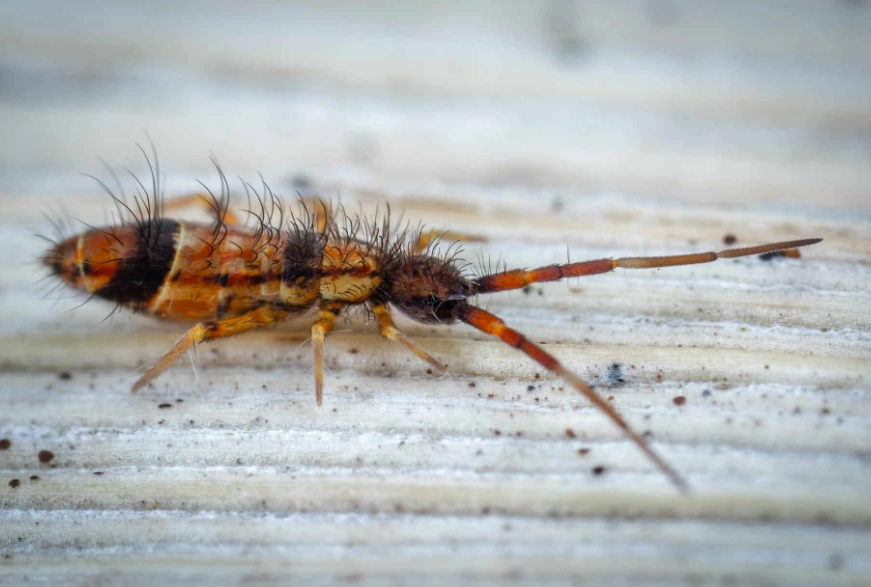
Key Morphological Features
Get a magnifying glass or use your phone's macro mode. You're looking for:
- Size: Pinhead small. Typically 0.25 to 1 mm long. You'll see them as moving specks.
- Color: Varied. White, gray, brown, black, even purple or blue. The ones indoors are often a uniform dark gray or black.
- Shape: Often elongated or roundish. They lack the clearly segmented, narrow waist of an ant.
- The Furcula: This is the clincher. It's a forked, tail-like appendage tucked under their abdomen. When released, it snaps down on the ground, propelling them several inches away in a random, jerky jump. Fleas jump in a more controlled, directional arc. Mites don't jump at all.
Behavior and Habitat Clues
Where and how you find them tells a story.
Springtails are moisture addicts. You'll rarely find a single one; they congregate. Look for them on damp soil in potted plants, around sink drains, on basement floors or walls, near leaky pipes, or on window sills with condensation. They feed on decaying organic matter, algae, and fungal hyphae (mold). If you see them, you almost certainly have a persistent moisture issue they're exploiting.
| Feature | Springtails | Fleas | Mites (e.g., Mold Mites) |
|---|---|---|---|
| Jumping | Erratic, random, short hops. | Powerful, directed, long jumps. | Do not jump; crawl slowly. |
| Body Shape | Elongated or round, soft-bodied. | Laterally flattened, hard-bodied. | Very tiny, roundish, often hairy. |
| Size | 0.25 - 1 mm | 1.5 - 3 mm | Less than 0.5 mm (often barely visible) |
| Primary Habitat | Damp soil, leaf litter, moldy surfaces. | On pets, in carpets, pet bedding. | On moldy food, damp walls, stored products. |
| Bites Humans? | No. Physically incapable. | Yes. Leaves itchy welts. | Some species can cause irritation. |
Why Springtails Invade Homes: The Moisture Connection
Springtails don't "invade" to bother you. They're refugees. Outdoor populations explode during wet periods (prolonged rain, melting snow), saturating the soil. When their outdoor habitat becomes waterlogged, they seek drier land. Unfortunately, the slightly drier land is often your basement, crawl space, or slab foundation.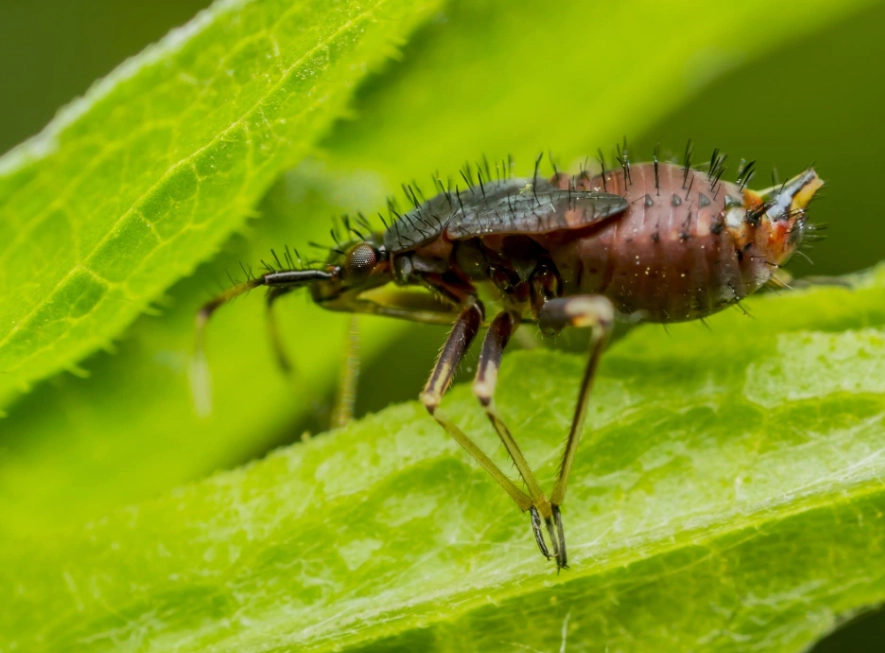
Once near your house, they are drawn through cracks by the scent of moisture and mold. A common entry point I see overlooked is the garage door seal, especially if the garage floor has a drain or tends to be damp. From the garage, they find their way into the main house.
Indoor Hotspots to Investigate
If you're seeing springtails, grab a flashlight and check these areas in this order:
- Houseplant Saucers: Stagnant water is a five-star resort.
- Bathroom & Kitchen Under-sink Cabinets: Feel for dampness, look for pipe condensation or slow leaks.
- Basement Floor Drains & Sump Pumps: Ensure the trap has water, or install a cover.
- Window Frames & Sliding Door Tracks: Condensation and collected debris.
- Crawl Space Vapor Barrier: If it's torn or pooled with water, it's a major source.
It's not about killing every bug you see. It's about making the environment so unappealing they leave or can't survive. That starts with moisture control.
Effective Control & Prevention Methods That Actually Work
Throw out the insecticide fogger. It's useless for springtails and creates more problems. Your strategy should be physical and environmental.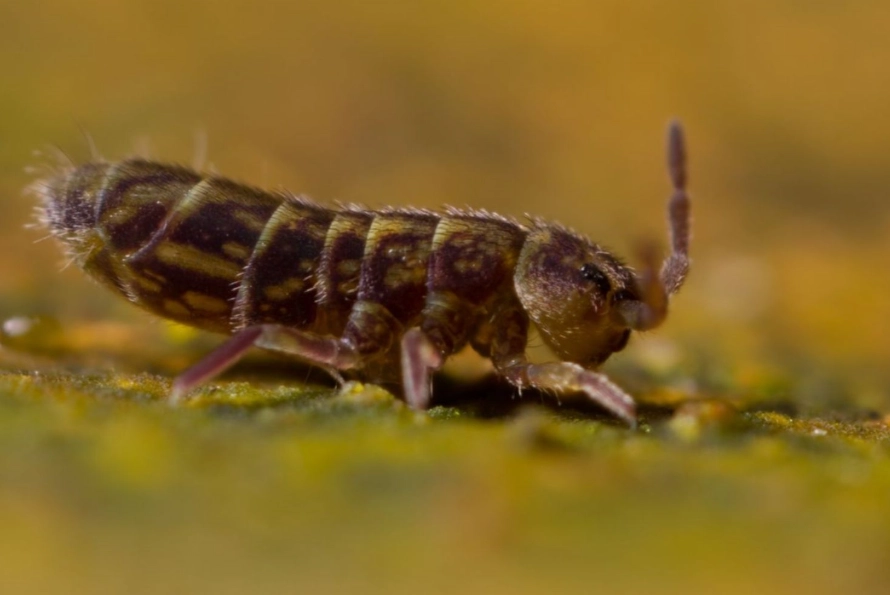
Step 1: Immediate Physical Removal
For a visible cluster on a hard surface, simply vacuum them up. Empty the vacuum bag or canister outside immediately. On plants, you can gently rinse the soil surface with a mild soap and water solution (1 tsp dish soap per quart of water), which breaks the surface tension and drowns them. This is a temporary fix if the soil stays wet.
Step 2: The Critical Moisture Reduction Plan
This is the long-term solution.
- Dehumidify: Run a dehumidifier in basements and damp rooms. Aim for below 50% relative humidity. This is non-negotiable.
- Fix Leaks & Condensation: Insulate cold water pipes. Repair dripping faucets. Improve bathroom ventilation with a better fan, and run it during and for 20 minutes after showers.
- Improve Soil Drainage: For houseplants, let the top inch or two of soil dry out between waterings. Ensure pots have drainage holes. Add a layer of sand or fine gravel on top of the soil to create a dry barrier—this works surprisingly well.
- Seal Entry Points: Use caulk to seal cracks in foundations, around utility lines, and gaps around basement windows.
Step 3: Targeted, Low-Impact Treatments
If moisture control alone isn't enough during a severe influx, consider these targeted options:
Diatomaceous Earth (DE): Food-grade DE is a fine powder made from fossilized algae. It's abrasive to their exoskeletons, causing them to dry out. Lightly dust it in cracks, along baseboards, and under appliances in damp areas. It only works when dry, so reapply if it gets damp. Wear a mask when applying.
Insect Growth Regulators (IGRs): Products containing (S)-Hydroprene (like Gentrol) can be used as a spot spray in areas where they congregate. IGRs disrupt their development and are much safer for mammals than neurotoxins. They're a tool, not a magic bullet, and work best combined with moisture control.
Avoid broad-spectrum sprays. They might kill a few on contact but do nothing to the source population and can harm beneficial insects if used outdoors.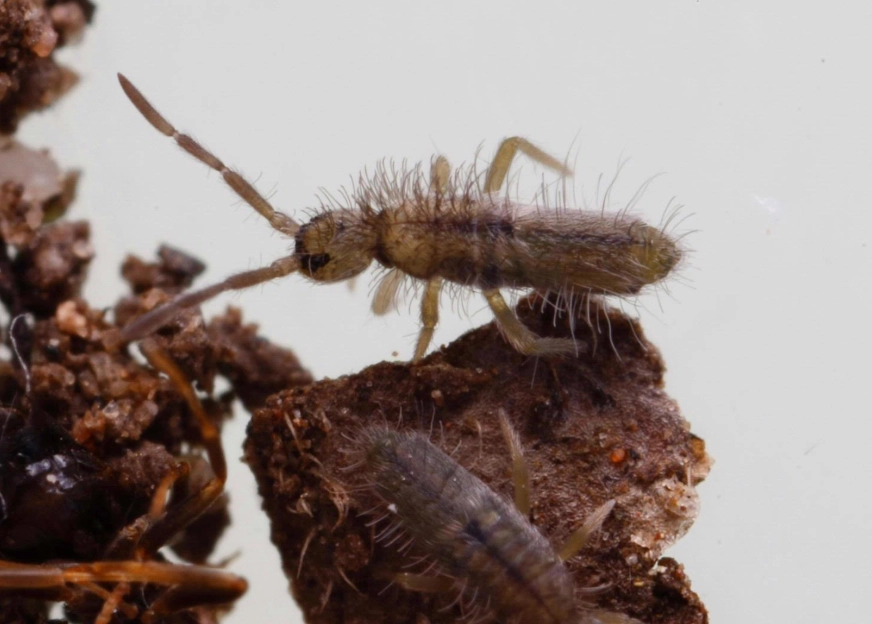
The Surprising Benefits of Springtails in Your Ecosystem
Here's the perspective shift. Outside of your home, springtails are not pests. They are vital soil engineers. In fact, if you're a gardener or have a terrarium, you might want to introduce them.
Their primary ecological role is as detritivores. They consume decaying plant material, fungi, and bacteria, breaking it down and releasing nutrients back into the soil in a form plants can use. They help create healthy soil structure. Research from institutions like the University of Georgia's Department of Entomology highlights their role in nutrient cycling and as a food source for countless other soil predators (mites, beetles, spiders).
In a closed terrarium or vivarium (for frogs or reptiles), they are essential. They are a "clean-up crew," consuming mold, waste, and dead plant matter, helping to maintain a balanced, healthy micro-ecosystem. You can buy cultures of tropical white springtails specifically for this purpose.
So, the goal isn't eradication from the planet. It's management of their presence in your living space while appreciating their role in the wider world.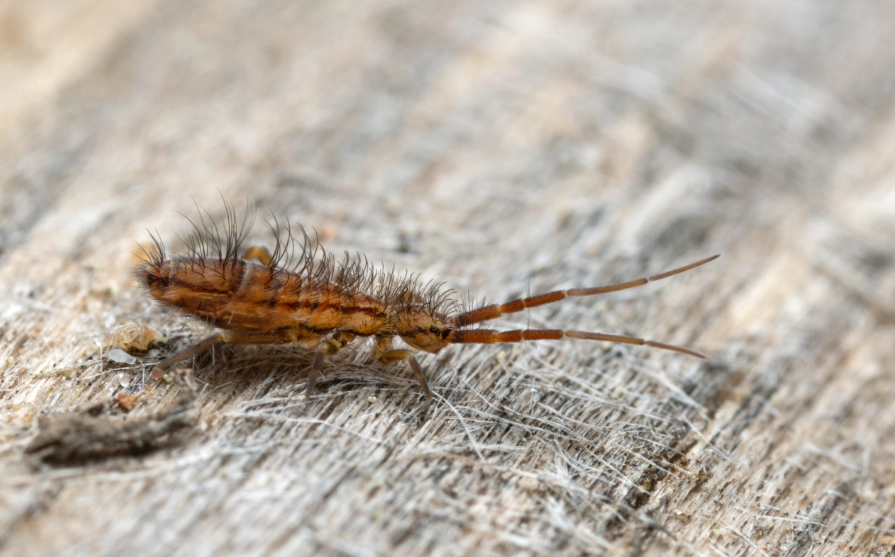
Your Top Springtail Questions Answered
Are springtails in my house a sign of a bigger problem, like mold or structural damage?
They are a reliable bio-indicator of excess moisture. While they don't cause structural damage, their presence strongly suggests conditions that could lead to it—like wood rot or mold growth. Think of them as an early warning system. Finding them should prompt a thorough moisture audit, not just a bug spray.
Can I ever truly get rid of springtails, or will they always come back?
You can achieve functional elimination from your living areas. Complete eradication from the property is impossible and unnecessary. The key is breaking the moisture bridge. If you maintain a dry interior (especially basement and crawl space), any that wander in from outside will desiccate and die quickly. Recurring infestations mean you haven't found and fixed all the moisture sources.
Do springtails harm my plants or spread disease?
No. They do not feed on healthy plant tissue. In extremely high numbers in a pot, their activity might disturb very fine surface roots, but the main damage is from the overwatering that attracted them, not the springtails themselves. They are not known vectors of human or plant pathogens.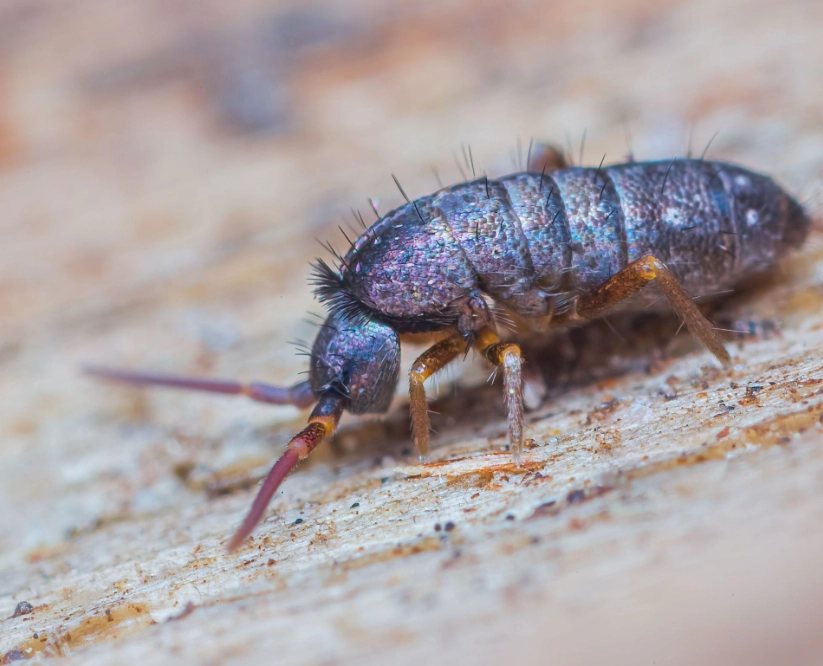
I see them mostly in the spring. Does that mean they die off in summer?
Not necessarily. Spring and fall are peak activity periods due to temperature and moisture conditions, leading to population booms and more noticeable migrations. In summer, if it's dry, they go deeper into soil. In a consistently damp basement, you can find them year-round.
Are springtails dangerous to my pets?
No. Pets might snap at them out of curiosity, but they are not parasitic and do not bite. The greater risk is if you use inappropriate pesticides trying to kill them, which could poison your pet. Always opt for physical and environmental controls first.

Comments