Let's be honest, seeing one of these inside your home is unsettling. A single, large ant, often over half an inch long, sporting a bold red and black body, marching across your kitchen floor as if it owns the place. Your first thought might be "fire ant," but the size is all wrong. What you're likely looking at is a carpenter ant, specifically one of the many species in the Camponotus genus that exhibit this striking coloration. They're common, they're fascinating, and yes, they can become a problem. This guide cuts through the confusion. We'll identify exactly what they are, debunk myths about their danger, and give you a clear, actionable plan if they've overstayed their welcome.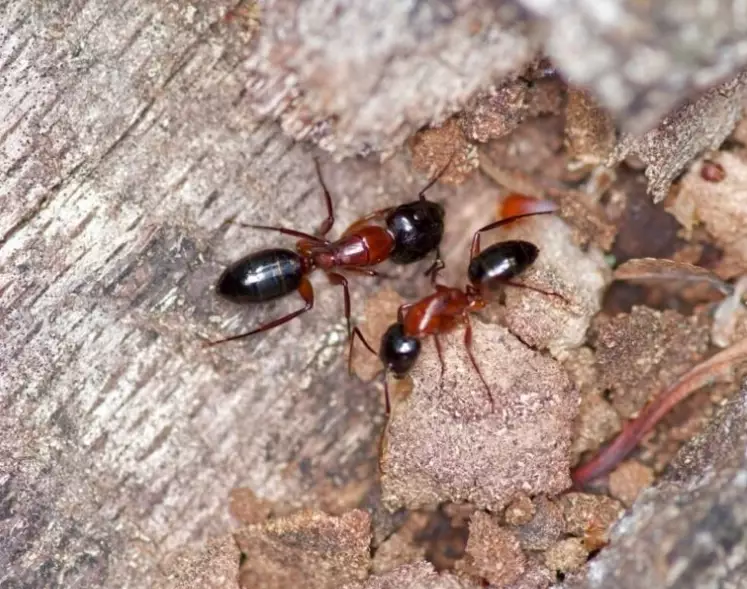
What You'll Find in This Guide
What Exactly Are Giant Red and Black Ants?
That big, handsome ant you saw isn't one unique species. The term "giant red and black ant" is a descriptive label used by people for several large ant species, primarily within the carpenter ant group (Camponotus). Think of it like calling a dog a "big brown dog"—it's accurate, but not specific. The most common culprits in North America are species like the Florida carpenter ant (Camponotus floridanus) or the Pennsylvania carpenter ant (Camponotus pennsylvanicus), where workers can have reddish-brown thoraxes and dark, almost black abdomens.
Here's a key point most generic articles miss: color alone is a terrible identifier. An ant's coloration can vary dramatically within a single colony and between castes (workers vs. queens). A forager in the sun might look more red, while one from a damp, shaded nest might appear darker. I've seen colonies where the majors (soldiers) are almost jet black, while the minors (smaller workers) have a distinct reddish hue. Relying solely on color will lead you astray.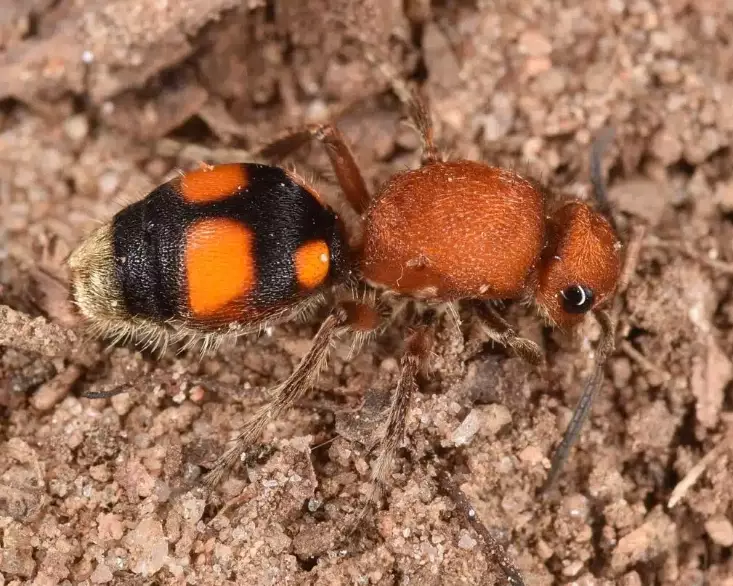
How to Identify Giant Red and Black Ants Correctly
Forget just color. You need a detective's eye for shape and structure. Mistaking them for other ants leads to wasted time and the wrong treatment.
Key Identification Features
Get up close (a magnifying glass helps) and look for these traits:
- Size & Profile: Workers range from 1/4 inch to over 1/2 inch. They have a single-segmented "waist" (petiole) and a evenly rounded, smooth thorax when viewed from the side—no spines or bumps. The back of the thorax is evenly rounded, not notched or jagged.
- The Head & Antennae: Large head with strong mandibles. Their antennae are 12-segmented and distinctly elbowed.
- Color Pattern: Typically, the head is dark. The thorax (middle section) is reddish or reddish-brown. The abdomen (the rear bulb) is black or very dark brown. This is the classic "red and black" pattern, but remember, it can vary.
Common Look-Alikes (And How to Tell Them Apart)
This is where most online guides fail. They don't help you rule out the others.
| Ant Type | Key Differences from Giant Red/Black Carpenter Ants | Why the Confusion? |
|---|---|---|
| Red Imported Fire Ant | Much smaller (1/8-1/4 inch). Uniform reddish-brown color, not two-toned. Thorax has distinct spines. Builds mound nests in soil. | The word "red." People see a red ant and panic. Size and shape are completely different. |
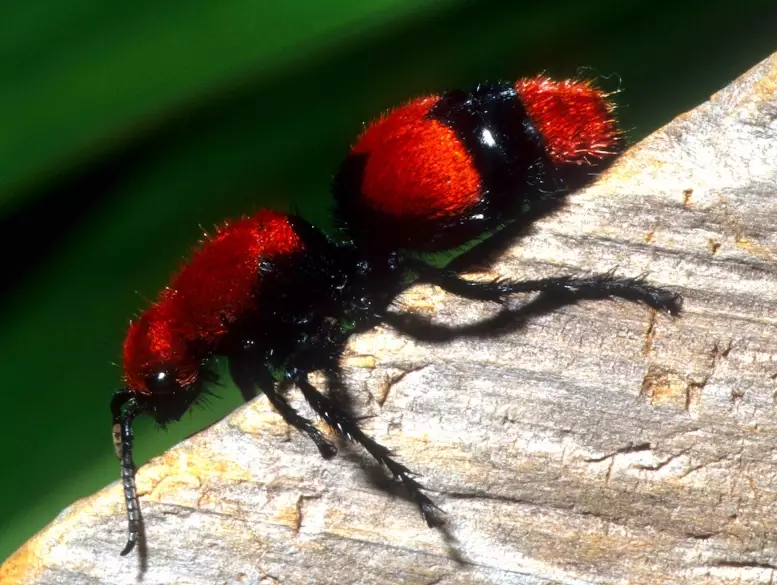
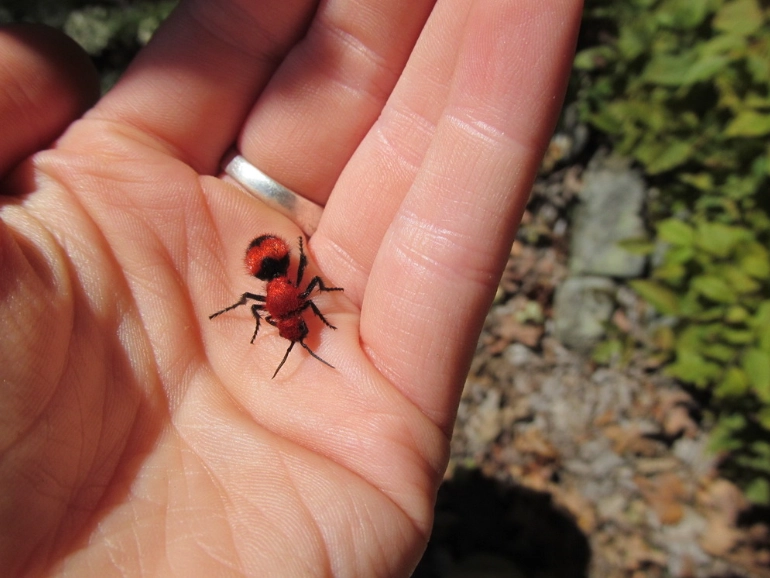
| Velvet Ant (Actually a wasp) | Extremely fuzzy, dense hair covering the body. Females are wingless. Often a brighter, solid red or orange. | The size and color are similar from a distance. Up close, the hair gives it away instantly. |
| Field Ants (Formica spp.) | Similar size and color. The critical difference: the top of their thorax, when viewed from above, has a distinct dip or depression. Carpenter ant thoraxes are evenly convex. | Almost identical to the untrained eye. The thorax profile is the definitive check. |
If you're still unsure, a great resource is the AntWiki database, a collaborative hub for myrmecologists, or your local university's entomology extension service website.
The Secret Life of Giant Red and Black Ants
Understanding their behavior is the first step to controlling them. They're not just random invaders.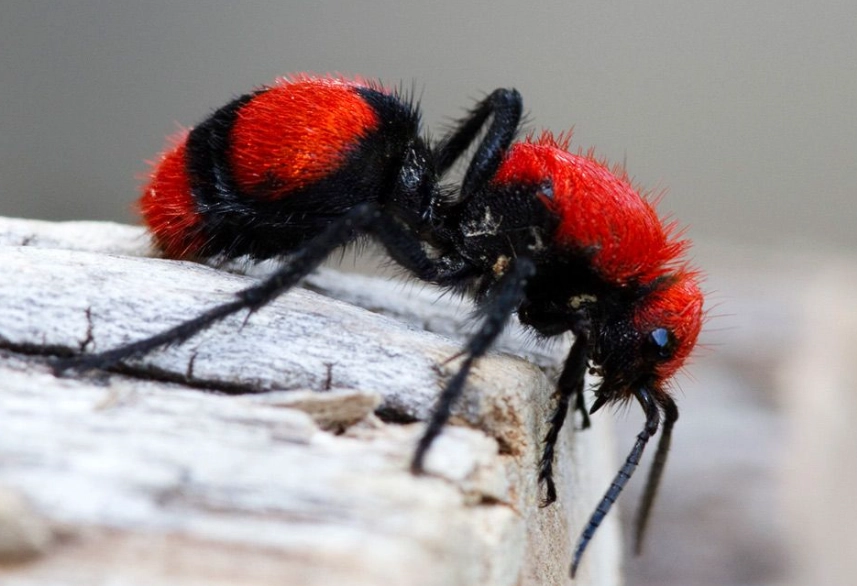
These ants are primarily nocturnal foragers. That ant you see in your kitchen at 10 PM is part of a well-organized shift. They establish scent trails from the nest to food sources, which is why you often see them moving in a neat line. Their diet is diverse: they love sweet substances like honeydew from aphids, but they also need protein, which they get from scavenging dead insects.
Now, the nest. This is the core of the issue. Carpenter ants don't eat wood like termites. They excavate it. They chew out smooth, clean galleries inside soft, moist, or decaying wood to create a nest. A single colony can have a parent nest and multiple satellite nests. The parent nest is often outside in a rotting stump, old log, or tree cavity. Satellite nests can be inside your home—in a wall void near a leaky pipe, in insulation, or in wood softened by moisture damage.
You might see winged reproductive ants, called "swarmers," in spring. These are the future kings and queens leaving to start new colonies. Seeing swarmers indoors is a strong sign of an established, mature nest inside your structure.
Are Giant Red and Black Ants Actually Pests?
In the garden, they're mostly beneficial. They aerate soil, prey on other insects, and are part of the ecosystem. The problem starts when their search for nesting sites intersects with your house.
Their excavation can cause significant structural damage over time. It's usually slower than termite damage, but ignoring it is costly. The real nuisance is the foraging. They get into pet food, sugary spills, and trash, contaminating surfaces. For most people, the psychological "ick" factor and the constant presence are the main issues.
Do they sting or bite? They can bite with their strong mandibles if threatened, and some species can spray formic acid from the tip of their abdomen, which can cause a mild burning sensation. It's more startling than medically significant for most people. They are not aggressive like fire ants.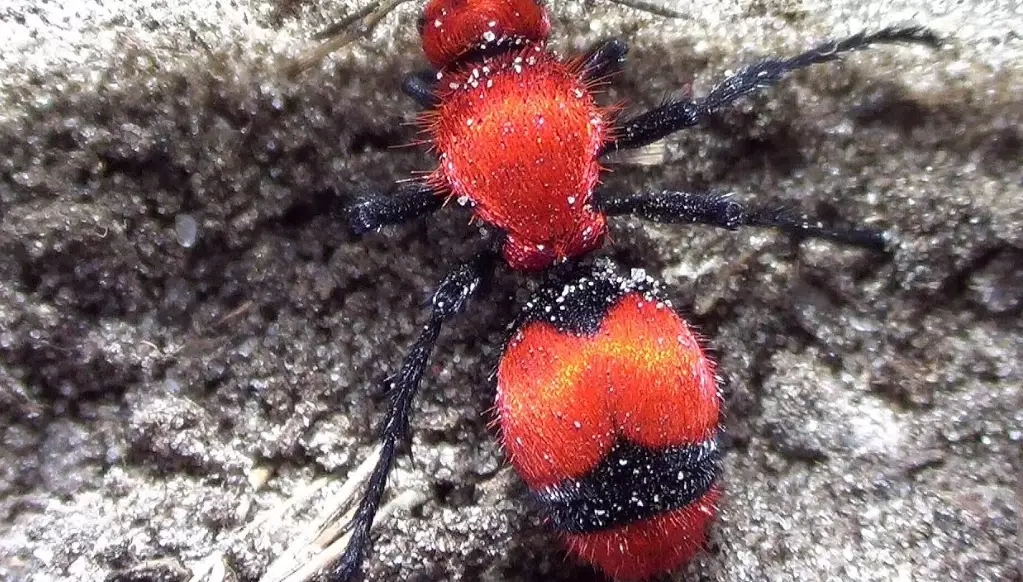
How to Get Rid of Giant Red and Black Ants (A Step-by-Step Guide)
If you have an indoor problem, follow this sequence. Skipping steps is why ants come back.
- Inspection & Identification (The Most Important Step). Don't just kill the scout. Watch it. Where is it coming from? Where is it going? Look for the faint scent trail. Search for frass—a sawdust-like material mixed with insect parts that they push out of their nest galleries. Tap along baseboards and window sills, listening for hollow sounds. Confirm they are carpenter ants using the ID guide above.
- Sanitation & Exclusion. This is about making your home less inviting. Clean up all food spills immediately. Store sweets, pet food, and fats in sealed containers. Seal cracks and crevices around pipes, wires, and foundations with silicone caulk. Trim tree branches and shrubs so they don't touch your house, creating ant highways.
- Moisture Control. Go on a moisture hunt. Fix leaky faucets, ensure downspouts direct water away from the foundation, improve attic ventilation, and repair roof leaks. This step removes the primary condition that allows them to nest indoors.
- Baiting (For the Foragers). Use a slow-acting insecticidal bait labeled for carpenter ants. The workers take it back to the nest and share it, killing the queen and colony. Gel baits or stations with a sweet protein mix work well. Place them near trails but out of reach of pets/kids. Patience is key—it can take several days to a week to see population collapse. Avoid spraying insecticides near baits, as it will break the trail and prevent the bait from being taken.
- Targeted Treatment (For the Nest). If you can locate the actual nest (e.g., in a wall void), a dust insecticide (like boric acid or diatomaceous earth) puffed into the void can be effective. For outdoor parent nests in stumps, a labeled liquid insecticide can be applied. For extensive indoor infestations, this is the point to call a professional pest control operator. They have tools and insecticides for precise application.
The goal is Integrated Pest Management (IPM): combining multiple tactics for a long-term solution, not just a temporary kill.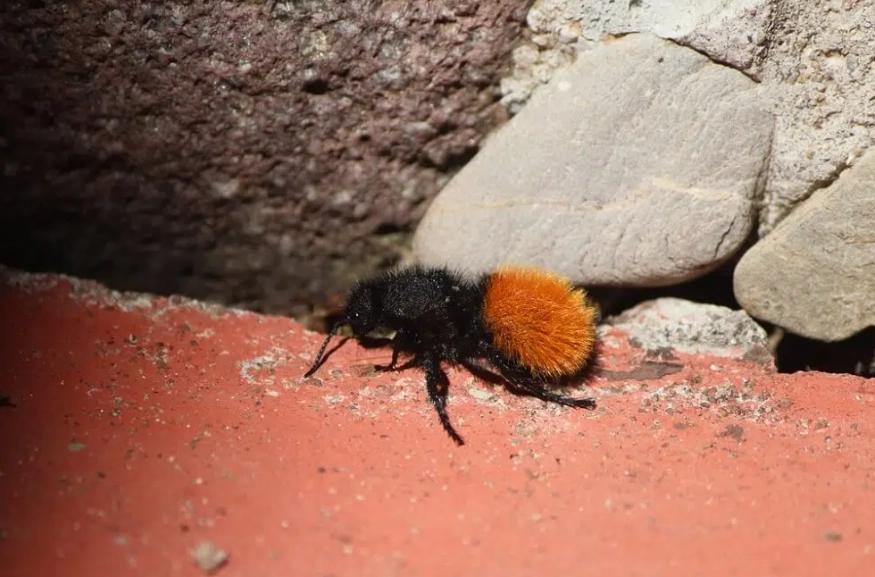
Your Top Questions, Answered
I see just one big red and black ant every few days. Do I have an infestation?
Probably not a major one yet. Solitary foragers are scouts. They're looking for food. If you kill them and they stop appearing, you likely interrupted a nascent trail. The problem starts when you see consistent trails, multiple ants, or workers carrying food (like a dead insect) back to a crack—that indicates an active, feeding colony nearby.
Why do the ants keep coming back even after I spray them?
This is the most common mistake. Spraying a contact insecticide kills the ants you see but does nothing to the hidden nest, including the queen. It may even scatter the colony, causing it to split into more satellite nests (a process called budding). You're treating the symptom, not the disease. The survivors learn to avoid the sprayed area, and new foragers emerge from the nest a day later. Baiting is more effective for colony elimination.
 Are the big black ants with wings the same thing?
Yes, those are the reproductive swarmers. The winged females (queens) are much larger than workers and are often solid black. The males are smaller and may look different. Seeing swarmers indoors, especially near windows, is a red flag that a mature colony is nesting somewhere within your home's structure and is attempting to send out new breeders.
Can I use home remedies like vinegar or cinnamon to get rid of them?
For minor foraging issues, yes, they can disrupt scent trails. Wiping trails with vinegar or placing cinnamon at entry points can deter ants. But these are repellents, not eliminators. They might redirect the ants, not kill the colony. For a true nest problem, home remedies are like using a band-aid on a broken pipe. They might hide the leak for a moment, but the structural damage continues unseen.
When should I absolutely call a professional exterminator?
Call a pro if you: 1) Find frass (sawdust) inside your home, indicating active excavation. 2) See persistent trails or swarmers indoors. 3) Suspect the nest is inside a structural wall, ceiling, or other inaccessible area. 4) Have a recurring problem year after year. A good pro will do a thorough inspection, locate nests, and use professional-grade baits and treatments not available to consumers. Ask them about their IPM approach and guarantees.
Comments