You find one in the sink. Another scurries under the fridge. That distinctive pincer tail is unmistakable – you've got earwigs. Before you panic or reach for the strongest chemical spray you can find, let's get one thing straight: most of what you think you know about these bugs is probably wrong. They don't crawl into ears to lay eggs. They aren't aggressive. And a massive infestation is often a symptom of a different problem entirely. I've dealt with these pincher bugs in my own garden and home for years, and the standard advice online often misses the mark. This guide cuts through the noise, giving you a practical, effective plan to understand, prevent, and control earwigs for good.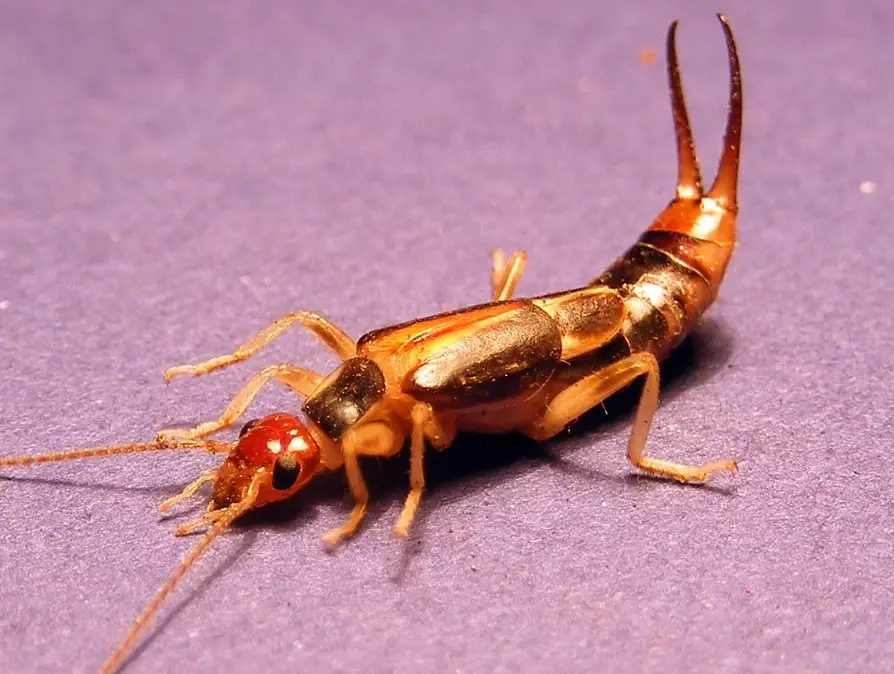
What’s Inside This Earwig Guide?
What Are Earwigs? (And What They Aren't)
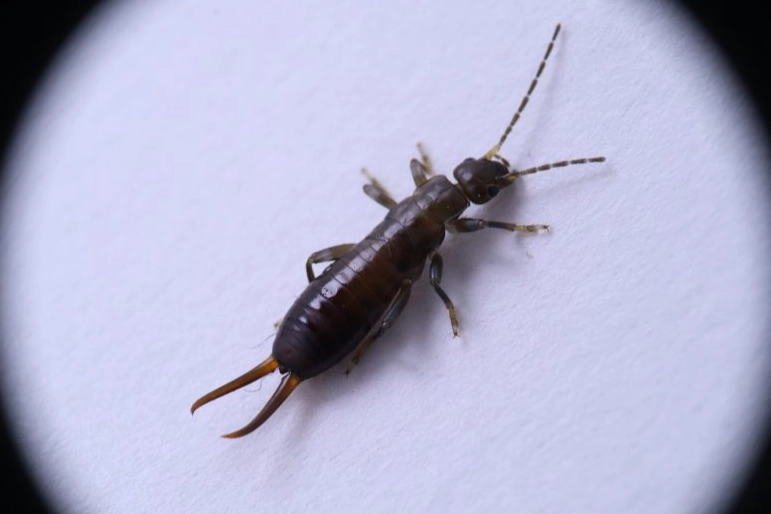
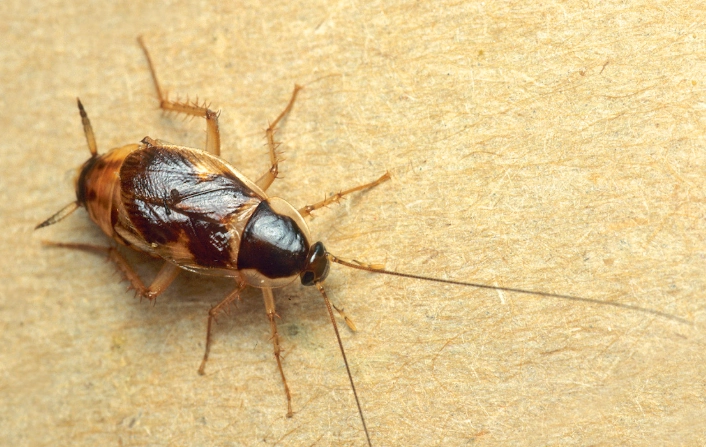
Let's identify the enemy correctly. The common earwig (Forficula auricularia) is a slender, brownish-black insect, usually about ½ to ¾ inch long. The forceps (those pincers) on their abdomen are the dead giveaway. Males have curved pincers, females have straighter ones. They're nocturnal, love moist, tight spaces, and are actually omnivorous scavengers.
Here’s a quick table to separate earwig facts from pervasive fiction:
| Myth | Reality |
|---|---|
| Earwigs crawl into human ears to lay eggs. | Extremely rare, bordering on urban legend. The name likely comes from the Old English "ēarewicga," meaning "ear creature," possibly referring to the shape of the hind wings resembling a human ear. They have zero biological interest in your ear canal. |
| Their pincers are venomous or used to bite. | The pincers (cerci) are used for defense, mating, and folding their delicate wings. They can pinch if handled, but it's mild and rarely breaks skin. No venom is involved. |
| Earwigs are a sign of a dirty house. | Not necessarily. They are primarily outdoor insects seeking shelter. A clean but damp basement or a house with lots of mulch right against the foundation is a bigger attractant than crumbs on the counter. |
I remember a client who was terrified of an "infestation" because she saw a dozen earwigs in her basement over a week. Turns out, her downspout was dumping water right next to the foundation, creating a perfect wet habitat. We fixed the drainage, and the earwig traffic dropped by 90% without a single trap. It's usually an environmental issue.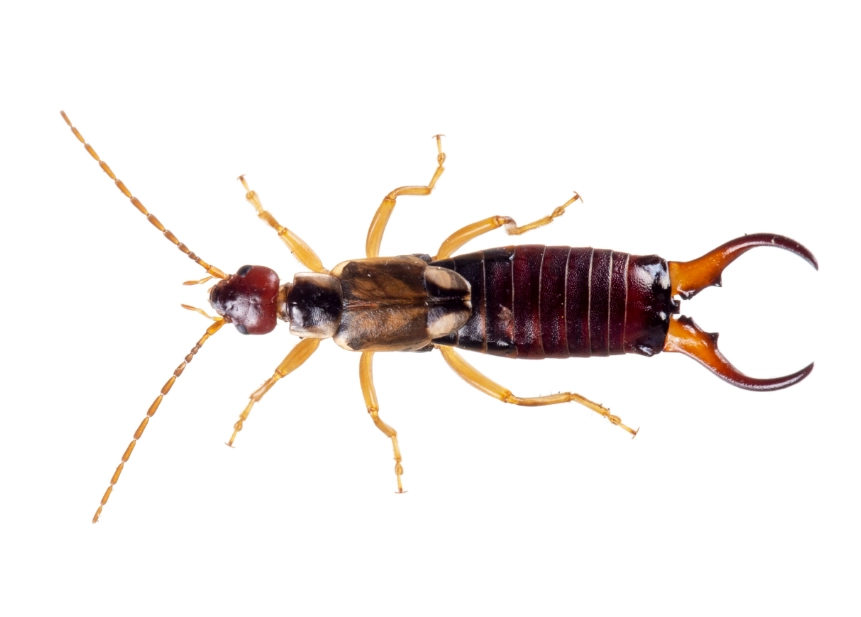
Are Earwigs Dangerous to Humans or Pets?
Short answer: No, not in any meaningful way. Long answer: They're a nuisance, not a threat.
For humans, the worst they can do is give you a slight pinch if you squish one or pick it up. It feels like a mild pinch from a pair of tweezers. They do not seek you out to bite. They are not disease vectors like mosquitoes or ticks.
For pets, the same applies. A curious dog or cat might get pinched on the nose, causing a momentary yelp, but there's no toxicity. The real risk is indirect: if you use chemical pesticides to kill earwigs, those poisons pose a far greater danger to your pets than the insects ever could.
The Bigger Problem: A sudden influx of earwigs indoors is often a distress signal. It usually means conditions outside have become too dry, too wet, or too crowded, forcing them to seek refuge. Instead of just killing the messengers, look for the message. Are you overwatering that garden bed? Is there a pile of rotting wood nearby?
Why Earwigs Enter Your Home and Garden
Earwigs aren't plotting to invade. They follow basic needs: moisture, food, and shelter. Understanding their "why" is 80% of the battle.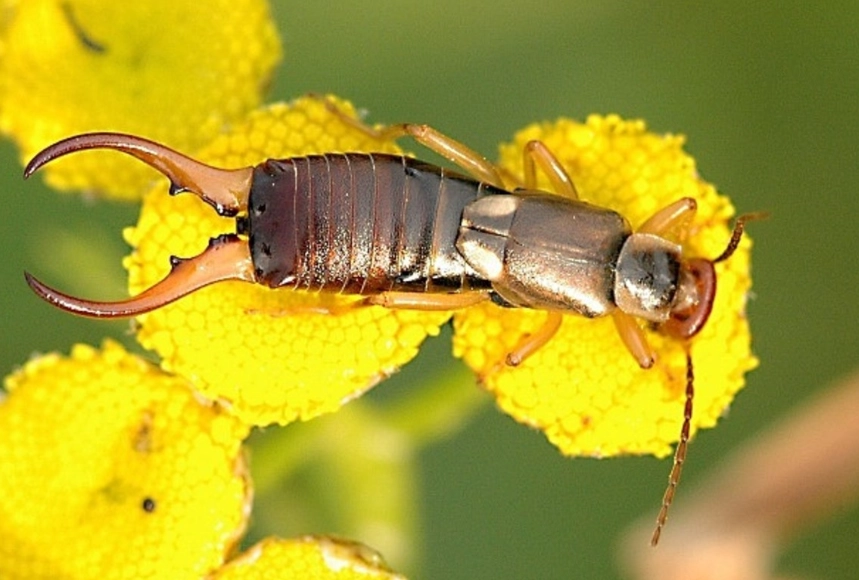
Top Attractants in Your Yard:
- Excessive Mulch: A thick, damp layer of mulch against your foundation is a five-star earwig hotel.
- Leaf Litter & Debris: Unraked leaves, grass clippings, and piles of boards or stones.
- Dense Ground Cover: Ivy, pachysandra, and other thick plants that stay moist at soil level.
- Overwatered Garden Beds: They love the humidity around consistently wet soil.
- Fruit & Plant Damage: While they eat pests like aphids, they'll also nibble on soft fruits (strawberries, apricots) and seedling leaves, especially when populations are high.
How They Get Inside:
They don't chew holes. They crawl through existing gaps. Check these common entry points: gaps under doors, cracks in the foundation, utility line penetrations, unscreened vents, and around basement window wells. On warm summer nights, they might even be attracted to the light from a window or door.
How to Prevent Earwigs: The Proactive Defense
Prevention is cheaper, easier, and safer than elimination. This isn't about making your yard sterile; it's about making it less appealing.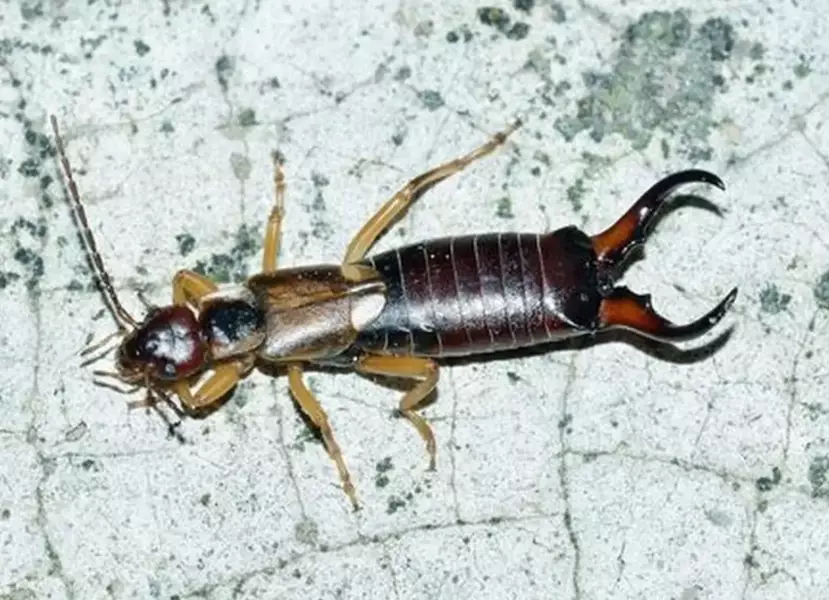
The 18-Inch Rule: Create a dry, clean perimeter around your entire foundation. Keep mulch, soil, plants, and debris at least 18 inches away from your house's siding. This "moisture-free zone" is a simple but incredibly effective barrier.
Landscape Management: Trim back vegetation touching the house. Rake leaves and debris regularly. Use inorganic mulch like gravel near the foundation, or keep organic mulch thin and fluffed up. Ensure your gutters and downspouts direct water at least 5 feet away from the foundation.
Home Fortification: Seal cracks in the foundation with caulk. Install door sweeps on exterior doors. Repair torn window screens. Use a sealant around utility pipes and wires where they enter the house. Make sure basement window wells are clean and have proper covers.
Moisture Control: This is critical. Fix leaky outdoor faucets. Use a dehumidifier in damp basements and crawl spaces. Ensure your yard has proper grading so water flows away from the house. Avoid overwatering plants right next to your home.
How to Get Rid of Earwigs: A Step-by-Step Guide
If they're already inside, don't panic. Follow this escalating strategy. Start gentle, get more targeted if needed.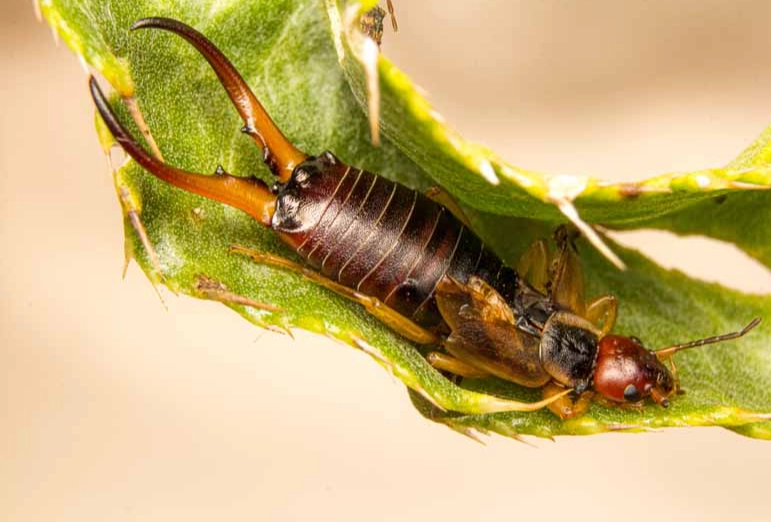
Step 1: Physical Removal and Trapping
This is your first and best line of defense indoors. Vacuum them up. It's immediate and chemical-free. For trapping, the classic DIY method works wonders: roll up a damp newspaper or place a short piece of old garden hose in the problem area overnight. In the morning, shake the trapped earwigs into a bucket of soapy water.
My favorite low-effort trap is a shallow container (like a tuna can) sunk into the soil near plantings. Fill it with ½ inch of vegetable oil with a dash of soy sauce. They're attracted, fall in, and drown. Check and refresh weekly.
Step 2: Targeted Outdoor Barrier Treatments
If trapping isn't enough, create a protective barrier around your home. You want a product labeled for earwigs and crawling insects. Apply it as a narrow band on the foundation, under siding, and around door thresholds—places where they crawl, not where they live. Avoid broadcast spraying your entire lawn; it's wasteful and harms beneficial insects.
Common active ingredients include bifenthrin, cyfluthrin, or deltamethrin. Always follow the label to the letter. Apply in the early evening when earwigs become active.
Step 3: Addressing Severe Outdoor Populations
For heavy infestations in specific garden areas, you might need a granular bait. These are scattered in damp, hidden areas where earwigs forage. The earwigs eat the bait and share it with others in their hiding spots. It's more targeted than a spray. Products containing indoxacarb can be effective.
A crucial mistake I see: People spray insecticides directly into mulch or leaf piles. This often just flushes the earwigs out, scattering them and sometimes driving them indoors. Treat the perimeter, not the habitat.
When to Call a Professional
If you've done the prevention and targeted control and still face overwhelming numbers, or if you're not comfortable using pesticides, call a pro. A good pest control company will do an inspection, identify the core attractants (they'll spot the faulty downspout you missed), and apply treatments strategically. Ask them about their IPM (Integrated Pest Management) approach—it should focus on sealing and habitat modification, not just chemical applications.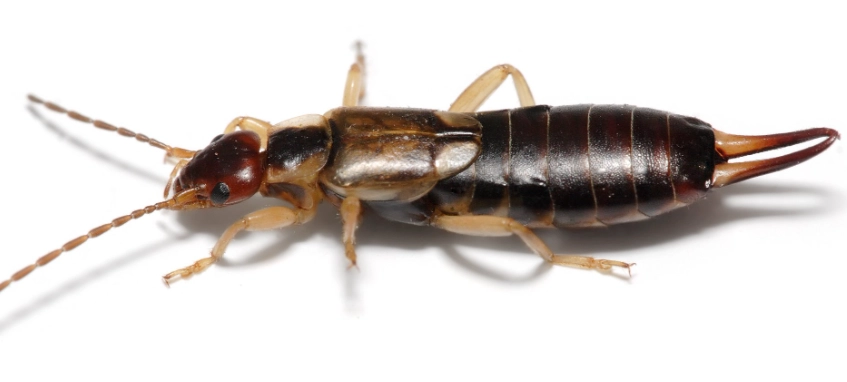
Your Top Earwig Questions Answered
 What's the one mistake most people make when trying to control earwigs?
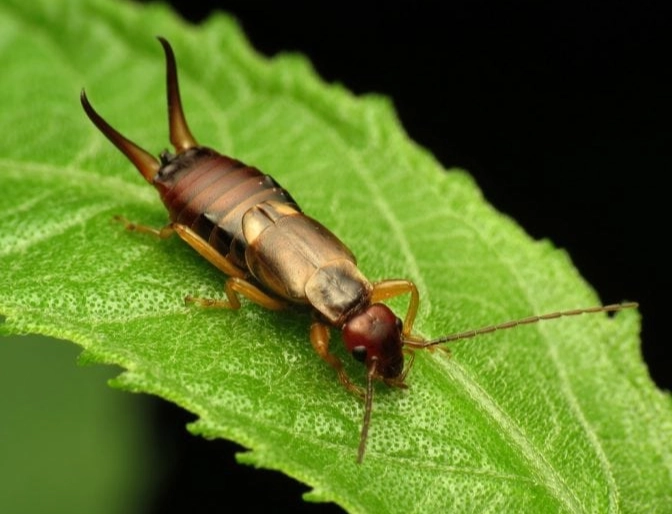 Earwigs look intimidating, but they're mostly harmless hitchhikers responding to their environment. The key isn't warfare with chemicals; it's smart home and garden management. Dry out their habitats, seal up their entry points, and use simple traps for the stragglers. By understanding what drives them, you can solve the problem at its root and enjoy your home and garden with one less thing to worry about.

Comments