Let's talk about the black house spider. You've probably seen its messy web in a window corner or behind a picture frame. It's a common Australian resident, but its bite has built a reputation that's often worse than reality. I've been in pest management for over a decade, and I can tell you most of the panic around a black house spider bite is unnecessary. But that doesn't mean you should ignore it. Knowing what to expect and what to do is crucial. This guide will cut through the myths and give you the straight facts on symptoms, treatment, and how to prevent an encounter in the first place.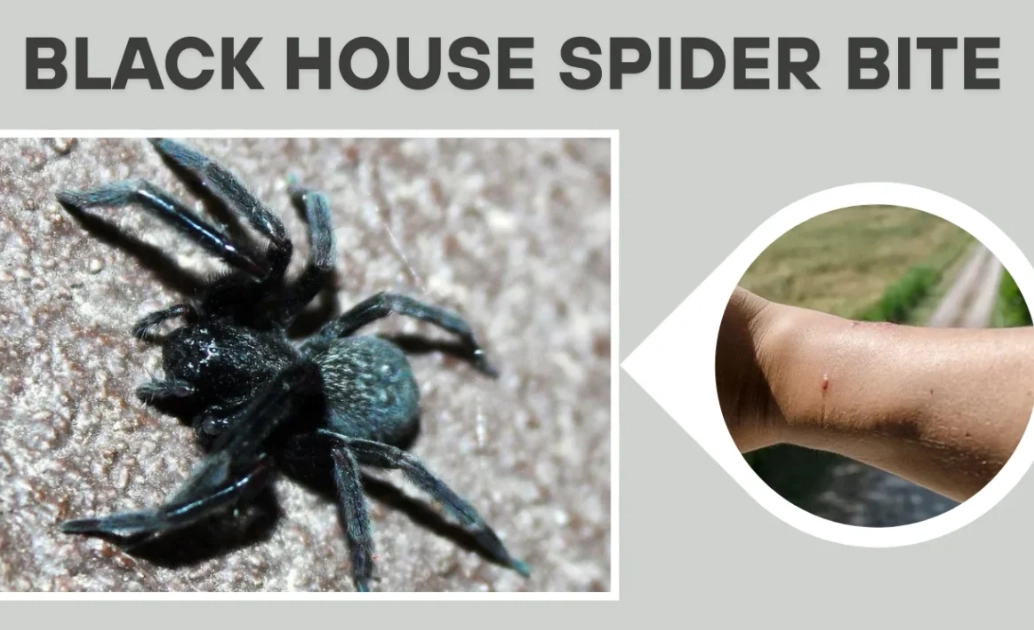
Your Quick Guide to Black House Spider Bites
Meet the Spider: Badumna insignis
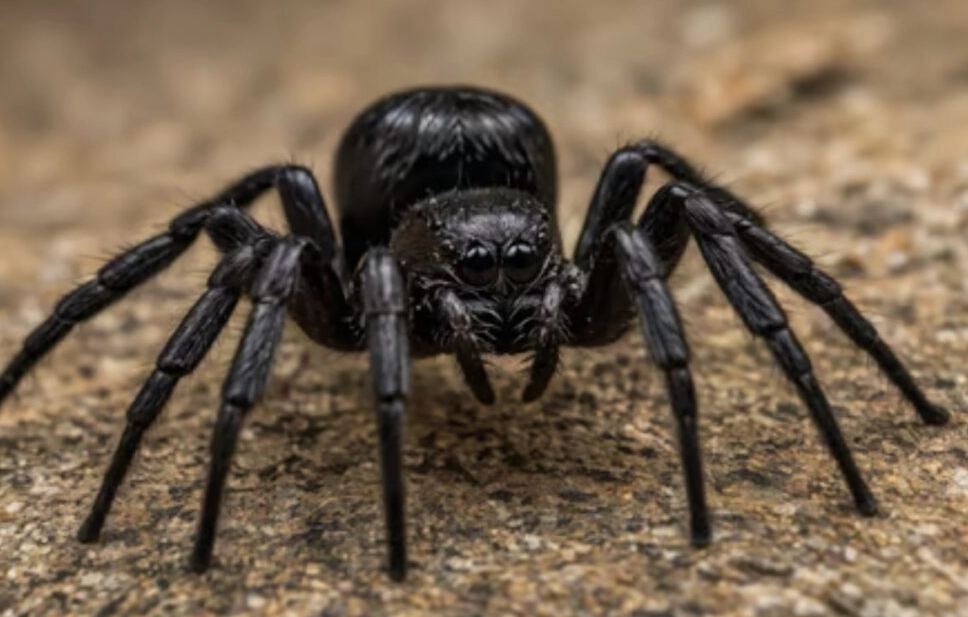
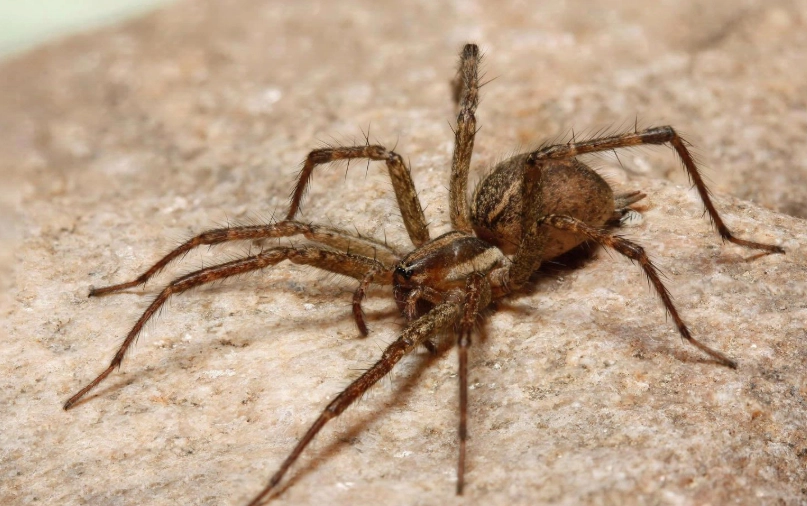
First, let's identify the culprit. The black house spider (Badumna insignis) is dark charcoal to black, with a somewhat velvety appearance. Females are about the size of a 10-cent coin (18mm body), while males are smaller and lankier. They're not aggressive hunters. They're sedentary web-builders, preferring to stay in their messy, funnel-shaped webs and wait for dinner to fly in. You'll find them in dry, sheltered spots: window frames, eaves, under furniture, in sheds, and sometimes in letterboxes.
They bite only in self-defense. Think about it: you're reaching into a cluttered garage corner to grab a tool and accidentally press on one. Or you're putting on gardening gloves that have been sitting in the shed. That's the typical scenario. They aren't out to get you.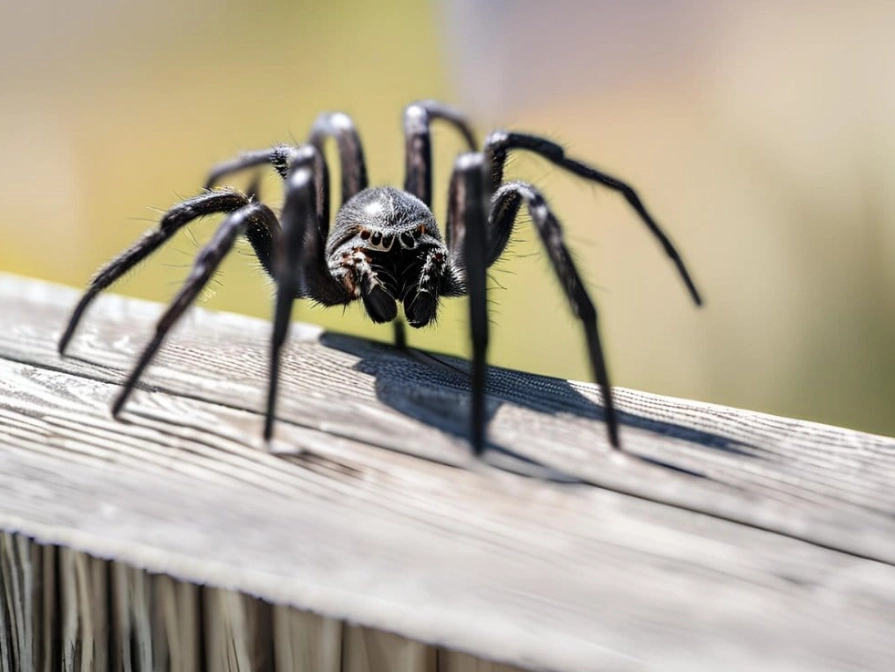
What a Black House Spider Bite Actually Feels Like
Here's where experience matters. The bite itself is often compared to a sharp pinprick or a bee sting. It's noticeable. The real effects come minutes to an hour later. The venom contains compounds that cause localized tissue damage and inflammation.
Local Symptoms (The Usual Suspects)
Around the bite site, you can expect a combination of the following. Not everyone gets all of them, but it's good to know the range.
- Immediate Pain & Redness: The area will hurt and turn red, often forming a noticeable weal or raised bump.
- Swelling: This can be significant, spreading several centimeters from the bite. A bite on a finger can make the whole finger swell up.
- Itching & Numbness: Intense itching is very common, sometimes accompanied by a feeling of numbness or tingling around the bite.
- Possible Ulceration: This is the part that worries people. In some cases, the bite area can develop a blister or a small, slow-healing ulcer (an open sore) as the local tissue reacts to the venom. This is not an infection at this stage—it's a direct chemical effect.
Systemic Symptoms (Less Common, More Serious)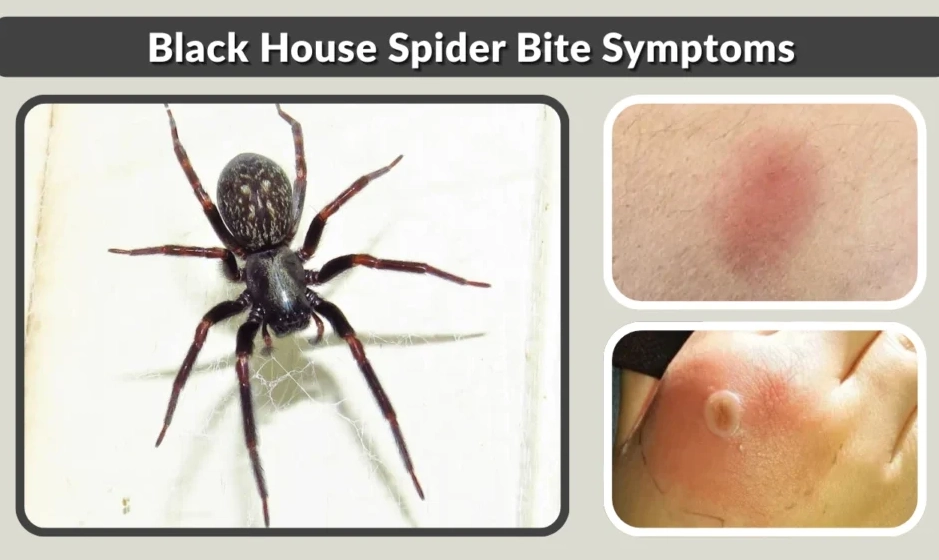
These are signs your body is having a broader reaction. They are not typical but require closer attention.
- Nausea or feeling generally unwell
- Headache
- Sweating
- Muscle pain or cramping
- Vomiting (rare)
Let me give you a timeline from a real case I advised on. A friend was bitten on the ankle while gardening.
Minute 1: Sharp sting, like a thorn. Saw the spider scurry away.
30 Minutes Later: Red, swollen patch about the size of a 50-cent coin. Painful to touch.
2 Hours Later: Swelling increased, ankle felt stiff. Intense itching started.
Next Day: Swelling peaked. A small, clear blister formed in the center.
Day 3-4: Blister broke, leaving a small, tender ulcer.
2 Weeks Later: Ulcer fully healed with minimal scarring.
This progression is classic. The ulcer looks scary but usually heals fine with basic care.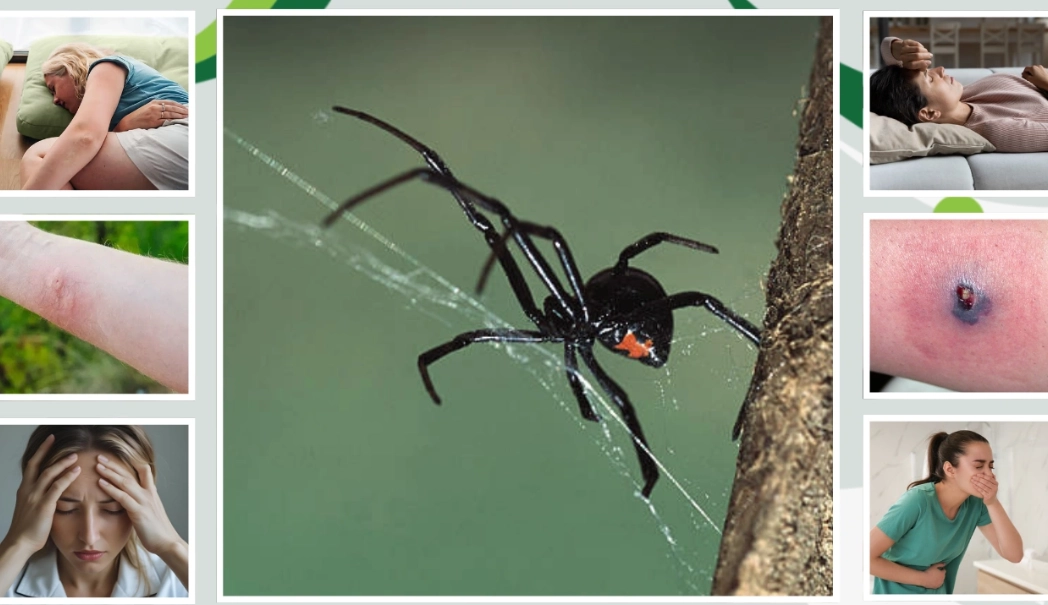
Step-by-Step First Aid for a Black House Spider Bite
Stay calm. Panic doesn't help. Follow these steps in order.
- Clean the Area. Use soap and running water. This reduces the risk of a secondary bacterial infection, which is a more common problem than the venom itself.
- Apply a Cold Pack. Wrap an ice pack or cold compress in a cloth and apply it to the bite for 15 minutes at a time, with 15-minute breaks. Do this for the first few hours. This reduces pain, swelling, and slows the spread of venom.
- Elevate the Limb. If bitten on an arm or leg, keep it raised above heart level if possible. This uses gravity to reduce swelling.
- Manage Pain and Itch. For pain, paracetamol is a good choice. For itching and inflammation, an antihistamine (like those for hayfever) can help. A pharmacist can recommend a suitable one.
- Leave the Blister Alone. If a blister forms, do not pop it. The skin over it is a natural bandage. Popping it increases infection risk and slows healing.
When to See a Doctor: The Red Flags
Most bites can be managed at home. But you need to know when to seek professional help. Don't wait if you see these signs.
| Symptom | What It Means & What to Do |
|---|---|
| Signs of Infection | The bite area becomes increasingly red, hot, swollen, and painful after the first 24-48 hours. You might see pus or red streaks spreading from the wound. This needs antibiotics. |
| Severe Systemic Symptoms | You experience persistent vomiting, severe headache, muscle spasms, or difficulty breathing. This indicates a significant reaction. |
| Rapidly Spreading Swelling | The swelling continues to spread rapidly up the limb beyond the initial area. |
| Bite on Sensitive Area | The bite is on the face, especially near the eyes, or on a young child. Better to get it checked. |
| Ulcer Not Healing | The ulcer from the bite is not showing signs of improvement after a week, or is getting larger. |
| Uncertain Spider ID | You didn't see the spider clearly and are worried it could be something more dangerous (like a funnel-web in eastern states). If in doubt, call the Poisons Information Centre (13 11 26 in Australia) or see a doctor. |
Prevention is Everything: Keeping Spiders Out
As a pest controller, I always say prevention is 90% of the job. Making your home less inviting is the best long-term strategy.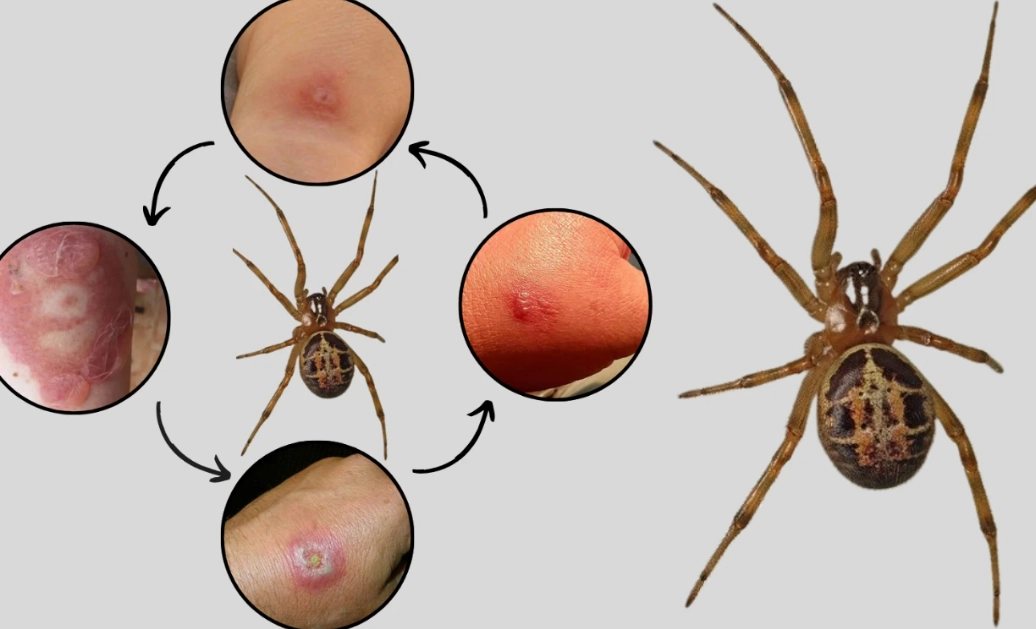
Seal the Entry Points: Check windows, doors, vents, and weep holes in brickwork. Use weather stripping, door sweeps, and fine mesh screens. A gap under the door is a welcome mat for spiders and their insect prey.
Reduce Clutter & Hiding Spots: Spiders love undisturbed areas. Declutter garages, sheds, and cupboards. Store items in sealed plastic tubs instead of cardboard boxes. Keep vegetation trimmed back from the exterior walls of your house.
Change Your Outdoor Lighting: White lights attract flying insects, which in turn attract spiders. Consider switching porch lights to yellow or sodium vapour bulbs, which are less attractive to insects.
Regular Web Removal: Regularly sweep away webs from corners, eaves, and windows. This discourages spiders from setting up long-term residence. Use a long-handled brush or vacuum cleaner attachment.
Be Cautious with Outdoor Items: Always shake out gardening gloves, boots, and towels that have been stored outside before using them. Check children's outdoor toys like playhouses or cubbies.
3 Common Mistakes People Make (And How to Avoid Them)
After years of call-outs, I see the same errors repeatedly. Avoid these to handle the situation better.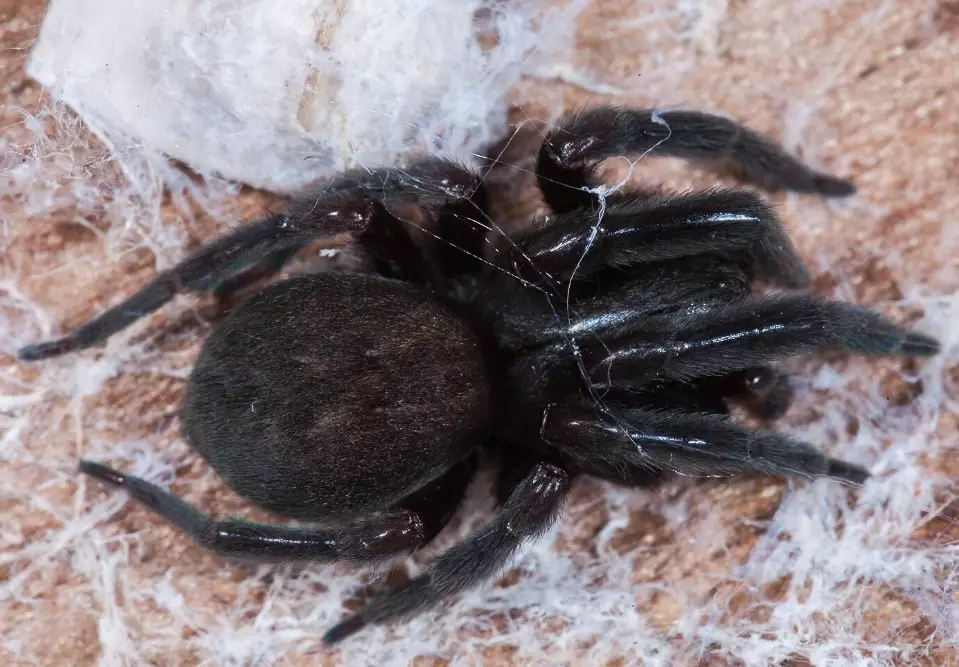
Mistake 1: Assuming the Worst-Case Spider. People often mistake a black house spider for a funnel-web, especially in states where both exist. Funnel-webs are glossy, have a different body shape (more robust), and live in burrows with a distinct silk trip-lines, not messy house webs. Panicking and applying a pressure bandage for a black house spider bite can do more harm than good. Take a breath and try to recall what you saw.
Mistake 2: Focusing on the Spider, Not the Wound. The instinct is to find and kill the spider for ID. While helpful, your first priority is first aid for the person bitten. Clean the wound, apply cold, manage symptoms. The spider can wait. If you can safely catch it (in a jar) for identification, great. If not, don't risk another bite.
Mistake 3: Using Ineffective or Dangerous "Remedies." I've heard it all: rubbing raw meat on it, applying bleach, using electric zappers. These are useless and can cause chemical burns or serious infections. Stick to the basic first aid principles: clean, cold, elevate, and appropriate medication. Science beats folklore every time.
Your Questions Answered
 I have a black house spider living in my window. Should I kill it?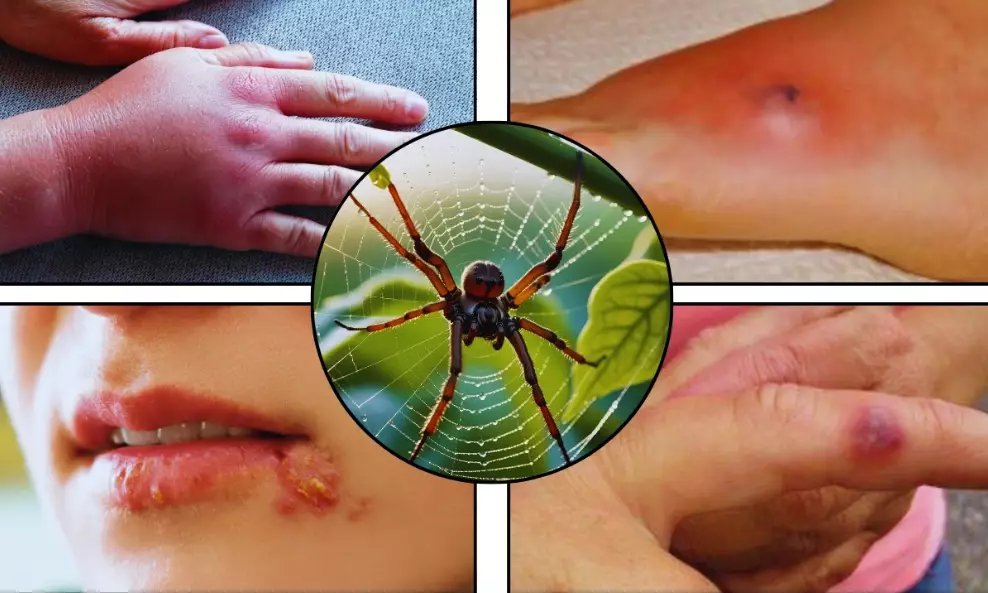


Comments