You spot a tiny black ant trailing across your counter. A week later, you open a bag of flour and see minute beetles scurrying away from the light. Kitchen insects. They're more than a nuisance; they feel like a violation of your home's sanctity. I've been there. The frustration is real, but here's the good news: regaining control is entirely possible, and it doesn't require turning your kitchen into a chemical warzone. This guide cuts through the noise, giving you a clear, step-by-step plan based on identification, intelligent prevention, and targeted elimination.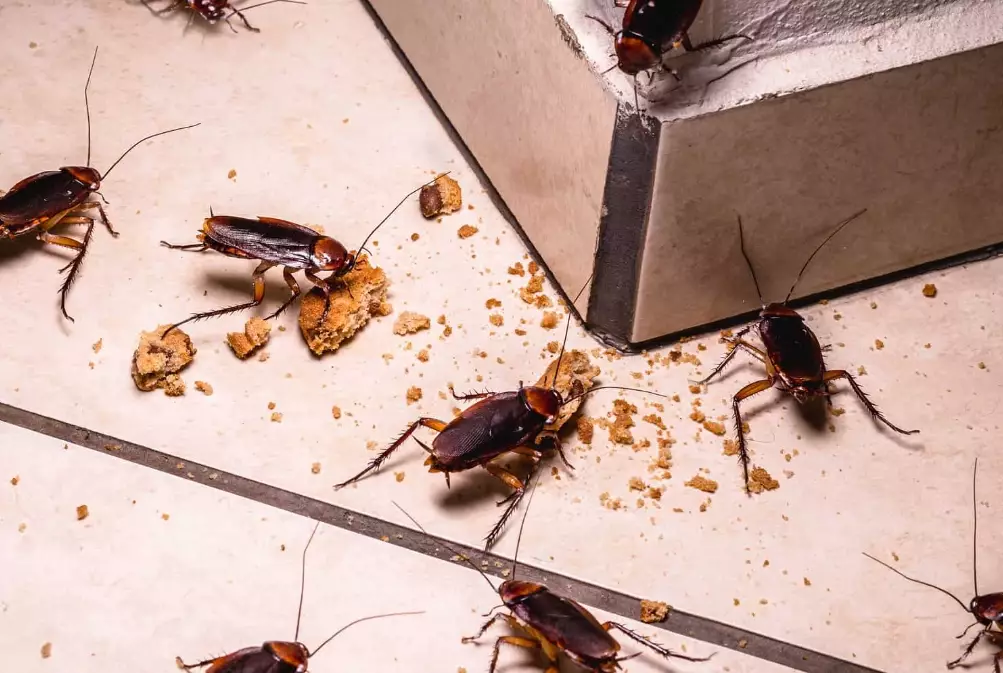
In This Guide: Your Action Plan
Identifying Common Kitchen Insects: Know Your Enemy
You can't fight what you don't know. Throwing generic spray at every bug is like using a sledgehammer to crack a nut—messy and often ineffective. Different insects require different tactics. Let's break down the usual suspects.
The Pantry Raiders (Stored Product Pests)
These bugs don't come from the drain; they come from your groceries. You likely brought them home. The most common are Indianmeal moths, sawtoothed grain beetles, and flour beetles. The telltale sign? You'll find them in dry goods: flour, cereal, pasta, rice, pet food, spices, and even chocolate.
Indianmeal moths are the ones that flutter weakly when you disturb an infested bag. Look for silky webbing in the corners of packages or lids. Sawtoothed grain beetles are tiny, flat, brown beetles that can squeeze into nearly sealed packaging. Flour beetles are reddish-brown and often found—you guessed it—in flour.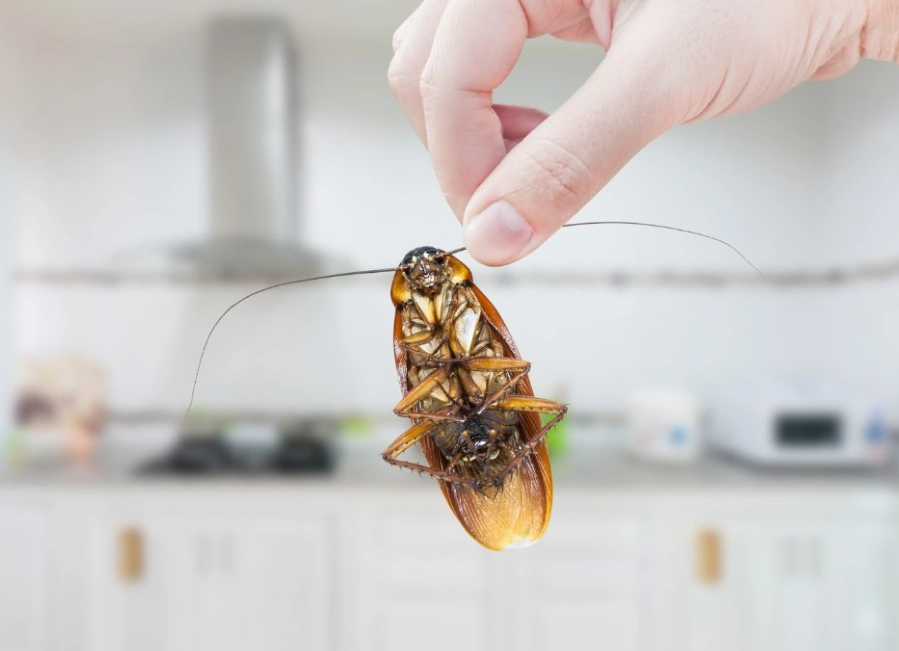
Here’s a quick reference table to help you spot the difference:
| Insect | What It Looks Like | Favorite Foods | Key Sign of Infestation |
|---|---|---|---|
| Indianmeal Moth | Small moth (wingspan ~3/4 inch) with copper-colored tips on front wings. | Cereal, grains, nuts, dried fruit, pet food. | Silken webbing inside packages, larvae (caterpillars) in food. |
| Sawtoothed Grain Beetle | Tiny (1/10 inch), flat, brown beetle with saw-like projections on its thorax. | Cereal, pasta, crackers, dried goods. | Live or dead beetles in food, often near the seam of a package. |
| Flour Beetle | Small (1/8 inch), reddish-brown, oval beetle. | Flour, cake mixes, grain products. | Fine, powdery frass (insect waste) in flour, giving it a greyish tint. |
| Ants (e.g., Odorous House Ant) | Small (1/8 inch), dark brown to black ants. | Sugars, syrups, grease, meats. | Visible trails of workers, often along edges or counter seams. |
| Cockroach (German) | Light brown with two dark stripes behind the head, about 1/2 inch long. | Anything organic, especially grease and crumbs. | Small, dark droppings resembling coffee grounds, egg cases. |
The Opportunistic Foragers: Ants and Cockroaches
These guys are coming in from outside or from hidden nests within your walls. They're after the same food you are. A line of tiny ants is the most obvious sign. German cockroaches are more secretive; you might only see one scuttle away when you turn on the light at night. That's a major red flag—for every one you see, there are likely dozens hidden.
A mistake I see often? People spray the visible ants and call it a day. That does nothing to the colony. The queen, safe in her nest, just sends out more workers.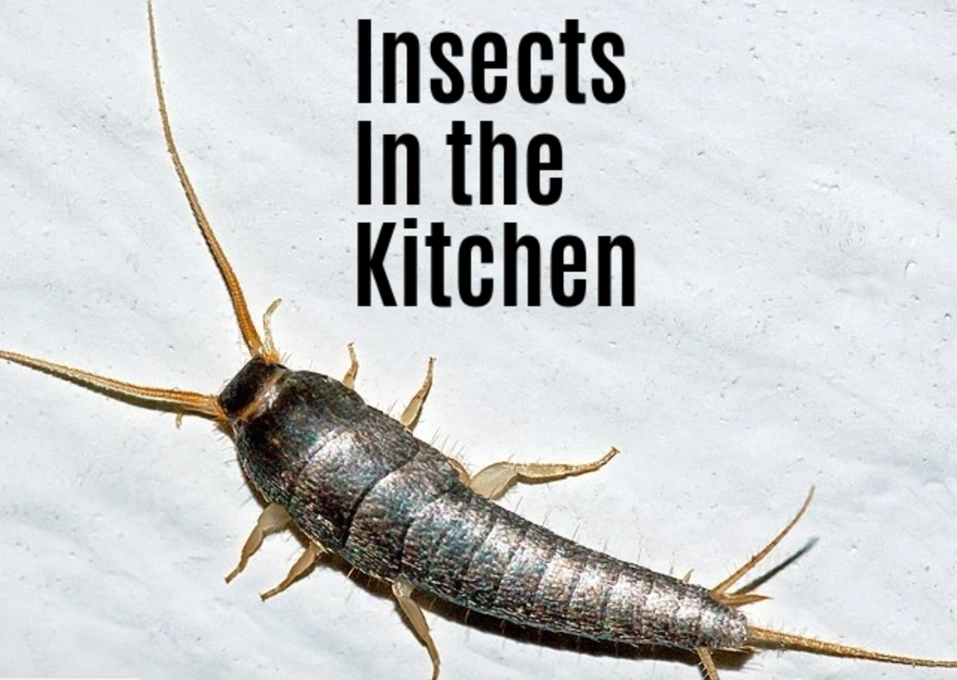
What Attracts Kitchen Insects? (It's Not Just Your Cooking)
Insects are basic. They want food, water, and shelter. Your kitchen is a five-star resort offering all three. Let's be specific.
Food sources aren't just crumbs on the floor. It's the sticky residue on a honey jar's lid. The grease splatter behind the stove that hasn't been wiped in a month. The dog food bowl left out overnight. The almost-empty cereal box folded shut but not sealed. Pantry pests are attracted to the grains themselves; ants and roaches go for the sugars, fats, and proteins.
Water is a huge draw. A leaky faucet, condensation under the fridge, a damp dishcloth, or even water in the bottom of a potted herb on the windowsill can be a watering hole.
Shelter and entry points are your home's architecture working against you. Gaps around pipes under the sink. Cracks in the foundation or exterior walls. Torn window screens. Vents without proper covers. These are like open doors with a welcome mat.
How to Prevent Kitchen Insects from Entering: The Long-Game Strategy
Prevention is 90% of the battle. It's less about products and more about habits and home maintenance. This is the boring but crucial work.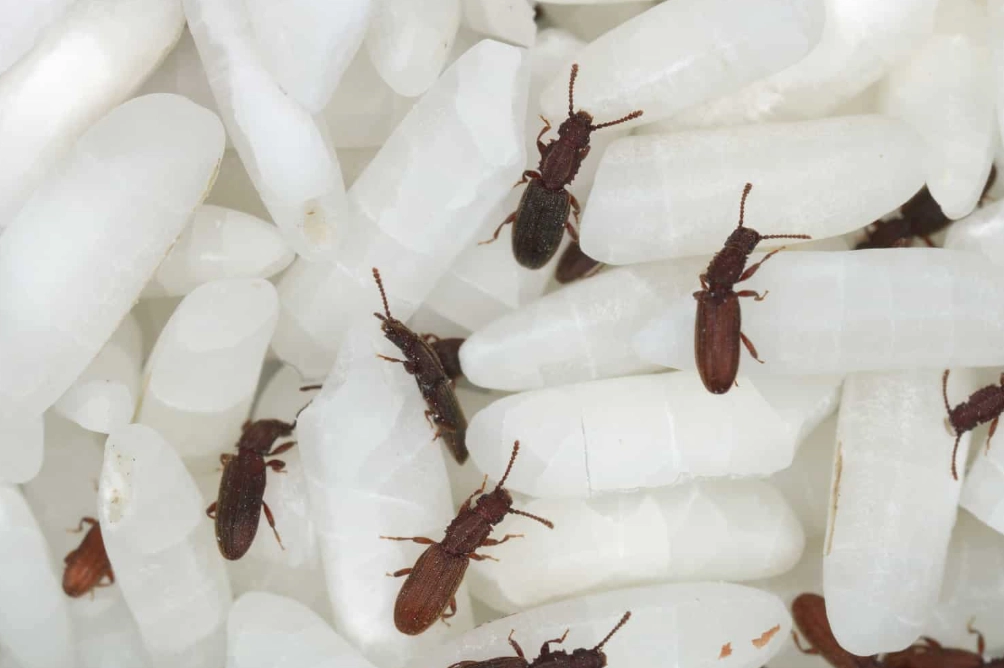
- Starve Them Out. This is non-negotiable. Store all dry goods in airtight, hard-plastic or glass containers. Not just the open bags. Transfer cereal, flour, sugar, pasta, pet food—everything. I use large mason jars and containers with locking lids. It looks neat and is impenetrable. Wipe down counters and tables every single night. Don't leave dirty dishes in the sink. Take the trash out regularly, and use a bin with a tight-fitting lid.
- Deny Them Water. Fix that drip. Wipe down sinks and taps before bed. Don't overwater indoor plants. Check for moisture under appliances.
- Seal Them Out. This is a weekend project that pays off forever. Get a tube of silicone caulk and go to town. Seal gaps around pipes, cables, and vents where they enter your home. Install door sweeps on exterior doors. Repair torn screens. The University of California's Statewide Integrated Pest Management Program has excellent, detailed guides on exclusion techniques for different pests.
- Inspect Incoming Groceries. Before you put new bags of flour or boxes of cereal away, give them a quick look. Check for tiny holes, tears, or any signs of movement. This is how pantry pests get a foothold.
It sounds simple, but consistency is key. A clean, dry, sealed kitchen is an uninviting kitchen for pests.
How Do I Get Rid of an Active Infestation?
Okay, you've got bugs. Now what? First, don't panic. Second, identify which bug it is (see above). Your strategy depends entirely on that.
For Pantry Pests (Moths, Beetles): The Clean-Out Protocol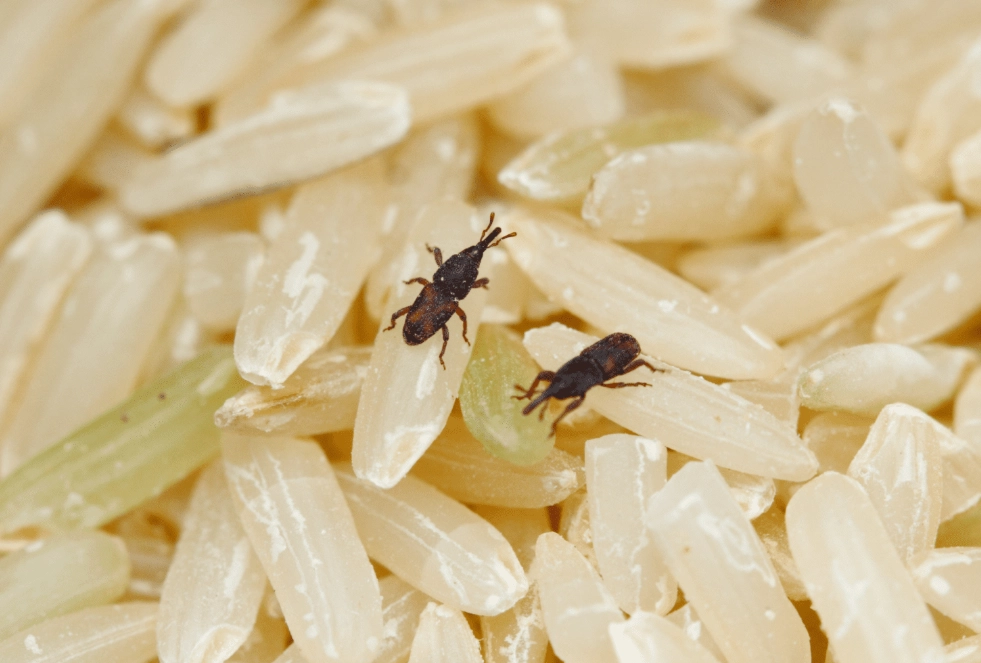
This is a full reset. You need to be ruthless.
Empty every single cupboard, shelf, and drawer where food is stored. Vacuum every crack and crevice thoroughly—shelves, corners, the tracks of drawers. Wipe everything down with soapy water, then a vinegar solution (it helps break down pheromone trails).
Now, the hard part: inspecting all your food. You must assume any open package is contaminated, even if you don't see bugs. Throw away any infested food in a sealed bag in an outdoor trash bin immediately. Don't just toss it in your kitchen can.
For unopened packages, wipe them down. If you're unsure about a sealed box, you can freeze it for at least four days to kill any eggs or larvae, as recommended by the EPA for non-chemical control. Once your pantry is bare and clean, only return food stored in your new airtight containers.
For Ants: The Bait-and-Wait Tactic
Sprays are for instant gratification, not solutions. They kill the workers you see but scatter the colony, making the problem worse. You need bait.
Ant baits work because the workers take the poisoned food (which is slow-acting) back to the nest and share it, eventually killing the queen and the colony. Place commercial gel baits (like Terro liquid baits) along ant trails you've observed. Don't kill the ants going to and from the bait—let them do their job.
If you see a trail but can't find where they're entering, follow them. It might be a tiny crack behind the fridge. Once you find it, seal it after the infestation is gone.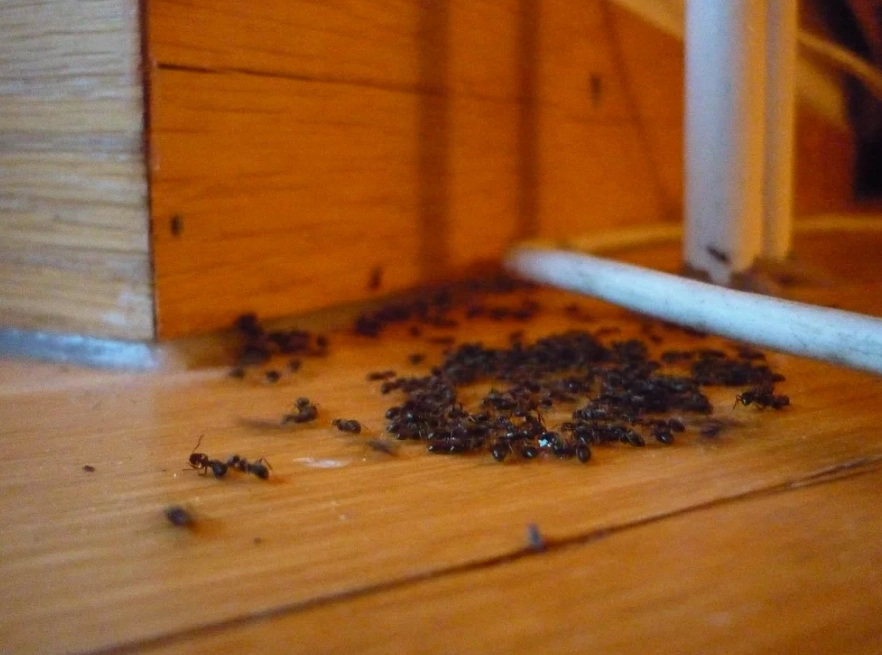
For Severe or Persistent Infestations (Cockroaches, Large Ant Colonies)
Sometimes, the problem is bigger than DIY. If you have a major cockroach issue or an ant nest inside your walls, it's time to call a professional. Look for a licensed pest control operator (PCO) who uses Integrated Pest Management (IPM) strategies. This means they focus on inspection, prevention, and targeted treatments over blanket spraying. They have access to professional-grade baits and growth regulators that are far more effective than store-bought options.
It's an investment, but for a serious problem, it's the fastest and most reliable path to peace of mind.
Your Kitchen Insect Questions Answered
Are pantry beetles harmful if accidentally eaten?
While unsettling, most pantry beetles aren't directly toxic. The real risk is from the mold and bacteria that can grow on the contaminated food, or from the insect fragments and waste themselves, which can trigger allergic reactions in some people. If you've consumed some, you're likely fine, but discard the rest of the product immediately.
I keep a clean kitchen but still get ants. What am I missing?
You're probably missing their entry point or an alternate water source. Ants can travel far for food. Check outside your home for nests near the foundation. Look for aphids on plants (they produce honeydew ants love). Inside, check for condensation lines, pet water bowls, or even a damp sponge. The trail might start somewhere you haven't considered, like a bathroom or laundry room connected to the kitchen.
 Do ultrasonic pest repellers work for kitchen insects?
The consensus from entomologists and regulatory bodies like the Federal Trade Commission is that there's no reliable scientific evidence to support their effectiveness for common household pests like ants or cockroaches. Save your money. The funds are better spent on quality airtight containers and a tube of caulk.
What's the one thing I should buy first to prevent kitchen bugs?
A set of airtight food storage containers. It's the single most effective physical barrier against pantry pests and helps keep ants and roaches from finding a food source. Start with containers for flour, sugar, and cereal—the most common targets.
I found bugs in my flour but the bag was sealed. How?
The eggs were likely already inside when you bought it. Infestation can occur at any point in the supply chain: at the farm, in storage silos, or at the packaging facility. The eggs are microscopic. They hatched in the perfect environment of your warm, dark pantry. This is why inspecting dry goods and using airtight containers after opening is critical, even for "sealed" packages.
Comments