You're in the kitchen, and a big, dark ant with a reddish tint scurries across the counter. Or maybe you're in the garden and notice a trail of robust, red and black ants marching purposefully. Your first thought is probably a mix of curiosity and concern. Are these the infamous carpenter ants chewing through my house frame? Could they be fire ants with a nasty sting? The term "big red and black ant" isn't scientific—it's a description people use for several common ant species that share this color pattern. Getting it wrong means using the wrong control method, wasting time and money. This guide cuts through the confusion. We'll show you exactly how to tell them apart, what they want in your space, and the most effective, sensible ways to handle them.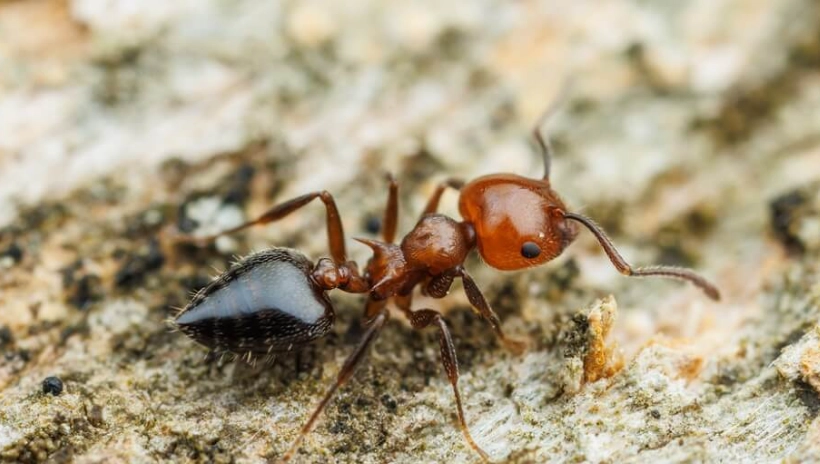
What You'll Find in This Guide
How to Identify Big Red and Black Ants?
Color alone is a terrible identifier. I've seen seasoned homeowners mistake a completely harmless species for a major threat because they only looked at the color. The real clues are in the shape, behavior, and finer details. Grab a magnifying glass if you can.
Key Features to Look For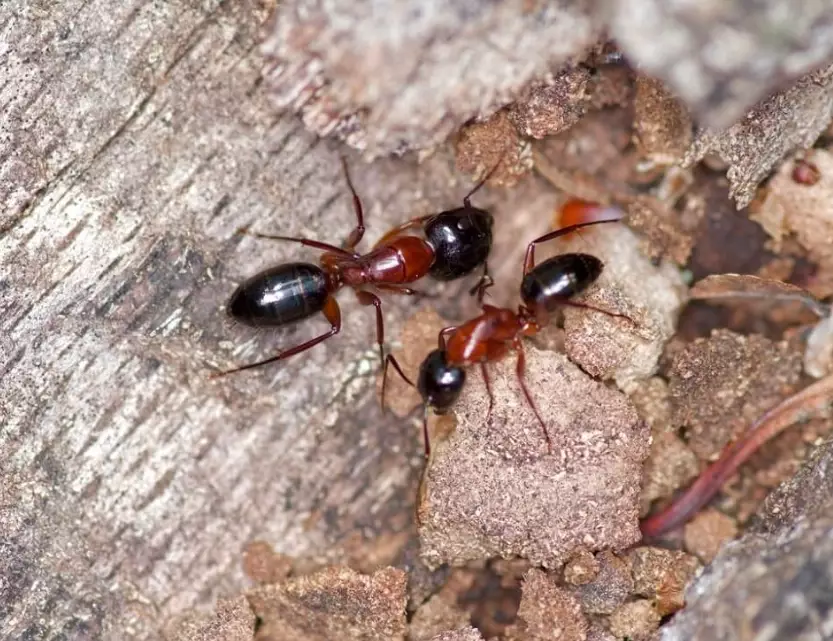
Body Segments: All ants have three clear body parts: head, thorax (middle), and abdomen (rear). The connection between the thorax and abdomen is critical. Is it a single, bump-like node (one-segmented petiole) or two distinct bumps (two-segmented)?
Thorax Profile: Look at the top of the thorax from the side. Is it evenly rounded, or does it have an uneven, almost bumpy appearance?
Antennae: Are they bent like an elbow, or more straight?
Size & Workers: Do you see only one size of worker ant, or are there major size differences among workers in the same trail?
Common Culprits: A Side-by-Side Comparison
Here’s a breakdown of the most likely ants fitting the "big red and black" description. This table is your first filter.
| Ant Species | Primary Colors | Size (Worker) | Key Identifying Feature | Typical Habitat |
|---|---|---|---|---|
| Carpenter Ant (Camponotus spp.) | Black body, often with a reddish-brown thorax (middle section). Some species are entirely black. | Large, 1/4 to 1/2 inch. Workers vary in size. | Single, rounded node between thorax and abdomen. Thorax profile is evenly rounded. | Moist, decaying wood. Hollow trees, wall voids, insulation, behind siding. |
| Red Imported Fire Ant (Solenopsis invicta) | Reddish-brown to dark red, with a darker, almost black abdomen. | Small to medium, 1/8 to 1/4 inch. Workers are similar in size. | Two distinct nodes between thorax and abdomen. Aggressive, sting painfully. | Sunny, open areas. Build large, loose soil mounds in lawns, fields. |
| Velvety Tree Ant (Liometopum occidentale) | Distinct black abdomen and head, with a rusty red-orange thorax. | Medium, about 1/4 inch. | Single node. Emits a strong, blue cheese-like odor when crushed. | Trees, stumps, woodpiles. Sometimes enter homes foraging for sweets/protein. |
| Field Ant (Formica spp.) | Variable: black with red legs/thorax, or fully red and black. | Medium, 1/4 to 3/8 inch. | Single node, but thorax has an uneven, bumpy profile when viewed from the side. | Outdoors only. Build mounds in soil, under stones, in lawns. Rarely enter homes. |
See the problem? A carpenter ant and a field ant can look similar at a glance, but one wants to nest in your damp window frame, and the other just wants to farm aphids in your rose bushes. Misidentification leads to misapplication.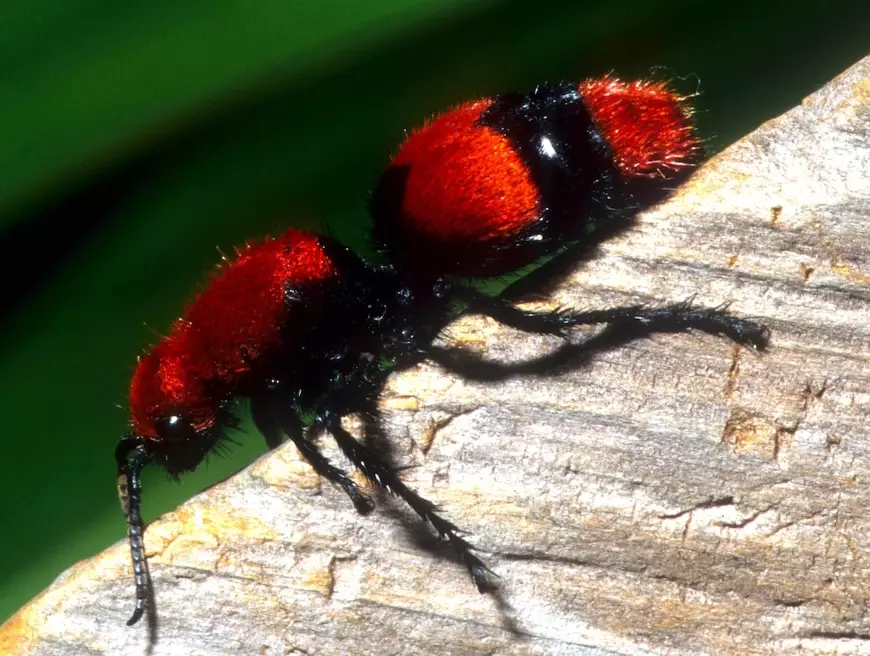
Are Big Red and Black Ants Dangerous?
It depends entirely on who they are. Let's break down the risk.
Carpenter Ants: They don't eat wood; they excavate it to build galleries for their nests. Think of them as contractors with tiny jackhammers. This structural damage is their primary threat. A large, established colony over years can compromise the integrity of a beam or joist. The cost of repair dwarfs the cost of early intervention. They also forage for food indoors, which is a nuisance.
Red Imported Fire Ants: The danger here is direct and personal. They are aggressively territorial and sting repeatedly. Their venom causes painful, itchy white pustules that can become infected if scratched. For a small percentage of people, a sting can trigger a severe, life-threatening allergic reaction (anaphylaxis). Their mounds also damage lawn equipment and can make yards unusable.
Velvety Tree Ants & Field Ants: These are primarily nuisance pests. Velvety tree ants might enter homes foraging, especially for protein like pet food. The smell when crushed is unpleasant. Field ants almost never come inside. Their main "crime" is building unsightly mounds in lawns or gardens.
How to Get Rid of Big Red and Black Ants Safely and Effectively
Throwing a can of spray at the ones you see is like mopping the floor while the faucet is still running. It fails 100% of the time. The goal is to eliminate the colony, not just the scouts. Here’s a strategic approach.
Step 1: Locate the Nest (The Detective Work)
Follow the trail. Where are they coming from? Where are they going? Do they disappear under a baseboard, behind siding, or into a crack in the patio?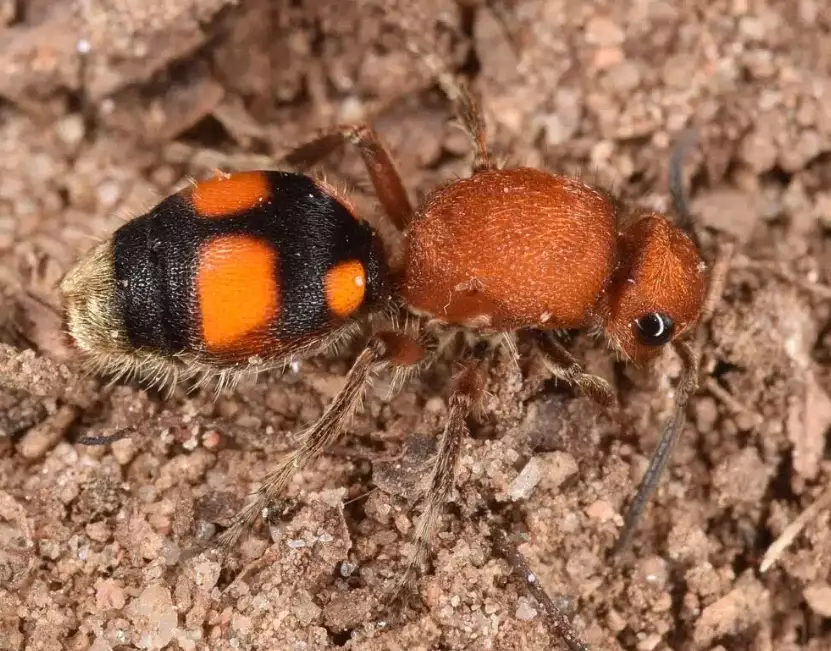
- For Carpenter Ants: Tap along wood surfaces. Hollow-sounding wood or seeing fine sawdust (frass) are dead giveaways. Check areas with moisture: around leaks, windows, doors, roofs, and crawl spaces.
- For Fire Ants: Look for the characteristic loose soil mounds in sunny areas. Approach carefully—disturbing them will bring out the soldiers.
- For Foraging Ants (like Velvety Tree): The nest may be outside. Follow the trail to its origin, often a tree, stump, or landscape timber.
Step 2: Choose and Apply the Right Control Method
Match the tool to the ant and the situation.
Ant Baits (The Trojan Horse Strategy): This is often the most effective tool for colony elimination, especially for carpenter ants and other sugar/protein feeders. Worker ants take the bait (which contains a slow-acting insecticide) back to the nest and share it, poisoning the queen and larvae.
- Gel Baits: Perfect for indoor use. Place small dabs near trails but out of reach of kids/pets.
- Station Baits: Use outdoors. Place near mounds or suspected entry points.
Crucial Point: If you use bait, DO NOT spray insecticides on the trails. You'll kill the workers you need to carry the poison home. Be patient—it can take several days to a week to see activity drop.
Dust Insecticides: Ideal for injecting into wall voids, electrical outlets (with power off!), or other cavities where carpenter ants nest. The dust clings to their bodies and is spread through the colony. Products with boric acid or diatomaceous earth are lower toxicity options.
Liquid Barrier Treatments: Applied around the home's foundation, these create a repellent zone to keep foraging ants from entering. This is a preventative measure, not a colony eliminator. Use it in conjunction with other methods.
Direct Mound Treatment (for Fire Ants): Use a labeled fire ant insecticide drench or dust, applied directly to the mound according to label directions. Do this in cooler morning or evening hours when ants are closer to the surface.
Preventing Future Ant Invasions
Ants are opportunists. Make your property less opportunistic.
- Eliminate Moisture: Fix leaks. Ensure gutters drain away from the foundation. Improve ventilation in crawl spaces. Carpenter ants and many others are drawn to damp wood.
- Seal Entry Points: Caulk cracks around windows, doors, and where utility lines enter. Use weather stripping.
- Remove Food Sources: Wipe counters. Store food in airtight containers. Keep pet food bowls clean and don't leave them out overnight. Manage trash tightly.
- Trim Vegetation: Keep tree branches and shrubs from touching the house. They are ant highways.
- Manage Outdoor Harborage: Store firewood off the ground and away from the house. Remove stumps, rotting logs, and excess yard debris.
When to Call a Professional Pest Control Expert?
DIY has its limits. Call a pro if:
- You have a large, recurring carpenter ant infestation inside the home, suggesting a satellite colony in the structure.
- You are dealing with fire ants and have family members with insect sting allergies.
- The infestation is widespread or the nest location is inaccessible (e.g., inside a wall, under a slab).
- Your DIY efforts have failed after a few weeks.
A good professional will perform a thorough inspection, correctly identify the ant, and use a combination of methods, often including more potent baits and targeted treatments not available over the counter. Ask about their Integrated Pest Management (IPM) approach—a good sign they focus on long-term solutions, not just chemical sprays.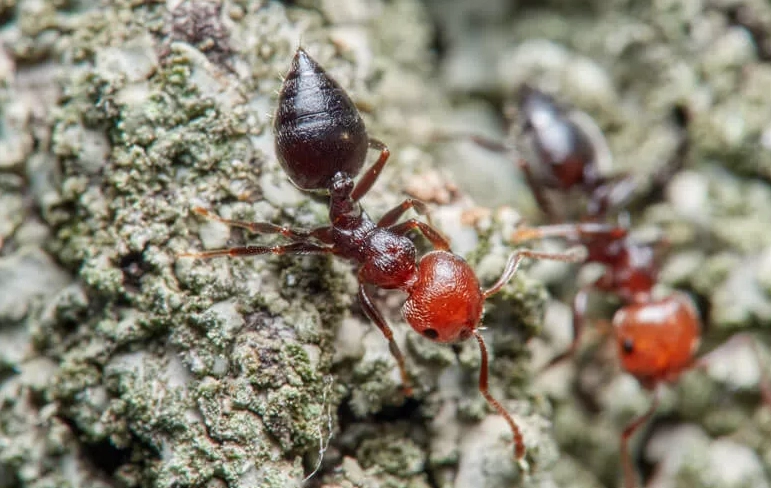

Comments