That quick, dark scuttle in the corner of your eye at night isn't just a nuisance. It's a sign you're dealing with one of the planet's most successful survival machines. I've spent years dealing with pest problems, both professionally and in my own homes, and the common approach to cockroaches is usually all wrong. Most people reach for the spray can immediately, but understanding a few key cockroach facts first will save you time, money, and a lot of frustration. Their biology explains why they're here and, more importantly, how to make them leave for good.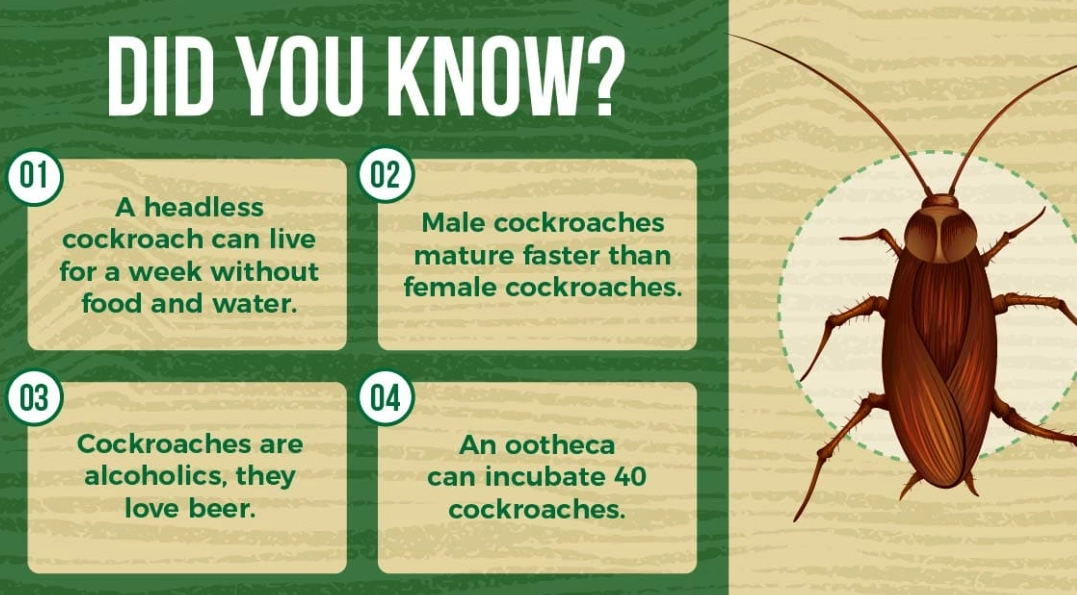
What You’ll Learn in This Guide
- The Survival Secrets That Make Them Nearly Unkillable
- Meet the Usual Suspects: Common Home-Invading Roaches
- How Do Cockroaches Get Into Your Home?
- 7 Signs You Have More Than Just a Passing Roach
- Your Ultimate Cockroach Prevention Checklist
- How to Get Rid of Cockroaches: A Step-by-Step Guide
- Your Cockroach Questions, Answered
The Survival Secrets That Make Them Nearly Unkillable
Before you declare war, know your enemy. These aren't random bugs; they're evolutionary marvels.
They can live for a week without a head. Seriously. Their nervous system is decentralized, and they breathe through spiracles along their body segments. They eventually die of thirst because they can't drink, not from the decapitation itself.
They hold their breath for 40 minutes. This one blew my mind when I first learned it. It's a primary reason why drowning them or using certain water-based sprays is ineffective. They can just shut down and wait it out.
They're Olympic-level squeezers. A cockroach can flatten its body to the thickness of a coin. That crack under your door? The gap around a pipe? It's a highway for them. If you can slide a credit card through a gap, a young roach can follow.
They eat anything. Literally. We know about crumbs and grease. But they'll also consume glue, soap, paper, leather, and even hair. I once traced an infestation back to a pet food bowl that was left out overnight—a feast for an entire colony.
Meet the Usual Suspects: Common Home-Invading Roaches
Not all roaches are the same. Identifying which one you have tells you where to look and how to fight.
| Species | Size & Color | Preferred Habitat | Key Fact & Why It Matters |
|---|---|---|---|
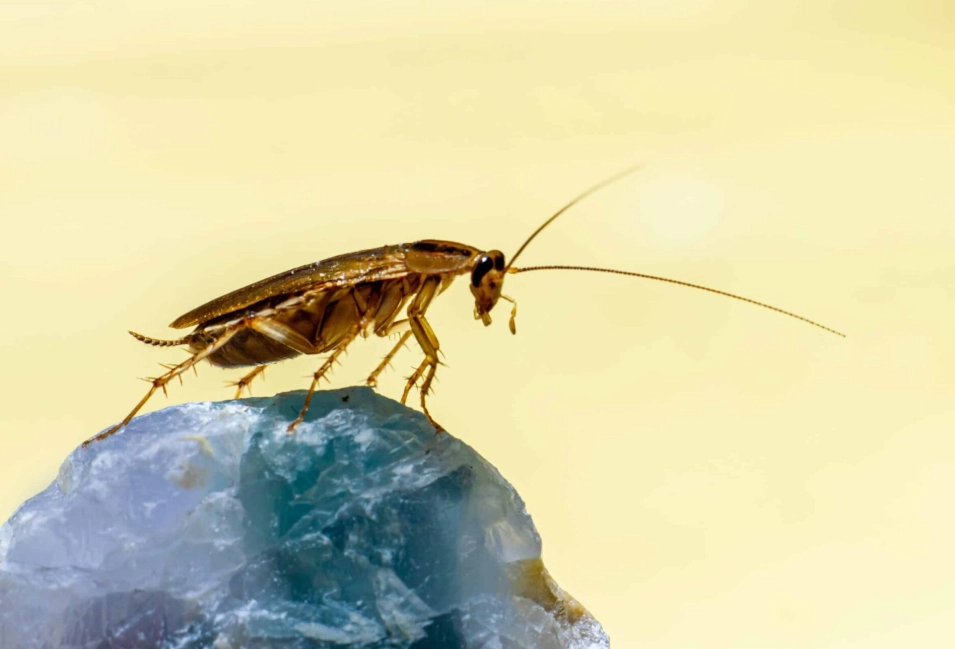
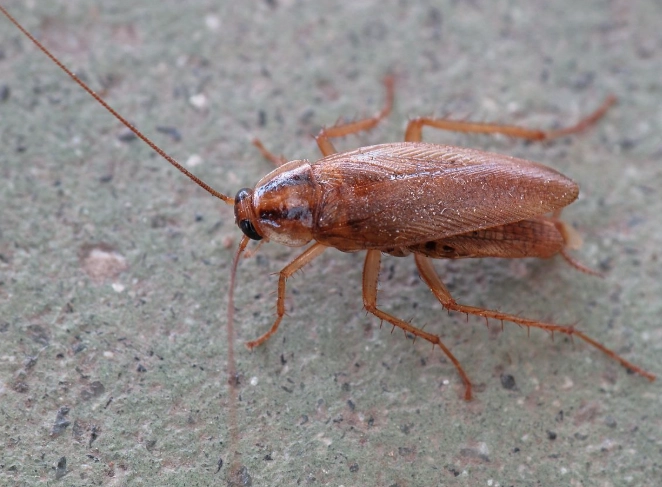
| German Cockroach | Small (1/2 to 5/8 inch), light brown with two dark stripes behind the head. | Warm, humid areas near food/water. Inside your home: kitchens, bathrooms, appliances. | They carry their egg case (ootheca) until it's ready to hatch, producing 30-40 babies at once. This is the #1 indoor pest species worldwide. If you see one during the day, you likely have a severe infestation. |
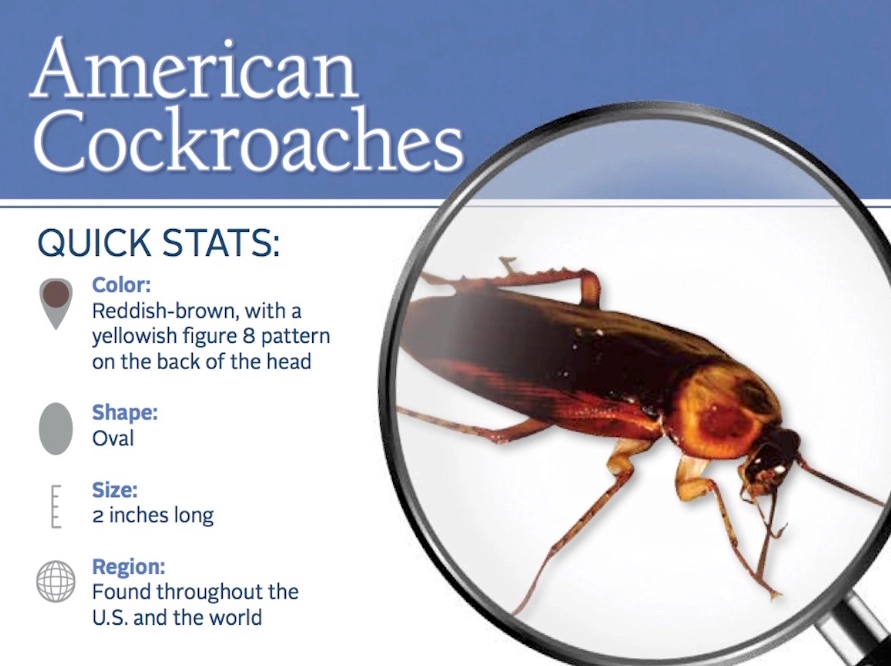
| American Cockroach | Large (1.5 inches+), reddish-brown with a yellowish figure-8 pattern behind the head. | Dark, damp, cool areas. Often comes from outside: sewers, basements, drains, crawl spaces. | They can fly in warm weather. Seeing one doesn't always mean an indoor infestation; it may have wandered in from a sewer line or basement. They are, however, major disease carriers. |
| Oriental Cockroach | Medium (1 inch), glossy black or dark brown. | Cool, very damp areas. Decaying organic matter. Basements, floor drains, under sinks, mulch beds. | They have a strong, unpleasant odor. They are slower and less agile than others. Their love for extreme moisture makes fixing leaks and drying out areas your top weapon. |
How Do Cockroaches Get Into Your Home?
They don't materialize from dirt. They exploit specific entry points. Check these first:
- Grocery bags and cardboard boxes: Egg cases can be glued to the bottom of containers. I always inspect bags and break down boxes immediately for recycling.
- Utility lines and pipes: Gaps where plumbing or wires enter walls are superhighways.
- Vents and drains: Uncovered floor drains or dryer vents without proper flaps are open doors.
- Doors and windows: Worn weather stripping or gaps in seals are an invitation.
- Secondhand furniture or appliances: A classic vector. Always inspect thoroughly before bringing inside.
7 Signs You Have More Than Just a Passing Roach
Seeing one roach doesn't guarantee an infestation. But look for these clues:
- Droppings: Resemble coarse black pepper or coffee grounds (small species) or cylindrical pellets with ridges (large species). You'll find them in corners, drawers, and along baseboards.
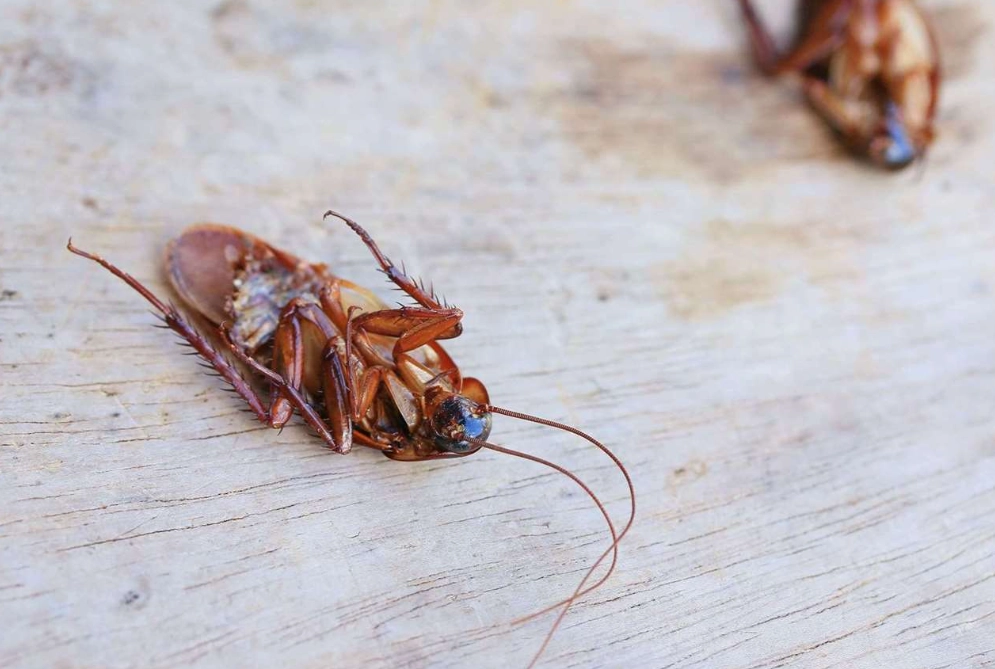
- Egg cases (Oothecae): Small, brown, purse-shaped capsules. German roach cases are carried; others are glued to hidden surfaces.
- Shed skins: As nymphs grow, they molt 5-13 times. These pale, papery shells are a clear sign of a breeding population.
- Unusual odor: A heavy, musty, oily smell. In bad infestations, it's unmistakable.
- Smear marks: On walls where roaches travel, especially near moisture sources.
- Damage: Irregular gnaw marks on food packaging, book bindings, or fabrics.
- Seeing them during the day: Roaches are nocturnal. Daytime activity usually means overcrowding due to a large population.
Your Ultimate Cockroach Prevention Checklist
This is where most articles stop at "keep it clean." Let's get specific and actionable.
Eliminate Food Sources (Go Beyond the Crumbs)
- Store dry goods (cereal, flour, pasta) in airtight glass or plastic containers. The cardboard box is not a barrier.
- Never leave pet food and water out overnight. Pick up bowls or use a timed feeder.
- Take out the trash daily, and use a can with a tight-fitting lid.
- Clean kitchen appliances thoroughly. Pull out the stove and fridge quarterly to clean underneath and behind—grease buildup is a major attractant.
- Rinse all recyclables before storing them.
Eliminate Water Sources (This is Critical)
Roaches can survive a month without food but only a week without water.
- Fix any and all dripping faucets and leaky pipes immediately.
- Check for condensation under refrigerators, on windows, and on pipes. Insulate pipes if needed.
- Don't let water stand in sinks, basins, or plant trays overnight.
- Ensure your bathroom fan works to reduce humidity after showers.
Eliminate Shelter and Entry Points
- Seal cracks and crevices with a quality silicone caulk. Pay special attention to areas around baseboards, pipes, and cabinets.
- Install door sweeps on exterior doors and weather stripping on windows.
- Place fine mesh screens over vents and floor drains.
- Reduce clutter, especially cardboard boxes and paper bags, which provide ideal harborage.
How to Get Rid of Cockroaches: A Step-by-Step Guide
If you're past prevention, here's the battle plan. Forget the raid can for anything but the lone scout.
Step 1: Inspection and Identification
Use a flashlight and mirror to look behind appliances, under sinks, inside cabinets, and in the backs of drawers. Identify the species using the table above. Knowing if it's German (indoor breeder) or American (often outdoor invader) changes your strategy.
Step 2: Choose Your Weapons Wisely
The pros use a method called Integrated Pest Management (IPM). It's not one product; it's a system.
- Gel Baits (Your Best Bet): This is the modern standard for a reason. Roaches eat the bait, return to their harborage, and die. Others then eat the poisoned feces and carcasses, causing a chain-reaction kill. Place tiny dots (pea-sized) in corners, under edges, and near suspected harborage areas—not out in the open. Brands like Advion or Invict are professional-grade but available to consumers.
- Insect Growth Regulators (IGRs): These are hormones that disrupt the roach life cycle, preventing nymphs from maturing and sterilizing adults. They don't kill quickly but break the breeding cycle. Use them alongside baits. Look for products containing hydroprene or pyriproxyfen.
- Boric Acid Powder: A classic, low-toxicity option. It works when roaches walk through it, getting the powder on their bodies, which they later ingest while grooming. The key is to apply a very light, invisible dusting in wall voids, behind cabinets, and under appliances. A pile of powder will be avoided. It's slow but effective when used correctly.
- Sticky Traps (Monitors): These won't eliminate an infestation but are fantastic for monitoring. Place them along walls in kitchens, bathrooms, and basements. They tell you where the activity is and if your other treatments are working.
Step 3: Apply and Monitor
Place your baits and IGRs according to the label. Put out plenty of sticky traps. Wait 1-2 weeks. Don't spray or clean over your bait placements.
Step 4: Evaluate and Retreat
Check your traps. Are there fewer or more? If baits have been eaten, reapply. The goal is to break the cycle. This process can take 3-8 weeks for a significant infestation.
When to Call a Professional
If you have a widespread German cockroach infestation, or if DIY methods after 4 weeks show no reduction, call a pro. They have access to stronger tools and, more importantly, the experience to find the main harborage. Look for companies that emphasize IPM and baiting over routine chemical spraying. The U.S. Environmental Protection Agency (EPA) has resources on selecting a pest control professional.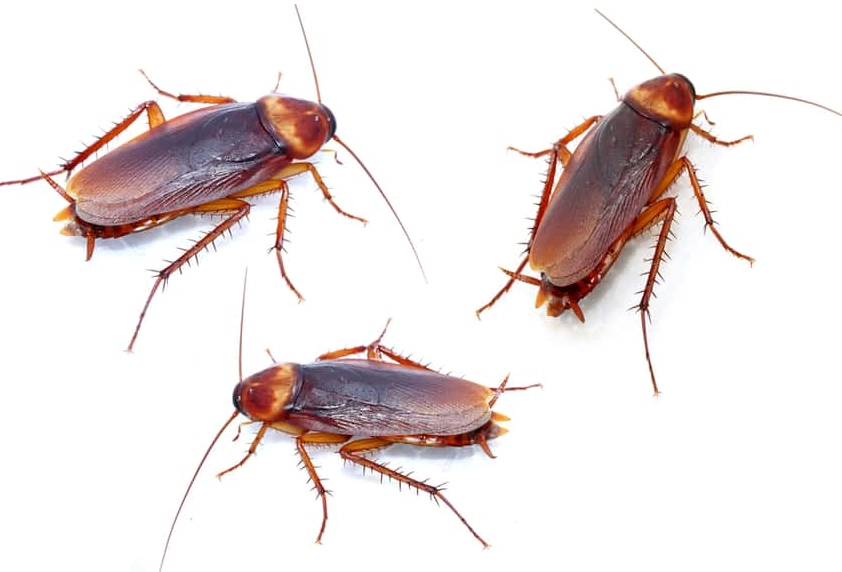
Your Cockroach Questions, Answered
 I keep my home very clean. How did I still get roaches?

Comments