You see one. Then another. A steady, silent parade of big black ants marching across your kitchen counter or along the baseboard. Your first thought might be annoyance, then a flicker of worry. Are these just harmless sugar ants, or something more serious? Let's cut to the chase: if the ants are notably large (about 1/4 to 1/2 inch), uniformly black, and you're seeing them indoors, especially in spring or summer, you're likely dealing with carpenter ants. And that changes the game from a nuisance to a potential property threat.
I've been in pest management for over a decade, and the single biggest mistake homeowners make is misidentifying these ants and using the wrong treatment. Spraying the ones you see does almost nothing. This guide will walk you through exactly what to do, step by step, based on what actually works, not just generic advice.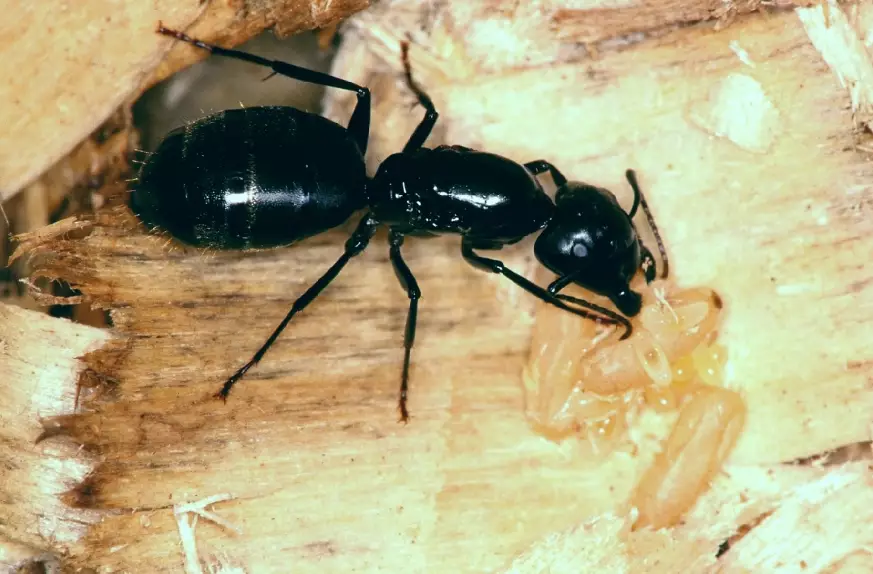
What You'll Find in This Guide
How to Identify Big Black Ants Accurately
Not all big black ants are carpenter ants, but in a house, the odds are high. Correct identification is critical because the treatment for carpenter ants is different from, say, odorous house ants. Here’s a quick comparison to clear up confusion.
| Feature | Carpenter Ants (Most Likely Culprit) | Other Common Black Ants |
|---|---|---|
| Size | Large. Workers range from 1/4" to 1/2". The queen can be up to 3/4". You'll often see a mix of sizes. | Typically smaller, often 1/8" to 1/4". More uniform in size. |
| Color | Usually solid black, but some species can have reddish-brown tones in the thorax (middle section). | Black, but sometimes dark brown. Odorous house ants are dark brown/black and much smaller. |
| Waist | Single, rounded node (petiole) between thorax and abdomen. This is a key identifier. | Varies. Some have a similar single node, but combined with size, it's a clue. |
| Behavior Inside | Forage for food (sweets, proteins). Scouts are most common. You rarely see a swarm inside unless a satellite colony is established in damp wood. | Forage in visible trails, often to sugary sources. May nest in wall voids near moisture. |
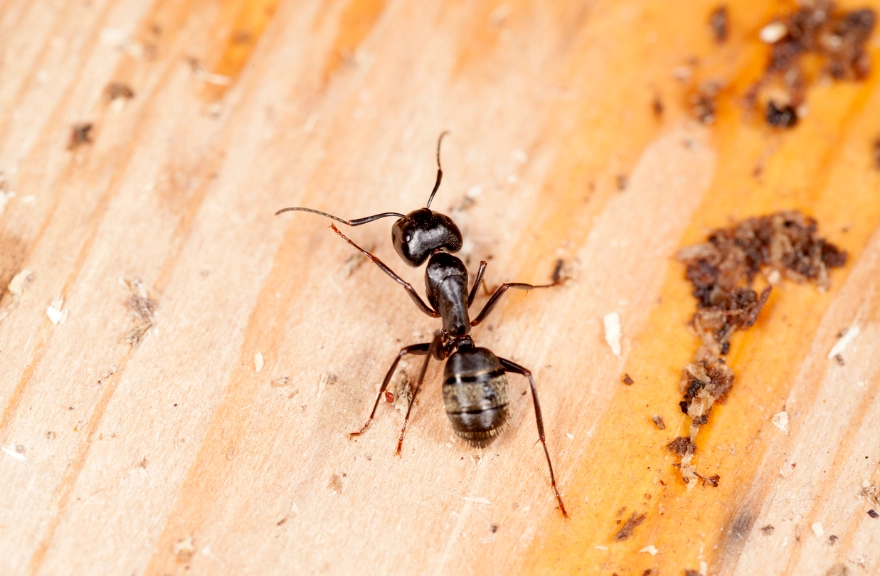
| The Telltale Sign | Frass. This is a sawdust-like material (wood shavings mixed with insect parts) they push out of their galleries. Finding this near baseboards, window sills, or in basement corners is a major red flag. | No frass. You might see soil or debris if they're nesting indoors, but not fine wood shavings. |
Look for the frass. It's the smoking gun. I once inspected a home where the homeowner thought the "sawdust" in their basement was from an old project. It was a massive carpenter ant colony in a support beam.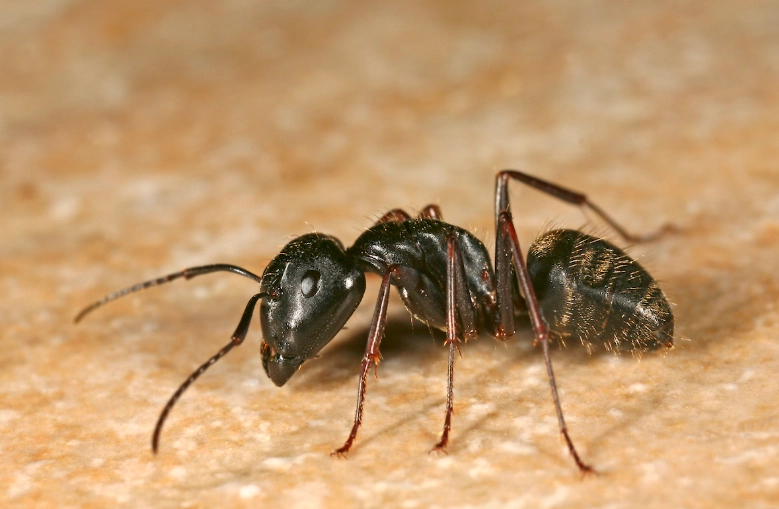
Are They Just Looking for Food?
Maybe. But here's the non-consensus view everyone misses: a few big black ants inside in the daytime are almost certainly scouts from an outdoor colony. They're testing your defenses. If you see them at night, especially near sinks, dishwashers, or bathrooms, that's a stronger indicator of an indoor satellite colony, likely in a water-damaged structural area.
Why Are Big Black Ants in My House? (The Real Reasons)
They aren't there to ruin your day personally. They're following basic survival drives. Understanding this helps you beat them.
Primary Attractants:
Moisture. This is the #1 factor, more than food. Rotting window frames, leaky roofs, plumbing leaks under sinks, poor ventilation in crawl spaces, clogged gutters—all create the damp, soft wood carpenter ants need to excavate their nests. They don't eat the wood; they tunnel through it to create galleries.
Food Sources. While moisture draws the colony, food feeds it. They love protein (pet food, dead insects) and sugars (syrup, honey, fruit juices). Crumbs, unsealed pantry items, and even pet bowls left out overnight are open invitations.
Access Points. How do they get in? Tree branches or shrubs touching your siding or roof provide a highway. Cracks in the foundation, gaps around utility lines, and poorly sealed windows/doors are open doors.
Existing Wood Damage. Old wood rot from past water issues, even from years ago, is a perfect starting point for a new colony.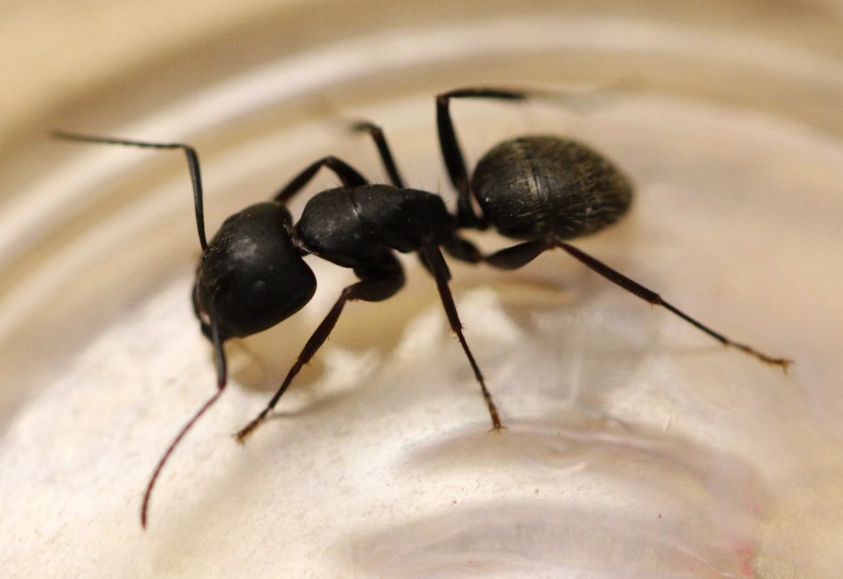
Quick Self-Check: Go outside after a rain shower. Walk around your house. Do you see wood siding or trim that stays wet? Are downspouts dumping water right next to the foundation? These are silent signals broadcasting to every ant colony in the area.
How to Prevent a Carpenter Ant Infestation
Prevention is about making your house the least attractive target on the block. It's ongoing, not a one-time task.
Eliminate Moisture, Everywhere.
This is your main battle. Fix every leak, no matter how small. Ensure your attic and crawl space are properly ventilated. Use a dehumidifier in damp basements. Clean your gutters regularly—overflowing water ruins fascia boards and siding, a prime nesting spot.
Seal the Fort.
Get some caulk and go to town. Seal cracks in the foundation, gaps around pipes and wires entering the house, and spaces around window and door frames. Install door sweeps. Trim back any tree limbs or vegetation so there's at least an 18-inch gap between them and your house.
Manage Food and Trash.
Store pantry items like sugar, syrup, and cereal in airtight containers. Wipe down counters and sweep floors nightly. Don't leave pet food sitting out. Use trash cans with tight-fitting lids, and take the garbage out regularly.
Smart Landscaping and Storage.
Keep firewood, lumber, and mulch piles well away from your home's foundation (at least 20 feet). These are starter homes for ant colonies that can later expand into your house. Inspect wooden fences or decks attached to the house for decay.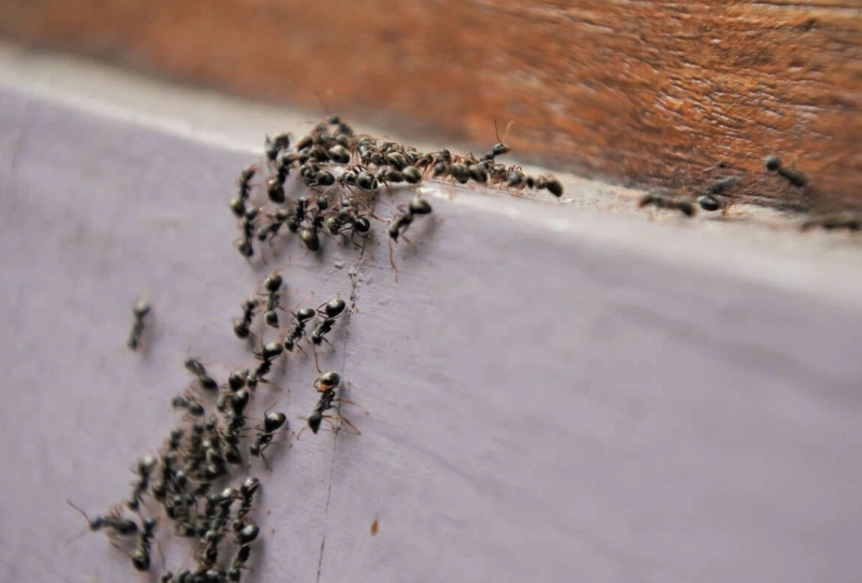
How to Get Rid of Big Black Ants in Your House
If they're already inside, prevention shifts to elimination. The goal isn't to kill the foragers you see; it's to destroy the colony, which is almost always outside or in a structural void.
Step 1: Find the Trail and the Source
Don't spray yet. Watch them. Where are they coming from? Where are they going? Try placing a tiny dab of honey or peanut butter near their path and observe. Follow the trail back to the entry point—a crack, a gap under baseboard, an electrical outlet. This is your clue.
Step 2: Use Bait, Not Just Spray
Insecticide sprays create a barrier and kill on contact, but they often repel ants, preventing them from taking poison back to the nest. Baits are slower but more strategic. The workers take the toxic bait (which is disguised as food) back to the colony, sharing it and killing the queen and larvae.
Choosing a Bait: Carpenter ants have a varied diet. Use a protein-based bait (like peanut butter or insect protein) in spring when they're feeding larvae, and a sugar-based bait in summer. Commercial gel baits in syringe applicators are excellent. Place small dabs near trails, out of reach of pets and children.
Pro Tip: If you see ants ignoring your bait, they may have found a better food source. Clean thoroughly, remove competing food, and try a different bait formula. Patience is key—it can take several days to a week to see the traffic diminish and stop.
Step 3: Apply Targeted Insecticides (If Needed)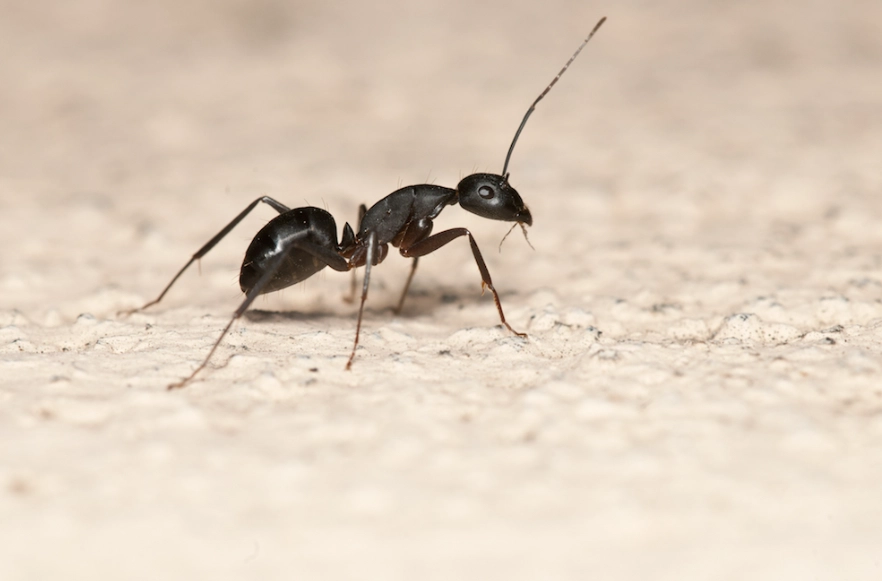
For persistent outdoor colonies or known entry points, a targeted insecticide can help. Use a non-repellent insecticide dust (like diatomaceous earth or specific insecticidal dusts labeled for carpenter ants) puffed lightly into wall voids, crawl spaces, and around the foundation perimeter. These dusts are carried back to the nest by the ants. Liquid perimeter sprays can create a protective barrier outside.
When to Call a Professional:
Do it if: you find frass inside your walls; the activity continues despite your best baiting efforts; you suspect the main colony is inside your structure; or the infestation is large. Pros have tools like borescopes to inspect inside walls and more powerful, targeted application methods. The National Pest Management Association is a good resource for finding licensed professionals.
A Sample DIY Weekend Action Plan
Friday Evening: Place bait stations near ant trails. Clean kitchen thoroughly, seal all food.
Saturday Morning: Inspect home exterior. Trim branches, clear gutters, move firewood. Seal visible cracks with caulk.
Saturday Afternoon: Check for moisture issues indoors—under sinks, around windows, in basement. Fix any leaks.
Sunday: Monitor bait stations. If ant traffic is unchanged, consider applying a perimeter dust or gel in identified entry points.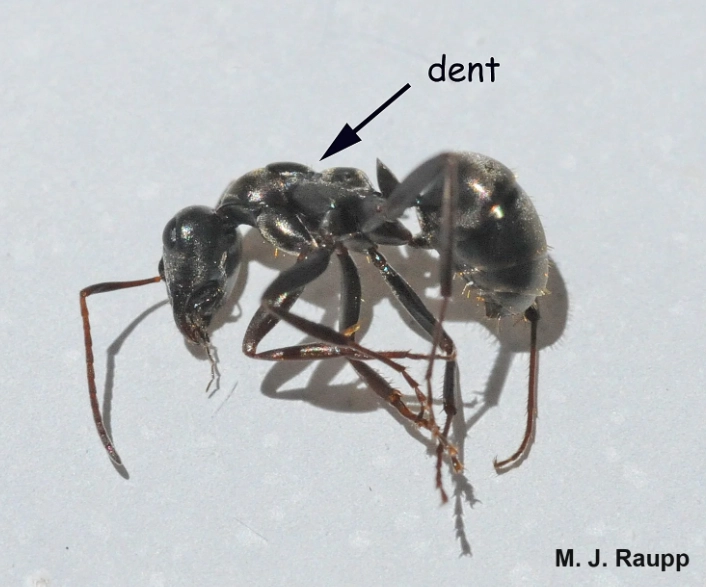
Your Big Black Ant Questions, Answered
I only see a few big black ants every few days. Should I be worried?
Yes, but don't panic. This is the scouting phase. It's your early warning system. They are testing for food and entry points. Now is the perfect time to aggressively implement the prevention steps—sealing entries, cleaning, and moisture control. You might avoid a full infestation altogether.
Are carpenter ants as destructive as termites?
They work differently and usually slower. Termites eat wood for nutrition, causing widespread structural damage. Carpenter ants excavate it to live, which can still weaken beams, joists, and window frames over years. The damage is often more localized to areas with moisture problems, but it can be severe if left unchecked for a long period.
 I found frass but no ants. Does that mean they're gone?
Not necessarily. Frass is simply debris cleaned out of their tunnels. They may have moved the colony's main activity deeper into the wood or to another satellite location. The presence of frass means there was, and likely still is, an active colony nearby. It's a strong sign to investigate further or call a pro.
What's the most common mistake people make when trying to get rid of them?
Spraying every ant they see with a surface spray. This kills the foragers, which are a tiny percentage of the colony, and often scatters the rest, potentially causing the colony to split and create multiple satellite nests (a problem called budding). It creates the illusion of solving the problem while making the actual infestation worse and harder to treat.
Do ultrasonic pest repellers work on carpenter ants?
In my experience and according to most university entomology extensions, like those from University of Minnesota Extension, there is no reliable scientific evidence that these devices effectively eliminate ant infestations. Ants rely heavily on pheromone trails and tactile communication; sound waves don't disrupt their core survival behaviors. Your money is better spent on sealing, baiting, and moisture control.

Comments