What You'll Learn in This Guide
Let's cut to the chase. Flies are everywhere, and if you're dealing with them, you probably want to know what kind they are and how to get rid of them fast. I've spent over a decade in pest management, and I've seen people waste time and money on the wrong solutions because they misidentified the fly. This guide dives deep into the types of flies you're likely to meet, based on real-world cases I've handled. We'll cover everything from the common house fly to the tricky drain fly, with practical steps you can take today.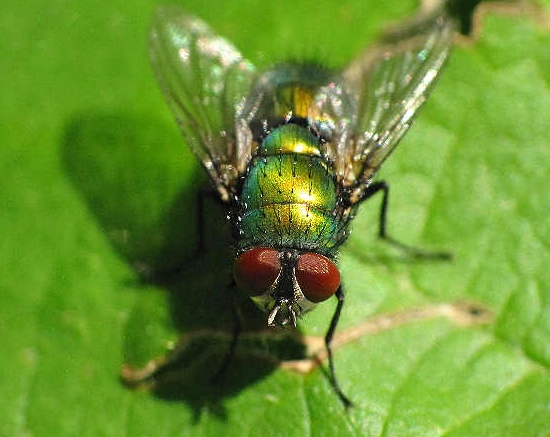
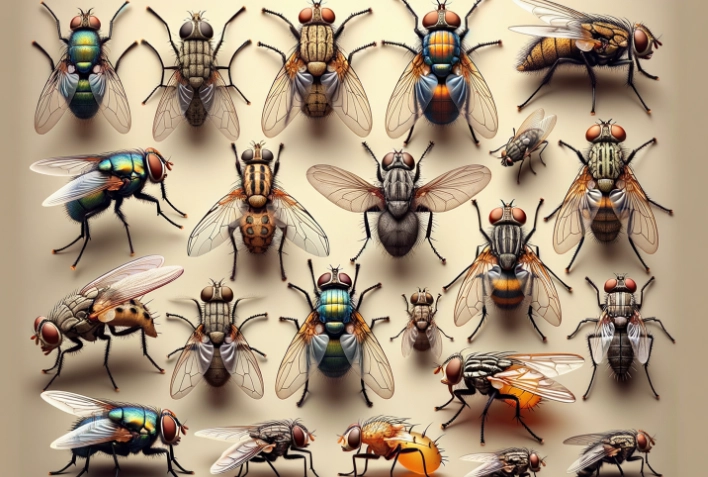
First off, flies aren't just one thing. There are thousands of species, but only a handful cause problems in homes and businesses. Knowing the difference can save you a headache. For example, fruit flies and fungus gnats look similar, but their breeding grounds are worlds apart. I once had a client who kept spraying for fruit flies when the issue was actually fungus gnats from overwatered plants. It took weeks to fix because they targeted the wrong source.
The 6 Most Common Fly Types You'll Encounter
Here's a breakdown of the flies you'll most often see. I've ranked them based on how frequently they pop up in residential settings, based on data from the National Pest Management Association and my own logs.
| Fly Type | Key Identifying Features | Typical Habitat | Primary Food Source |
|---|---|---|---|
| House Fly | Gray body, 4 dark stripes on thorax, about 1/4 inch long | Kitchens, garbage areas, animal facilities | Decaying organic matter, feces |
| Fruit Fly | Tan or brown, red eyes, very small (1/8 inch) | Near ripe fruit, fermenting liquids, drains | Fermenting sugars, yeast |
| Drain Fly | Fuzzy, moth-like appearance, wings held roof-like | Bathroom and kitchen drains, sewage systems | Organic sludge in pipes |
| Cluster Fly | Dark gray, golden hairs on thorax, sluggish in flight | Attics, wall voids during cold months | Earthworms (larvae), nectar (adults) |
| Blow Fly | Metallic blue or green sheen, larger than house flies | Near dead animals, meat processing areas | Carion, decaying meat |
| Fungus Gnat | Black, delicate, long legs, often confused with fruit flies | Potted plants, moist soil, greenhouses | Fungi, plant roots |
Notice how each fly has a distinct niche. House flies love garbage, while drain flies thrive in pipes. If you see small flies in your kitchen, don't assume they're all fruit flies. I've lost count of how many times I've found drain flies breeding in a rarely-used bathroom sink. People clean the kitchen but forget the bathroom, and the problem persists.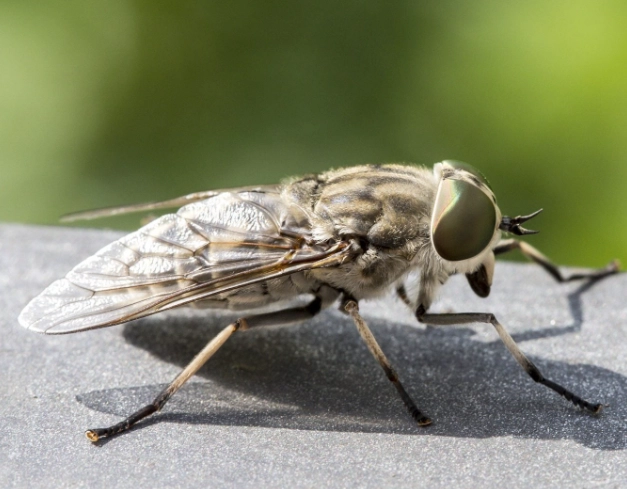
How to Accurately Identify Different Fly Species
Identification isn't just about looks; it's about behavior and context. Here's a step-by-step approach I use in the field.
Start by observing where the flies are concentrated. Are they hovering over fruit bowls or near drains? Fruit flies tend to swarm around bananas or wine glasses, while drain flies stick close to sinks and showers. Size matters too. House flies are bigger and noisier, whereas fungus gnats are tiny and weak fliers.
Next, check the life cycle. Flies breed fast, so look for larvae. Fruit fly larvae are tiny white maggots in fermenting stuff, while drain fly larvae are worm-like and slimy, found in the gelatinous gunk inside pipes. I recall a restaurant owner who kept finding flies in the dining area. We traced it back to a floor drain in the kitchen that hadn't been cleaned in months. The larvae were hidden, so surface cleaning did nothing.
Using Magnification and Traps for Confirmation
For tricky cases, use a magnifying glass or smartphone macro lens. Fruit flies have distinctive red eyes, but so do some other small flies. Drain flies have unique wing patterns—hold them still if you can. Sticky traps can help; place them near suspected breeding sites. Over a day or two, you'll catch adults and get a better look. Avoid those cheap, scented traps from big-box stores; they often attract more flies than they catch. I prefer simple apple cider vinegar traps for fruit flies—it's cheap and effective.
One non-consensus point: many guides say house flies are easy to spot, but in dim light, they can be confused with cluster flies. Cluster flies are slower and tend to buzz against windows in fall. If you see flies in your attic in winter, they're likely cluster flies, not house flies. House flies die off in cold weather unless indoors.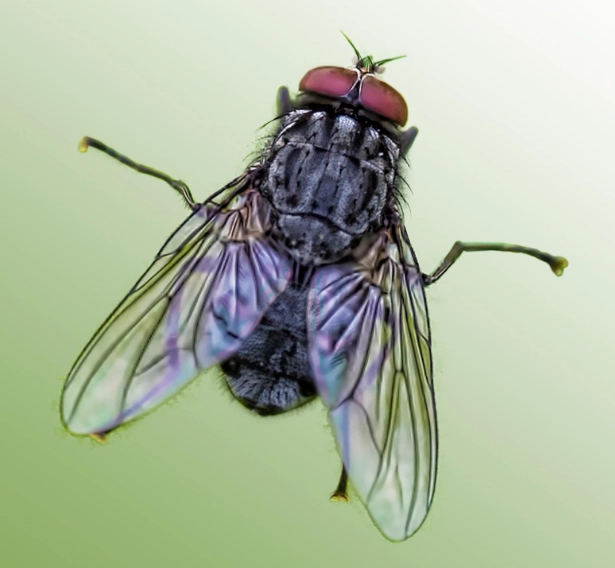
Why Flies Are More Than Just a Nuisance
Flies aren't just annoying; they're health risks. House flies, for instance, can transmit over 100 pathogens, including E. coli and Salmonella, according to the World Health Organization. They pick up germs from garbage and feces, then land on your food. I've seen outbreaks in daycare centers traced back to poor fly control near trash areas.
Blow flies are even worse—they're often associated with dead animals and can indicate a larger sanitation issue. In one case, a homeowner kept seeing blow flies in the garage. We found a dead rodent behind a wall; the flies were the first sign of decay.
Then there's the economic angle. Fruit flies can ruin entire batches of produce in markets. Drain flies might signal pipe blockages that lead to costly plumbing repairs. Fungus gnats damage plant roots, killing indoor gardens. It's not just about swatting them away; it's about preventing damage.
Key Takeaway: If you ignore flies, you're risking food contamination, property damage, and even structural issues from moisture where they breed.
Effective Fly Control Methods That Actually Work
Control starts with identification, but here are actionable steps for each major type. I've tailored these based on what's worked in my experience, not just textbook advice.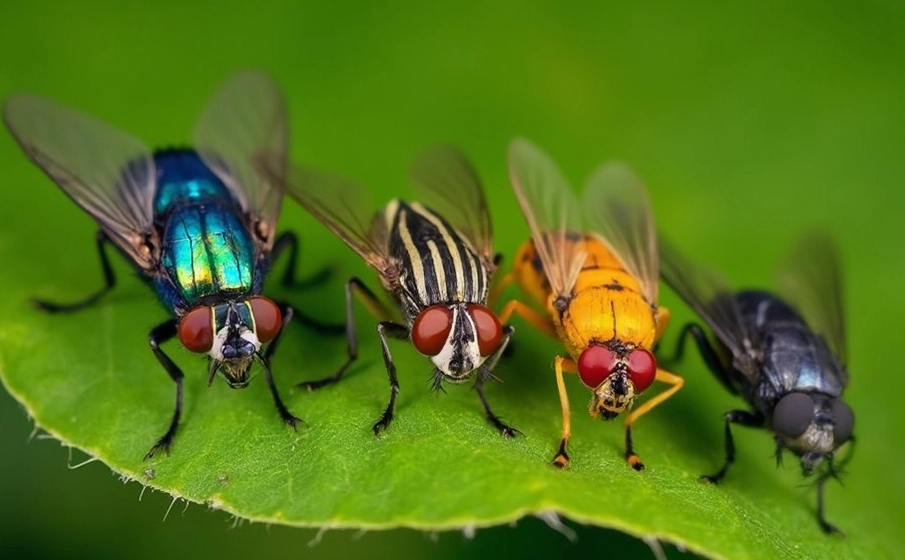
For house flies, sanitation is king. Empty trash daily, clean pet areas, and use tight-fitting lids on bins. I recommend installing fly screens on windows—simple, but often overlooked. Chemical sprays can help, but they're a temporary fix if breeding sites remain. One client used sprays religiously but still had flies because their compost pile was uncovered.
Fruit flies require removing the source. Toss overripe fruit, clean spills, and pour boiling water down drains weekly to kill eggs. A homemade trap: jar with apple cider vinegar and a drop of dish soap. Works better than store-bought versions. I've found that many people forget to clean under appliances where fruit bits accumulate.
Drain flies need pipe cleaning. Use a pipe brush or enzymatic cleaner to break down the sludge. Avoid harsh chemicals; they can damage pipes and don't always reach the biofilm where larvae live. In a recent job, we used a bacterial drain cleaner and saw results in days, whereas bleach had failed.
Cluster flies are tough because they invade structures. Seal cracks around windows and eaves before fall. Once inside, vacuum them up—don't squash them, as they can stain walls. Insecticides can be used in attics, but consult a pro if the infestation is large.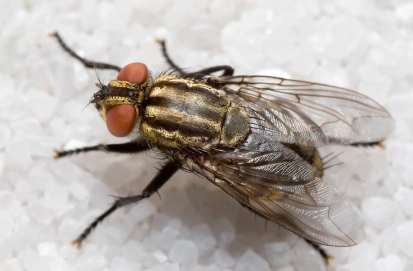
Integrated Pest Management (IPM) Approach
This is the industry hotspot right now. IPM combines prevention, monitoring, and control. Instead of just spraying, set up monitoring stations to track fly populations. Use physical barriers like screens and cultural controls like proper waste management. I've switched to IPM in my work, and it reduces chemical use by 70%. For example, in a restaurant, we installed air curtains at doors and trained staff on sanitation, cutting fly incidents by half.
A common mistake: people rely too much on UV light traps. They catch some flies, but they don't address breeding sites. I've seen places with dozens of dead flies in traps but still have an active infestation because the source wasn't eliminated.
Expert Insights: Mistakes to Avoid in Fly Management
After years in this field, I've noticed subtle errors that keep people stuck. Here's my blunt advice.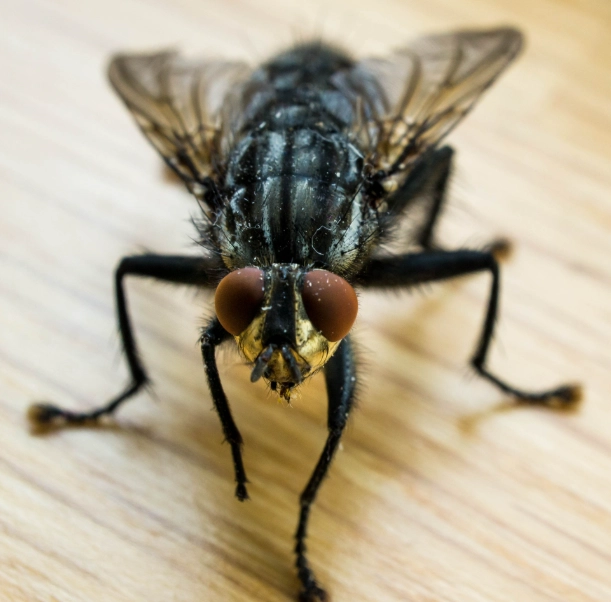
First, don't assume all small flies are the same. Fungus gnats and fruit flies require different treatments. If you treat for fruit flies but have fungus gnats, you're wasting time. I once had a gardener who kept using fruit fly traps, but the gnats from her overwatered plants kept coming. She needed to let the soil dry out.
Second, avoid over-cleaning with bleach for drain flies. Bleach might sanitize, but it doesn't remove the organic buildup. In fact, it can harden the sludge, making it worse. Use a mechanical cleaner or enzyme-based product. I've seen pipes so clogged with bleach-hardened gunk that they had to be replaced.
Third, timing matters. Cluster flies enter homes in fall, so seal entry points in late summer. Many wait until they see flies inside, then it's too late. Similarly, fruit fly populations explode in warm weather, so be proactive with fruit storage.
My personal gripe: those ultrasonic repellent devices. They're marketed as eco-friendly, but studies, like those from the University of Kentucky Entomology Department, show they're ineffective against flies. Save your money.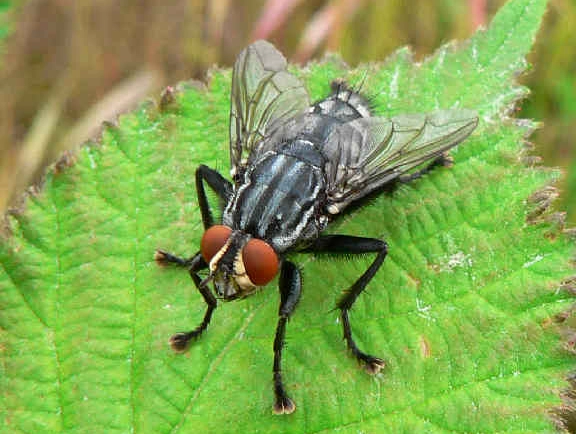
Your Fly-Related Questions Answered
Wrapping up, understanding types of flies is the first step to effective management. Start with identification, target the breeding source, and use integrated methods. If you're overwhelmed, don't hesitate to call a professional—sometimes, a pair of fresh eyes can spot what you've missed. I've been there, chasing flies around with a swatter, but with this guide, you should have the tools to tackle it smarter.



Comments