Let's be honest. Most of us don't care about the precise taxonomic family of the eight-legged visitor in our bathtub. We want to know two things: is it dangerous, and what is it doing here? The internet is full of generic lists, but they often miss the point. After years of flipping over logs, peering into corners, and calming panicked friends, I've learned that understanding spiders isn't about memorizing Latin names. It's about decoding their behavior. That tiny jumping spider on your windowsill and the hefty wolf spider in your garage are playing completely different games. This guide cuts through the noise. We'll sort spiders not just by looks, but by their life strategy—how they hunt, where they live, and what that means for you.
What You'll Find in This Guide
Why Spider Identification Matters (It's Not Just About Fear)
Spotting a brown recluse is obviously critical. But identification serves a deeper purpose. It turns an "icky pest" into a fascinating neighbor with a specific job. Knowing that the delicate cobweb in your ceiling corner is made by a common house spider (Parasteatoda tepidariorum) tells you it's a passive flycatcher, not a wanderer. It's running a pest control service from a fixed location. Conversely, identifying a prowling wolf spider explains why you see it on the floor—it's a nomadic hunter of cockroaches and crickets. This shift in perspective, from "kill it" to "what's its role?", is the first step to managing fear and appreciating their ecological value. They are voracious predators of insects we genuinely dislike.
The Three Main Spider Hunting Strategies
Forget family trees for a second. If you understand how a spider gets its dinner, you'll understand where to find it and how it behaves. This is the most useful lens for identification.
1. The Web Weavers (Sedentary Ambushers)
These are the classic spiders. They invest energy in building intricate silk structures to trap prey. They tend to stay put. Look for them in corners, between plants, or in basements.
- Orb Weavers: Build the iconic, wheel-shaped webs. Often large and colorful (like the Black and Yellow Garden Spider). Harmless and spectacular.
- Cobweb / Tangle Web Weavers: Create messy, three-dimensional webs. This group includes the common house spider and the notorious widow spiders. The web is a disorganized-looking snare.
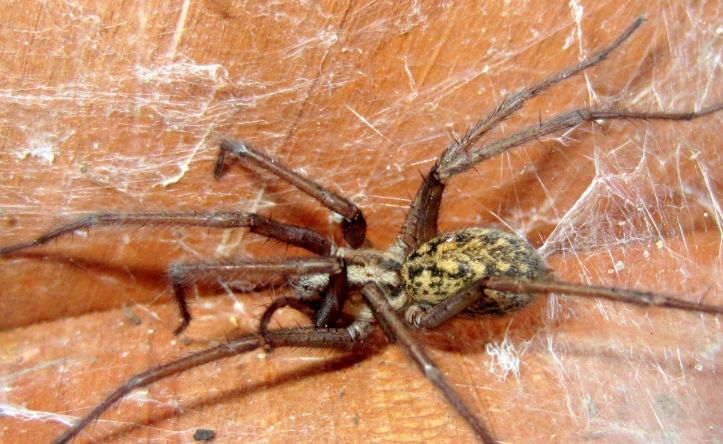
- Funnel Weavers: Build a flat sheet of web with a retreat funnel at one edge. The spider waits in the funnel and dashes out to grab prey that lands on the sheet. Common in grass and ground-level debris.
2. The Active Hunters (Nomadic Predators)
No webs for these types of spiders. They roam to chase down or ambush prey. You'll encounter them on the ground, on walls, or in leaf litter.
- Wolf Spiders: Robust, fast, and hairy. They have excellent eyesight and hunt like tiny wolves. Often mistaken for brown recluses but are larger and have a different eye pattern (check for two large forward-facing eyes).
- Jumping Spiders: The charismatic ones. Compact, fuzzy, and with superb vision. They stalk prey and leap with precision. Completely harmless and often curious.
- Sac Spiders: Pale yellow or greenish. They hunt at night and create a silken "sac" retreat to hide in during the day, often in curtains or ceiling corners. Some species can deliver a mildly painful bite if trapped.
3. The Ambush Predators (Masters of Disguise)
These spiders rely on camouflage and patience. They don't build prey-catching webs, but may use silk for retreats or trip lines.
- Crab Spiders: Often hold their legs out to the side like a crab. They hide in flowers, matching the color to ambush pollinators.
- Trapdoor Spiders: Construct a burrow with a hinged, camouflaged lid. They wait just inside and burst out to grab passing insects.
The Usual Suspects: Common House Spiders Decoded
Your home offers shelter, warmth, and a buffet of other insects. It's prime real estate for certain spider types. Here’s a breakdown of who you're most likely to meet, based on my own observations and data from sources like the World Spider Catalog.
| Spider Type (Common Name) | Key Identifying Features | Typical Hangout | What It's Doing / Diet | Risk Level |
|---|---|---|---|---|
| Common House Spider (Parasteatoda tepidariorum) |
Small, brownish with a bulbous, patterned abdomen. Messy, tangled cobwebs. | Upper corners of rooms, windows, garages, basements. | Sitting in its web, waiting for flies, mosquitoes, and gnats. A permanent, passive pest controller. | None. Fangs too small to break skin. |
| Cellar Spider / Daddy Long-Legs (Pholcidae family) |
Extremely long, thin legs. Small body. Often seen vibrating rapidly in its web. | Dark, undisturbed corners of cellars, crawl spaces, sheds. | Its messy web is designed to entangle other spiders and insects. It's a predator of other pests, including dangerous spiders. | None. Urban myth about potent venom is false. |
| American House Spider (Achaearanea tepidariorum is a synonym) |
Very similar to the Common House Spider. The names are often used interchangeably. | Same as above—quiet corners near a light source that attracts insects. | Identical role. These are the classic "cobweb" spiders. | None. |
| Jumping Spider (Salticidae family) |
Compact, fuzzy, often iridescent or brightly colored. Two large, forward-facing eyes give them a "cute" face. | Windowsills, walls, outdoors on plants. They wander in accidentally. | Actively stalking and pouncing on small insects. Incredibly curious, will often turn to look at you. | None. Completely harmless and beneficial. |
| Wolf Spider (Lycosidae family) |
Large, hairy, and fast. Dark brown with various stripe patterns. Carries egg sac attached to spinnerets. | Ground level—garage floors, basements, near doors. They enter chasing prey. | Roaming hunter of cockroaches, crickets, and other ground-dwelling insects. Excellent natural pest control. | Very low. Can bite if handled roughly, akin to a bee sting. Not aggressive. |
The biggest mistake I see? People conflating all fast, brown spiders as "dangerous." A wolf spider is a beneficial roommate. A brown recluse is a different story. The difference is in the details.
Venomous Spiders: Separating Fact from Fear
This is where calm, accurate identification is non-negotiable. Only two groups of spiders in North America are considered medically significant: widow spiders and recluse spiders. Misidentification is rampant and fuels unnecessary panic.
Widow Spiders (Latrodectus)
Shiny black with a famous red hourglass on the underside of the abdomen (sometimes orange or white). They build messy, strong cobwebs in undisturbed, protected places: woodpiles, under eaves, behind outdoor furniture, in cluttered garages. They are not aggressive but will defend their web. Their venom is a neurotoxin. A bite can cause severe muscle cramps, pain, and nausea—seek medical attention. The key is to be cautious when reaching blindly into their preferred habitats.
Recluse Spiders (Loxosceles)
The brown recluse is the most famous. Uniform tan to dark brown color. The single, most reliable identifier is the violin-shaped marking on the cephalothorax (the front body segment), with the neck of the violin pointing towards the abdomen. They have six eyes arranged in three pairs (most spiders have eight). They live in dry, secluded areas: attics, behind boxes, in stored clothing, under beds. Their venom can cause necrotic (tissue-damaging) lesions in some people. They are called "recluses" for a reason—they hide and bite only when pressed against skin.
Here's the expert nuance everyone misses: Hundreds of harmless spiders are misidentified as brown recluses daily. Wolf spiders, funnel weavers, and even common house spiders get the blame. If you don't clearly see the violin marking and you're not in its core geographical range (primarily the central-southern US), odds are overwhelmingly it's not a recluse.
Practical Tips for Peaceful Coexistence (Not Eradication)
You'll never be spider-free, nor should you want to be. The goal is management and reducing unwanted encounters.
- Reduce Clutter: This is the number one tactic. Spiders, especially recluses and widows, thrive in undisturbed piles of storage, wood, or debris. Clean up basements, garages, and attics.
- Seal Entry Points: Check and seal cracks around windows, doors, and foundation lines. This also reduces the insect prey that attracts spiders.
- Change Outdoor Lighting: Standard white lights attract night-flying insects, which attract spiders. Switch to yellow sodium vapor bulbs or LED lights that are less attractive to insects.
- The Cup-and-Card Method: For a spider you want to relocate, place a cup over it, slide a stiff piece of paper underneath, and carry it outside. It's simple, effective, and avoids squishing a beneficial creature.
- Vacuum Regularly: This removes webs, egg sacs, and spiders without chemicals. Pay attention to corners and behind furniture.
Chemical sprays are often a temporary, broad-spectrum solution that kills more beneficial insects than spiders. Focus on habitat modification first.
Your Spider Questions, Answered
What is the most common spider found in houses, and is it a problem?
The common house spider (or American house spider) wins that contest. It's the one leaving those dusty cobwebs in your ceiling corners. It's not a problem at all. It's a dedicated fly and mosquito hunter that wants nothing to do with you. Its fangs are too small to pierce human skin. The only "problem" is aesthetic—just vacuum the webs away if they bother you.
I see fast, brown spiders on my floor. Are they brown recluses?
Probably not. This is the most common misidentification. Brown recluses are shy and hide. Fast, roaming brown spiders are almost always wolf spiders, which are larger, hairier, and have a different eye pattern. Wolf spiders are active hunters of pests like cockroaches. Unless you clearly see the dark violin marking on its back and you live in a known recluse territory, you likely have a helpful wolf spider, not a dangerous recluse.
How can I tell a dangerous spider from a harmless one just by looking?
Focus on two high-confidence markers for danger in North America: 1) A shiny black body with a red hourglass (widow). 2) A uniform brown color with a dark violin shape on the front part of the body (recluse). If it doesn't match these, especially if it's colorful, fuzzy, has a patterned abdomen, or is building an orb web, it's almost certainly harmless. Behavior matters too—a spider sitting calmly in a web is less likely to be a threat than one hiding in a glove.
Are daddy long-legs the most venomous spiders but with fangs too short to bite?
This is a persistent myth with zero scientific backing. The creatures called "daddy long-legs" are often cellar spiders (Pholcidae). Their venom is weak, designed for small insects. They can bite humans in extreme situations, but it's medically insignificant. The myth likely confuses them with a different arachnid, the harvestman (which isn't a spider and has no venom at all). Don't base any decisions on this old wives' tale.
What should I actually do if I find a spider in my bed or clothing?
First, don't panic. It's as startled as you are. Gently shake out the clothing or bedding away from you, preferably over a bathtub or outside. The spider will almost always flee. This is a good time to do a quick visual check for the violin mark if you're in a recluse area, but remember, it's an accidental tourist, not an assassin. Afterward, give your sheets a shake before getting in for a few nights—it's more for peace of mind than necessity.

Comments