Let's cut to the chase. You're here because you found something suspicious—a tiny bug on your pillow, an unexplained bite on your arm, or maybe some dark specks on your mattress seam. Your mind jumps to the worst: bed bugs. But before you panic and start throwing out furniture, you need to know for sure. So, what does a bedbug look like? An adult bed bug is roughly the size, shape, and color of an apple seed. It's flat, oval, and reddish-brown. But that's just the tip of the iceberg. Missing the earlier life stages or the telltale signs they leave behind is how infestations get out of hand. I've been in pest management for over a decade, and the number one mistake I see is people misidentifying—or failing to identify—bed bugs until it's too late. This guide will show you exactly what to look for, with the kind of detail you won't find in a generic listicle.
What You'll Find in This Guide
The Adult Bed Bug: Your Primary Target
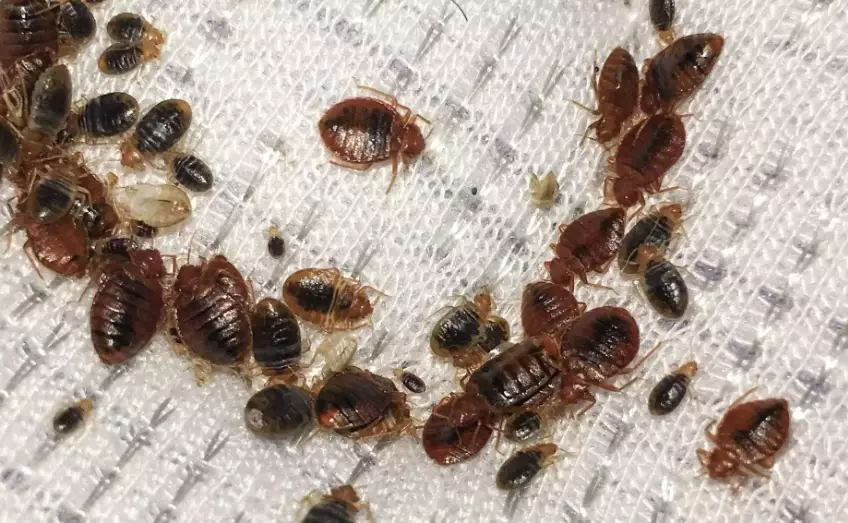
Think of the adult bed bug as the final form. It's what most pictures show you. After feeding, its body swells and elongates, becoming a deeper, more vibrant red. The color then darkens to a rusty brown over the next few days as it digests. Its flat, wingless body is perfectly adapted for hiding in seams, cracks, and crevices as thin as a credit card—a frustratingly good design for a pest.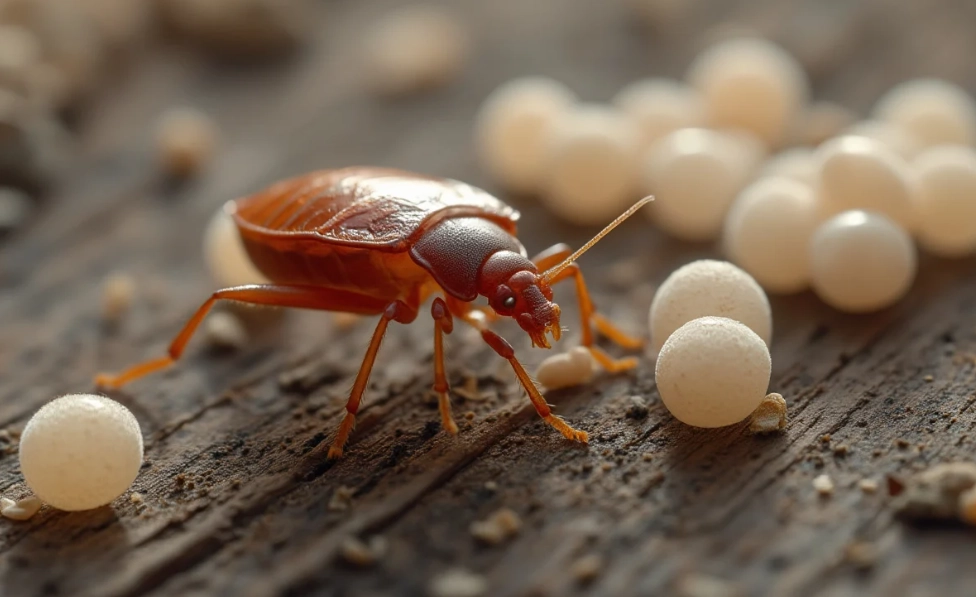
How to Spot a Bed Bug at Every Life Stage
If you only look for apple seeds, you'll miss 95% of an active infestation. Bed bugs start tiny. Here’s the breakdown you need, stage by stage.
Eggs and Newborn Nymphs: The Invisible Threat
This is where most DIY inspections fail. Bed bug eggs are about 1mm long—the size of a pinhead. They're pearly white and often have a tiny dark eye spot if they're close to hatching. They're sticky and laid in clusters, commonly found glued to rough surfaces like wood or fabric seams. You'll need a flashlight and maybe even a magnifying glass. The newly hatched nymphs (baby bed bugs) are nearly translucent and no bigger than a poppy seed. You can literally see the blood inside them after they feed. They're easy to mistake for a tiny speck of dirt.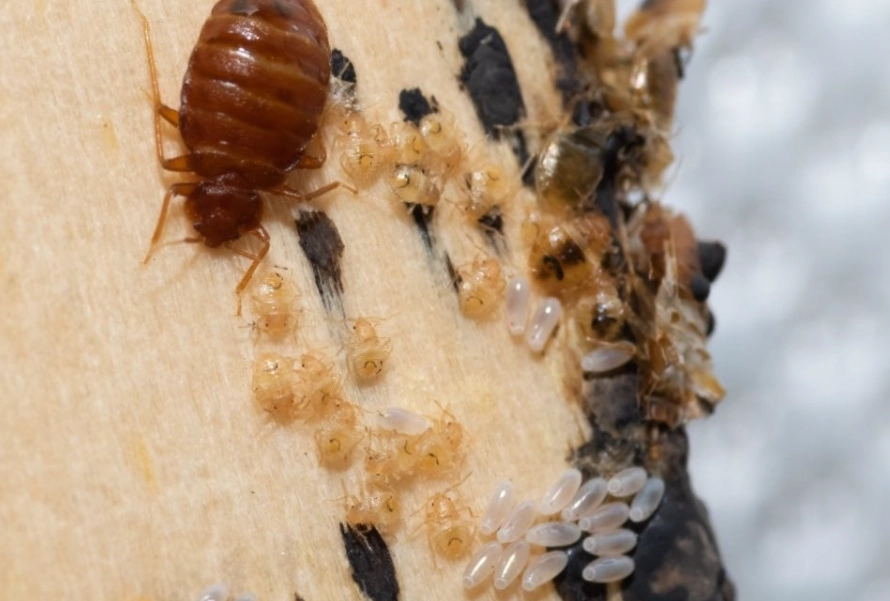
Nymphs (Juveniles): Growing and Shedding
As nymphs grow, they pass through five stages, molting their exoskeleton each time. They gradually darken from pale yellow to the reddish-brown of an adult. Before feeding, they're flat and light brown. After feeding, they become a noticeable red and are much easier to spot. The shed skins, pale yellow and hollow, are a definitive sign of an active population, even if you never see a live bug.
| Life Stage | Approximate Size | Color (Unfed) | Key Identifier |
|---|---|---|---|
| Egg | 1mm (pinhead) | Pearly white | Clustered, sticky, in seams/crevices |
| 1st Stage Nymph | 1.5mm (poppy seed) | Translucent/ pale yellow | Nearly invisible; turns red after feeding |
| 2nd-5th Stage Nymph | 2mm - 4.5mm | Light tan to reddish-brown | Darkens with each molt; look for shed skins |
| Adult | 5-7mm (apple seed) | Reddish-brown | Flat, oval, wingless; swells & reddens after blood meal |
Critical Signs That Aren't the Bugs Themselves
Sometimes, you see the evidence before you see the insect. Knowing these signs is non-negotiable.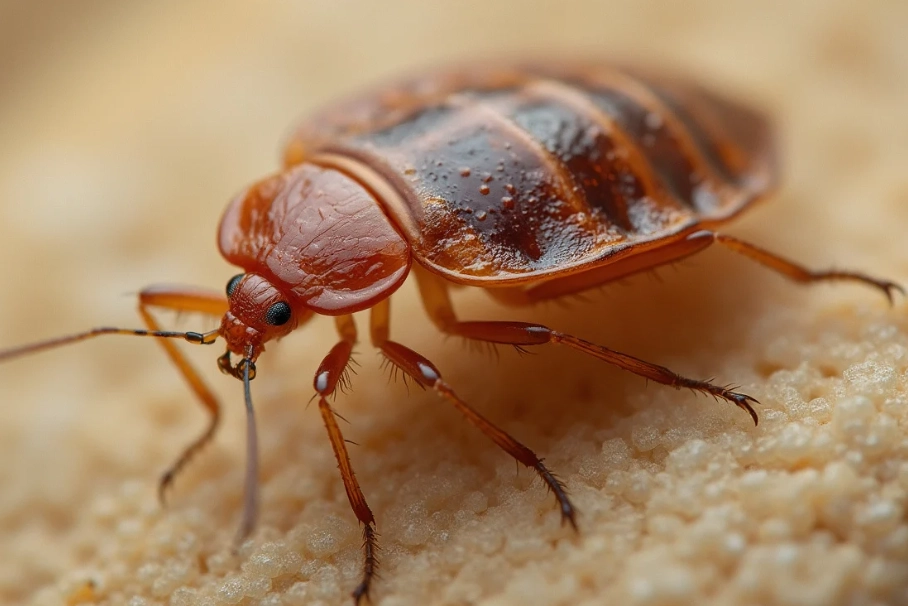
Fecal Spots: This is the most common sign. They look like tiny black dots, about the size of a period made with a fine-tip pen. They smear if you wipe them with a damp cloth (because it's digested blood). You'll find them on mattress seams, box springs, headboards, and even walls or wallpaper. A cluster of these is a huge red flag.
Blood Stains: Small, rusty-red smears on your sheets or pillowcases. These happen when you accidentally crush a fed bug in your sleep.
A Musty Odor: In severe infestations, a sweet, musty smell from the bugs' scent glands becomes noticeable. It's often compared to rotten raspberries or coriander. Don't rely on this alone for early detection.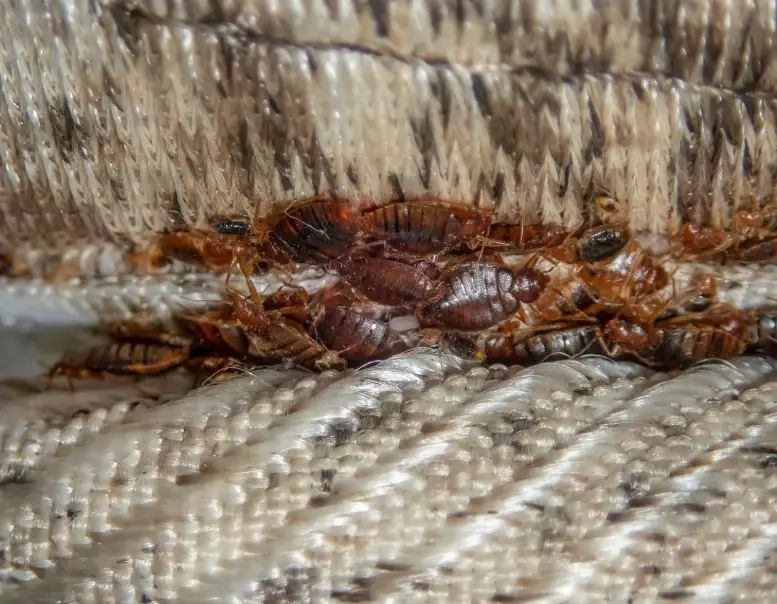
Common Look-Alikes: What It's Probably Not
Not every small brown bug is a bed bug. Misidentification wastes time and money. Here are the usual suspects:
- Carpet Beetles: These are rounded, have wings, and are often mottled with white or yellow. Their larvae are fuzzy and can cause itchy rashes mistaken for bites.
- Booklice: Tiny, soft-bodied, and pale. They're found in damp areas, not your bed.
- Bat Bugs or Swallow Bugs: Nearly identical to bed bugs under a microscope. The key difference? Their primary host is bats or birds. If you find them, check your attic or eaves for wildlife.
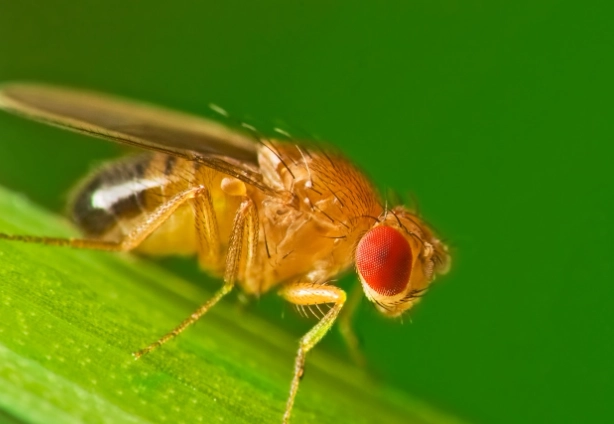
- Fleas: Smaller, darker, and laterally compressed (thin side-to-side). They jump. Bed bugs crawl.
I once went to a call where a client was convinced they had bed bugs. They'd been spraying insecticide for weeks. The "bugs" were actually flakes of tobacco from a pipe smoker that had gotten damp and clumped in the carpet seam. A classic case of panic over perception.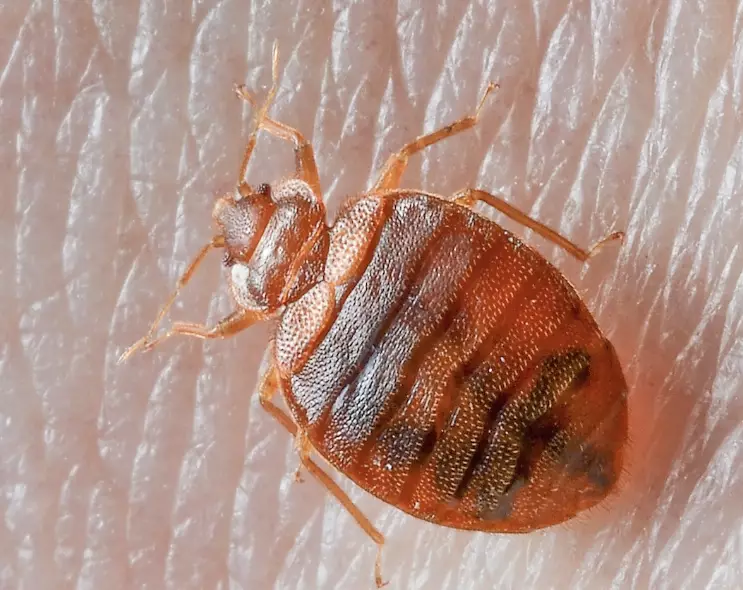
Your Step-by-Step Bed Bug Inspection Checklist
Grab a bright flashlight, a credit card (for prying into seams), and maybe some magnifying glasses. Do this during the day, but pull the shades to make your flashlight more effective.
Step 1: Strip the Bed. Remove all bedding and put it directly into a sealed plastic bag. Inspect every inch of the sheets, especially the folds and seams, for blood stains or fecal spots.
Step 2: The Mattress & Box Spring Exam. This is ground zero. Use your flashlight and credit card. Focus on:
- All seams, piping, and tags on the mattress.
- Any rips or holes in the fabric.
- The entire surface of the box spring, especially the underside and the wooden frame inside. This is a favorite harbor.
- The bed frame, particularly screw holes, joints, and where the frame meets the wall or floor.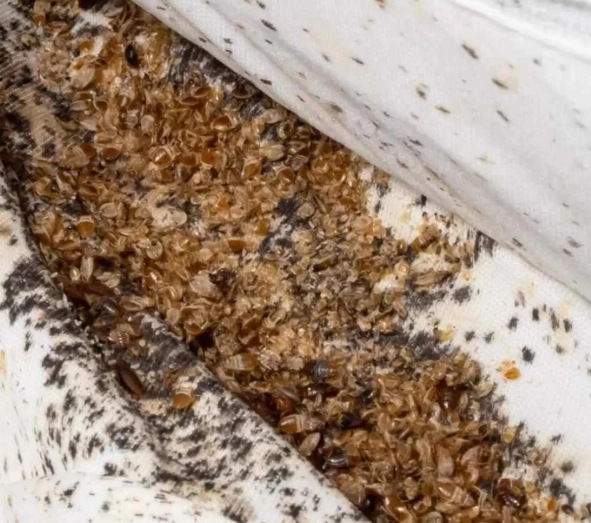
Step 3: Expand the Search. They don't stay on the bed. Check within a 15-foot radius:
- Behind headboards and pictures on the wall.
- In the seams and crevices of upholstered furniture (couches, chairs).
- Along the edges of carpeting and baseboards.
- Inside electrical outlets and switch plates (turn off the power first!).
- In drawers and clutter on nightstands.
Take your time. Move slowly. The bugs are masters of stillness.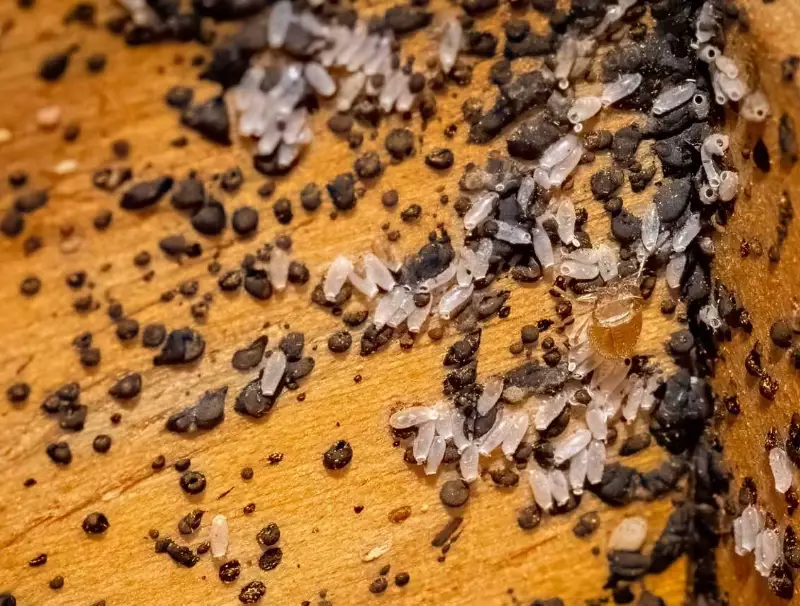
Your Bed Bug Identification Questions, Answered
Can you actually see bed bugs with the naked eye?
Yes, you can see all life stages, but the eggs and early nymphs are incredibly challenging. They require excellent lighting and a keen eye. An adult or a fed nymph, however, is clearly visible. If you're unsure, take a piece of clear tape, press it over the suspected bug or speck, and stick it to a white piece of paper. This gives you a stable sample to examine closely or show to a professional.
I found a tiny bug on my mattress. How can I tell if it’s a bed bug or something else?
First, look at the body shape. Is it flat and oval like an apple seed, or is it rounded or shaped differently? Second, check for wings. Bed bugs have wing pads but no functional wings; they cannot fly or jump. Third, consider the location. Finding a single bug deep in a mattress seam is more suspicious than finding one on a sunlit windowsill. The presence of fecal spots or shed skins nearby is the strongest corroborating evidence.
Do bed bugs look different after they feed?
Dramatically different. An unfed bed bug is flat and brown. Once it feeds to fullness, its abdomen expands like a balloon, stretching the segmented body. It becomes longer, more cylindrical, and takes on a vibrant, bloody red color. Over the next several days, it digests the meal and darkens back to brown. This change in appearance is a critical identification point.
Are there official pictures or resources I can compare to?
Absolutely. For authoritative, high-resolution images, I always recommend the U.S. Environmental Protection Agency (EPA) bed bug page or the Centers for Disease Control and Prevention (CDC) website. University entomology departments, like those at Rutgers or the University of Kentucky, also have excellent photo galleries and fact sheets that are science-based and reliable.
I see bites but no bugs. Could it still be bed bugs?
It's very common, especially in early infestations. The bugs are nocturnal and expert hiders. Bites alone are never a reliable identifier, as many skin conditions look similar. Your mission shifts from looking for bugs to looking for signs of bugs. Follow the inspection checklist above meticulously, focusing on fecal spots. If you have bites and find confirmed fecal spotting, you have a strong case for bed bugs, even without a live specimen.
Comments