You’re in the basement grabbing a box, or maybe you’re up late and flick on the bathroom light. There it is—a small, silvery, alien-looking bug scuttling under the door or vanishing into a crack. Your first thought: what is that? Your second: is my house infested? Finding a silverfish bug in your house is a common experience, but it’s one that sparks immediate concern about damage and hygiene. Let’s cut to the chase: a few silverfish are a warning sign; many indicate a habitat problem you need to fix. This isn’t just about killing bugs you see. It’s about understanding why they’re there and systematically removing the conditions that welcome them. I’ve dealt with this in old apartments and helped friends salvage precious books from these pests. The standard advice online often misses the subtle, long-game strategies that actually work.
What You'll Find in This Guide
What Are Silverfish Bugs and Why Are They in My House?
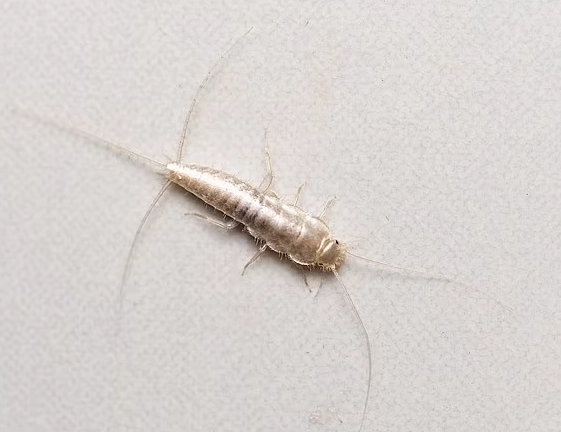
Silverfish (Lepisma saccharina) are primitive, wingless insects. They’re named for their fish-like shape and silvery, metallic scales. They move with a wiggling motion that’s unmistakable. They love darkness, humidity, and specific food sources. If you have them, your house is providing the trio they need: moisture, shelter, and food.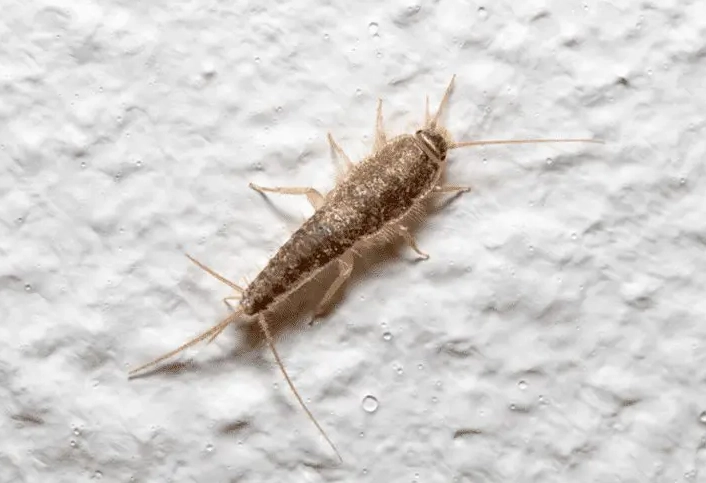
Where you’ll find them: Don’t just look on the floor. Check the vertical spaces. Bathrooms and basements are prime real estate, but kitchens (under sinks), attics (if humid), and closets storing clothes or books are just as likely. They hide in cracks, behind baseboards, under loose wallpaper, and inside cardboard boxes.
Their primary food source is polysaccharides—think starches and complex sugars. This includes the glue in book bindings, wallpaper paste, photographs, cotton, linen, silk, and even dander. They can survive months without food if water is available, which is why controlling humidity is non-negotiable.
The Real Damage Caused by a Silverfish Infestation
They won’t bite you or your pets. The damage is purely to your belongings, and it can be significant and expensive if left unchecked.
Top 3 Targets of Silverfish Damage:
Books, Documents, and Photographs: This is the heartbreaker. I’ve seen first-edition pages with characteristic notches eaten out of the edges and old photo albums with yellow stains (their excrement) and surface grazing. They eat the starch in the paper and the binding glue.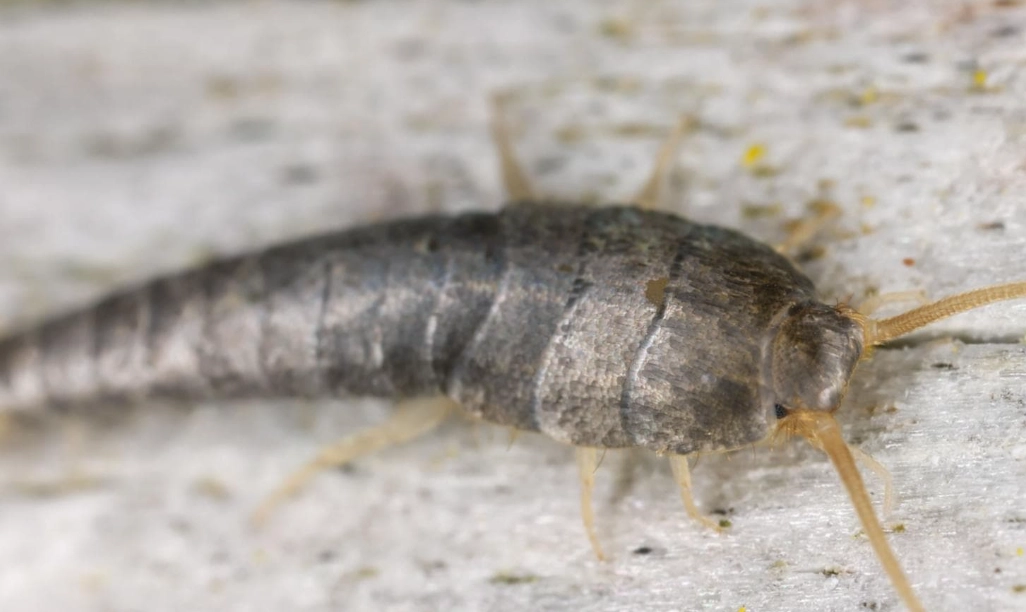
Clothing and Fabrics: They prefer natural fibers like cotton, linen, and silk, especially if items are soiled with food stains or sweat. The damage appears as irregular holes or surface shredding.
Wallpaper and Drywall: The paste behind wallpaper is a feast. Infestations can cause wallpaper to loosen. They may also lightly graze on the paper facing of drywall.
Beyond the physical damage, their presence indicates a persistent moisture issue (which can lead to mold) and their shed scales and excrement can trigger allergies in sensitive individuals, as noted in resources from agencies like the National Pest Management Association (NPMA).
How to Get Rid of Silverfish Bugs: A Step-by-Step Guide
Spraying one bug with cleaner feels satisfying but solves nothing. You need a multi-pronged, integrated approach. Here’s a tactical plan.
Step 1: Inspection and Identification of Hotspots
Grab a flashlight and a notepad. You’re on a reconnaissance mission. Check all areas with >70% humidity. Use a hygrometer (a cheap tool) to measure. Key spots:
- Bathroom corners, under the sink, around the toilet base.
- Basement corners, near sump pumps, foundation cracks.
- Kitchen under appliances (fridge, dishwasher) where condensation occurs.
- Attic if it lacks ventilation.
- Closets with stored boxes, especially cardboard.
Look for their signs: tiny black pepper-like droppings, yellow stains, shed silvery scales, or the actual damage on materials.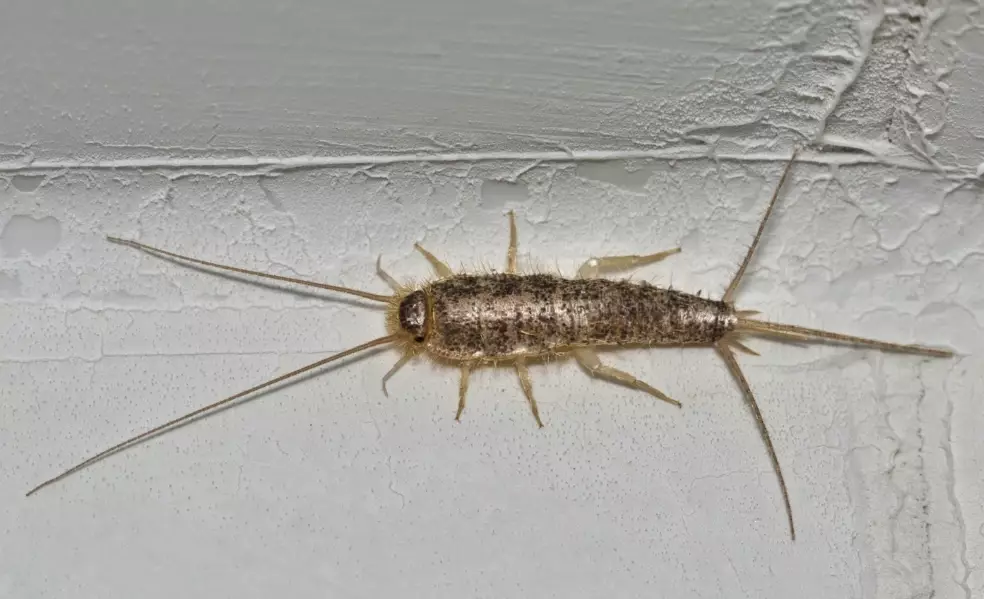
Step 2: Immediate Reduction of Humidity
This is your most powerful weapon. Silverfish desiccate and die in dry conditions.
- Dehumidify: Run a dehumidifier in basements and damp rooms. Aim to keep relative humidity below 60%.
- Ventilate: Use exhaust fans in bathrooms and kitchens for at least 20 minutes after showering or cooking.
- Fix Leaks: Dripping pipes, faulty faucets, and poor drainage around the foundation are bug magnets. Fix them.
Step 3: Targeted Elimination Methods
Now, attack the population. A combination of bait and dust is more effective than sprays alone.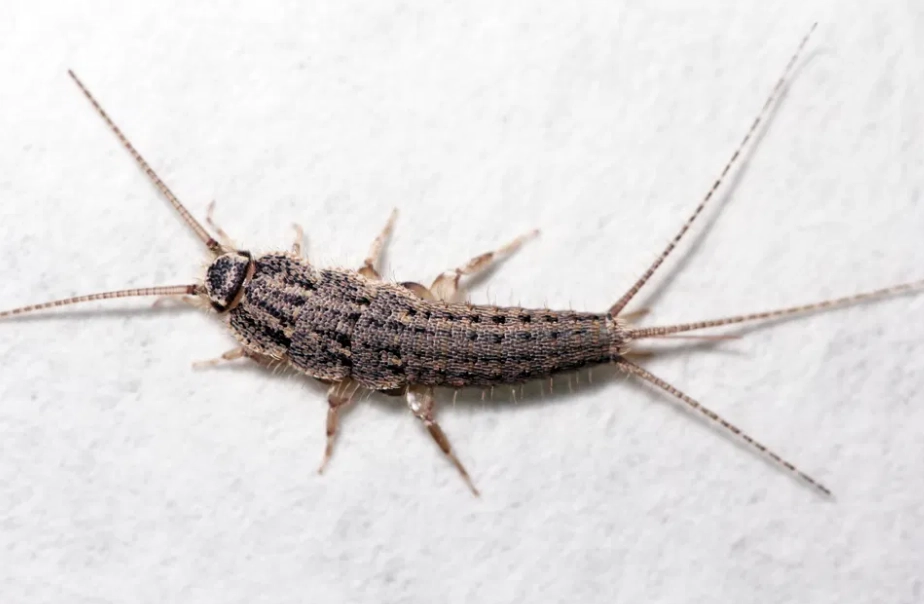
| Method | How It Works | Best Placement | Pro Tip / Caveat |
|---|---|---|---|
| Insecticidal Dust (Diatomaceous Earth or Silica Aerogel) | Scratches the insect's waxy coating, causing fatal dehydration. Works physically, so resistance isn’t an issue. | Puffed lightly into wall voids, under appliances, behind baseboards, and attic crawl spaces. Wear a mask during application. | This is a long-term barrier. It remains effective as long as it’s dry and undisturbed. Don’t use it where it will get wet. |
| Silverfish Baits & Traps | Contains an attractant (food) and a slow-acting insecticide. Silverfish eat it, share it via trophallaxis, and die later. | Along skirting boards, in corners of closets, under sinks, near bookcases. Use multiple stations. | Place them near harborage sites, not in the middle of a room. Be patient—it can take weeks to see a major drop in population. |
| Sticky Traps | Simple monitors with a pheromone or food lure. Catches roaming insects. | Same as baits. Excellent for monitoring the severity of the problem and gauging your control success. | These are for monitoring and catching stragglers, not for eliminating an infestation. Check them monthly. |
Step 4: Remove Food Sources and Harborage
Make your house a terrible restaurant and hotel for them.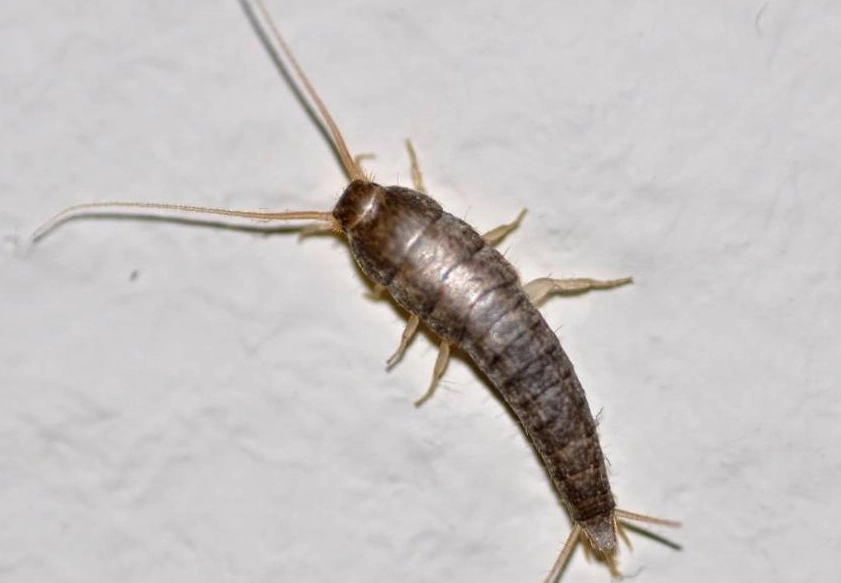
- Declutter: Get rid of old newspapers, magazines, and cardboard boxes. Store important documents and photos in sealed plastic bins, not cardboard.
- Seal Cracks: Use caulk to seal gaps around baseboards, pipes, windows, and in foundations. This limits their highway system.
- Store Smartly: Off-season clothing should be clean and stored in sealed plastic containers or cedar chests.
How to Prevent Silverfish from Coming Back
Prevention is about maintaining the hostile environment you’ve created.
Ongoing Moisture Control: Keep that dehumidifier running in prone seasons. Ensure gutters and downspouts direct water away from your foundation.
Routine Monitoring: Keep a few sticky traps in your basement, attic, and behind bookshelves. Check them every season. Catching one or two early is a sign to re-check your humidity levels and barriers.
Landscaping: Keep mulch, soil, and vegetation at least 6 inches away from your home’s siding to reduce dampness and access points.
This approach—reduce humidity, eliminate with targeted products, and exclude through sealing—is the core of Integrated Pest Management (IPM), a strategy supported by university extensions like those at Cornell University. It’s sustainable and effective.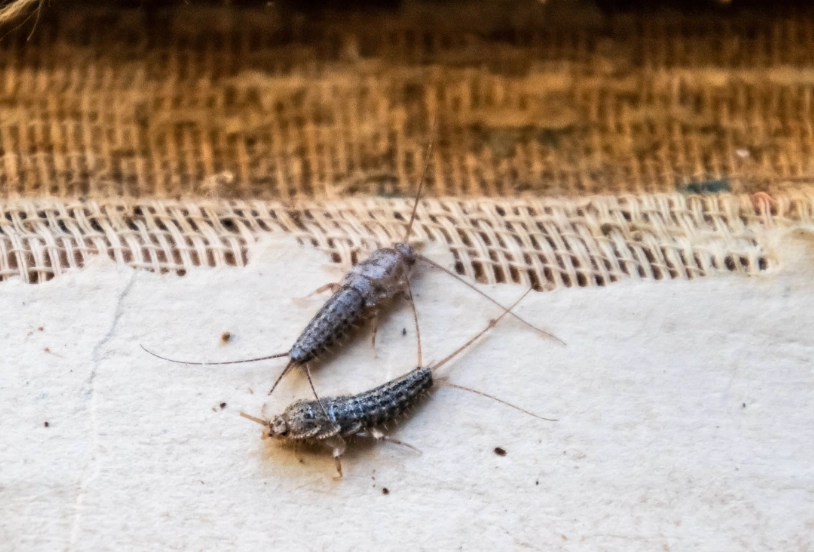


Comments