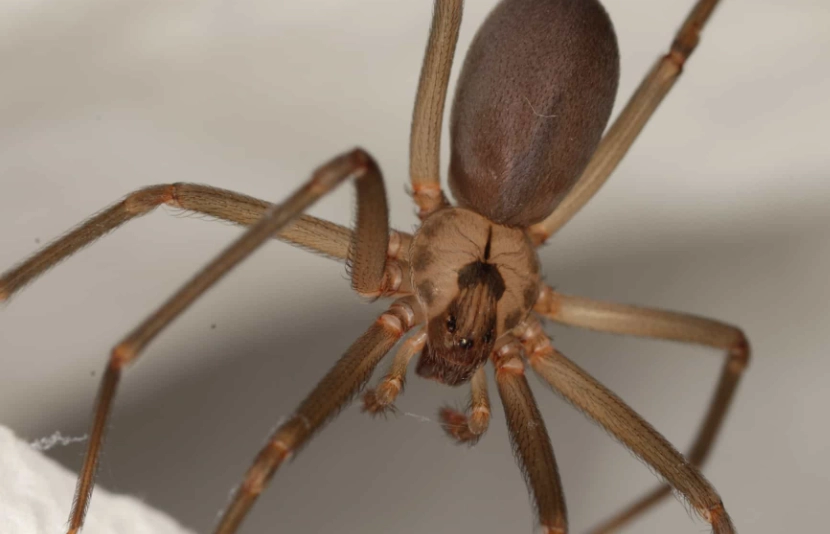
Let's cut through the noise. Most of what people call a "spider bite" isn't one. I've seen it countless times—a friend points to a red bump and blames a spider they never saw. The reality is, true spider bites are less common than you think, but when they do happen, knowing the specific symptoms is critical. This guide isn't just a list of common signs; it's a deep dive into how to tell a real spider bite from the dozens of other things that look like one, and more importantly, what to do next. We'll focus on the two spiders in the US with medically significant venom: the black widow and the brown recluse.
What You'll Find in This Guide
- The Most Common Spider Bite Symptoms (And Big Misconceptions)
- How to Identify a Spider Bite: A Step-by-Step Visual Guide
- Black Widow vs. Brown Recluse: A Symptom Comparison You Can't Miss
- Is It Even a Spider Bite? Common Imposters to Rule Out First
- When to Seek Medical Help: The Red Flags That Demand Action
- Your Spider Bite Questions, Answered
The Most Common Spider Bite Symptoms (And Big Misconceptions)
First, a crucial truth: many spider bites are "dry bites," meaning no venom is injected. You might just feel a quick pinch and see a tiny mark. When symptoms do appear, they often follow a pattern, but it's rarely the dramatic, instant reaction movies show.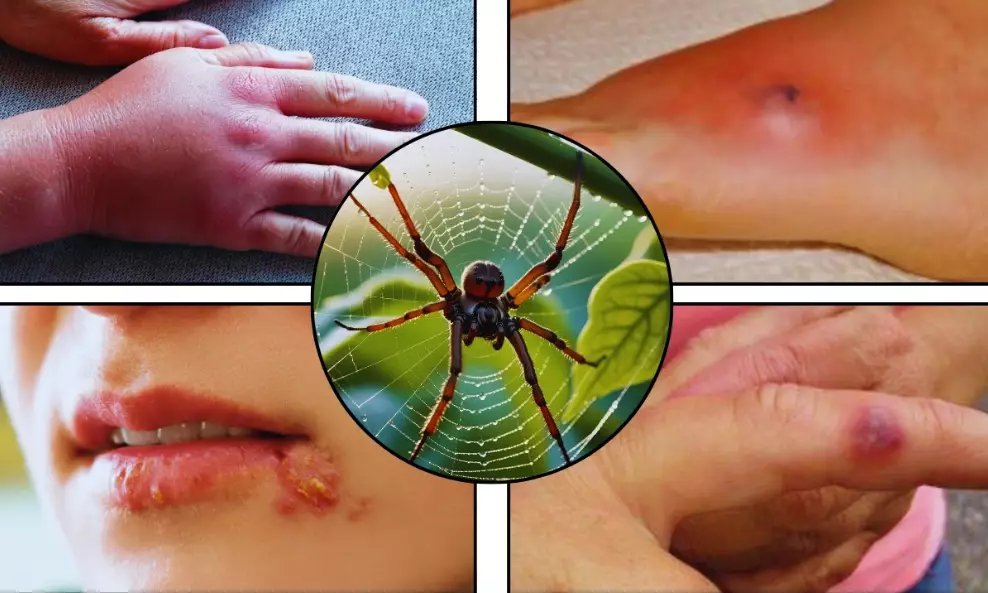
The initial sensation is often subtle. You might feel a sharp pinprick or a slight stinging. Sometimes, you feel nothing at all. The local reaction usually develops over several hours. Look for a small, red bump that can be itchy or mildly painful, similar to a mosquito bite. There might be slight swelling and redness around it.
Key Point: The single biggest mistake is assuming any unexplained skin lesion is a spider bite. Skin infections (like MRSA), other insect bites, and allergic reactions are far more common culprits. If you didn't see the spider, be skeptical.
How to Identify a Spider Bite: A Step-by-Step Visual Guide
Forget vague descriptions. Here's what you should actually look for, in order.
Step 1: The Immediate Aftermath (First Few Hours)
Check the center. Is there one or two tiny puncture marks? This classic "fang mark" sign is often talked about but frequently absent or too small to see. Don't rely on it. More reliable is the progression. Does the area start to develop a reddened halo? Is the pain localized and dull, not spreading rapidly?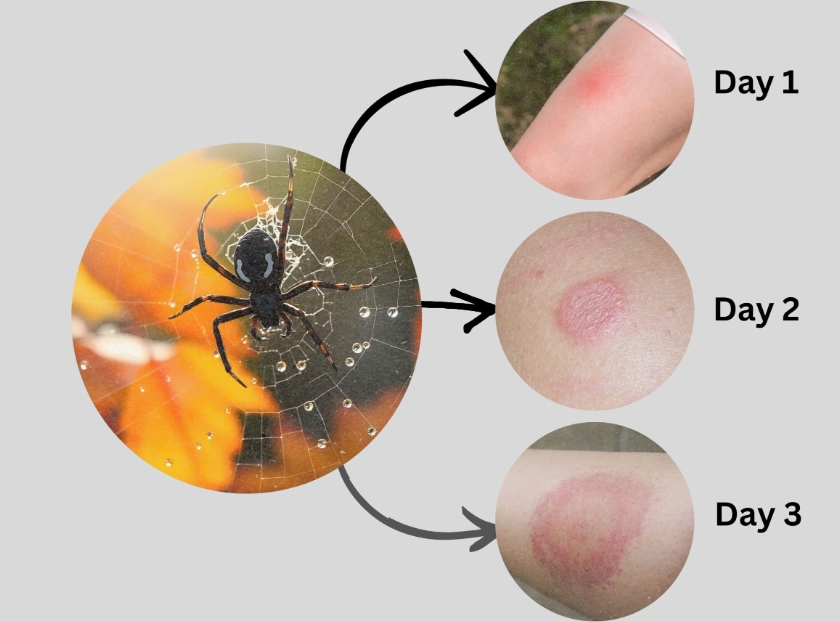
Step 2: The Progression (6-12 Hours Later)
This is where telling signs emerge. Watch for the bump to potentially develop a small blister or a central pale area. The pain or itch may intensify. For non-venomous bites, this is usually the peak. For bites from spiders like the brown recluse, this is just the beginning of a much slower, more serious reaction.
Step 3: Tracking Changes (Daily Check)
Mark the edge of the redness with a pen. This old nurse trick is gold. Check it in 12 hours. If the redness is spreading rapidly beyond your mark, that's a strong signal for infection (cellulitis) or a significant venom reaction. A spider bite from a harmless species will typically start to improve within a day or two.
Black Widow vs. Brown Recluse: A Symptom Comparison You Can't Miss
These two require different responses. Confusing them can lead to the wrong action. Here’s a breakdown based on information from sources like the Centers for Disease Control and Prevention (CDC) and the Mayo Clinic.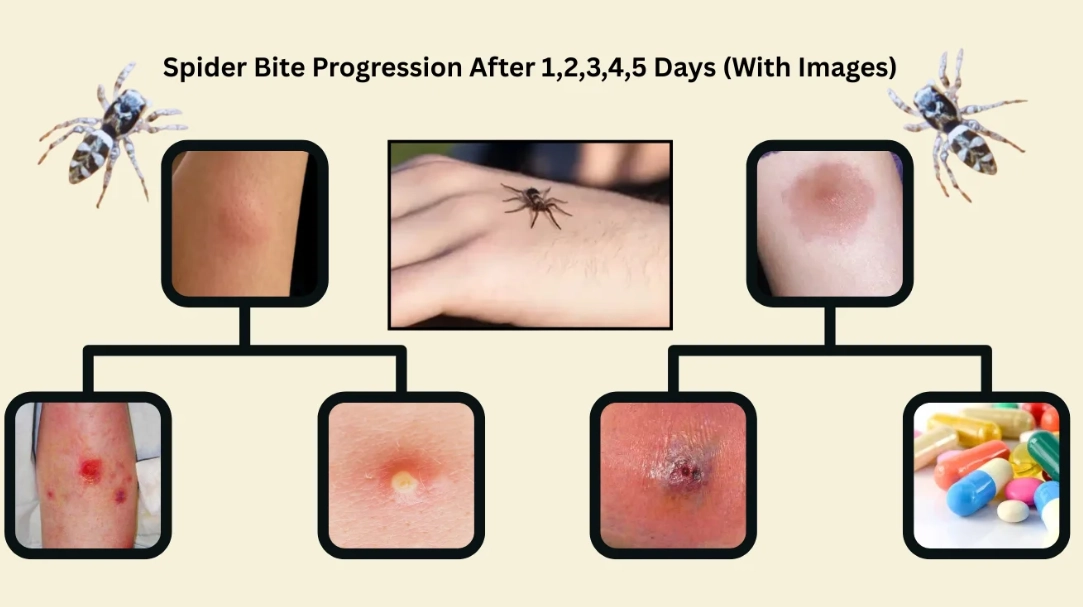
| Symptom Aspect | Black Widow Spider Bite | Brown Recluse Spider Bite |
|---|---|---|
| Initial Pain | Sharp pinprick, may be mild or unnoticed. | Often minimal or painless initially. This is deceptive. |
| Local Reaction (First 8 hrs) | Minor redness, slight swelling. Fang marks sometimes visible. | Redness, then a developing blister or bullseye pattern (red ring around pale center). |
| Systemic Symptoms | This is the hallmark. Severe muscle cramps (abdomen, shoulders, back), sweating, nausea, headache, hypertension. Pain peaks 1-3 hours after bite. | Less common. May include fever, chills, body aches, but primary issue is local tissue damage. |
| Progression (Days 1-3) | Systemic symptoms can last days but gradually improve with treatment. Local site remains mild. | The site can develop into a necrotic ulcer. The center becomes dark blue/purple, sinks in, and forms an open sore that is slow to heal. |
| Primary Danger | Neurotoxic venom affecting the nervous system. Can be severe for young children, elderly, or those with health issues. | Cytotoxic venom destroying skin and soft tissue. Risk of significant scarring and secondary infection. |
Critical Insight: The brown recluse bite's notorious ulcer doesn't appear immediately. The early stage looks like many other things. If you live in its range and get a bite that blisters and turns dark/blue in the center after 24-48 hours, suspect a recluse. Don't wait for the ulcer to form to seek care.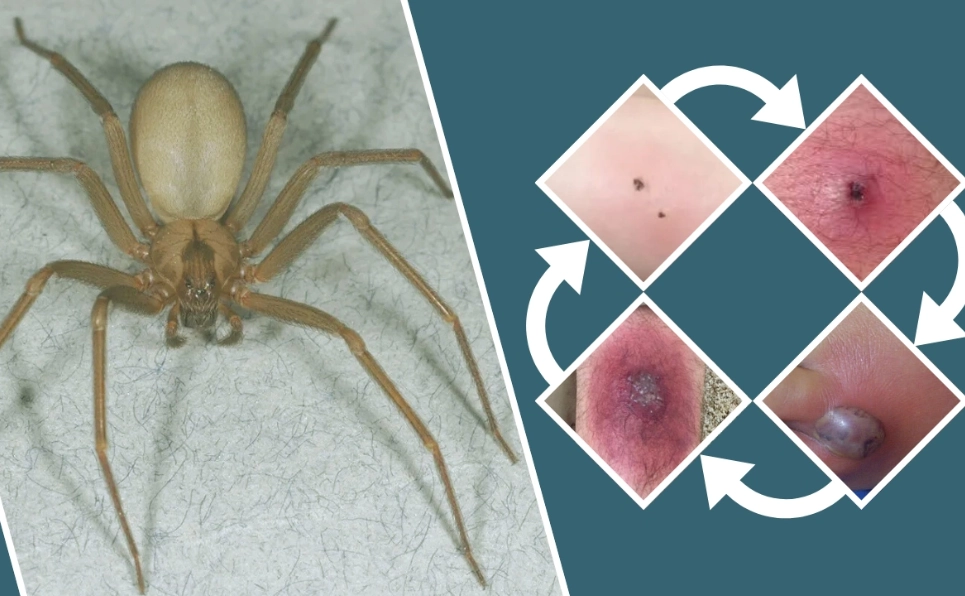
Is It Even a Spider Bite? Common Imposters to Rule Out First
Before you blame a spider, run through this mental checklist. I've seen doctors misdiagnose these as spider bites more often than not.
- MRSA Skin Infection (Staph): This is the #1 imposter. Starts as a red, swollen, painful bump that looks like a pimple or spider bite. It rapidly becomes a large, painful abscess filled with pus. Fever is common. It spreads quickly.
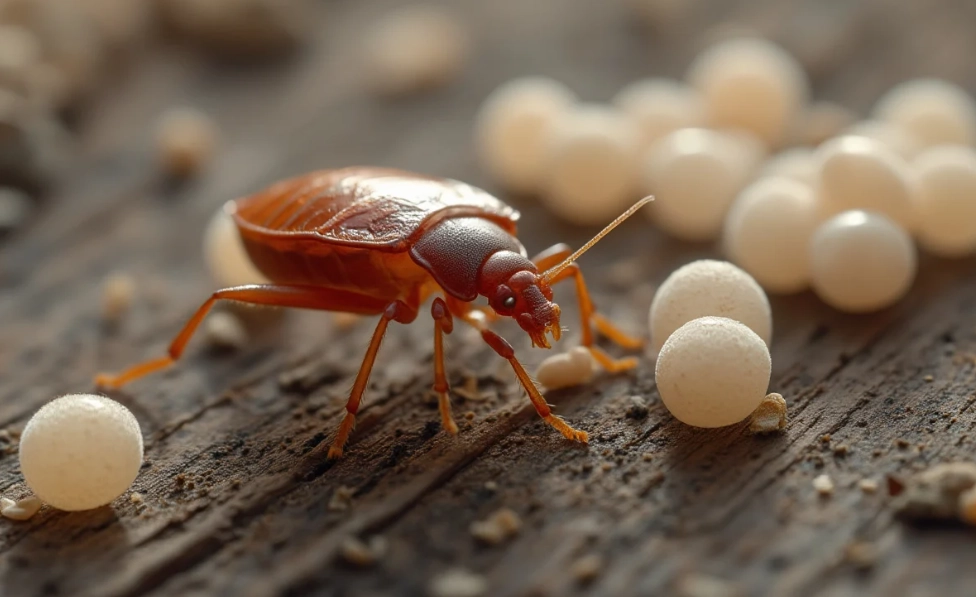
- Bed Bug Bites: Appear as small, red, itchy welts often in a line or cluster (breakfast, lunch, and dinner pattern). Usually on exposed skin while sleeping.
- Flea Bites: Small, intensely itchy red bumps, often around ankles or lower legs. Central red spot may be visible.
- Allergic Contact Dermatitis: From plants (poison ivy), chemicals, or metals. Causes itchy, red, blistering rash in the pattern of contact, not an isolated bump.
Here's the trick: Spiders bite in defense, usually once. If you have multiple bites, especially in groups or lines, think bugs, not spiders.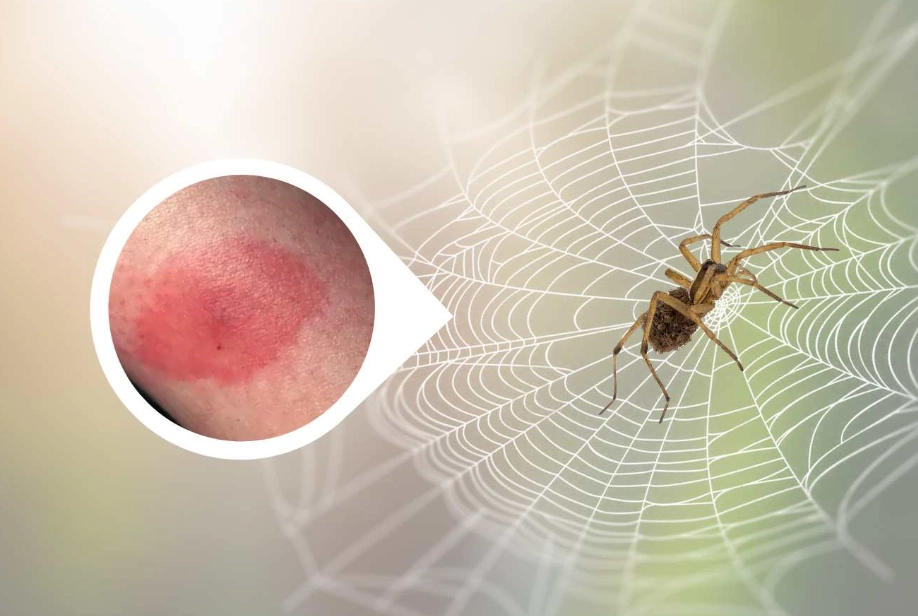
When to Seek Medical Help: The Red Flags That Demand Action
Don't play the waiting game with these symptoms. Head to an urgent care clinic or emergency room if you experience any of the following after a suspected bite:
- Severe, spreading pain or cramping, especially in the abdomen, back, or chest.
- Difficulty breathing or swallowing.
- A spreading red streak coming from the bite (sign of lymphangitis, a serious infection).
- The bite area rapidly expands, becomes increasingly painful, or develops pus.
- You develop a fever, chills, nausea, or muscle aches.
- The skin around the bite begins to turn dark blue, purple, or black.
- The patient is a young child, an older adult, or has a compromised immune system.
If you can safely catch the spider (without risking another bite), bring it in a sealed container. Identification can guide treatment.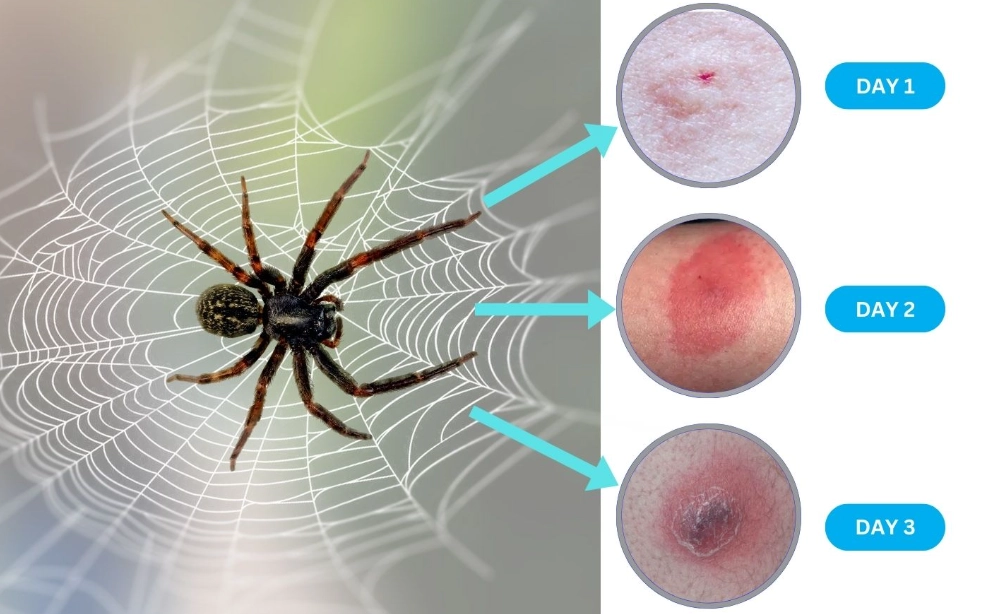

Comments