You're probably here because you've seen a squirrel dart across your yard, heard scratching in the attic, or found your garden veggies nibbled to bits. I get it—squirrels can be charming one minute and a total nuisance the next. Over the years, I've dealt with everything from squirrels raiding bird feeders to setting up a nursery in my chimney. This guide pulls together what I've learned, focusing on practical steps to identify, prevent, and control squirrels without the fluff.
Jump to What You Need
What Are Squirrels and Why Should You Care?
Squirrels are rodents, part of the Sciuridae family, and they're everywhere—from urban parks to suburban backyards. Most people think they're just cute critters, but if you own a home or garden, you might have a different view. They're opportunistic feeders, meaning they'll eat almost anything: nuts, seeds, fruits, and even insects. That adaptability is why they thrive near humans.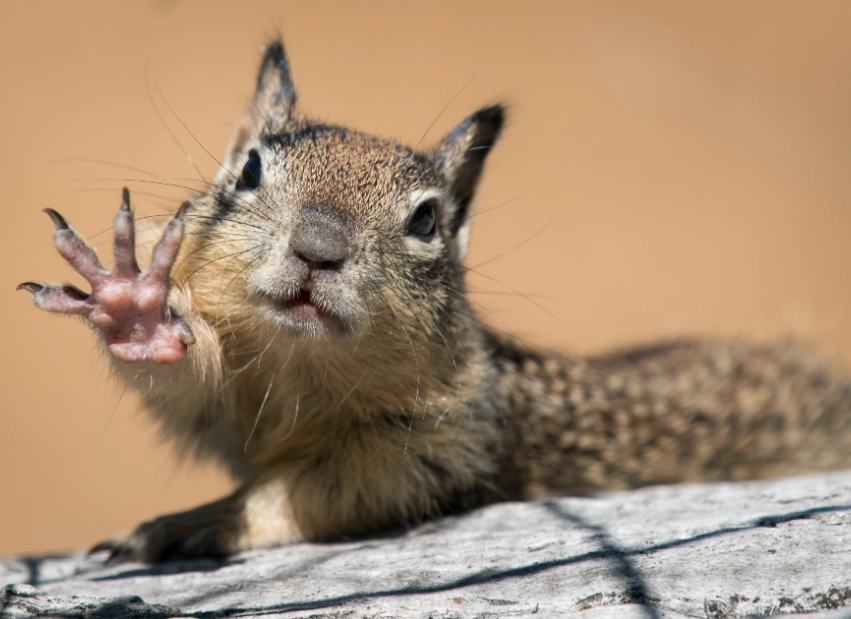
Why care? Well, squirrels can cause real damage. I once ignored some minor attic noises, only to find later that squirrels had chewed through electrical wiring, risking a fire. According to the National Pest Management Association, rodents like squirrels account for about 20% of unexplained house fires in the U.S. It's not just about property; squirrels can also disrupt local ecosystems by outcompeting native birds for food.
Quick tip: Don't assume squirrels are harmless because they look playful. Their teeth grow continuously, so they gnaw on wood, insulation, and wires to keep them trimmed. That's a recipe for expensive repairs.
How to Identify Common Squirrel Species
Knowing which squirrel you're dealing with helps tailor your approach. Here are the three most common in North America, based on my observations and data from the University of Michigan's Animal Diversity Web.
| Species | Appearance | Habitat | Typical Behavior |
|---|---|---|---|
| Eastern Gray Squirrel | Gray fur with white underbelly, bushy tail | Forests, suburbs, city parks | Bold, often seen on the ground; loves bird feeders |
| Fox Squirrel | Rusty orange to gray, larger than gray squirrels | Open woodlands, farmlands | Less aggressive, prefers trees over attics |
| Red Squirrel | Smaller, reddish-brown with white eye rings | Coniferous forests | Territorial, noisy; can damage pine cones and bark |
I've found that Eastern Gray Squirrels are the usual culprits for home invasions. They're agile and persistent. Once, I misidentified a fox squirrel as a gray one and used the wrong deterrent—it just ignored the ultrasonic repeller I set up. So, take a moment to observe: look at size, color, and where they're active.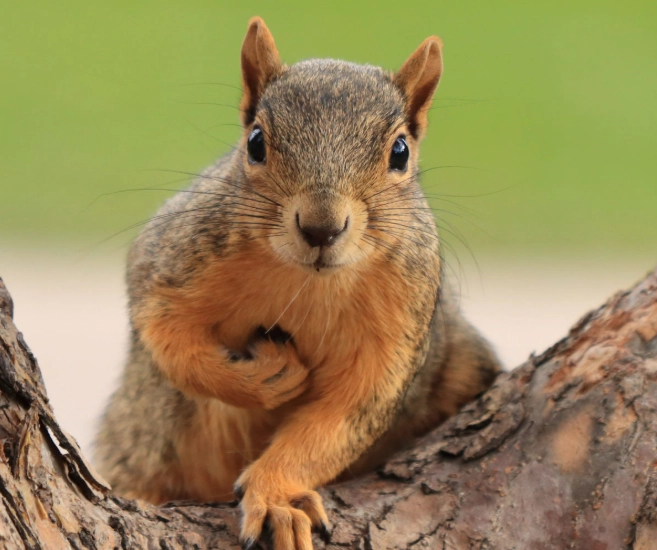
Spotting Signs of Squirrel Activity
Beyond species, you need to recognize signs they're around. Listen for scratching or rustling in walls, especially at dawn or dusk. Check for gnaw marks on wood trim or wires—squirrel teeth leave parallel grooves. In gardens, look for dug-up bulbs or half-eaten fruits. A common mistake is blaming birds for seed theft; squirrels often leave larger, messier piles.
Understanding Squirrel Behavior: The Key to Control
Squirrels aren't random; their behavior follows patterns. They're diurnal, most active in early morning and late afternoon. In fall, they hoard food for winter, which is why you might see them burying nuts everywhere. This hoarding instinct drives them into attics and sheds—they see your home as a safe storage unit.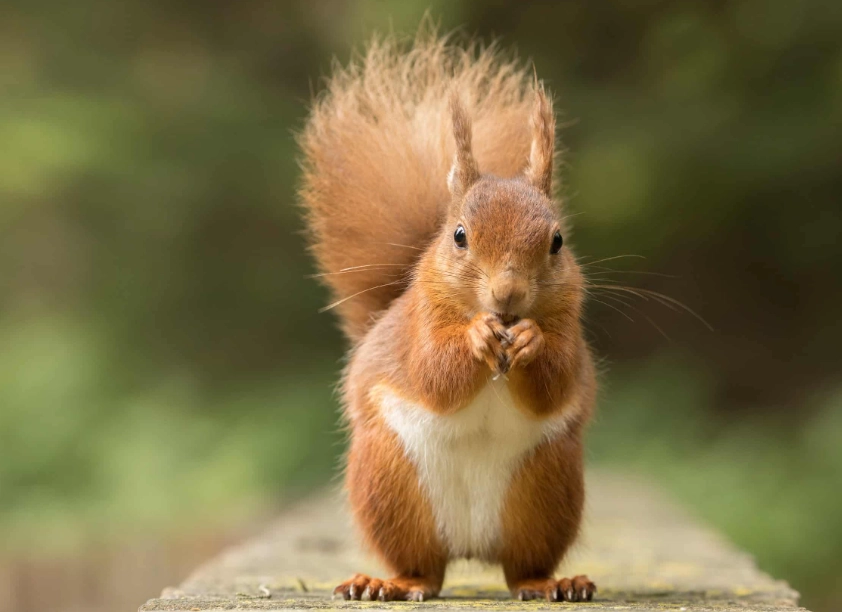
Breeding seasons matter. In most regions, squirrels breed twice a year: late winter and mid-summer. During these times, females seek sheltered spots to nest. If you hear persistent noises in spring, it could be a mother with kits. Removing them then requires extra care to avoid orphaning young ones.
I learned this the hard way. A few summers back, I sealed an attic vent without checking inside, only to discover later that a squirrel family was trapped. It led to a worse infestation as they panicked and chewed new entry points. Now, I always inspect before taking action.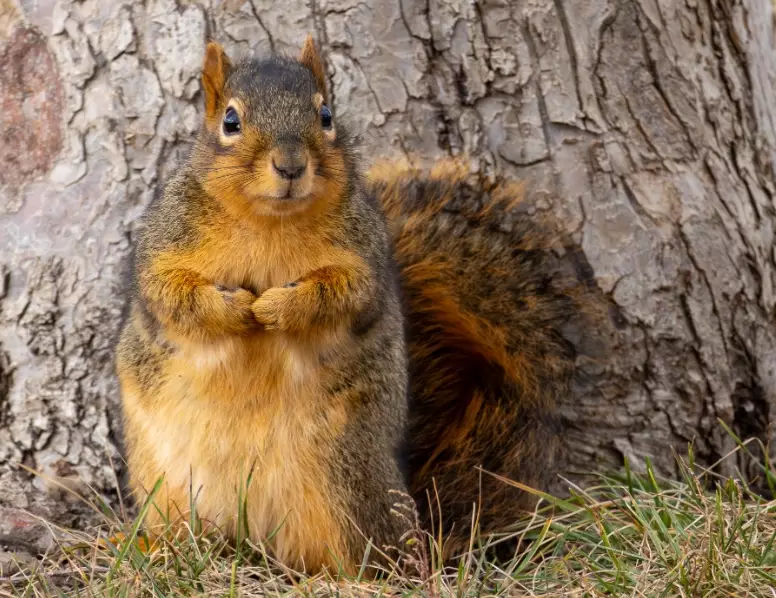
Preventing Squirrel Infestations: Proactive Steps
Prevention beats cure. Start with your home's exterior. Squirrels can jump up to 10 feet horizontally, so trim tree branches at least 10 feet away from your roof. Use metal flashing or hardware cloth to cover vents and chimneys—I prefer 1/4-inch mesh because squirrels can't chew through it.
- Secure food sources: Store bird seed in metal containers, not plastic bags. Use squirrel-proof bird feeders with weight-sensitive perches. In my garden, I switched to raised beds with wire mesh covers, which cut squirrel damage by 90%.
- Seal entry points: Inspect your attic and eaves for gaps. Even a hole as small as 2 inches can let squirrels in. Use steel wool or caulk for temporary fixes, but replace damaged wood permanently.
- Landscape wisely: Plant daffodils or marigolds—squirrels tend to avoid them. Avoid oak trees near your house if possible; acorns are a major attractant.
One thing most guides miss: squirrels adapt quickly. If you use a deterrent like a motion-activated sprinkler, move it every few weeks. Otherwise, they'll figure out its range and avoid it. I've seen squirrels learn to bypass static barriers by jumping from adjacent fences.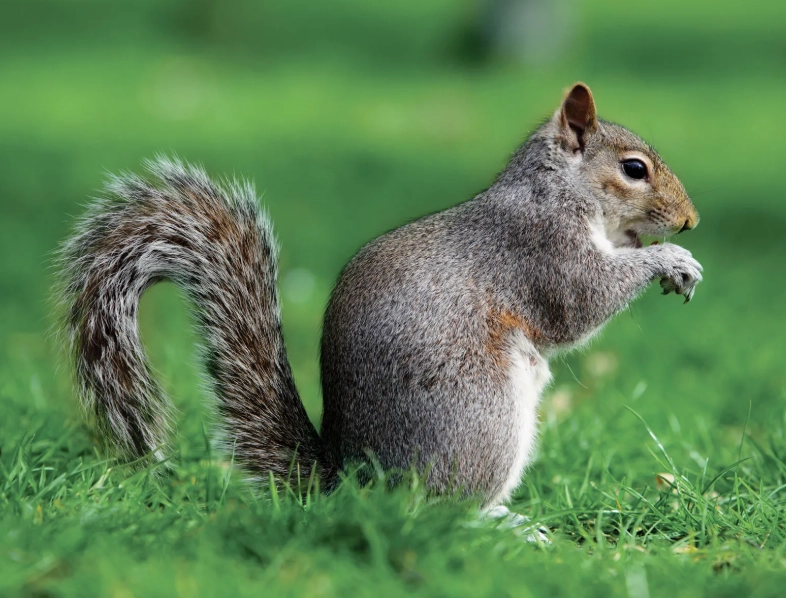
Humane Squirrel Control Methods
When prevention fails, you need control. Always aim for humane methods. Live trapping is common, but it's tricky. Use single-door traps baited with peanut butter or walnuts. Place them near entry points, but check local regulations—in some areas, like California, relocating wildlife is illegal without a permit.
After trapping, release squirrels at least 5 miles away in a suitable habitat, like a wooded area. Don't just dump them in a park; they might not survive. I made this mistake once, and the squirrel returned within days—apparently, they have a strong homing instinct.
For attics, exclusion is better. Install a one-way door over the main entry hole, allowing squirrels to leave but not re-enter. Wait until you're sure all are out, especially during non-breeding seasons. Then seal the hole permanently. This method worked for my neighbor's infestation last year; it took about a week but was effective.
Repellents can help too. Commercial sprays with capsaicin (hot pepper) deter squirrels from chewing. Apply them on wires or garden plants. However, rain washes them off, so reapply regularly. I've found homemade mixes with garlic and vinegar less reliable—squirrels get used to them fast.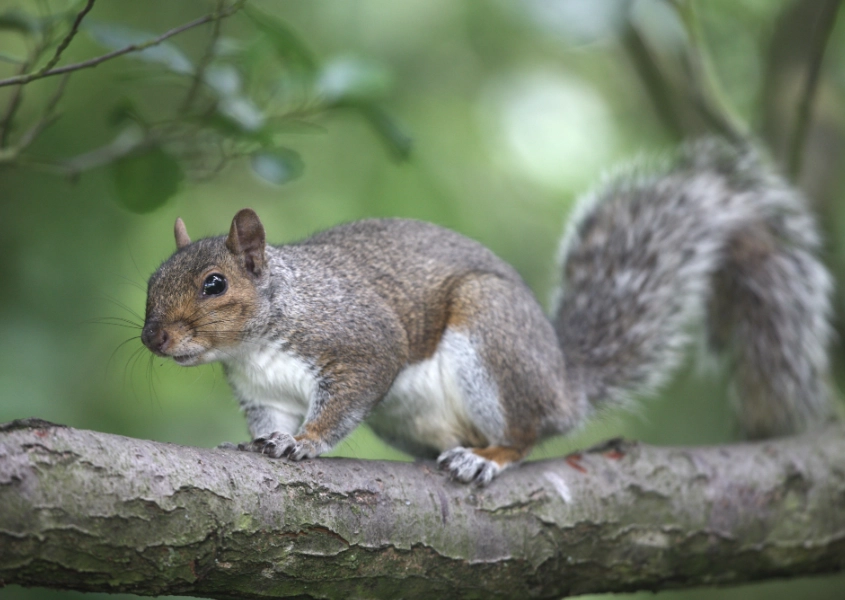
Expert insight: Many people overuse ultrasonic devices. Squirrels may initially avoid the sound, but they habituate within days. I tested one in my garage, and after a week, squirrels were nesting right next to it. Combine methods for best results.
Comments