You're out in the garden, and you spot it—a bee with striking black and white markings. Your first thought might be a mix of curiosity and a twinge of worry. Is it a friendly pollinator or a potential threat? I've been there. Years ago, I mistakenly sprayed a nest of what I thought were aggressive wasps, only to learn later they were valuable native bees. That mistake taught me the importance of knowing what you're dealing with. This guide is the one I wish I'd had.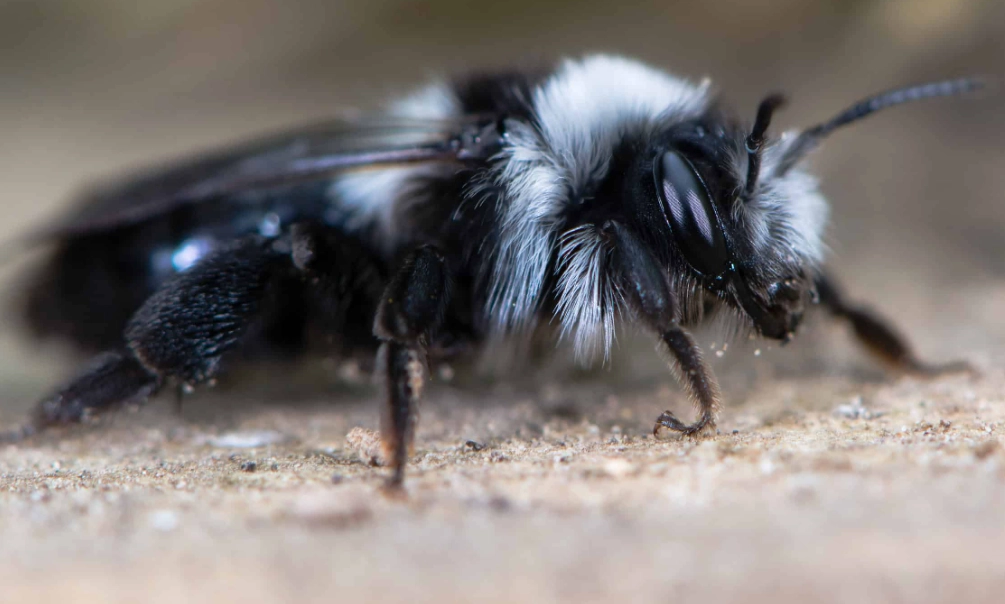
Let's cut to the chase. That black and white bee you're seeing is most likely one of a few common species, and the vast majority are nothing to panic about. In fact, they're crucial for our ecosystem. This guide will walk you through exactly how to identify them, understand their behavior, and make smart decisions about co-existing with them or, when necessary, managing them safely.
What You'll Find in This Guide
What Are Black and White Bees? A Visual Guide to Common Species
Not all black and white bees are the same. The term covers several insects, from solitary carpenters to social bumblebees. Misidentification is the root of most problems—and unnecessary pesticide use. Here’s a breakdown of the usual suspects.
The Eastern Carpenter Bee (Xylocopa virginica)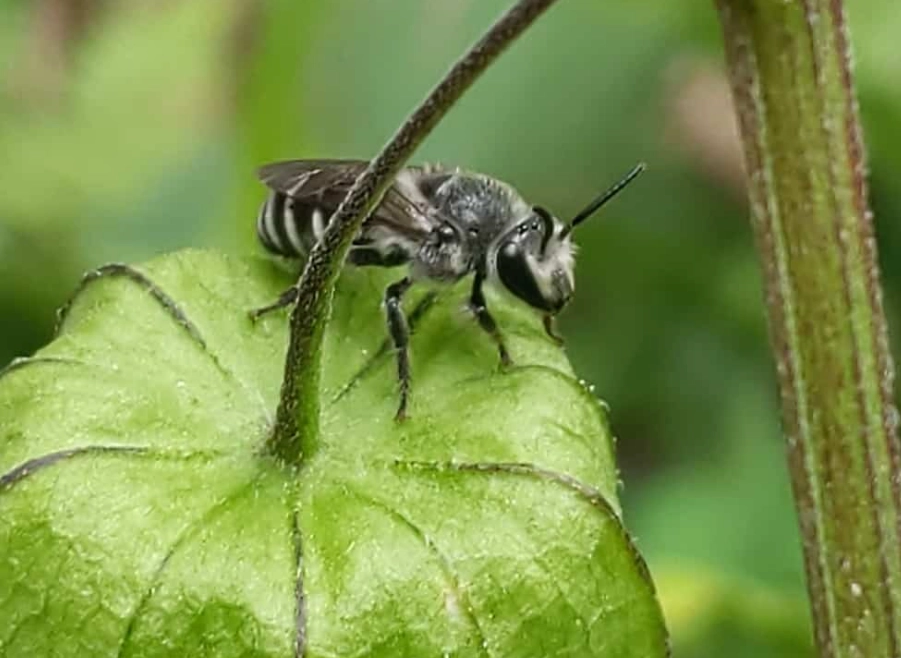
This is the one that causes the most homeowner calls. Males are often fuzzy and have white or yellow faces. Females are solid black on the face. Both have a shiny, hairless black abdomen. The key giveaway? They hover around wooden structures—deck railings, eaves, fence posts—and drill near-perfect circular holes to create nesting tunnels.
They're often confused with bumblebees because of their size, but carpenter bees have that distinctive glossy backside, while bumblebees are fully fuzzy.
Various Bumblebee Species (Bombus spp.)
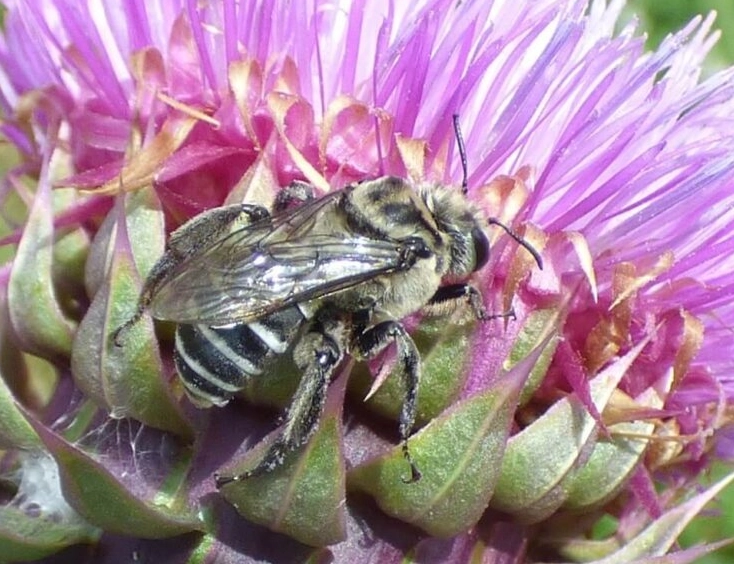
Many bumblebees have black and white patterning. The American bumblebee (Bombus pensylvanicus) often has a black thorax with a yellow band and a mostly black abdomen with a white tip. The Two-spotted bumblebee (Bombus bimaculatus) has distinctive two yellow spots on its abdomen. They're robust, fuzzy all over, and fly with a characteristic lazy, buzzing hum.
Bumblebees nest in the ground, often in abandoned rodent burrows, under piles of leaves, or in compost heaps. A nest might house 50-400 individuals at its peak.
The Bald-Faced Hornet (Dolichovespula maculata)
Okay, technically this is a wasp, not a bee, but it's the number one imposter that gets people worried. It's black with stark white markings on its face and the tip of its abdomen. They build those large, gray, football-shaped paper nests in trees, shrubs, or under eaves. They are defensive of their nest and can sting repeatedly. This is the one you do need to be more cautious around.
| Species | Key Identifying Features | Nesting Habits | Social Structure |
|---|---|---|---|
| Eastern Carpenter Bee | Large, shiny black abdomen, fuzzy thorax, hovers near wood. | Solitary tunnels in dead wood (decks, fences). | Mostly solitary, but may live near others. |
| Bumblebee | Robust, entirely fuzzy body, black with white/yellow bands. | Ground nests (old rodent holes, compost). | Social, annual colonies (dozens to hundreds). |
| Bald-Faced Hornet | Black with white face and abdominal tip, smooth body. | Large, gray paper nests in trees/shrubs. | Highly social, aggressive defenders. |
If you're unsure, take a photo from a safe distance. Resources like the Pollinator Partnership or your local university extension service (search for "[Your State] cooperative extension entomology") can help with identification.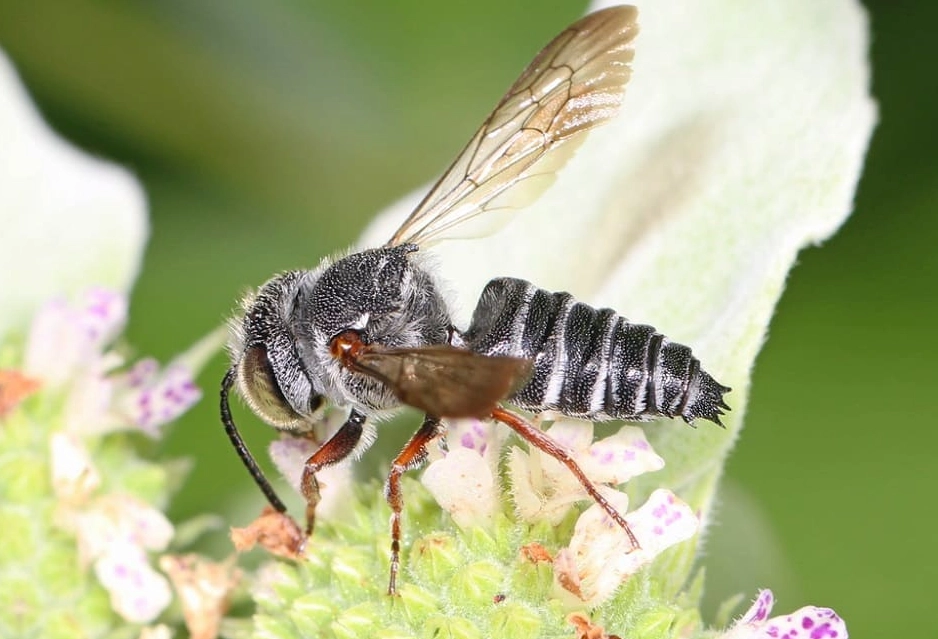
Are Black and White Bees Dangerous? Separating Fact from Fear
This is the heart of the matter. The risk depends almost entirely on the species and the context.
Carpenter bees are largely bluffers. The males, which have the white faces, are the ones that zoom aggressively near you. They cannot sting—they lack a stinger. Their job is to scare you away from the nest. The females can sting but are remarkably docile when foraging. They only sting if you directly handle them or their nest opening. The real "danger" from carpenter bees is structural damage over many years, not stings.
Bumblebees are gentle giants. They are critical native pollinators. They can sting in defense of their nest, but they are not aggressive foragers. I've knelt inches away from bumblebees on flowers without issue. The sting risk is very low unless you accidentally step on a ground nest or disturb it with a lawnmower.
A common mistake is assuming all flying black and white insects pose the same threat. That fear leads to the unnecessary killing of vital pollinators like carpenter and bumblebees, which are facing population declines. According to a report by the USDA Forest Service, native bees like these are irreplaceable for pollinating many wild plants and crops.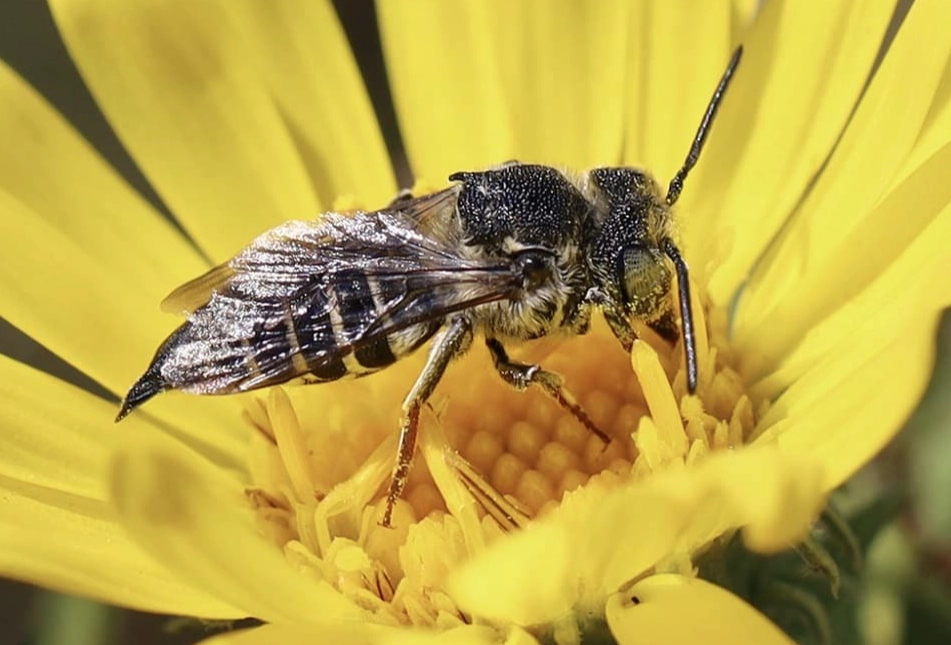
How to Safely Manage Black and White Bees Around Your Property
Your strategy should be proportional to the situation. The goal is rarely elimination; it's coexistence or intelligent relocation.
Step 1: Assess the Situation
Is it a single bee foraging on flowers? Leave it alone—it's working. Is it a carpenter bee drilling into a critical structural beam? That needs action. Is it a bumblebee nest in an unused part of the yard? Consider letting it be for the season (they die off in winter). Is it a bald-faced hornet nest by the patio? Plan for professional removal.
Step 2: Prevention and Deterrence (For Carpenter Bees)
If carpenter bees are targeting specific wood, you have options:
Paint or seal the wood. They strongly prefer untreated, weathered softwoods like cedar, pine, and redwood. A good coat of paint or polyurethane is a strong deterrent.
Use sacrificial wood. Some gardeners place an untreated pine board away from the house to attract bees away from structures.
Fill existing holes in fall or winter when they are empty. Use wood putty or a wooden dowel coated with glue. Doing this in spring or summer traps young bees inside, which is inhumane and can cause staining from decaying larvae.
Step 3: Safe Removal (When Necessary)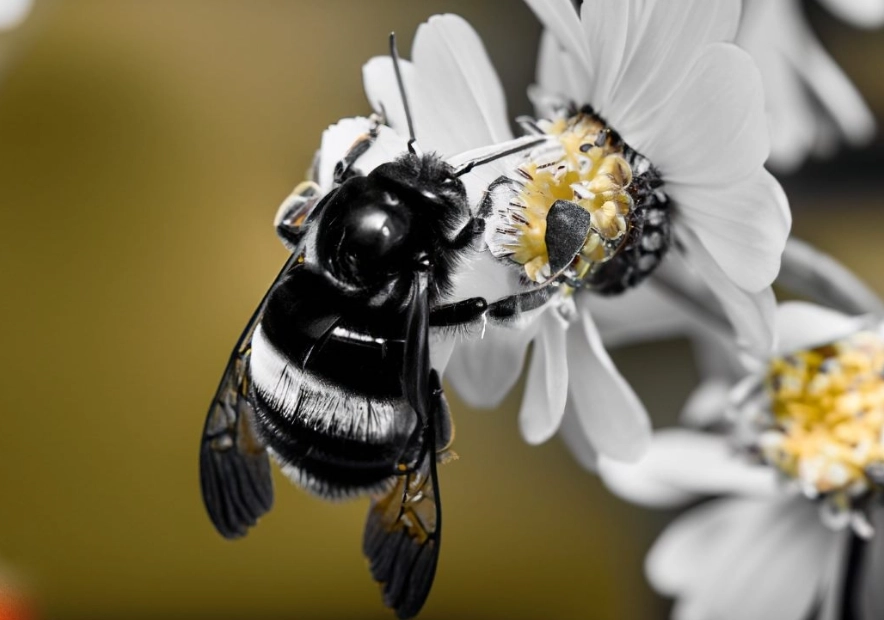
For ground bumblebee nests: If the nest is in a problematic spot, the best approach is often to wait. The colony is annual. Once frost hits, the colony dies except for new queens who hibernate elsewhere. You can then safely fill the hole to prevent reuse next year.
For carpenter bee holes: After treating an active hole (if you must, use an insecticidal dust labeled for carpenter bees puffed directly into the hole at night when bees are inside), wait a day, then seal it permanently.
For bald-faced hornet nests: Call a professional. DIY removal is high-risk. Pest control pros have protective gear and the right insecticides to remove the nest quickly and safely. The cost is worth avoiding multiple stings and a potential allergic reaction.
Black and White Bee FAQs: Expert Answers to Your Top Concerns
 Why are there so many black and white bees around my house this year?
The bottom line is this: most black and white bees are beneficial neighbors, not enemies. Taking a moment to identify them changes the whole game. You move from fear to understanding, and from potentially harmful overreaction to smart, targeted management. Your garden—and the ecosystem—will thank you for it.

Comments