Finding a suspicious red mark on your skin after a night's sleep can send anyone into a minor panic. Your mind jumps to the worst: a spider, lurking in your sheets or under the bed, bit you. Let's cut through the fear and get real. Most of the time, that itchy bump isn't a spider bite at all—studies, like one cited by the University of California Riverside's Department of Entomology, suggest a huge percentage of suspected spider bites are actually bites from other insects like fleas or bed bugs, or even skin reactions. But when it *is* a spider, knowing what to do is crucial. This guide isn't about scaring you; it's about giving you the clear, actionable information you need to identify, treat, and prevent issues with spiders in your personal space.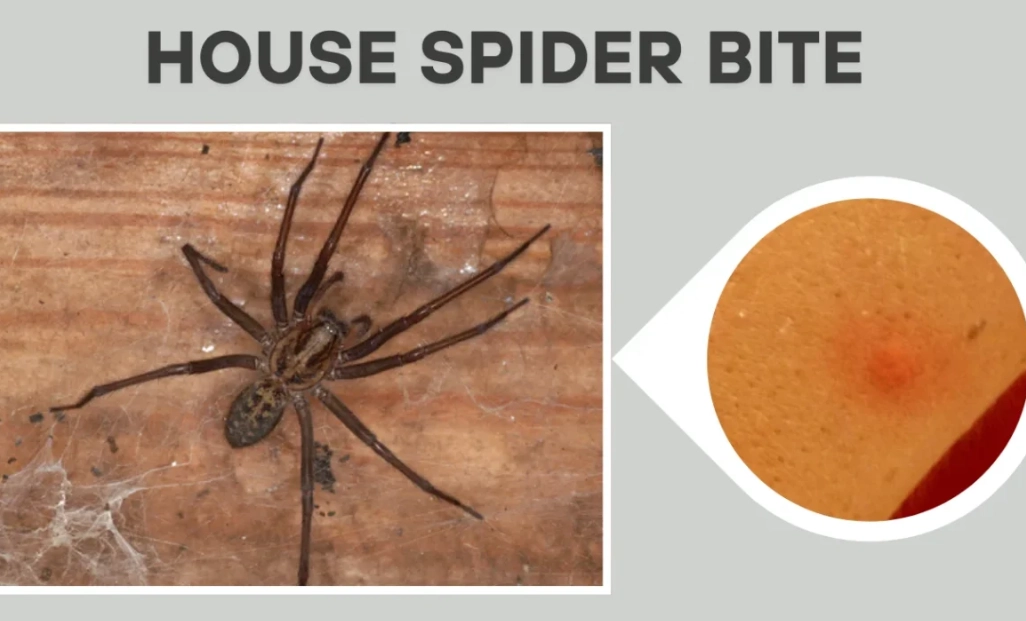
What's Inside This Guide
How to Identify a True Bedroom Spider Bite
Here's the first expert tip you won't hear often: spiders are reluctant biters. They don't seek you out for a meal. A bite is almost always a defensive reaction because they got trapped—between your body and the mattress, inside your pajamas, or in a shoe you put on. If you didn't feel a immediate pinprick sensation, it's less likely to be a spider.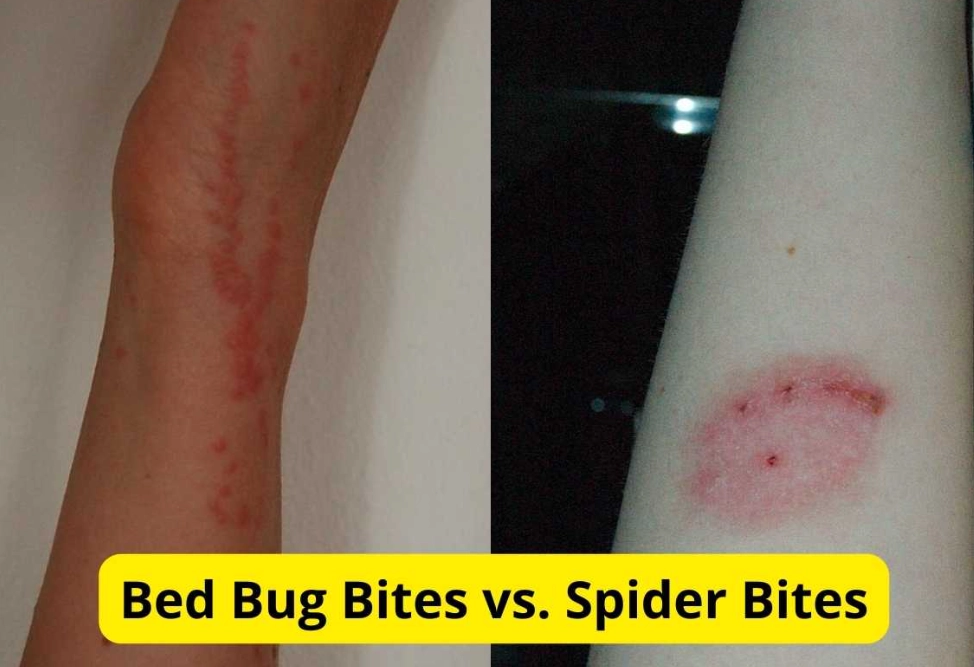
Look for these specific signs:
- Twin Puncture Marks: This is the classic sign, but it's not always visible. A spider's fangs can leave two tiny holes close together. They might look like tiny red dots or not be visible at all if the area is swollen.
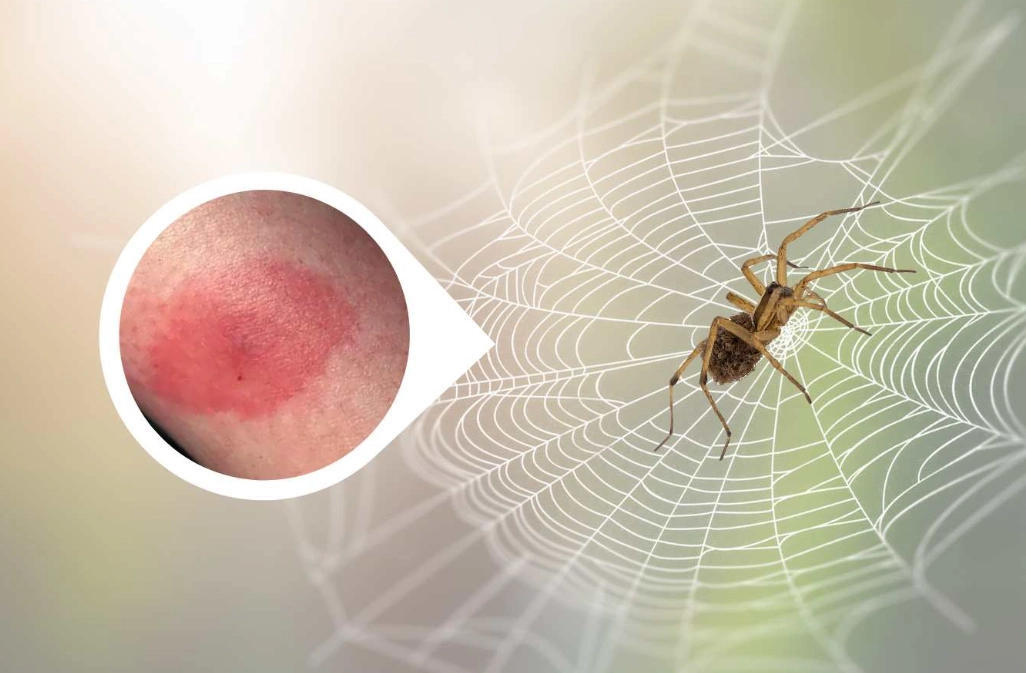
- Localized Pain & Swelling: The bite area typically becomes red, swollen, and tender within a few hours. The pain is usually a dull ache, not a sharp sting.
- Itching and Redness: A raised, red bump (like a mosquito bite) or a blister can develop. Itching is common but try not to scratch—it's the fastest way to introduce bacteria.
Key Distinction: A true spider bite often has a central focus point (the fang marks) with radiating redness. Many other insect bites, like fleas, appear as multiple random bumps without that central "bullseye" look. If you have a line or cluster of bites, think bed bugs or fleas first.
The Two Spiders You Actually Need to Worry About
Forget the hype. In North America, only two spider families have venom considered medically significant to humans: the brown recluse and the black widow. The chance of one being in your bedroom is low, but it's not zero. Knowing them is your best defense.
| Spider | Where It Hides (In Your Bedroom) | Bite Appearance & Symptoms | Geographic Range (U.S.) |
|---|---|---|---|
| Brown Recluse | Dark, undisturbed clutter: under-bed storage boxes, piles of clothes in corners, inside seldom-used shoes or boots, behind furniture pushed against the wall. | May start mild. Within 2-8 hours, severe pain, redness, and a blister develop. The area can become a deep, ulcerating sore (necrosis) over days. Not all bites cause severe reactions. | Primarily central and southern U.S. (e.g., Texas, Oklahoma, Kansas, Missouri, Tennessee). Rare or absent on the West Coast and Northeast. |
| Black Widow | Low, sheltered spots: underside of bed frames (especially box springs), cluttered floor areas, basements or garages adjoining the bedroom. | Immediate sharp pinprick, then dull ache. Two fang marks visible. Muscle cramps (abdomen, shoulders, back) start within 1-6 hours. Sweating, nausea, restlessness. The bite site itself may not look severe. | Found throughout the contiguous U.S., but more common in southern and western states. |
If your symptoms match either of these descriptions, especially the systemic ones like muscle cramps, seek medical attention immediately. For all other common house spiders (like the harmless cellar spider or common house spider), the bite is no worse than a bee sting for most people.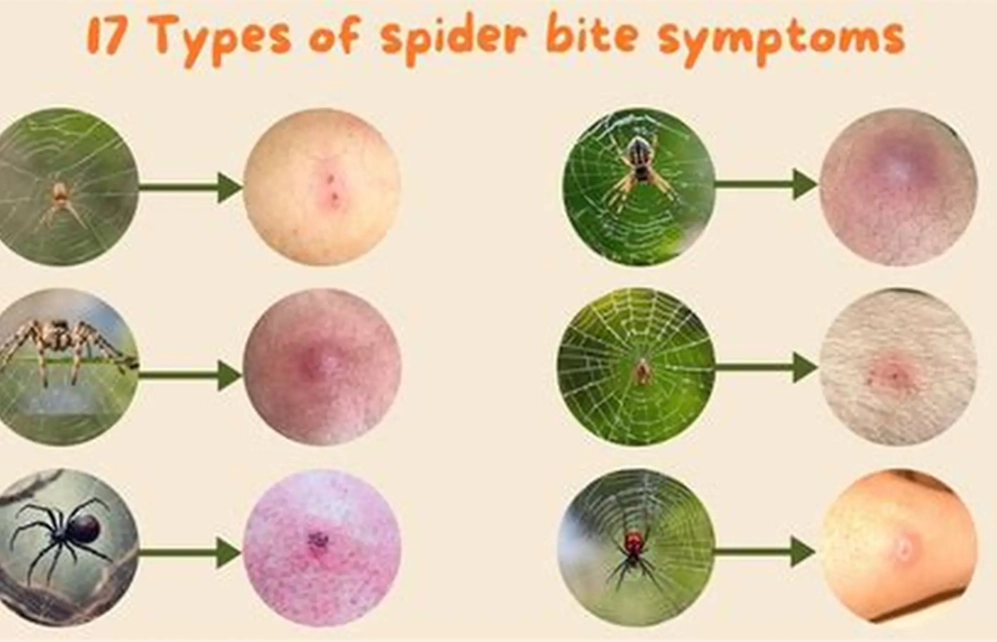
Immediate Treatment Steps (The Do's and Don'ts)
You've identified a bite and ruled out the dangerous two. Here's your action plan. I've seen people make this worse by over-treating.
What You SHOULD Do Right Now
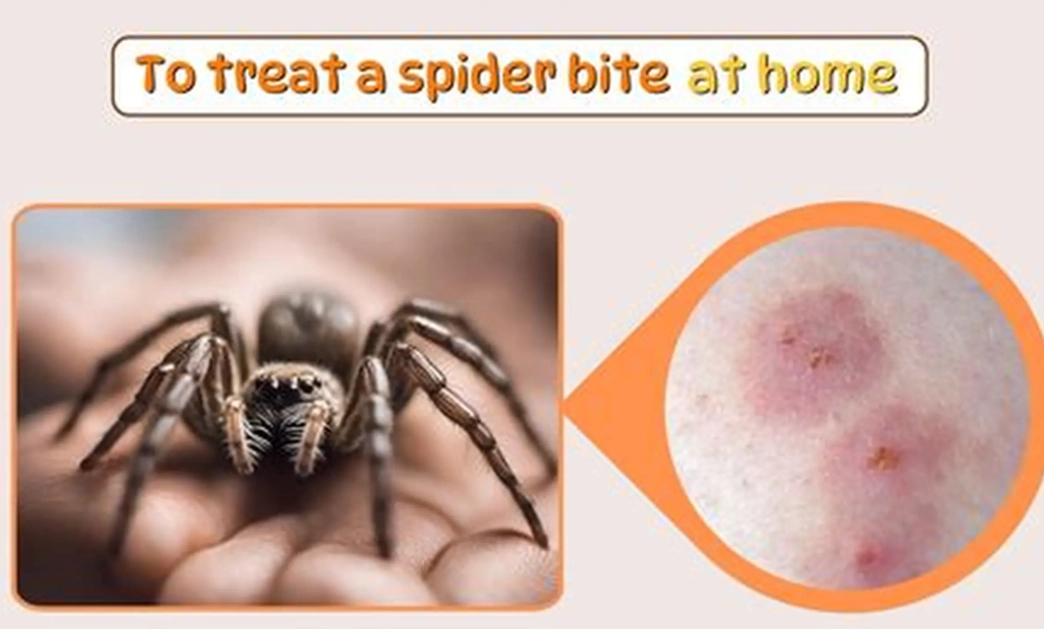
- Wash the Area: Use soap and cool water. This simple step drastically reduces the risk of a secondary bacterial infection, which is a more common complication than the venom itself.
- Apply a Cold Pack: Wrap an ice pack in a cloth and apply it for 10-15 minutes at a time. This reduces swelling and numbs the pain. Do this several times in the first 24 hours.
- Elevate if Possible: If the bite is on a limb, keep it elevated to reduce swelling.
- Use Over-the-Counter Relief: An antihistamine (like Benadryl) can help with itching. Acetaminophen or ibuprofen can manage pain and inflammation.
The Critical DON'Ts Everyone Ignores
- Don't try to "suck out the venom." This is a movie myth. It doesn't work and introduces bacteria from your mouth.
- Don't apply a tourniquet. You'll cause more tissue damage.
- Avoid excessive heat. Heat can increase inflammation and spread venom locally. Stick to cold compresses initially.
- Don't aggressively cut or probe the wound. You're not a surgeon. You'll create an open door for serious infection.
When to Drop Everything and See a Doctor
This isn't about being paranoid; it's about recognizing red flags. Go to an urgent care clinic or ER if you experience:
Seek Medical Care If: The redness rapidly spreads beyond the bite site; you develop streaks radiating from the wound (sign of infection); the pain becomes severe and unmanageable; you see pus or increasing swelling after 48 hours; you develop a fever, chills, or body aches; or if you have any reason to suspect a brown recluse or black widow bite (especially muscle cramps or a growing ulcer).
A bacterial skin infection (cellulitis) needs antibiotics. Waiting can lead to serious complications. When in doubt, get it checked out. It's always better to have a doctor tell you it's nothing than to ignore something serious.
A Foolproof Strategy to Keep Spiders Out of Your Bedroom
Treatment is reactive. Prevention is power. Spiders are in your room for two reasons: shelter and food (other insects). Eliminate both.
Phase 1: Declutter and Deny Shelter. This is the most effective step most people skip. Spiders are secretive. Go through the clutter under your bed, in your closet corners, and behind dressers. Use plastic, sealed bins instead of cardboard boxes. Move your bed away from the wall slightly. Reduce the "hiding estate."
Phase 2: Cut Off Their Food Supply. If you have other small insects (ants, flies, carpet beetles), spiders will follow. Use window screens, seal cracks around baseboards and windows with caulk, and avoid eating in bed (crumbs attract prey). Consider using sticky traps in corners to monitor insect activity.
Phase 3: Strategic Deterrence. Vacuum regularly, especially along baseboards and in corners, to remove webs and egg sacs. Use a peppermint oil spray (10-15 drops in a spray bottle of water) along windowsills and door frames—many spiders dislike the scent. Ensure your bedding doesn't drape onto the floor, creating a bridge.
The goal isn't a sterile, spider-free home (that's nearly impossible), but a bedroom that's uninviting as a spider habitat.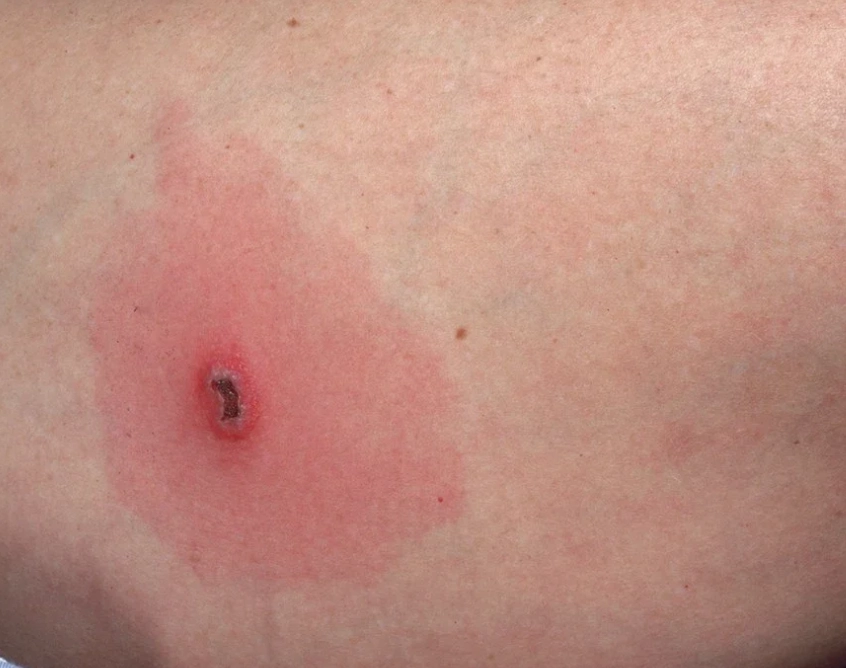
Your Top Spider Bite Questions, Answered
I found a spider on my bed after a bite. Should I save it for identification?
If you can safely catch it (use a glass and a piece of paper), yes. Place it in a sealed container. Having the actual spider helps a doctor or entomologist rule out dangerous species immediately, which can guide treatment. A blurry photo is often useless for positive ID.
How long does a typical, non-dangerous spider bite last?
Most bites from common house spiders follow a predictable timeline. Redness and swelling peak within the first 24-48 hours. Significant improvement should be seen by day 3-4. Minor itching or a small red mark can linger for a week or more. If it's getting progressively worse after two days, that's your cue to think about infection and see a doctor.
Can spider bites cause long-term health problems?
For the vast majority of bites, no. The body clears the venom and heals. The main risk for long-term issues comes from two places: a severe reaction to brown recluse venom that causes significant tissue necrosis (which can leave scarring), or a secondary bacterial infection that wasn't treated promptly and spreads. This is why proper wound care and watching for infection signs are the most practical parts of bite management.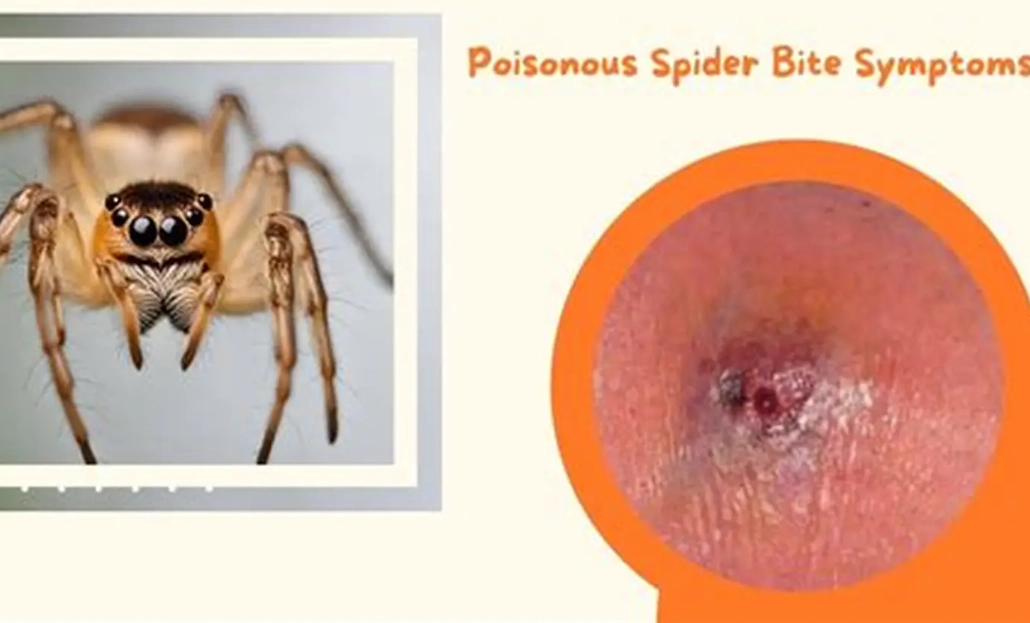
Are over-the-counter "spider bite creams" or drawing salves effective?
I'm skeptical of products marketed specifically for spider bites. A good antiseptic cream (like bacitracin) is useful for preventing infection after cleaning the wound. However, avoid "drawing salves" like ichthammol for a suspected brown recluse bite. Old advice suggested they could "draw out" venom, but there's no evidence they work, and they can worsen tissue damage by keeping the wound moist and macerated. Stick to simple cleansing, cold compresses, and monitoring.
My child was bitten in their sleep. Should I handle it differently?
The principles are the same (clean, cold compress, monitor), but be more conservative with the threshold for seeing a doctor. Children can react more strongly, and it's harder for them to describe symptoms like spreading pain or numbness. If the bite is on the face, neck, or near joints, or if your child seems unusually fussy, lethargic, or develops a fever, seek pediatric care promptly.
 The bottom line is this: knowledge replaces fear. Most bedroom spider encounters are harmless. By learning the real signs of a problematic bite, focusing on simple and effective first aid, and making your bedroom a less attractive home for spiders, you can sleep a lot more soundly. Pay attention to your body, don't ignore clear warning signs, and remember that prevention is always simpler than cure.

Comments