You see some discarded wings on the windowsill, or maybe you notice a faint clicking sound in the wall at night. Your first thought might be ants, but a deeper fear creeps in: termites. The problem is, not all termites are the same. Treating the wrong type can be a costly waste of time and money. I've been in pest control for over a decade, and the most common mistake I see homeowners make is misidentifying their termite enemy. This guide cuts through the confusion. We'll break down the different types of termites you're likely to encounter, not with textbook definitions, but with the practical details that actually help you spot them and stop them.
What You'll Find in This Guide
- The "Big Three" Termite Species That Matter to Homeowners
- How to Spot the Difference: A Practical Comparison
- The Subterranean Termite: Your Most Likely and Costly Foe
- Drywood Termites: The Silent, Self-Contained Destroyers
- Dampwood Termites: The Moisture-Loving Niche Players
- Lesser-Known Types: Formosan and Conehead Termites
- What to Do Once You've Identified the Type
- Your Termite Questions, Answered
The "Big Three" Termite Species That Matter to Homeowners
Forget the hundreds of termite species globally. In North America, you're dealing with three main culprits, categorized by their moisture needs and nesting habits. Getting this right is step one.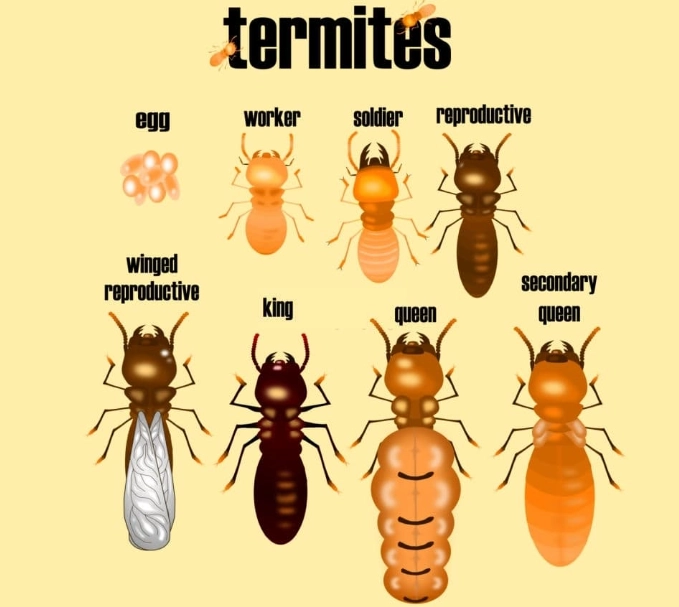
1. Subterranean Termites (Reticulitermes spp.)
These are the public enemy number one. They cause the vast majority of structural damage—billions of dollars annually, according to the National Pest Management Association. They live in massive colonies underground and build those iconic mud tubes to travel between their nest and your wood. They need constant contact with soil moisture. If you see a mud tube, it's almost certainly them.
2. Drywood Termites (Incisitermes spp. and others)
Drywood termites are the minimalist freelancers. They don't need soil or even much moisture. A single pair can fly into your attic, window frame, or furniture, start a colony inside that very piece of wood, and live there for years, slowly hollowing it out. Their infestations are more localized but can be incredibly hard to detect until the damage is severe.
3. Dampwood Termites (Zootermopsis spp.)
These are the least common threat to most sound, dry homes. They infest wood that is consistently wet or decaying—think a rotting tree stump, a leaky porch post, or wood in constant contact with damp soil. If you have a dampwood termite problem, you almost certainly have a serious moisture problem that needs fixing first.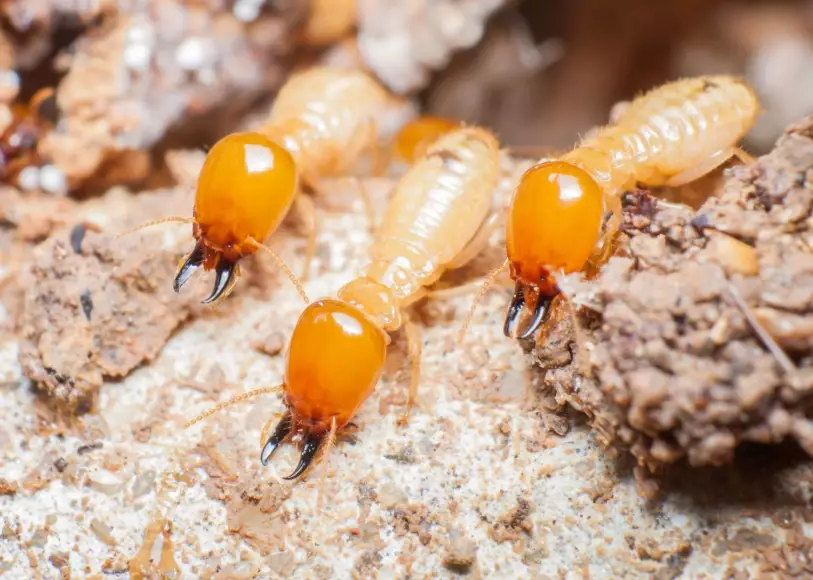
Expert Tip: Many online guides say drywood termites need "no moisture." That's a slight oversimplification. They get the little moisture they need from the wood itself and from metabolizing cellulose. But if the wood moisture content drops below a certain point, they can't survive. This is why they're rarely found in properly seasoned structural lumber unless there's a leak.
How to Spot the Difference: A Practical Comparison
Here’s a quick-reference table. Use it alongside the detailed descriptions below.
| Feature | Subterranean Termites | Drywood Termites | Dampwood Termites |
|---|---|---|---|
| Primary Nest Location | In the soil, often deep underground. | Inside the single piece of wood they are consuming. | Inside the damp or decaying wood source. |
| Connection to Soil | Absolutely required. They build mud tubes to maintain it. | No connection needed. | Not required, but wood is often near damp soil. |
| Signs of Infestation | Mud tubes (on foundations, piers, walls). Swarmers near ground-level. Damaged wood may have soil in galleries. | Piles of tiny, granular fecal pellets (frass) that resemble sawdust or coffee grounds. Kick-out holes in wood. Swarmers from attic or eaves. | Large, damp fecal pellets that stick together. Very soft, crumbly wood that smells musty. Swarmers attracted to lights at night. |
| Typical Damage Pattern | Follows the grain of wood, often leaving a honeycomb pattern with layers of soil/mud. | Creates smooth, clean galleries across and against the wood grain. Chambers are connected. | Creates large, cavernous galleries. Wood is often visibly wet and rotten. |
| Colony Size | Massive. Can contain hundreds of thousands to millions of termites. | Much smaller. Usually a few thousand termites per colony. | Moderate, but size depends on the wood source. |
The Subterranean Termite: Your Most Likely and Costly Foe
Let's dive deeper into the champion destroyer. A mature subterranean termite colony is like a hidden city. The workers forage 24/7, and their mud tubes are their protected highways. A single colony's foraging range can be the size of a football field.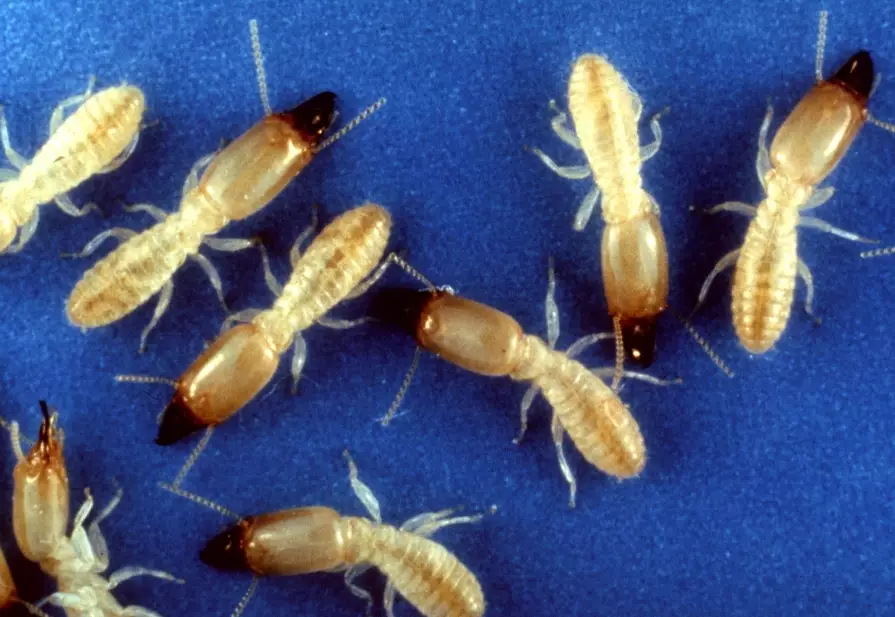
I once inspected a home where the owners had been treating the visible mud tubes on one side of the house with over-the-counter sprays for months. They were baffled when damage kept appearing. The colony's main nest was under a neighbor's shed, and they were simply rebuilding their tubes elsewhere. DIY spot treatment is almost always futile against subterranean termites.
What you should look for:
- Mud Tubes: Pencil-width tunnels on foundation walls, support piers, floor joists in crawl spaces. Break one open; if you see small, creamy-white insects running around, you've got active termites.
- Swarmers (Alates): They look like flying ants but with straight antennae, a thick waist, and two pairs of equal-length wings. Subterranean swarmers typically emerge on warm, humid days after a rain, often in spring. You'll find them near doors, windows, or light sources, but they're clumsy fliers and their wings fall off quickly.
- Damaged Wood: Tap on wood with a screwdriver. If it sounds hollow or the tool easily punches through, peel back a layer. Subterranean termite galleries will be packed with a gritty, soil-like material.
Drywood Termites: The Silent, Self-Contained Destroyers
Drywood termites are stealthy. You won't find mud tubes. Instead, look for their calling card: frass. They keep their galleries meticulously clean by pushing out these tiny, six-sided pellets through "kick-out" holes. The color of the frass matches the wood they're eating—light for pine, darker for oak.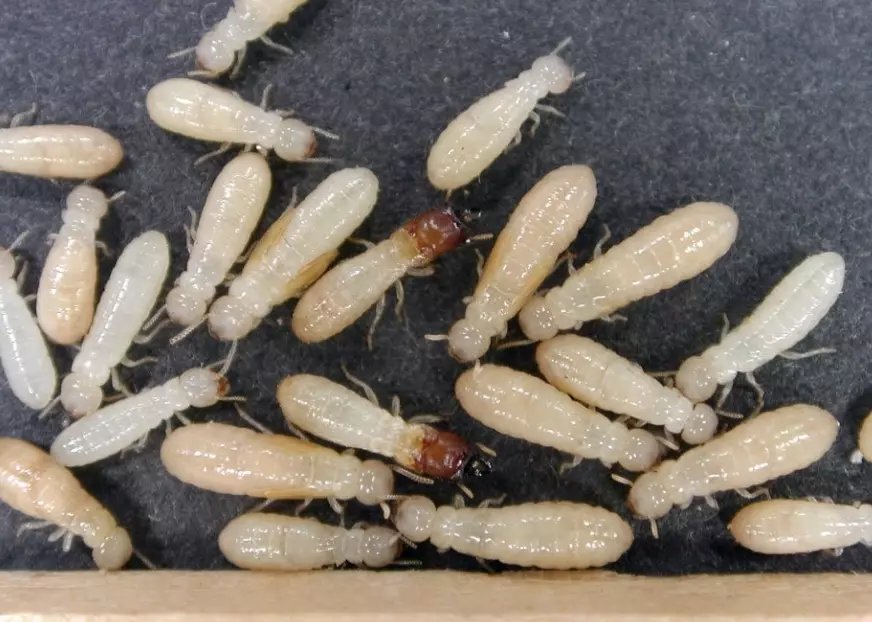
Their colonies start small. A homeowner might hear a faint rustling or clicking in a wall (that's the soldiers banging their heads to signal alarm) but dismiss it. By the time you see the frass piles, the colony could be 5-10 years old and have caused significant internal damage to a beam or rafter.
Key identification points:
- Frass Piles: The definitive sign. It looks like fine sawdust but under magnification, you'll see the uniform, granular pellets. It often accumulates on windowsills, in attics, or under infested furniture.
- Swarmers: Drywood swarmers emerge from the infested wood itself, often from under eaves, in attics, or from window frames. Their wings are longer than their bodies.
- Blistered Wood: Sometimes, the surface of painted or varnished wood will appear slightly raised or blistered because the galleries are right underneath.
Dampwood Termites: The Moisture-Loving Niche Players
Honestly, if you have dampwood termites in your home's main structure, you've lost the battle before it started. The termites are a symptom, not the root cause. The root cause is chronic water intrusion. Fix the leak, remove the rotten wood, and the termites will likely die off or leave.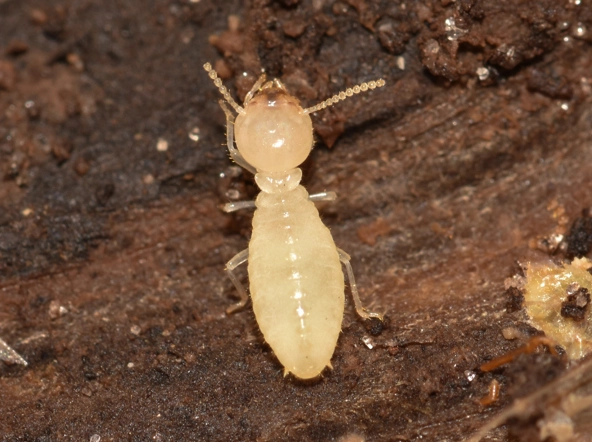
They're larger than subterranean or drywood termites, and their soldiers have big, dark brown heads with powerful mandibles. You'll often find them in coastal areas or forests with high humidity.
Lesser-Known but Formidable Types
In specific regions, two other types deserve mention because they're exceptionally aggressive.
Formosan Subterranean Termites (Coptotermes formosanus)
Often called "super termites." They're a type of subterranean termite but with a terrifying twist. Their colonies can number in the millions, they forage faster, and they can build aerial nests without ground contact if there's enough moisture in the walls (a phenomenon called a "carton nest"). They're primarily in the Gulf Coast states, Hawaii, and parts of California. If you're in these areas and see massive swarms or mud tubes that seem to branch out in all directions, suspect Formosans.
Conehead Termites (Nasutitermes corniger)
Not native to the mainland US but established in a small area of South Florida. They get their name from the cone-shaped heads of their soldiers. Unlike most termites, they forage in the open, above ground, in branching trails, more like ants. This makes them easier to spot but also means they can spread rapidly.
What to Do Once You've Identified the Type
Identification is 50% of the solution. The other 50% is action, and it differs by type.
For suspected Subterranean or Formosan termites: Stop DIY efforts. You need a professional. Treatment involves creating a continuous chemical or physical barrier in the soil around the entire foundation (termiticide), or using in-ground baiting systems that the whole colony consumes. This is not a weekend project.
For suspected Drywood termites: Options depend on the infestation's extent. A localized spot in a picture frame? Maybe a targeted wood injection or heat treatment. A whole attic? You might be looking at whole-structure fumigation (tenting). A professional can use specialized tools like acoustic detectors or moisture meters to find the extent.
For Dampwood termites: Call a professional to confirm, but then immediately call a contractor or plumber. The treatment plan is: 1) Eliminate the water source, 2) Remove and replace all damaged, wet wood, 3) Then treat any remaining termites if necessary.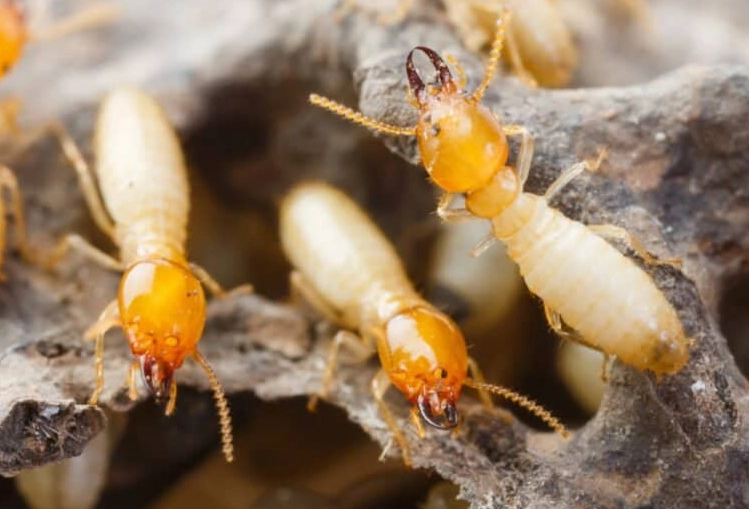
Your Termite Questions, Answered
I found flying insects inside. Are they termites or ants?
Check the wings and waist. Termite swarmers have two pairs of equal-length wings that are much longer than their body. Their antennae are straight, and their waist is thick, with no pinched segment. Flying ants have a distinct pinched waist, elbowed antennae, and front wings that are longer than the hind wings. Save a few in a baggie for a pro to ID.
Can I treat a termite infestation myself effectively?
For drywood termites in a single, accessible item (like a piece of furniture), a homeowner might successfully use a specific termiticide foam or injection. For any subterranean infestation, self-treatment is strongly discouraged. You'll likely miss the main colony, giving them time to cause more damage and spread. The warranties and precision of professional treatment are worth the cost.
My house has been treated before. Can I still get termites?
Absolutely. Liquid soil treatments degrade over time (typically 5-10 years). Bait stations require monitoring. A new colony can find an untreated gap in the barrier, or drywood termites can always fly in. This is why annual inspections by a qualified professional are non-negotiable, even for treated homes.
Are the termite inspection reports from a real estate transaction reliable?
They're a snapshot in time. Inspectors can only report on visible, accessible evidence. They can't see inside walls. A "clear" report means no evidence was found that day, not that the house is immune. It's wise to maintain your own inspection and protection plan after you move in.
What's one subtle sign of termites most people miss?
Tight-fitting doors or windows. As termites consume wood and create moisture, the wood can warp slightly, making doors hard to open. People often blame humidity or settling, but it's a classic early warning sign of a possible hidden infestation, especially from subterranean termites.



Comments