You see a fly. It's annoying, sure. But that's where most people stop thinking. They grab a swatter or some spray and call it a day. Big mistake. Treating every fly the same is like using the same key for every lock—it rarely works, and you'll just get frustrated. The truth is, understanding the different fly species in your environment is the single most important step in getting rid of them for good. It's not just about killing what you see; it's about understanding their life cycle, their favorite hangouts, and their weaknesses. This guide cuts through the generic advice and gives you the specific, actionable intel you need, whether you're dealing with a fruit fly party in your kitchen or a cluster of big, shiny blow flies by the window.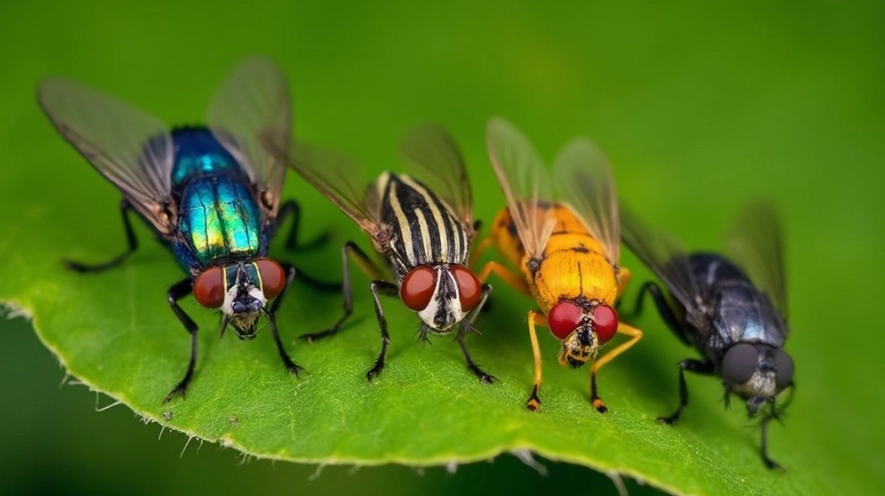
What You'll Find Inside
Why Bother Identifying Flies? It's More Than Just a Name
Think of fly identification as a diagnosis. You wouldn't take cough medicine for a broken arm. Similarly, a fruit fly trap won't do anything for a house fly, and ignoring a blow fly infestation can have serious health implications. Each species has a unique biology that dictates where it breeds, what it eats, and the risks it poses.
I learned this the hard way years ago. I had what I thought was a standard house fly problem. I sprayed and swatted for weeks with no progress. Finally, I took a closer look. These flies were smaller, liked to hover near drains, and had a distinct, almost fuzzy appearance. They were drain flies. All my efforts targeting garbage and food waste were useless because the breeding site was a film of organic gunk inside my bathroom sink overflow. A deep clean with a pipe brush solved in an hour what weeks of insecticide couldn't. That experience taught me: identify first, act second.
The risks vary wildly too. The common house fly (Musca domestica) is a notorious mechanical vector, meaning it can pick up pathogens from feces, garbage, or carcasses and transfer them to your food or surfaces simply by walking on them. According to resources from the Centers for Disease Control and Prevention (CDC), flies can transmit a range of organisms that cause diarrhea, food poisoning, and even conjunctivitis. On the other hand, a cluster fly (Pollenia rudis) that invades your attic in the fall is mostly just a nuisance—it doesn't breed indoors and isn't associated with disease transmission. Knowing the difference saves you from unnecessary panic and lets you focus your energy on the real threats.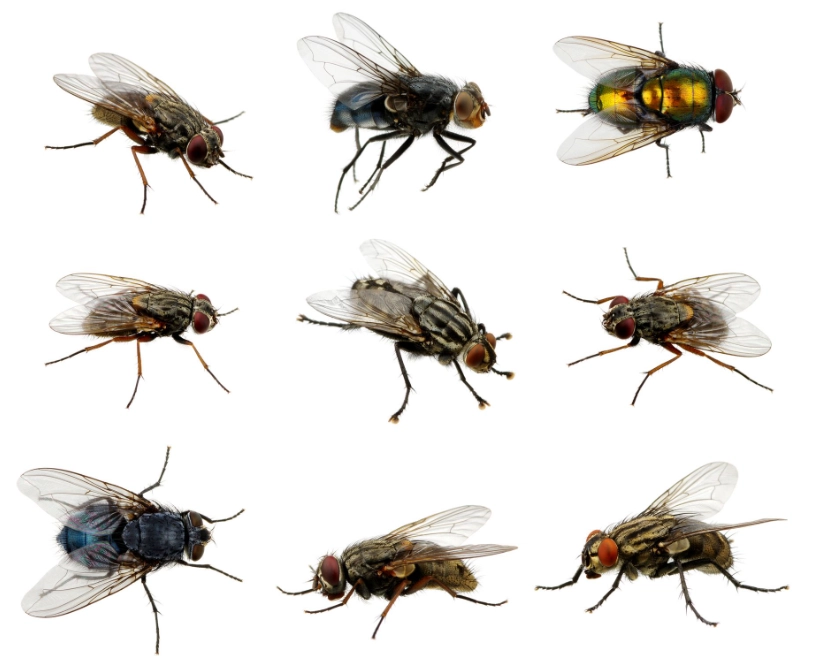
5 Common Fly Species You're Most Likely to Encounter
Let's get specific. Here’s a breakdown of the usual suspects. Use the table below as a quick cheat sheet, then we'll dive into the gritty details of each one.
| Fly Species (Common Name) | Key Identifying Features | Primary Breeding Source | Main Risk / Nuisance |
|---|---|---|---|
| House Fly (Musca domestica) | Dull gray, 4 dark stripes on thorax, sponging mouthparts. | Moist, decaying organic matter (garbage, manure, compost). | Disease transmission, food contamination. |
| Fruit Fly / Vinegar Fly (Drosophila spp.) | Tiny (1/8 inch), tan/brown, bright red eyes, attracted to fruit. | Fermenting fruits/vegetables, moist organic sludge (drains, mops). | Food spoilage, rapid population explosions. |
| Blow Fly / Bottle Fly (Calliphoridae family) | Metallic blue, green, or bronze sheen, loud buzz. | Animal carcasses, meat scraps, pet feces. | Indicator of dead animal, potential myiasis (larval infestation of living tissue). |
| Horse Fly (Tabanidae family) | Large (up to 1 inch), stout, colorful eyes, painful bite. | Moist soil near ponds, streams, or marshes. | Painful, blood-feeding bite on humans and animals. |
| Fungus Gnat (Sciaridae family) | Small, dark, delicate, long legs/antennae, weak fliers. | Overwatered potted plant soil rich in fungus. | Plant root damage (larvae), indoor nuisance. |
The House Fly: The Everyday Contaminator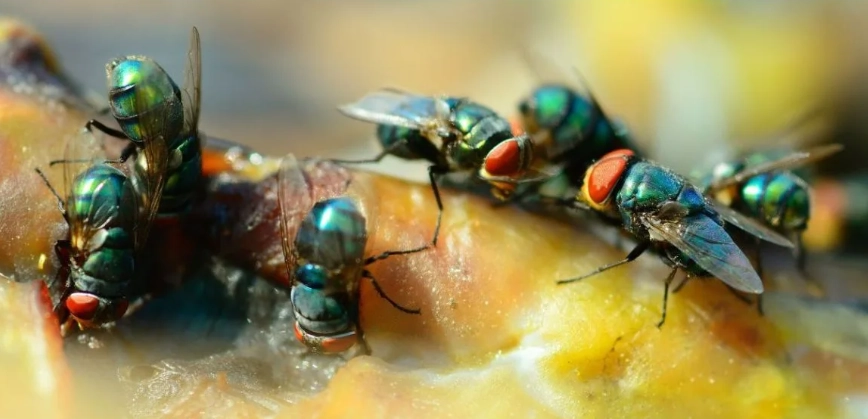
This is the world's most familiar fly. That dull gray body with four dark stripes on the top of its thorax is a dead giveaway. They have sponging mouthparts—they can't bite, but they vomit digestive juices onto food and then sponge it back up, along with any bacteria they picked up on their last landing spot (which could have been a dog pile or your trash can).
They breed incredibly fast. A female can lay over 500 eggs in her short life, and those eggs can become breeding adults in as little as 7-10 days in warm weather. The key to control is finding and eliminating those moist breeding sites. It's rarely the kitchen trash can you empty daily. Think about the compost bin that's a bit too wet, a bag of grass clippings forgotten in a corner, or even a pet accident that wasn't fully cleaned. They're also strong fliers and can come in from neighboring farms or properties.
The Fruit Fly: The Kitchen Invader
Fruit flies are masters of the sneak attack. You bring home a single slightly overripe banana, and two days later, a cloud of tiny flies is hovering over your fruit bowl. Their bright red eyes and small size make them easy to identify. A critical mistake is assuming they only come from fruit. I've seen major infestations originate from a slimy film inside a kitchen sink drain, a beer can in the recycling bin, or a dirty mop head left in a bucket.
Their life cycle is blisteringly fast—from egg to adult in about 8-10 days. This is why populations seem to explode overnight. The classic apple cider vinegar trap works well for monitoring and catching adults, but it's a band-aid if you don't find and remove the breeding source. Check under appliance drip pans, inside empty bottles, and around potato or onion storage bins.
The Blow Fly: The Warning Sign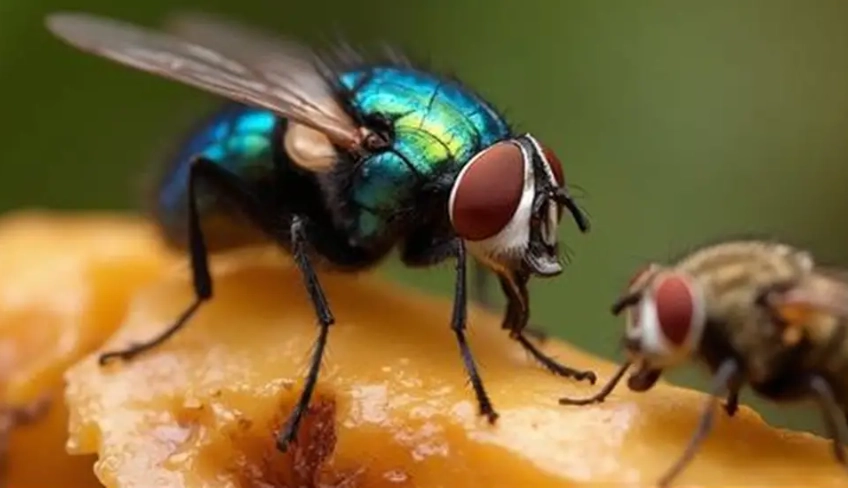
That loud, buzzing, metallic blue or green fly is a blow fly. Their iridescent bodies are actually quite beautiful, but their ecology is grim. They are nature's primary decomposers of dead animals. Finding them indoors, especially in large numbers, is a major red flag. It often means there's a dead rodent in a wall void, attic, or under a deck. I once responded to a call where the source was a squirrel that had died in a chimney flue.
They can also breed in forgotten meat scraps in a garbage can that isn't properly sealed. While they are important ecologically, indoors they pose a health risk and can cause myiasis in pets if they lay eggs on soiled fur or wounds. If you see them inside and can't find a source, it might be time to call a professional who can do a thorough inspection.
How to Get Rid of Flies: A Practical, Step-by-Step Guide
Forget the one-size-fits-all approach. Effective control is a process, not a product. Follow these steps, tailored to your identified fly.
Step 1: Investigation and Identification. Catch one (a clear glass and a piece of paper work fine). Look at it. Compare it to the descriptions and pictures here. Knowing your enemy tells you where to look next.
Step 2: Locate the Breeding Source. This is detective work. Your identification gives you the clues. For House Flies: Go outside. Check garbage cans (lids, seams, bottom gunk), compost piles (should be hot and turned, not cold and wet), pet areas, and any piles of decaying grass or manure. For Fruit Flies: Look indoors. Empty all trash and recycling. Inspect every fruit and vegetable. Pull out appliances and clean underneath. Pour boiling water down drains, but for a real clean, use a pipe brush. For Blow Flies: Search for a carcass. Start in basements, attics, and around the perimeter of the house. Use your nose—a decaying animal has a distinct, sweetly foul odor.
Step 3: Sanitation and Exclusion. Clean up the source. Seal garbage in bags inside cans with tight lids. Manage compost properly. Fix torn window screens and seal gaps around doors, utility lines, and vents. Install fine mesh screens over attic and crawl space vents. This step prevents the next generation.
Step 4: Targeted Adult Control. Now you can deal with the fliers. Use methods specific to the fly's behavior. UV light traps work well for house flies and blow flies in garages or commercial settings (keep them away from dining areas as they can attract more flies initially). For fruit flies, the homemade vinegar trap is effective: a small jar with apple cider vinegar and a drop of dish soap, covered with plastic wrap with holes poked in it. Fly swatters and good old-fashioned hand-eye coordination still have their place for stragglers. Avoid indiscriminate spraying of insecticides indoors; it contaminates surfaces and often misses the fast-flying adults.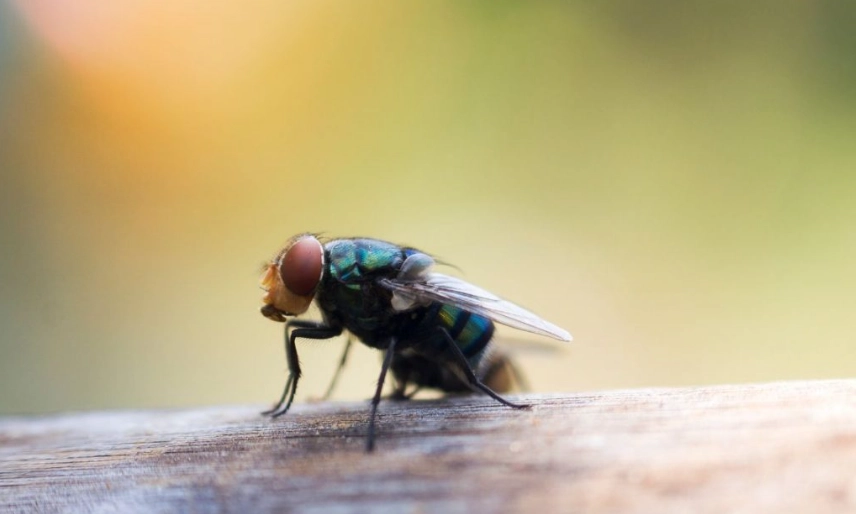
Your Fly Problems, Solved (FAQ)
Why are there suddenly so many flies in my house with no obvious source?
This is almost always a sign of a hidden breeding site indoors. You've eliminated the visible garbage and fruit, so think less obvious. For small flies (fruit/fungus gnats), the culprit is often an overwatered houseplant. The larvae feed on fungi in the soggy soil. Let the soil dry out completely between waterings. For larger flies (blow/house flies), you must consider a dead rodent or bird in a wall, ceiling, or chimney, or an overlooked pet accident under furniture. The sudden appearance means a batch of pupae has all hatched at once.
I put out a fruit fly trap with juice, but they don't go in. What am I doing wrong?
You might not have fruit flies. Fungus gnats, which look similar, are not attracted to fermenting fruit. They're drawn to the moist soil of plants. Also, the trap might be ineffective if the breeding source (like a rotting potato in the back of a cabinet) is more attractive than your trap. Eliminate all competing odor sources first. Try using red wine or apple cider vinegar with a drop of dish soap to break the surface tension—this ensures they drown.
Are fly larvae (maggots) dangerous? Should I just spray them?
The larvae themselves are not typically dangerous to handle (though wear gloves for hygiene). The real issue is what they signify: an active, nearby breeding site. Spraying them with insecticide kills them but leaves the rotting organic matter that attracted the parent fly. You'll just get more. The correct move is to physically remove the maggots and the material they're in with a scoop or paper towels, seal it in a plastic bag, and dispose of it outdoors. Then thoroughly clean and disinfect the area with hot, soapy water to remove the scent trail that attracts more flies.
 How do I stop horse flies from biting me in my yard?
Horse flies are tough. They're strong, persistent fliers attracted to movement, dark colors, and carbon dioxide. Since they breed in remote wetland areas you can't control, focus on personal protection. Wear light-colored, long-sleeved clothing. Use insect repellents containing a high percentage of DEET or picaridin on exposed skin. Avoid peak activity times (hot, sunny days). Fans on patios can help, as horse flies are poor fliers in strong wind. There's no great trap for them, so repellent and physical barriers are your best bets.
What's the difference between a fungus gnat and a mosquito?
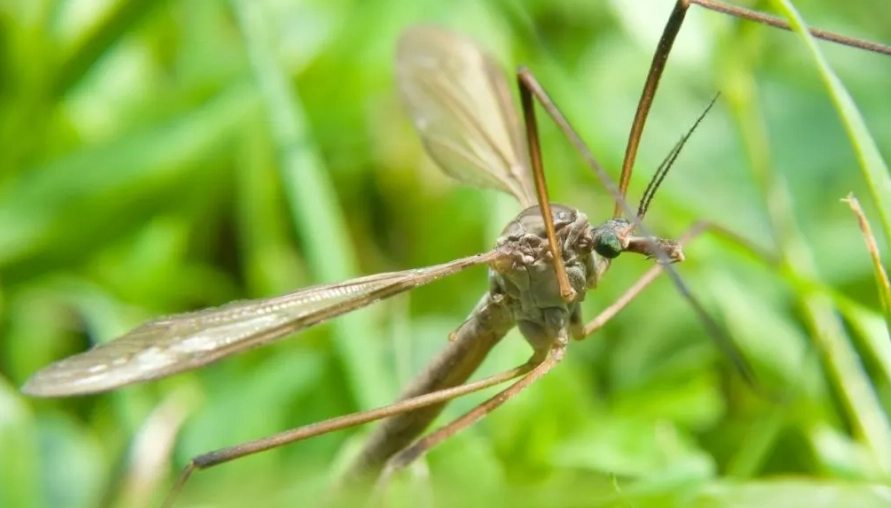
This is a common mix-up. Both are small, dark, and fly. Key differences: Fungus gnats have long, slender legs and antennae that look like threads. They have a distinct "Y"-shaped wing vein pattern (visible under magnification) and a humpbacked appearance. Mosquitoes have a long proboscis (needle-like mouthpart), scales on their wings, and rest with their bodies angled away from the surface. Gnats flutter weakly around plants; mosquitoes are more direct fliers and are most active at dusk/dawn. Gnats don't bite; only female mosquitoes do.

Comments