If you've ever wondered "what is a deer mouse?", you're likely looking at a small, curious creature in your garage, heard scratching in your attic, or are just trying to understand the wildlife around you. The deer mouse (Peromyscus maniculatus) is far more than just another brown mouse. It's one of the most widespread and ecologically important mammals in North America, but also a rodent that brings significant concerns when it decides to share your living space. I've spent years observing these animals, both in the field and, unfortunately, dealing with the aftermath of them in homes. Most people get the basics wrong, confusing them with house mice and underestimating the specific risks they carry.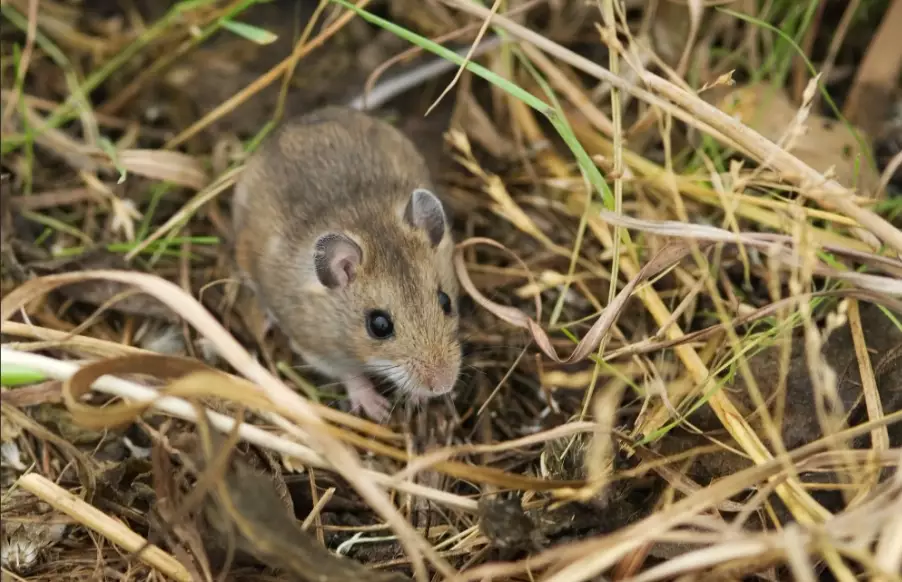
What You'll Find in This Guide
What Exactly is a Deer Mouse?
Let's cut through the noise. A deer mouse is a small, native North American rodent belonging to the genus Peromyscus. The term "deer mouse" most commonly refers to the species Peromyscus maniculatus, but it's often used loosely for several similar-looking species in the same group. They're called "deer" mice because of their coloring—a rich, tawny brown on their back and head that transitions to a stark white on their belly, legs, and the underside of their tail, reminiscent of a white-tailed deer's coat.
They are not city mice. While the common house mouse (Mus musculus) evolved alongside humans and thrives in our dense urban centers, the deer mouse is a creature of fields, forests, and rural areas. Its move into your shed, cabin, or basement is an invasion of *your* space into *theirs*, which is a crucial distinction when understanding their behavior.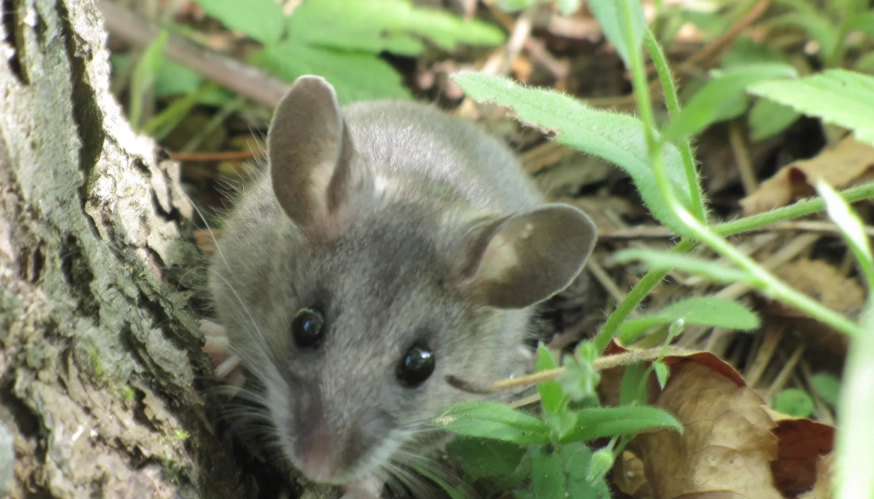
How to Identify a Deer Mouse: Key Physical Characteristics
Mistaking a deer mouse for a house mouse is the most common error. It leads people to underestimate the health risks. Here’s how to tell them apart, based on details most guides gloss over.
Top 3 Features to Look For
The Two-Tone Tail: This is the single best giveaway. A deer mouse's tail is sharply bicolored—dark on top and pure white on the underside and sides, like it was dipped in white paint. A house mouse's tail is uniformly grayish-brown, scaly, and essentially one color.
Large, Prominent Eyes and Ears: Deer mice have noticeably large, black, bead-like eyes. Their ears are also large, thin, and prominent, giving them an alert, "cute" appearance. House mice have smaller, beady eyes in proportion to their head and less conspicuous ears.
The White Belly Line: The demarcation between the brown back and white belly isn't just on the sides. It's a clean, sharp line that often extends all the way up to the whiskers, creating a distinct white throat and chest. A house mouse typically has a dirty gray or cream-colored belly without a sharp line.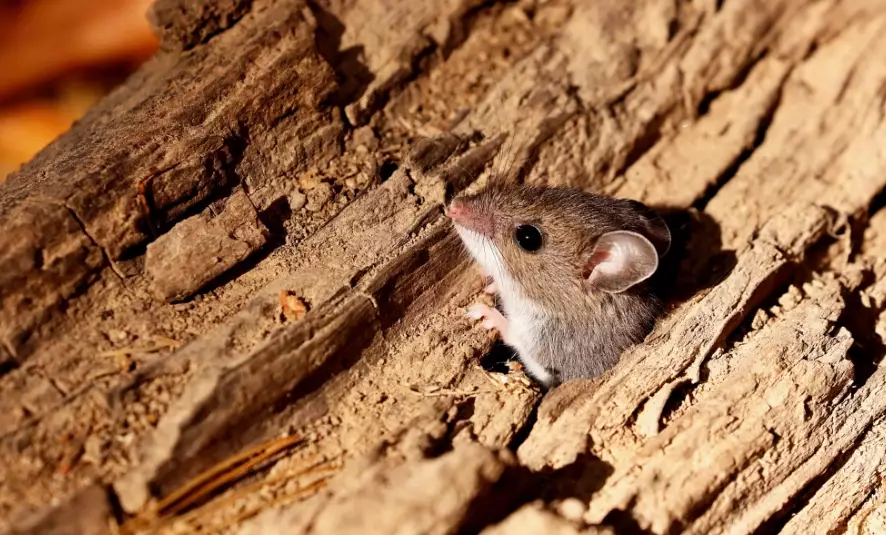
| Feature | Deer Mouse (Peromyscus maniculatus) | House Mouse (Mus musculus) |
|---|---|---|
| Tail | Long (equal to body length), sharply bicolored (dark top/white bottom) | Long, uniformly gray-brown, scaly |
| Coloration | Rich tawny to reddish-brown back; pure white belly, feet, and tail underside | Dusty gray to light brown all over; belly is dirty gray or cream |
| Eyes & Ears | Large, black, prominent eyes; large, thin ears | Smaller, beady eyes; smaller ears |
| Head Shape | More pointed muzzle, "deer-like" face | Blunter muzzle |
| Preferred Habitat | Fields, forests, rural areas, occasionally invades structures | Almost exclusively associated with human dwellings and urban areas |
| Droppings | Rod-shaped, pointed ends, often found scattered | Rod-shaped, pointed ends, often found in concentrated piles |
I once helped a friend clean out a rarely-used lakeside cabin. They were convinced they had "just a few house mice." The droppings were scattered, not piled, and then I saw one scurry—that white underside of the tail was a flashing warning light. We immediately switched to respirators and wet-cleaning protocols. It wasn't just a nuisance; it was a biohazard situation.
Deer Mouse Habitat: Where Do They Live and Thrive?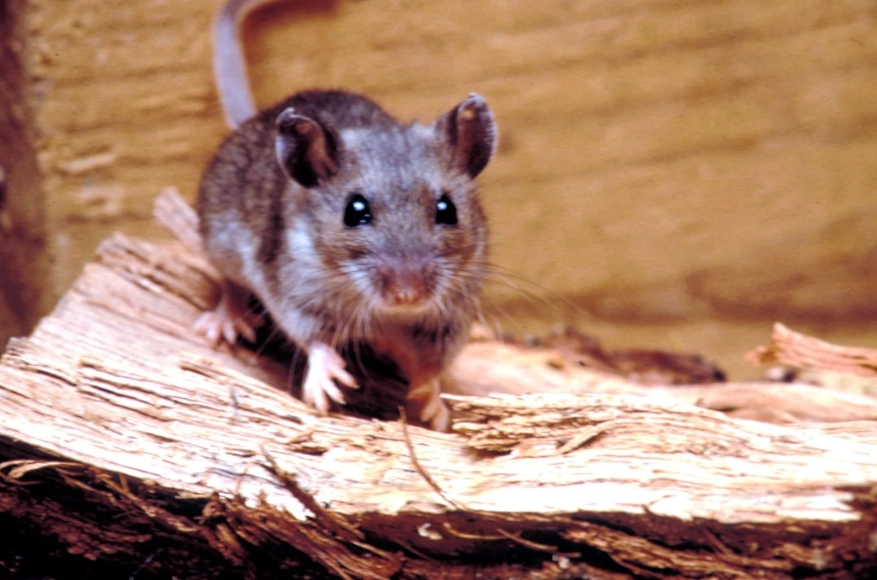
Deer mice are habitat generalists, which is a fancy way of saying they'll live almost anywhere that offers cover and food. This adaptability is why they're so successful.
- Natural Habitats: They are masters of the ground layer. Look for them in grasslands, brushy fields, agricultural edges, woodlands (both deciduous and coniferous), and alpine environments. Their nests are often hidden in hollow logs, under rocks or piles of debris, in abandoned bird nests, or in shallow burrows.
- Human Structures They Invade: They don't prefer your home, but they won't turn it down. Common entry points are seasonal cabins, sheds, garages, barns, attics, and crawl spaces. The key attraction is clutter—boxes of old clothes, stored firewood, piles of lumber, or undisturbed storage areas provide perfect nesting sites. A quiet, cluttered garage is deer mouse paradise.
- Geographic Range: They are found from the northern tree line in Alaska and Canada, throughout the entire continental United States, and down into the mountains of central Mexico. If you're in North America, there's a good chance deer mice live nearby.
The Real Risks: Hantavirus and More
This is the section that matters most for your health. The primary risk from deer mice isn't property damage (though they'll gnaw on wires and insulation) or noise—it's disease transmission.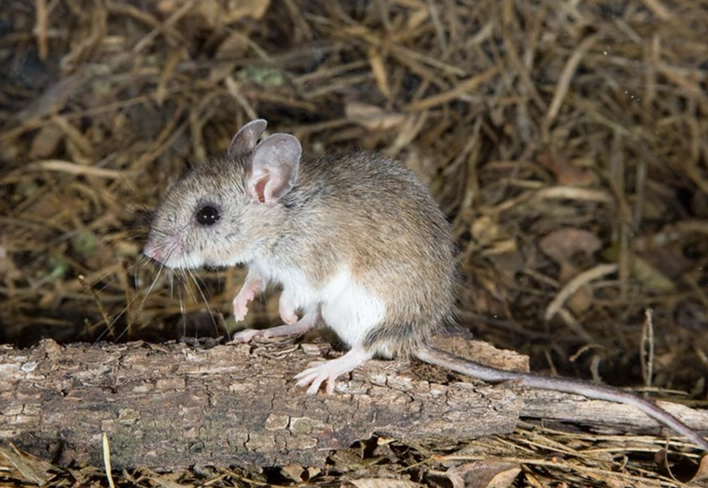
Hantavirus Pulmonary Syndrome (HPS): This is the big one. Deer mice are the primary reservoir for the Sin Nombre virus, which causes HPS in humans. It's a severe, sometimes fatal respiratory disease. The virus is shed in the mouse's saliva, urine, and droppings. Humans become infected primarily by inhaling aerosolized virus particles when disturbing dust contaminated with these excreta. Think sweeping a dusty garage floor where mice have been, cleaning a cabin, or even vigorously shaking out a contaminated blanket.
Other Concerns: Deer mice can also carry Lyme disease (as hosts for ticks), plague (in the western U.S.), and other bacterial pathogens. While the risk of direct bite is low (they are shy), their parasites (fleas, ticks) can transfer to pets and humans.
How to Prevent a Deer Mouse Infestation
Prevention is 90% of the battle. Once they're inside and nesting, the cleanup becomes a hazardous chore. Here’s a strategy that works, based on sealing them out rather than just trapping after the fact.
1. The Inspection and Seal-Up: Go around the exterior of your home, shed, or cabin with a flashlight in the daytime. Look for any gap larger than a pencil width (1/4 inch). Pay special attention to where utilities enter the building, vents, roof soffits, and foundation cracks. Use high-quality sealants like silicone caulk, copper mesh (stuff it into holes first), and metal flashing. Deer mice can and will chew through expanding foam alone.
2. Habitat Modification: This means making your property less attractive. Keep grass and vegetation trimmed back from the foundation. Store firewood, lumber, and building materials at least 20 feet away from the house and elevate them off the ground. Remove piles of debris, rocks, or junk where they can nest outdoors.
3. Smart Storage: In garages, basements, and cabins, store items in hard, sealed plastic bins, not cardboard boxes. Cardboard is nesting material and is easily chewed through.
4. Trapping Strategy: If you have activity, use snap traps. Place them perpendicular to walls, with the trigger facing the wall, in areas where you see droppings or grease marks. Bait with a tiny bit of peanut butter or nut meat. Glue traps are inhumane and can lead to increased exposure to urine and feces as the trapped animal struggles. Live-trapping and releasing them simply moves the problem and often condemns the animal to death in an unfamiliar territory.
The biggest mistake I see? People focus only on the bait in the trap and ignore the gap under the garage door that's letting every mouse in the field come for a free meal. Seal first, trap second.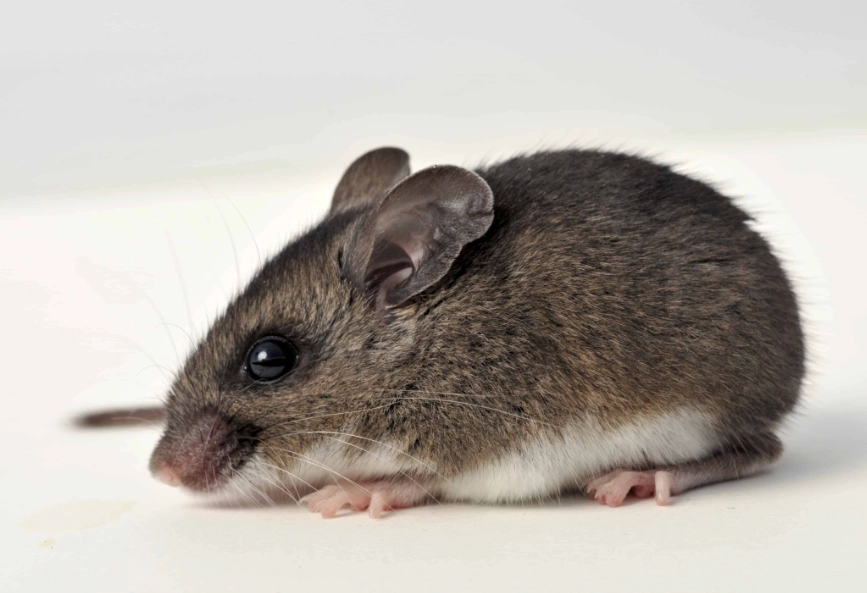
 Are deer mice active during the day like squirrels?
Comments