Let's cut to the chase. If you're reading this, you're probably worried about Formosan termites. Maybe you saw a swarm of winged insects near your porch light last spring. Perhaps you found a mysterious mud tube snaking up your foundation. Or maybe your neighbor just got hit with a five-figure repair bill, and now you're sweating. You've heard they're the "super termite," and you want to know what that really means for your home.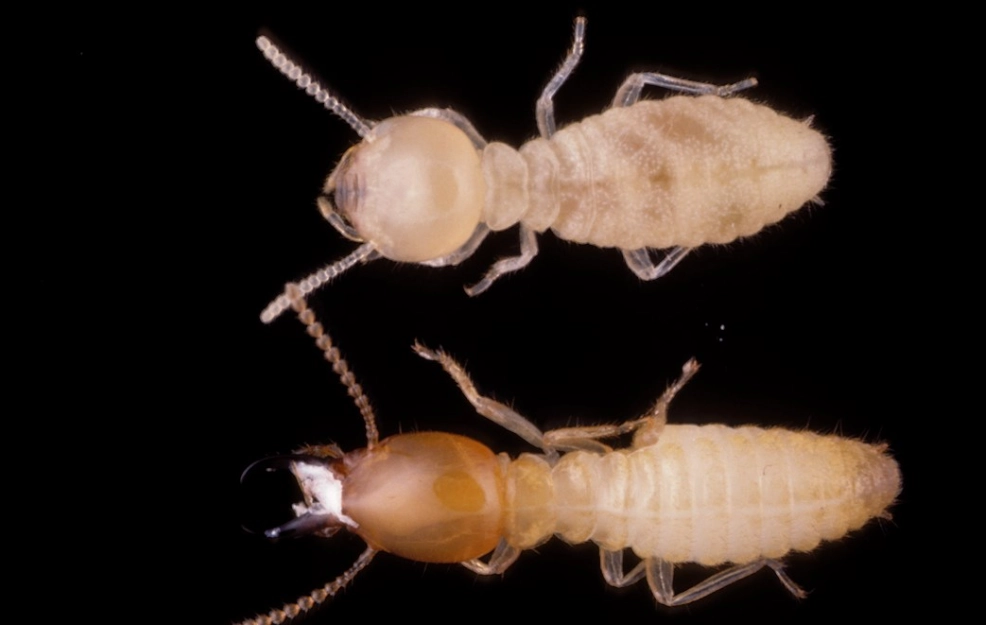
I've been in pest management for over a decade, and I've seen the havoc these insects cause firsthand. I once inspected a beautiful historic home where the Formosan colony had hollowed out the main support beam from the inside. The owners had no idea until a floorboard gave way. That's the thing with Formosans—they're incredibly efficient at hiding their destruction until it's almost too late.
This guide isn't just a rehash of basic termite facts. We're going deep into the specifics of Formosan subterranean termites—their biology, their unique threats, and the nuanced strategies required to stop them. We'll cover what most generic articles miss: the critical mistakes homeowners make during DIY inspections, why standard bait systems sometimes fail against massive Formosan colonies, and how to truly assess the risk to your property.
What You'll Find in This Guide
- What Makes Formosan Termites a "Super" Pest?
- How to Spot Formosan Termites: Swarmers, Soldiers, and Mud
- The Real Cost of Formosan Termite Damage
- A Proactive Defense: Stopping Formosans Before They Start
- Getting Rid of Formosan Termites: Treatment Options Compared
- Your Formosan Termite Questions Answered
What Makes Formosan Termites a "Super" Pest?
Calling them "super" isn't hype. It's based on three biological advantages that make them far more destructive than native subterranean termites.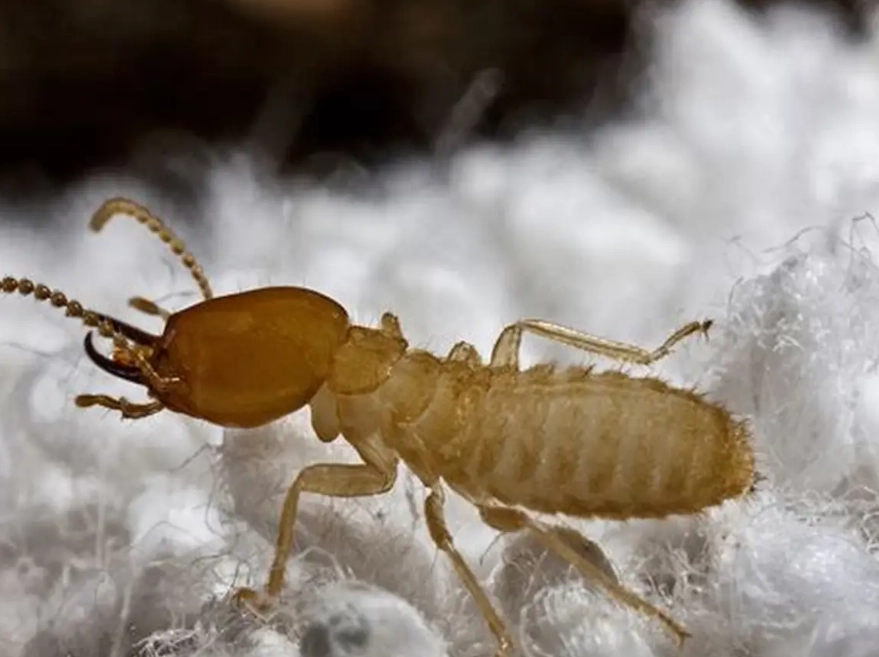
First, colony size. A mature native subterranean termite colony might contain a few hundred thousand individuals. A mature Formosan colony? We're talking millions. Research from the University of Florida has documented colonies with over 10 million termites. Imagine the feeding capacity of that many mouths.
Second, foraging range and aggression. They don't just stick to the soil. Formosans are notorious for creating above-ground nests called "cartons." These are made from chewed wood, soil, and their own excrement, and they allow the colony to survive entirely within a structure, bypassing soil treatments. I've found these cartons inside wall voids, attics, and even on flat roofs. This behavior shatters the conventional wisdom that termites must maintain constant contact with the soil.
Third, consumption rate. They eat faster. Plain and simple. A large Formosan colony can consume a foot of 2x4 pine in about 25 days. A native colony might take several months for the same damage.
The Big Mistake Homeowners Make: Assuming all termites are the same. Treating a Formosan infestation with the same urgency and method as a native species infestation is like using a garden hose on a house fire. The scale and strategy required are fundamentally different.
How to Spot Formosan Termites: Swarmers, Soldiers, and Mud
Knowing what to look for is half the battle. Here’s your visual checklist.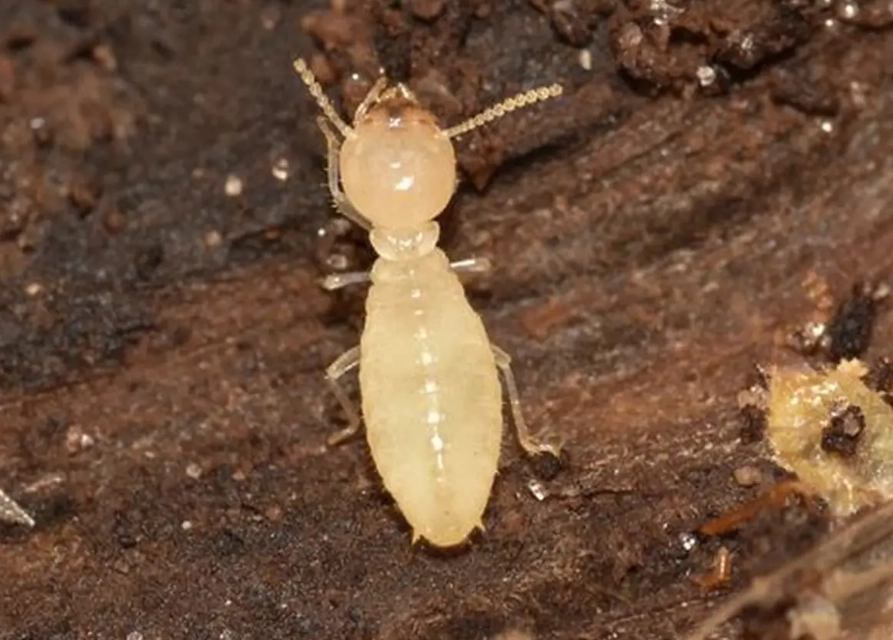
1. The Swarmers (Alates)
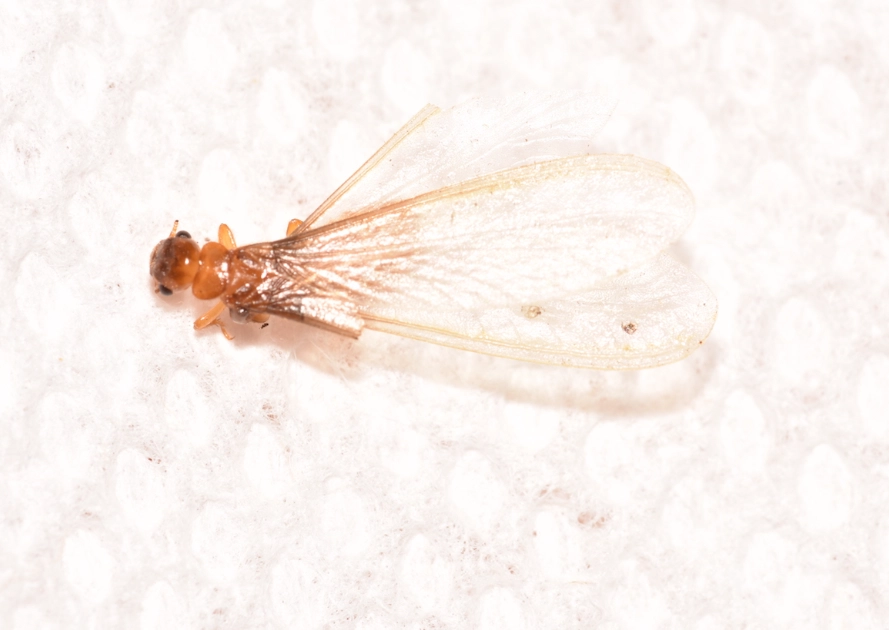
These are the winged reproductive termites. They emerge in massive swarms, usually on warm, humid evenings after a rain in late spring or early summer. Formosan swarmers are about 1/2 inch long, including wings, and have yellowish-brown bodies. Their wings are covered in tiny hairs—a key identifier you can sometimes see with a magnifying glass. Native subterranean termite swarmers have wings without hairs.
2. The Soldiers
This is the dead giveaway. Formosan soldiers have teardrop-shaped, orange-brown heads that are much larger than those of native soldiers. If you break open a mud tube or damaged wood and see these big-headed soldiers pouring out aggressively, you've almost certainly got Formosans. They also exude a white defensive secretion from a gland on their heads.
3. The Mud Tubes
While all subterranean termites build mud tubes for moisture and protection, Formosan tubes can be more extensive and robust. Look for them on foundation walls, in crawl spaces, along plumbing lines, and even stretching from the ground to siding or porch rails.
Where to Inspect Every Season
Don't just look at the basement. Formosans exploit every weakness.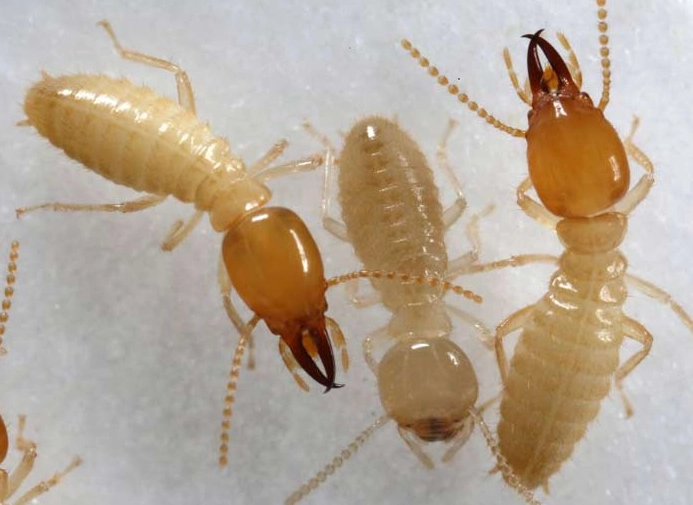
- Spring/Summer: Around exterior lights, window sills, and sliding glass doors at dusk for swarmers. Check mulch beds and wood-to-soil contact points.
- Fall/Winter: Focus indoors. Tap on baseboards and window frames listening for a hollow sound. Check the attic for carton nests, especially near roof leaks. Inspect the garage, particularly where firewood is stored.
| Sign | Formosan Termite | Native Subterranean Termite | Where to Look |
|---|---|---|---|
| Swarmers | ~1/2", yellowish-brown, hairy wings | ~3/8", black to dark brown, wings without hairs | Near lights, windowsills, foundation cracks in late spring. |
| Soldiers | Large, orange-brown, teardrop-shaped head, secretes white liquid | Smaller, rectangular head, no prominent secretion | Inside damaged wood, leading edges of mud tubes. |
| Mud Tubes / Nests | Extensive tubes, can build above-ground "carton" nests in walls/attics | Tubes primarily for travel from soil, rarely build above-ground nests | Foundation, crawl spaces, wall voids, attic eaves, around pipes. |
| Wood Damage | Consumes both soft springwood and hard summerwood, leaving a ribbed or layered pattern. | Primarily eats soft springwood, leaving a honeycomb pattern with intact summerwood layers. | Structural beams, subflooring, window/door frames. |
The Real Cost of Formosan Termite Damage
Let's talk numbers, because that's what insurance companies and mortgage lenders care about. The National Pest Management Association (NPMA) estimates termites cause over $5 billion in property damage annually in the U.S. Formosans are a major driver of that cost in the Southeast and Gulf Coast states where they've established.
A single, untreated infestation can easily lead to structural repairs costing $20,000 to $50,000 or more. I reviewed a case in Charleston where a Formosan colony compromised the main floor joists and load-bearing walls of a 2,500 sq. ft. home. The repair bill? $74,000. Most homeowner's insurance policies do not cover termite damage. It's considered a maintenance issue.
The damage isn't always dramatic collapse. It's often incremental: doors and windows that stick for "no reason," sagging floors, blistering or hollow-sounding wood, and unexplained cracks in drywall or plaster. By the time you see these secondary signs, the primary structural damage is already significant.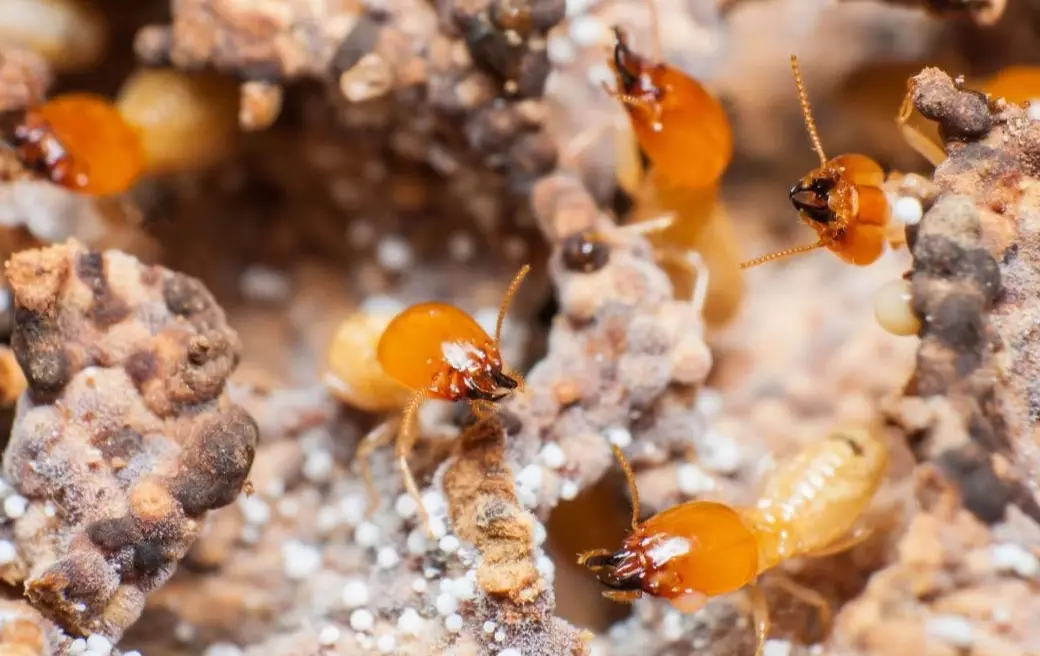
A Proactive Defense: Stopping Formosans Before They Start
Prevention is infinitely cheaper than cure. Here’s a property hardening plan.
Eliminate Moisture
Formosans need moisture more than native termites. Fix leaky faucets, pipes, and AC units immediately. Ensure your gutters and downspouts direct water at least 5 feet away from the foundation. Improve ventilation in crawl spaces with vapor barriers and vents.
Remove Food Sources and Access Points
- No wood-to-soil contact. That means wooden fence posts, deck posts, and siding should be at least 6 inches above grade. Use concrete bases.
- Store firewood and lumber at least 20 feet from the house and elevate it off the ground.
- Replace mulch near the foundation with inorganic alternatives like gravel or rubber. If you use mulch, keep it thin and a few inches away from siding.
- Seal cracks and crevices in the foundation and around utility entry points with a quality sealant.
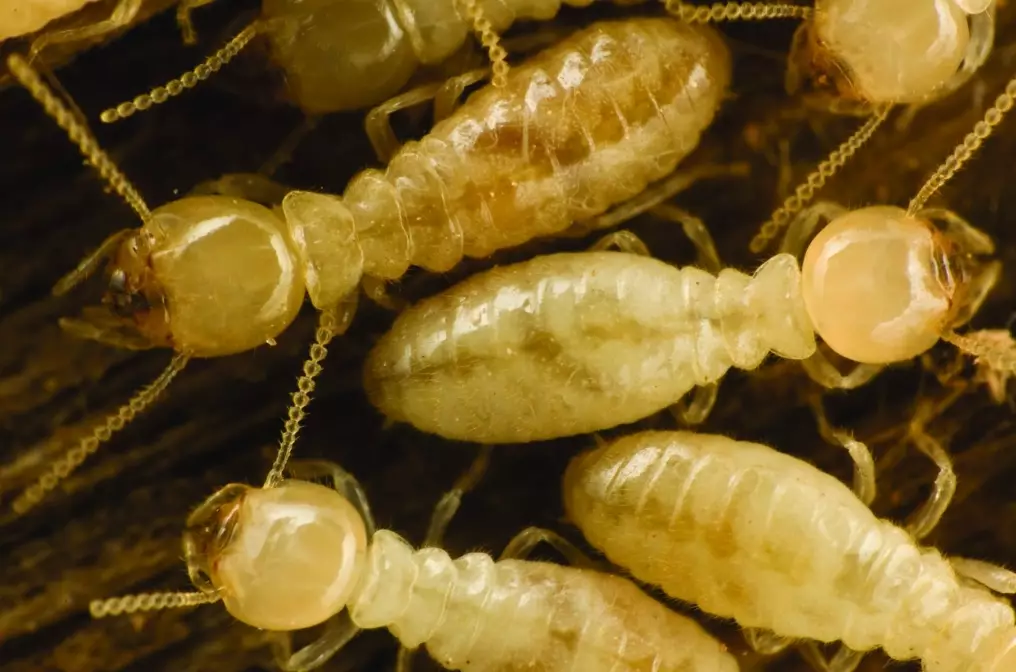
Pro Tip: Schedule a professional inspection before you see signs. A licensed pest control pro can spot vulnerabilities you’ll miss, like a tiny crack in a slab or a hidden moisture issue behind a washing machine. In high-risk areas (LA, FL, GA, SC, TX, HI), an annual inspection isn't a luxury; it's a necessity.
Getting Rid of Formosan Termites: Treatment Options Compared
If you have an active infestation, professional intervention is non-negotiable. DIY methods are utterly ineffective against a multi-million-member Formosan colony. Here’s what the pros use.
Liquid Soil Termiticides (Barrier Treatments)
This is the traditional method. A trench is dug around the foundation, and a long-lasting insecticide is applied to the soil, creating a continuous chemical barrier. Newer non-repellent termiticides (like those containing fipronil or imidacloprid) are particularly effective because termites can't detect them, pass through the zone, and die, spreading the toxin through the colony via grooming and contact.
Best for: New constructions, severe infestations where a quick knock-down is needed, or when baiting has failed.
Termite Baiting Systems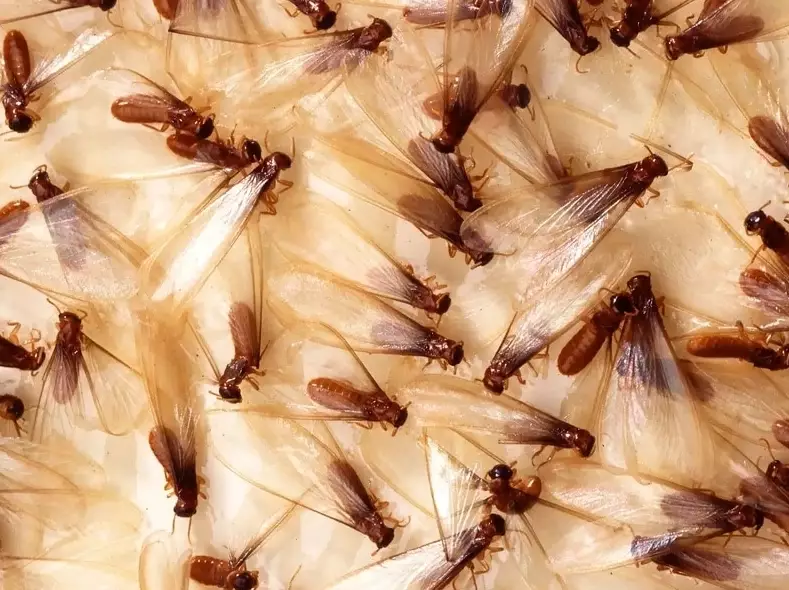
Stations containing a slow-acting insecticide (a chitin inhibitor) are placed in the ground around the property. Termites find the bait, feed on it, and share it with the colony, eventually disrupting their molting process and killing them. This method can take several months to a year or more.
The nuance with Formosans: Because their colonies are so vast and they can forage over wide areas, baiting requires more stations and meticulous monitoring. Sometimes, a large colony will simply avoid the bait stations. I often recommend a hybrid approach: a liquid barrier for immediate protection of the structure, combined with a baiting system for long-term colony elimination in the yard.
Wood Treatments and Foams
For direct treatment of accessible infested wood or carton nests found in walls, insecticides can be injected or foamed directly into the galleries. This is usually a supplemental treatment, not a standalone solution.
When hiring a professional, ask pointed questions: "What is your specific protocol for confirmed Formosan termites?" "Do you use a hybrid barrier/bait strategy for large colonies?" "What is the warranty, and does it cover re-treatment if Formosans return?"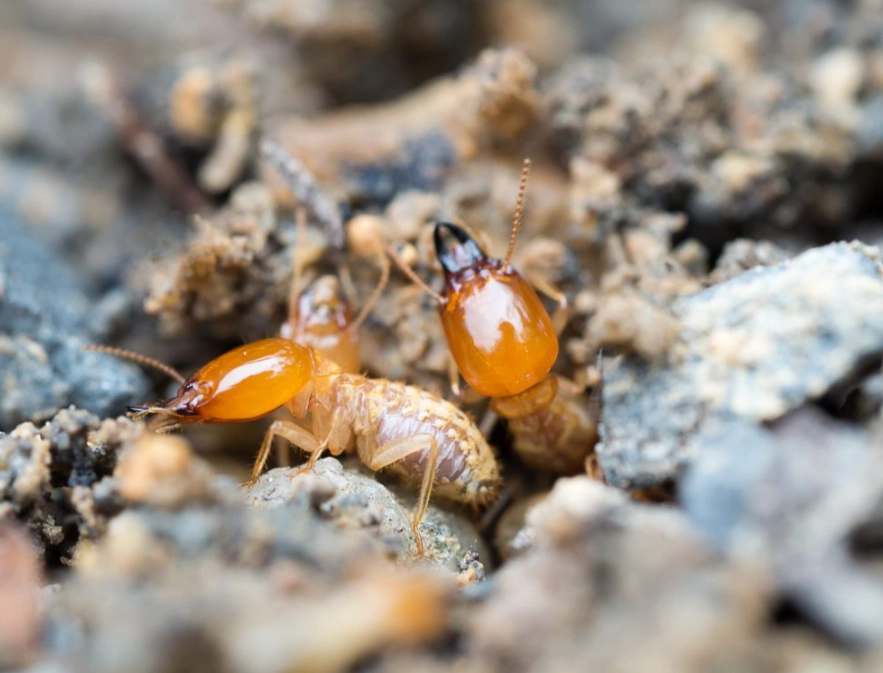
Your Formosan Termite Questions Answered
Are Formosan termites more aggressive than native species?
"Aggressive" isn't quite the right word for insects, but their behavior is far more assertive. Native termite soldiers will often retreat when a mud tube is breached. Formosan soldiers pour out to defend the colony in large numbers. Their foraging is more relentless, and their ability to create independent, above-ground nests shows a higher degree of adaptability, which makes them harder to control.
I found a few winged insects inside. Does that mean my house is infested?
Not necessarily, but it's a major red flag. Swarmers are attracted to light, so they might have flown in from a colony outside. However, if you find more than a handful, find discarded wings on windowsills, or—most importantly—find them emerging from a baseboard or wall, you likely have an active colony within the structure. Collect a few in a jar for a professional to identify.
My annual inspection came back clear, but I'm still worried. What else can I do?
Trust but verify. Ask the inspector to show you their findings, especially in critical areas like the crawl space and attic. Consider getting a second opinion every few years, as inspectors have different levels of experience. Between inspections, be your own first line of defense by performing the seasonal checks outlined above. Installing above-ground termite monitoring stations yourself can also provide peace of mind, but they are not a substitute for professional inspection.
 How long does professional treatment last, and what's the typical cost?
A quality liquid termiticide barrier should last 5-10 years. Baiting systems require ongoing monitoring and maintenance, typically with an annual service fee. Costs vary wildly by region, infestation size, and home construction. For a standard single-family home, expect initial treatment costs ranging from $1,200 to $2,500 for a liquid barrier or $1,500 to $3,000 for an initial bait system installation plus annual fees of $300-$600. For large homes or severe Formosan infestations, prices can climb to $4,000+. Always get multiple detailed quotes.
Can Formosan termites be completely eradicated from a property?
Complete eradication of a specific colony is the goal of treatment, and modern methods are highly effective at achieving it. However, "eradication" from your entire property in a permanent sense is unrealistic. New colonies can always fly in from neighboring areas. That's why the focus should be on protection. A successful treatment eradicates the current infestation and establishes a robust, long-term defense system (chemical barrier or monitored baiting) that prevents new colonies from establishing. Think of it as curing the disease and then giving your home a lasting vaccine.
Comments