Let's cut to the chase. You're probably reading this because you've seen a suspicious bug, found itchy bites, or worse, you're in the middle of a full-blown infestation. Understanding the bed bug life cycle isn't just academic—it's your tactical advantage. These pests don't just appear out of thin air as adults. They grow through distinct stages, and knowing what to look for at each phase is the difference between catching a problem early and dealing with a nightmare that's multiplied out of control. I've seen too many people focus only on the adults, missing the eggs and young nymphs hiding in seams and cracks, which is why the infestation came roaring back a few weeks later.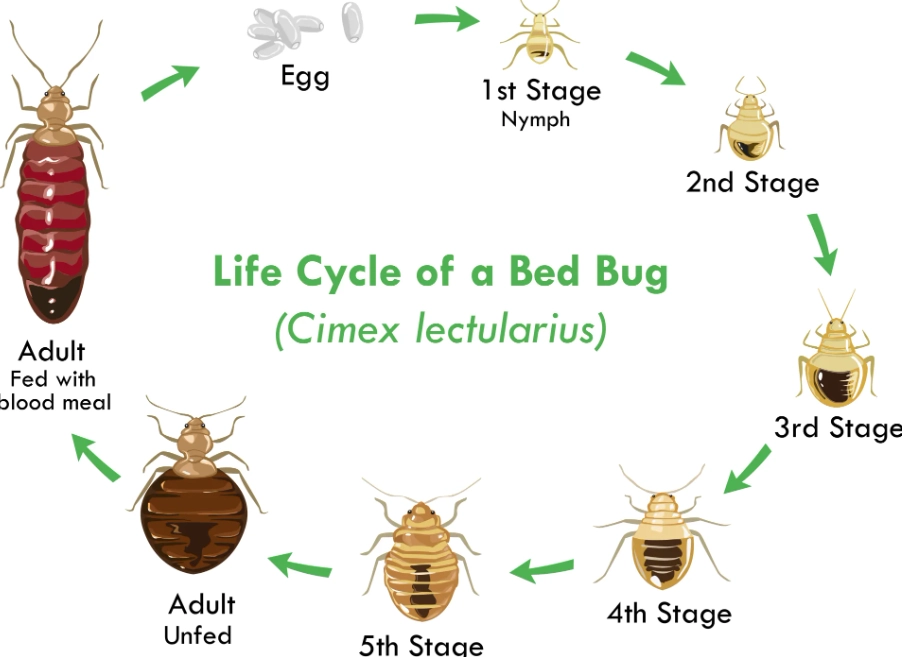
What's Inside: Your Quick Guide to the Bed Bug Life Cycle
- The 7-Stage Timeline: From Pinhead to Pest
- Stage 1: The Egg – Where It All Begins
- Stage 2: The Nymph – The Five Growth Spurts
- Stage 3: The Adult – The Reproductive Machine
- What Speeds Up or Slows Down Their Life Cycle?
- Why This Knowledge is Your Best Weapon
- Your Top Bed Bug Life Cycle Questions Answered
The 7-Stage Timeline: From Pinhead to Pest
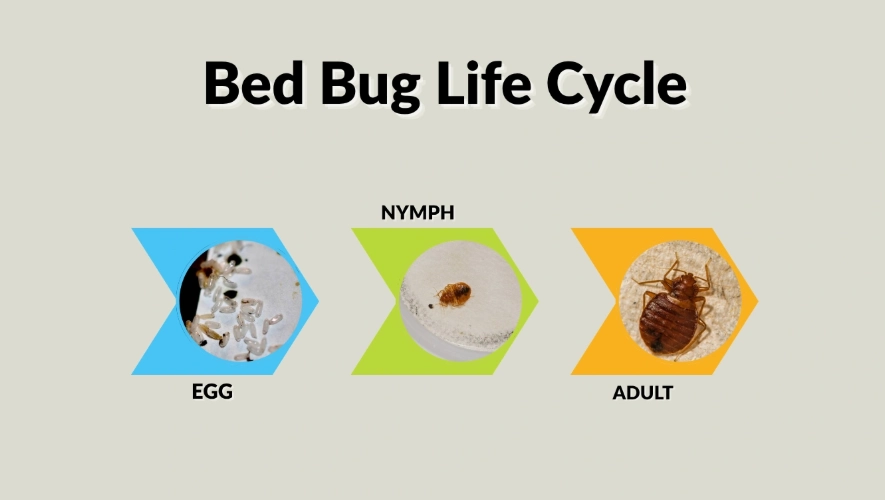
Forget the simple "egg, baby, adult" idea. A bed bug's journey is more precise. It's one egg stage, five juvenile nymph stages (called instars), and finally the adult stage. Each nymph stage ends with a molt, where the bug sheds its exoskeleton to grow larger. They must have a blood meal to molt and progress to the next stage.
Here’s the breakdown of the entire bed bug development process at a typical room temperature (around 70-80°F / 21-27°C):
| Life Stage | Approximate Duration | Key Characteristics & Identification Tips |
|---|---|---|
| Egg | 6 to 10 days | Tiny (1mm), pearly white, oval. Often found in clusters, glued to surfaces in hiding spots. |
| 1st Instar Nymph | ~5 days (after feeding) | ~1.5mm, translucent or pale yellow. Becomes reddish after feeding. Can be confused with a small mite. |
| 2nd Instar Nymph | ~5 days (after feeding) | ~2mm. Slightly darker. Requires a blood meal to molt. |
| 3rd Instar Nymph | ~5 days (after feeding) | ~2.5mm. More visible to the naked eye. Body shape becomes distinctly bed bug-like. |
| 4th Instar Nymph | ~5 days (after feeding) | ~3mm. Easily identifiable as a bed bug. Often the stage people finally notice. |
| 5th Instar Nymph | ~5 days (after feeding) | ~4.5mm. Nearly adult size but sexually immature. Last molt leads to adulthood. |
| Adult | 4 to 6+ months (average) | ~5-7mm, brown to reddish-brown, oval and flat (swollen after feeding). Can lay 1-5 eggs per day. |
See the pattern?
From egg to adult under ideal conditions takes about 5 to 8 weeks. But here's the critical part everyone misses: a single mated female can lay hundreds of eggs in her lifetime. That means a population can explode from "a few bugs" to a major infestation in just 2-3 months if left unchecked. The U.S. Environmental Protection Agency (EPA) notes that their rapid reproduction is a key reason they are so difficult to control.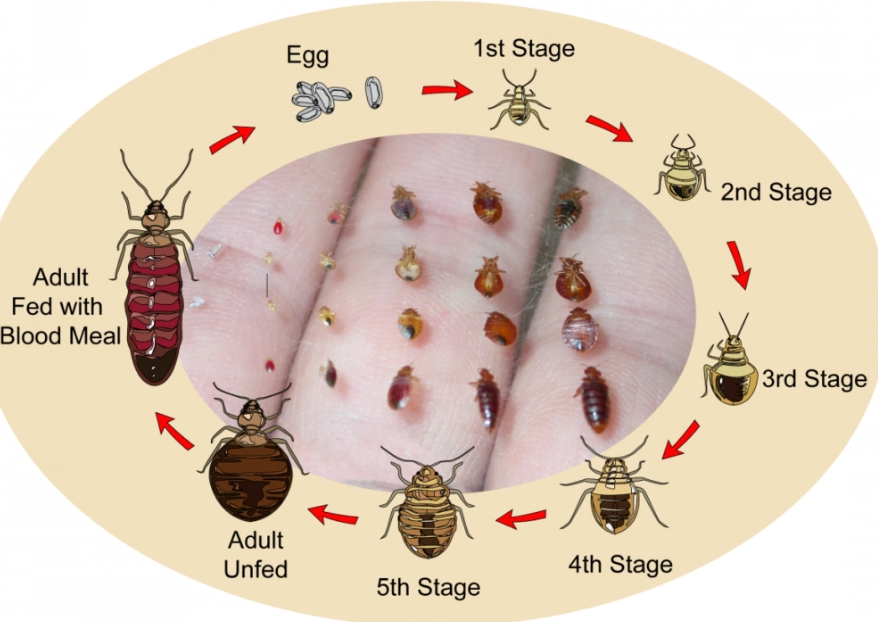
Stage 1: The Egg – Where It All Begins
This is the most overlooked stage. Bed bug eggs are masters of camouflage.
What they look like: Think of a grain of salt, but slightly more elongated and with a sticky, glue-like coating. They are about 1 millimeter long—truly tiny. They start pearly white and may take on a slight yellowish tint as they mature.
Where to find them: Females don't just lay eggs anywhere. They seek out tight, dark cracks and crevices near their host (you). Common spots include:
- The seams, folds, and tags of mattresses and box springs.
- Cracks in bed frames and headboards.
- Behind loose wallpaper, inside electrical outlets, or in furniture joints.
- Even in the spines of books or within clutter.
A huge mistake is using a flashlight and casually glancing over a mattress. You need to use a credit card or thin tool to scrape along seams, forcing hidden eggs into view. The glue that holds them in place is surprisingly strong.
Stage 2: The Nymph – The Five Growth Spurts
Once the egg hatches, the first instar nymph emerges. This is where most DIY efforts fail because people don't recognize them.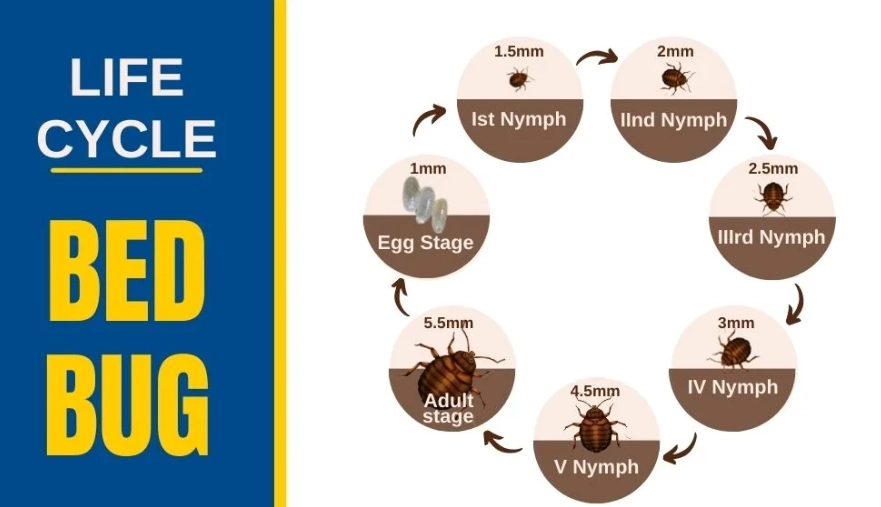
Appearance Evolution: A newborn nymph is almost transparent and light yellow. If it has fed, you'll see a dark red or black spot of digested blood in its abdomen—it looks like a tiny moving speck of pepper. As they progress through the five molts, they grow larger and their color deepens to a tan and eventually the rusty brown of an adult.
The Molting Process: To grow, the nymph must shed its exoskeleton. It needs a blood meal before each molt. After feeding, it retreats to a harborage area to digest and eventually shed its skin. These discarded exoskeletons, or cast skins, are a major sign of infestation. They look like pale, empty shells of bed bugs and are often found in clusters.
Why Nymphs Are So Problematic
They're harder to spot due to their size and color. More importantly, some insecticides and treatments are less effective on the very early nymph stages compared to adults. They can also squeeze into even tinier cracks than adults, making them harder to physically remove or reach with treatments.
Stage 3: The Adult – The Reproductive Machine
The final molt produces a sexually mature adult. Adults are the most recognizable, but by the time you see many adults, the infestation is well-established.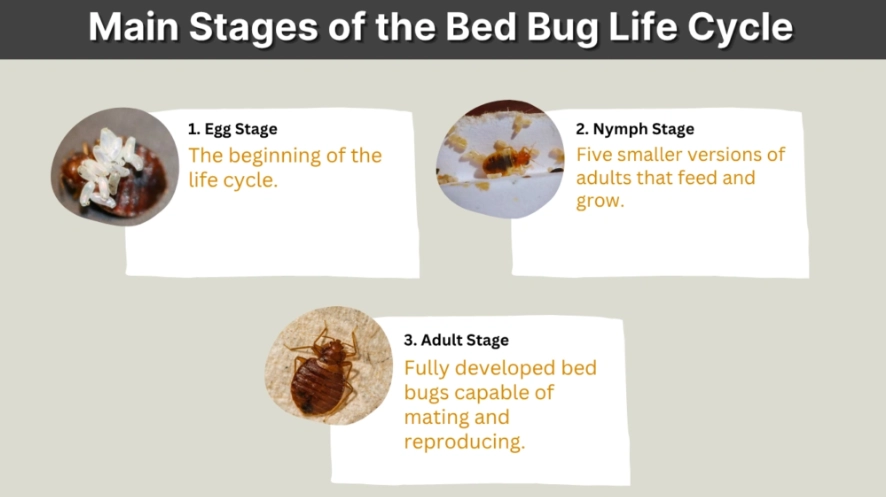
Feeding and Reproduction: Adults feed roughly every 5-10 days if a host is available, but they can survive for months without a meal in cooler temperatures. After mating, a female begins her egg-laying marathon. She can lay for weeks from a single mating event, according to research cited by entomology departments like those at University of Kentucky College of Agriculture. This is why killing only the adults you see does nothing to stop the population growth.
What Speeds Up or Slows Down Their Life Cycle?
Temperature is the biggest governor. Think of it like a biological accelerator pedal.
- Ideal (Fast) Conditions: 80-90°F (27-32°C). The entire cycle from egg to adult can be as short as 21 days. Reproduction rates are highest.
- Room Temperature: 70-80°F (21-27°C). The standard 5-8 week cycle we discussed.
- Cool Conditions: Below 60°F (16°C). Development slows dramatically. Eggs can take months to hatch.
- Lethal Conditions: Sustained temperatures above 118°F (48°C) or below 0°F (-18°C) will kill all stages. This is the principle behind professional heat treatments and careful freezing of items.
Food availability also plays a role. In a vacant apartment, the life cycle pauses. The moment a host returns, the synchronized feeding and molting can begin again, leading to a sudden surge in activity.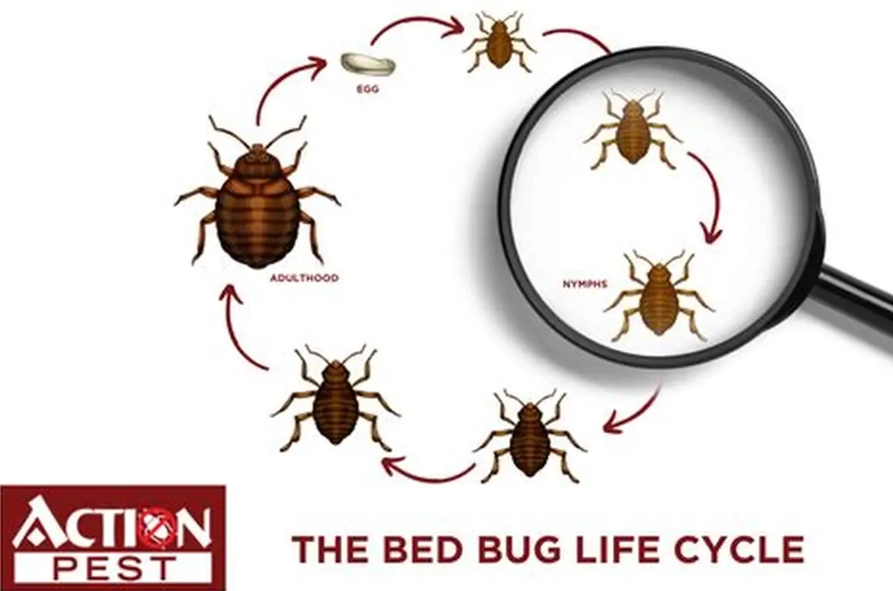
Why This Knowledge is Your Best Weapon
Understanding the bed bug life cycle changes your strategy from reactive to proactive.
1. Inspection Becomes Targeted: You're not just looking for brown bugs. You're meticulously searching for tiny white eggs in seams, translucent nymphs in cracks, and brown molted skins in clutter. You check more thoroughly.
2. Treatment Timing is Critical: Most eggs hatch within 10 days. If you apply a residual insecticide that only kills nymphs and adults, a follow-up treatment around 10-14 days later is non-optional to kill the newly hatched nymphs before they can mature and lay more eggs. Missing this second treatment is the #1 reason DIY sprays fail.
3. You Judge Severity Accurately: Finding only a few adults is concerning. Finding numerous cast skins and eggs indicates an established, breeding population that's been there for at least a few weeks. This tells you the scale of the problem.
4. Prevention Makes Sense: Knowing they can hitchhike as tiny nymphs explains why they spread so easily in luggage, used furniture, or backpacks. It reinforces the need for careful inspection of secondhand items and vigilance after travel.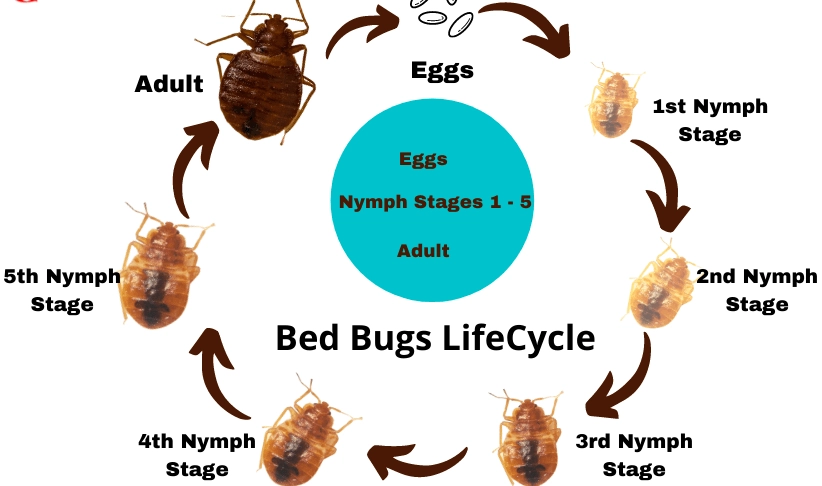
Your Top Bed Bug Life Cycle Questions Answered
If I only see bed bug nymphs, does that mean the infestation is new and not severe?
Not necessarily. It's a dangerous assumption. While an infestation might be new, it's equally likely you're only seeing the nymphs because the adults are better at hiding in deeper harborages. Nymphs are more active and may wander more. The presence of any nymphs confirms a breeding population exists—there are eggs hatching somewhere. You must assume there are adults and eggs present until a professional inspection proves otherwise.
How can I tell a recently fed bed bug nymph from another type of bug?
The giveaway is the color and the body shape. A recently fed early-stage nymph will have a bright red, translucent abdomen (the blood is still undigested) contrasting with its pale head and thorax. As it digests over hours, the abdomen darkens to a muddy brown or black. Its body shape is the classic oval, apple-seed form of a bed bug, even when tiny. Nothing else quite looks like it, especially when you find it in a bedroom harborage area.
 Does disrupting their life cycle with insecticides that prevent molting actually work?
Yes, and they're a key tool in modern Integrated Pest Management (IPM). These are called insect growth regulators (IGRs) or insect development inhibitors. They don't kill on contact but interfere with the molting process. A nymph that feeds on a surface treated with an IGR will be unable to shed its skin and will die. The advantage is that it breaks the life cycle and has a long residual effect. However, they work slowly and must be combined with other methods (like direct-kill insecticides, steam, or vacuuming) for immediate population reduction. They are rarely effective as a standalone solution.
Can bed bugs complete their life cycle feeding on pets instead of humans?
They can survive, but it's not ideal for them. Bed bugs strongly prefer human blood. They will bite dogs, cats, or birds if humans are absent, but this may stress the insects and slow their reproduction. The bigger issue is that pets can carry bugs into new areas of the home, spreading the infestation. Pets are not a primary reservoir, but they can be transportation vectors. You should consult a vet for pet-safe treatment options if you have an infestation.


Comments