You're enjoying a late summer barbecue when a sharp, sudden pain hits your arm. A black and yellow insect zips away. That's your introduction to the yellow jacket, one of the most aggressive and problematic stinging insects in North America. I've been dealing with these pests professionally for over a decade, and I can tell you that most online advice misses the mark. It's not just about the sting; it's about understanding a complex, social predator that views your picnic as its territory.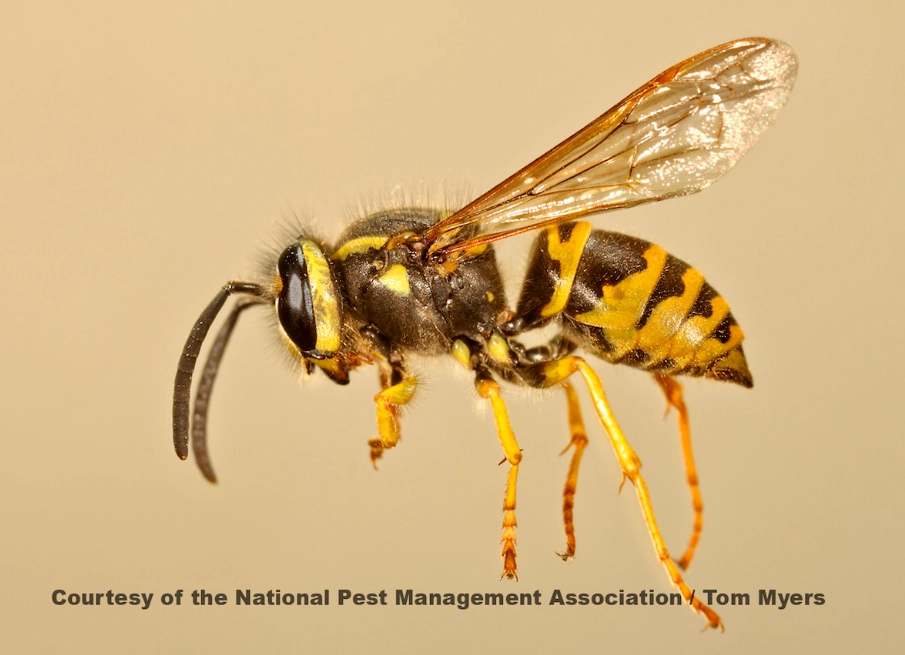
Quick Navigation: What You'll Learn
- What Exactly Is a Yellow Jacket Insect?
- How to Identify a Yellow Jacket
- Yellow Jacket Sting: First Aid and When to Panic
- How to Find a Yellow Jacket Nest (The Right Way)
- Safe Yellow Jacket Nest Removal: DIY vs. Professional
- Preventing Yellow Jackets: Long-Term Strategies That Work
- Your Yellow Jacket Questions Answered
What Exactly Is a Yellow Jacket Insect?
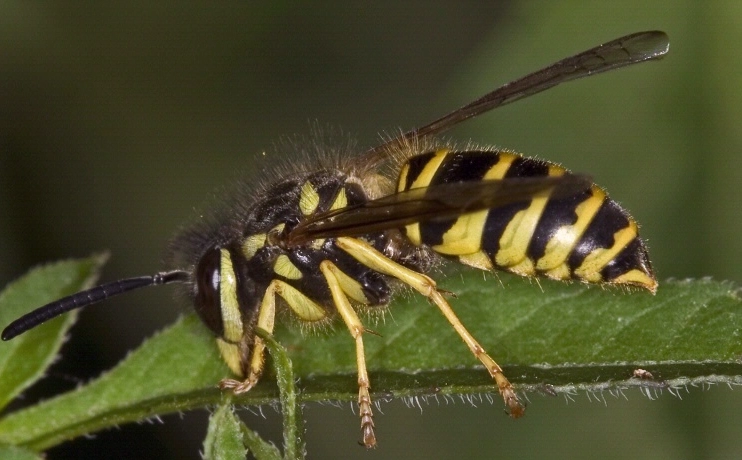
Let's clear up the confusion first. "Yellow jacket" isn't a single species. It's a common name for a bunch of predatory wasps in the Vespula and Dolichovespula genera. They're social insects, living in colonies that can explode to several thousand workers by late summer. Unlike bees, they're carnivores and scavengers. That's why they're all over your soda can and hamburger.
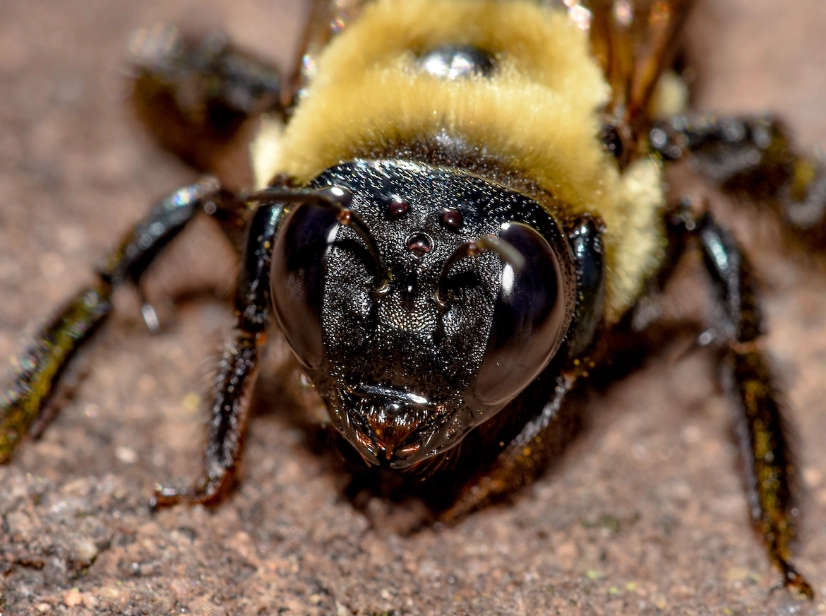
The biggest mistake people make is calling them "bees." Bees are fuzzy, rounder, and generally docile unless you threaten their hive. Yellow jackets are sleek, hairless, and wired for aggression. They can and will sting multiple times. Their nest defense is intense. I once watched a homeowner accidentally mow over a ground nest entrance. The response was instantaneous and terrifying – dozens of wasps attacking in seconds.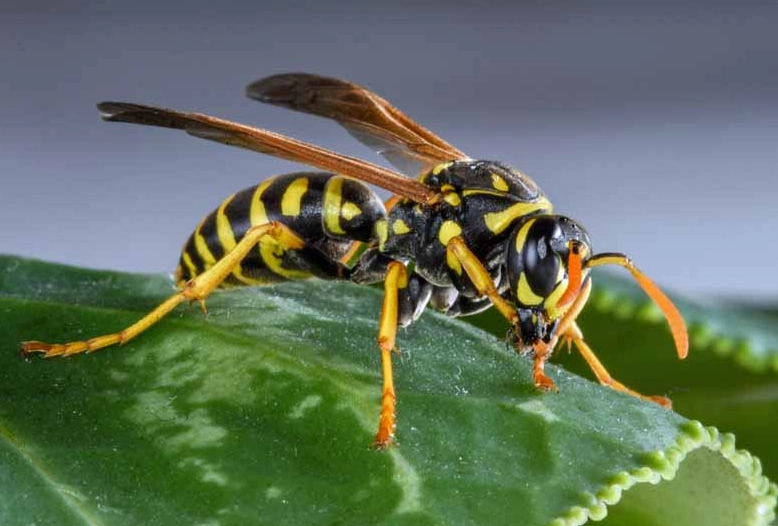
Their life cycle is key to understanding the problem. A single, fertilized queen starts a nest in spring. She does everything alone at first. By midsummer, the worker population booms, and their foraging becomes desperate and aggressive. This is when most conflicts happen. Come fall, the colony dies, leaving only new queens to hibernate. Knowing this cycle tells you the best times for intervention: early spring (find the small nest) or late evening in summer (when most foragers are home).
How to Identify a Yellow Jacket: A Step-by-Step Guide
Correct identification is step one. Mistaking a paper wasp or honeybee for a yellow jacket leads to the wrong response.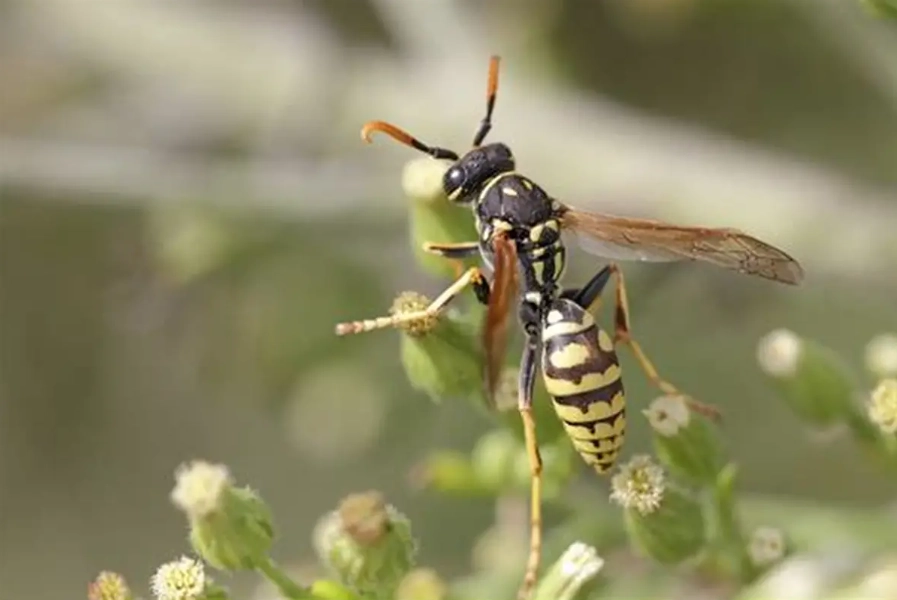
Here’s a quick comparison table I use with clients:
| Feature | Yellow Jacket | Honey Bee | Paper Wasp |
|---|---|---|---|
| Body Shape | Sleek, pronounced narrow waist | Rounder, fuzzy, less defined waist | Slender with long legs, dangling in flight |
| Color Pattern | Bright, sharp black and yellow bands | Golden brown and black, fuzzier appearance | Often brownish with yellow or reddish markings |
| Nest Location | Often underground, also in wall voids, attics | Man-made hives or tree cavities | Open, umbrella-shaped comb under eaves |
| Aggression Level | Highly aggressive, especially near nest | Defensive of hive only | Mildly defensive of nest |
| Sting Ability | Smooth stinger, can sting repeatedly | Barbed stinger, dies after stinging | Smooth stinger, can sting repeatedly |
Listen for the sound too. A steady stream of insects flying low to the ground near a hole often points to a ground nest. A faint, persistent rustling or scratching inside a wall? That’s a classic sign of an enclosed nest, which is a whole different level of problem.
Yellow Jacket Sting: First Aid and When to Panic
The sting hurts. It's a mix of venom designed to cause pain and mark you as a target. The standard advice is wash with soap, apply ice, take antihistamine. That's fine for most people. But here's what they don't tell you.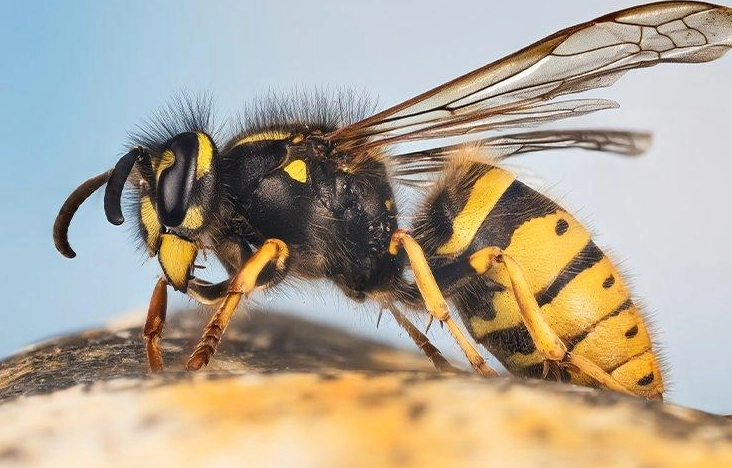
The real danger isn't usually the first sting. It's the pheromone alarm they release. That scent tells every yellow jacket in the area to come and sting the same spot. If you're stung, move away immediately and quickly. Don't stand there swatting.
For a normal, localized reaction, I've found a paste of baking soda and water applied for 15-20 minutes works better than just ice for neutralizing the acidic venom. Over-the-counter hydrocortisone cream can help with the itch later. Watch the site for a few days. Increasing redness, swelling, or pus could indicate a secondary infection, which needs a doctor's attention.
How to Find a Yellow Jacket Nest (The Right Way)
Finding the nest is critical for control. But do it smartly. Never go poking around suspected areas during the day.
Timing is everything. Go out at dusk or just before dawn. Wear light-colored, smooth clothing (they are attracted to dark, fuzzy textures). Move slowly and quietly. Watch for flight paths. See where the wasps are coming from and going to. They fly in a relatively straight line to and from food sources.
Common nest locations people miss:
- Underground: Old rodent burrows, under railroad ties, in compost piles. Look for a perfectly round hole about the size of a quarter with no debris around it.
- Structural Voids: Soffits, behind siding, inside hollow porch columns, attics. Look for a steady traffic of insects entering a tiny crack or gap.
- Shrubs and Bushes: Dense vegetation like ivy or thick shrubs can conceal aerial nests.
I once found a massive nest inside the hollow metal frame of a playground slide. The point is, think beyond trees and eaves. If you see high activity but can't find the nest, it's likely hidden in a void. That's a job for a pro.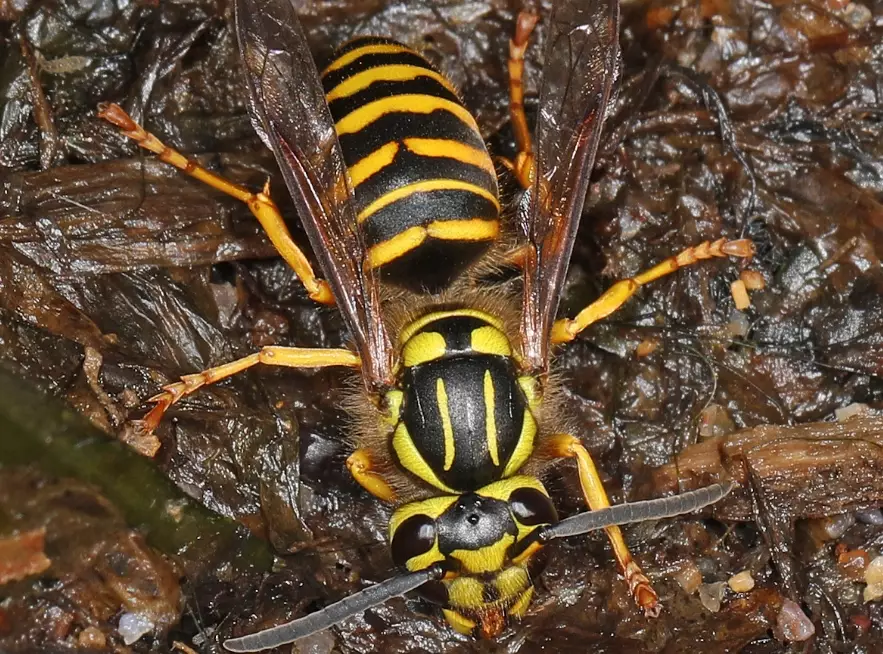
Safe Yellow Jacket Nest Removal: DIY vs. Professional
This is where most DIY efforts fail spectacularly. You need the right tools, the right time, and the right mindset.
When DIY Might Be Okay
Only consider DIY if: the nest is small (softball-sized or smaller), easily accessible, and you have no allergy. You must use a wasp and hornet jet spray that shoots a stream from 10-15 feet away. Never use a general-purpose insecticide. Treat the nest entrance at night, when all foragers are inside and inactive. Soak the entrance thoroughly. Wait 24 hours, approach cautiously, and seal the entrance.
When to Absolutely Call a Professional
Call a licensed pest control operator for:
- Nests inside walls, attics, or other structures.
- Large ground nests (you often can't see the full size).
- If anyone in the household is allergic.
- If the nest is in a high-traffic area like a doorway or playground.
Professionals have protective gear, industrial-strength insecticides, and techniques like dusts that wasps carry deep into the nest. They can also safely remove the nest structure to prevent future queens from using it. The cost is worth avoiding a trip to the ER.
A resource like the National Pest Management Association can help you find qualified professionals in your area.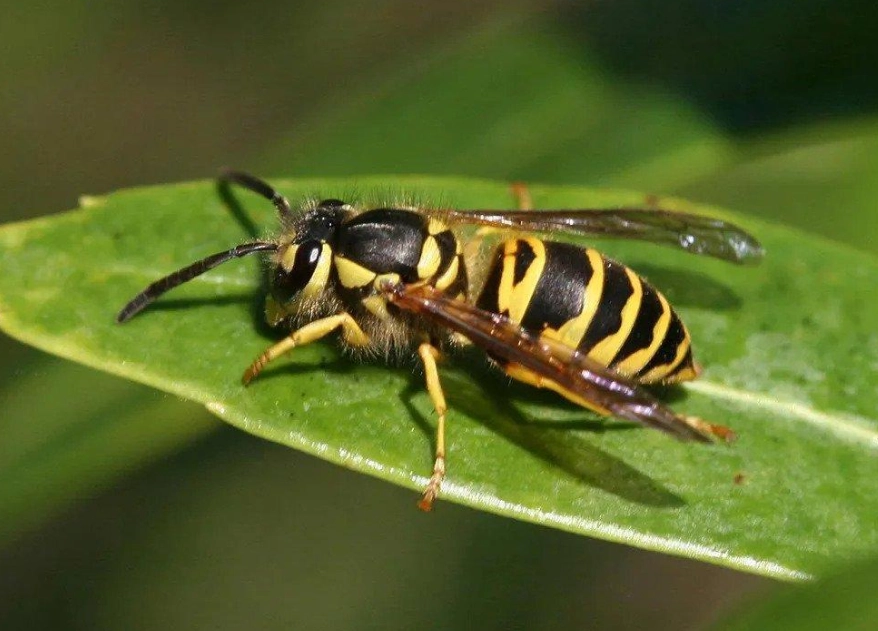
Preventing Yellow Jackets: Long-Term Strategies That Work
Killing a nest solves this year's problem. Prevention stops next year's.
Spring is for exclusion. In early spring, new queens are looking for nesting sites. Walk your property and seal cracks in siding, foundation, and around utility lines. Repair damaged soffits and screens. Use steel wool or caulk for small holes.
Summer is for sanitation. Yellow jackets are attracted to proteins and sugars.
- Keep trash cans tightly sealed and clean.
- Don't leave pet food outside.
- Clean grills after use.
- Use clear, covered cups for sugary drinks outdoors so you can see what's in them.
- Pick up fallen fruit from trees promptly.
Traps are a mixed bag. The sweet-liquid traps you buy often attract more yellow jackets from neighboring areas without catching the queen. If you use them, place them at the perimeter of your property, far from where people gather. Meat-baited traps in early spring can catch founding queens, which is more effective.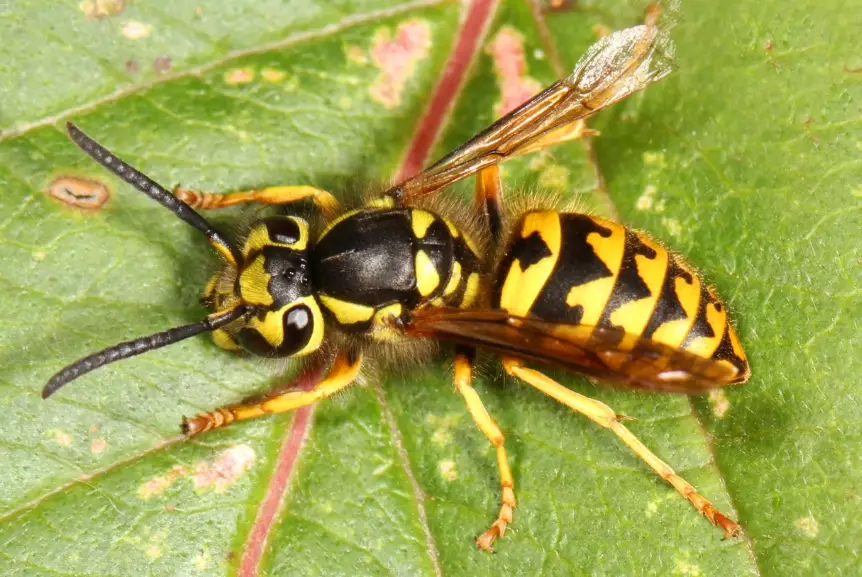
Your Yellow Jacket Questions Answered
 How far will yellow jackets chase you if you disturb their nest?
Dealing with yellow jackets is about respect, not fear. Understand their biology, respect their defensive nature, and take smart, decisive action when they conflict with your space. A little knowledge and the right timing can save you a world of pain.
Comments