That sudden sharp pain, the immediate swelling, the frantic search for the culprit—a run-in with stinging insects is rarely pleasant. For most of us, it's a temporary nuisance. For others, it's a serious health threat. I've spent years dealing with everything from backyard bee swarms to hidden wasp nests in attics, and the biggest mistake I see is a one-size-fits-all approach. Not all stingers are created equal, and treating a honeybee sting is fundamentally different from dealing with a yellowjacket. This guide cuts through the generic advice and gives you the specific, actionable knowledge you need to identify, prevent, and handle encounters with these common yet often misunderstood creatures.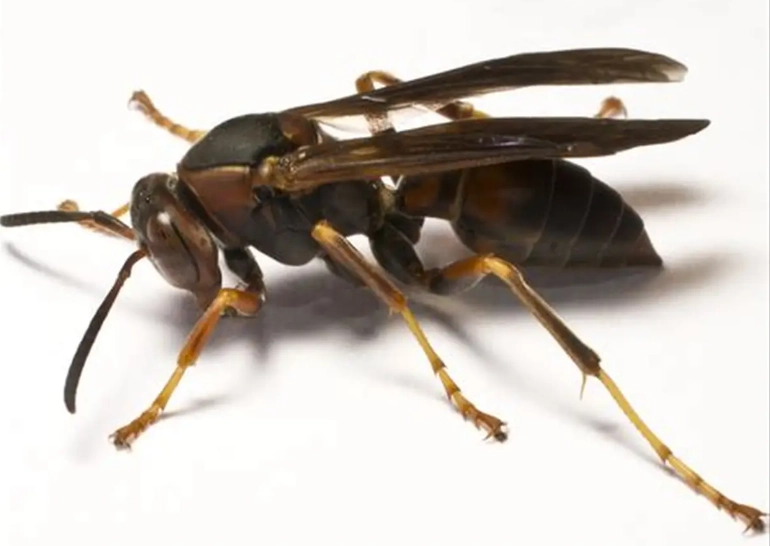
What You'll Find Inside
Know Your Buzzer: A Quick Identification Guide
You can't deal with a problem effectively if you don't know what you're up against. Mistaking a docile bumblebee for an aggressive yellowjacket leads to unnecessary panic, while confusing a paper wasp nest for a hornet's nest might make you underestimate the risk. Here’s a breakdown of the usual suspects.
| Insect | Appearance | Nest Type & Location | Temperament & Key Fact |
|---|---|---|---|
| Honey Bee | Golden-brown, fuzzy body. Less defined waist. | Large, structured wax combs. Often in hollow trees, wall cavities, or man-made hives. | Generally docile unless hive is threatened. Dies after stinging (stinger is barbed). Vital pollinators. |
| Bumble Bee | Large, very fuzzy, black and yellow bands. Round, robust body. | Small, messy wax pots, often in abandoned rodent burrows or under grass clumps. | Extremely docile. Can sting repeatedly but rarely do. Excellent pollinators for tomatoes and peppers. |
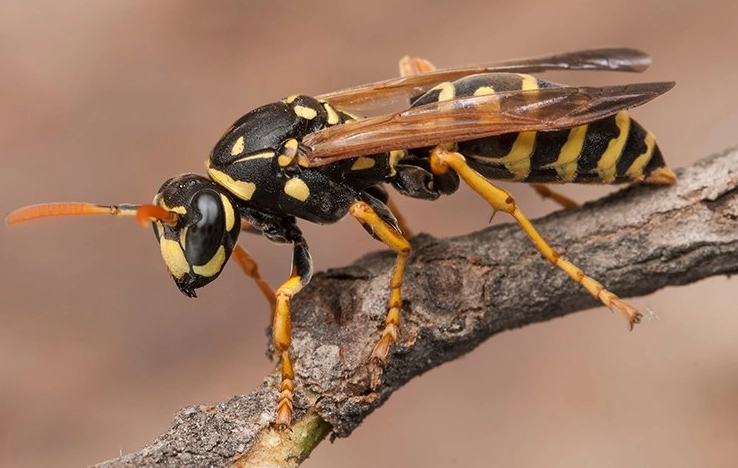
| Yellowjacket | Smooth, bright yellow and black bands. Slender waist. | Papery, enclosed nests. Often underground, in wall voids, or under eaves. The classic "bbq pest". | Aggressive, especially in late summer. Carnivorous (attracted to meat, soda). Can sting repeatedly. |
| Paper Wasp | Slender with long legs, brownish with yellow or red markings. Body dangles in flight. | Open-celled, umbrella-shaped honeycomb nests. Under porch ceilings, deck railings, window frames. | Less aggressive than yellowjackets but will defend nest. Predators of caterpillars. |
| Bald-Faced Hornet | Black and white (not yellow), larger than yellowjackets. | Large, football-shaped gray paper nests, usually high in trees or shrubs. | Highly aggressive in defending their large, aerial nest. Sting repeatedly. Avoid at all costs. |
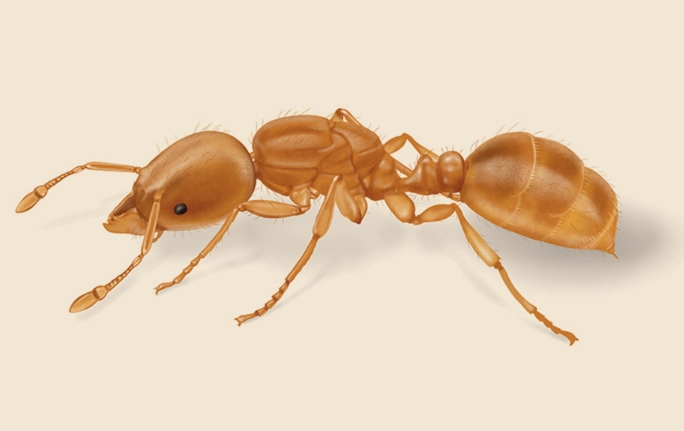
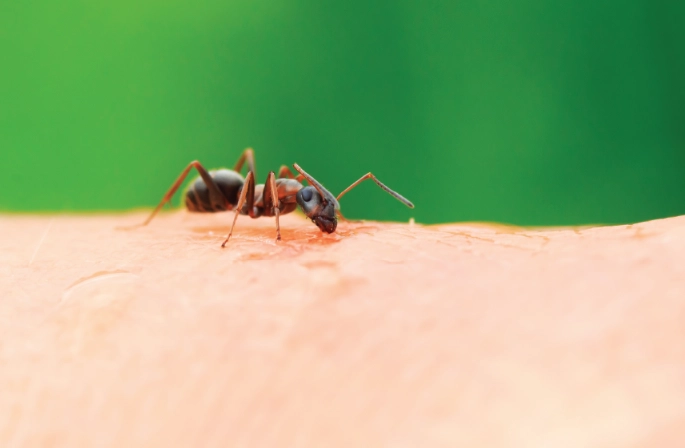
| Fire Ant | Small, reddish-brown ants. Not an insect that flies to you, but their mounds are a ground hazard. | Large, loose soil mounds in sunny areas (lawns, parks). No visible entrance hole. | Extremely aggressive if mound disturbed. Sting repeatedly in a circular pattern, causing painful pustules. |
Spotting the difference comes down to a few clues: fuzziness (bees are fuzzy, wasps are smooth), waist definition (wasps have a narrow waist), and nest architecture. If you see insects flying into a small hole in the ground, you're likely dealing with yellowjackets. If you see a neat, open comb under your deck, those are paper wasps.
How to Prevent Stings Before They Happen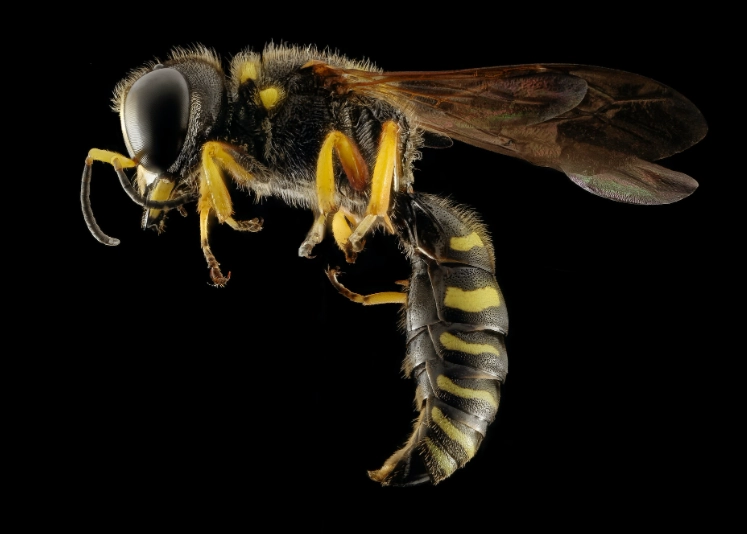
Prevention isn't about declaring war on all insects. It's about making your space less appealing and avoiding accidental provocations. Most stings happen because we blunder into their space, not because they're out hunting us.
Modify Your Behavior: This is 80% of the battle. Avoid walking barefoot in grass, especially clover patches where bees forage. Be cautious when drinking sweet drinks outdoors—always use a lid and check the rim before taking a sip. I've pulled more than one wasp out of a soda can. Keep garbage cans tightly sealed and rinse recyclables. Yellowjackets are master scavengers.
Modify Your Environment: Seal cracks and crevices in your home's siding, roof, and foundation in early spring to prevent queens from entering to start a nest. Repair torn window screens. Keep flowering plants that attract bees, like lavender and sage, planted away from high-traffic doorways and play areas. It's a compromise—you want the pollinators, just not right by the patio.
What About Nests? If you find a small, starter nest (golf-ball size) in early spring, you can often knock it down at night with a long stick and spray the area with soapy water to deter rebuilding. The queen is likely the only resident then. But if the nest is larger, established, or belongs to aggressive species like yellowjackets or bald-faced hornets, do not attempt removal yourself. The risk of mass envenomation is real and serious. Call a professional.
Step-by-Step: How to Treat a Sting at Home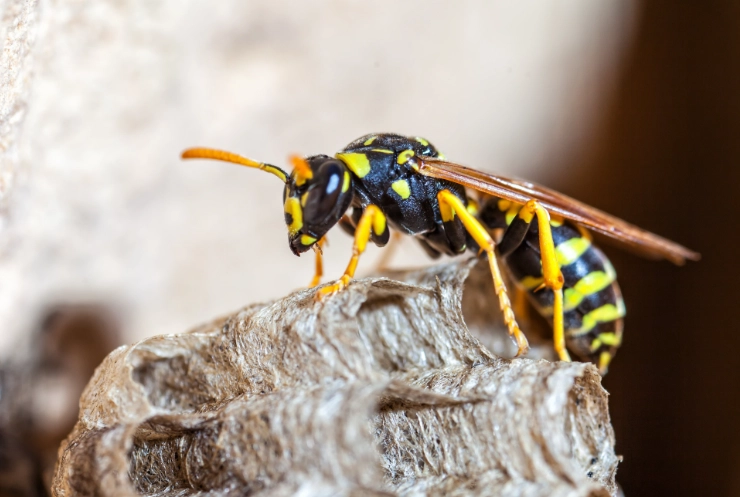
You got stung. Don't panic. Follow these steps methodically. The type of insect dictates your first move.
The First 5 Minutes Are Critical
1. Get to Safety. Move away from the area calmly but quickly. Swatting will only incite more insects if you're near a nest.
2. Identify the Stinger (Bee vs. Wasp). Look at the sting site. Do you see a small black barb embedded in your skin? If yes, it's a honeybee. This is crucial. If there's no stinger, it was a wasp, hornet, or bumblebee.
3. Remove the Stinger (If Present). Here's the expert tip most people get wrong: Do not use tweezers or pinch it with your fingers. Pinching the venom sac attached to the stinger injects more venom. Instead, use the edge of a credit card, a driver's license, or your fingernail to scrape the stinger out horizontally. Flick it off. Speed matters—get it out within 30 seconds.
4. Clean the Area. Wash with soap and cool water to reduce infection risk.
Managing the Next Few Hours and Days
Reduce Swelling and Pain: Apply a cold pack or ice wrapped in a cloth for 15-20 minutes at a time. This constricts blood vessels, slowing venom spread and numbing pain. Elevate the limb if stung on an arm or leg.
Over-the-Counter Relief: Take an antihistamine (like diphenhydramine/Benadryl or cetirizine/Zyrtec) to combat itching and systemic reaction. Use a pain reliever like ibuprofen or acetaminophen. A dab of hydrocortisone cream or calamine lotion on the site can help with localized itching.
Home Remedies That Actually Work: A paste of baking soda and water (alkaline) can help neutralize acidic bee venom. A dab of vinegar (acidic) might help with alkaline wasp venom, though the science is shakier here. The real benefit is the cool, wet sensation providing relief.
When a Sting Becomes an Emergency
Most stings are localized. An allergic reaction is systemic, meaning it affects other parts of your body. Know the signs of anaphylaxis—it comes on fast, usually within minutes to an hour.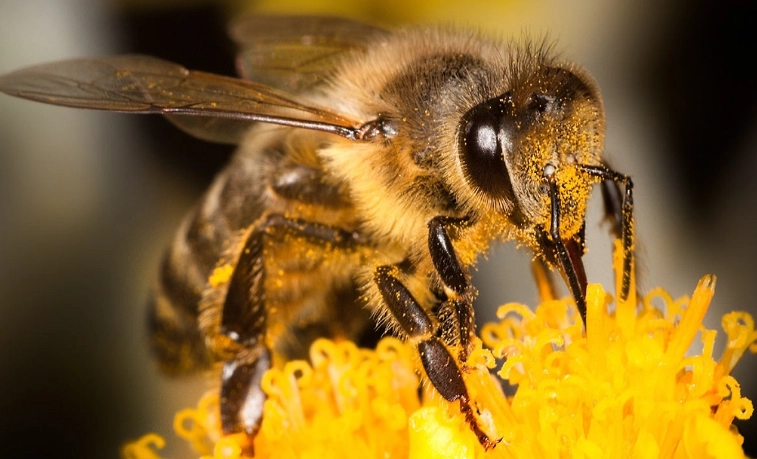
Seek IMMEDIATE emergency medical care (Call 911) if you experience:
- Difficulty breathing, wheezing, or tightness in the throat.
- Swelling of the lips, tongue, or face.
- Dizziness, rapid pulse, or a sudden drop in blood pressure (feeling faint).
- Hives or itching spreading over large areas of the body, away from the sting site.
- Nausea, vomiting, or diarrhea.
If you have a known severe allergy, use your epinephrine auto-injector (EpiPen) immediately and then call 911. The injection is not a cure; it's a stopgap to keep you stable until paramedics arrive.
Also see a doctor (non-emergency) if: The sting site shows signs of a bacterial infection after a few days—increasing redness, warmth, swelling, pus, or red streaks radiating from the wound. You were stung multiple times (10+), especially a child or elderly person, as the venom load can be toxic. The sting is inside the mouth or throat, as swelling can block airways.
Your Stinging Insect Questions Answered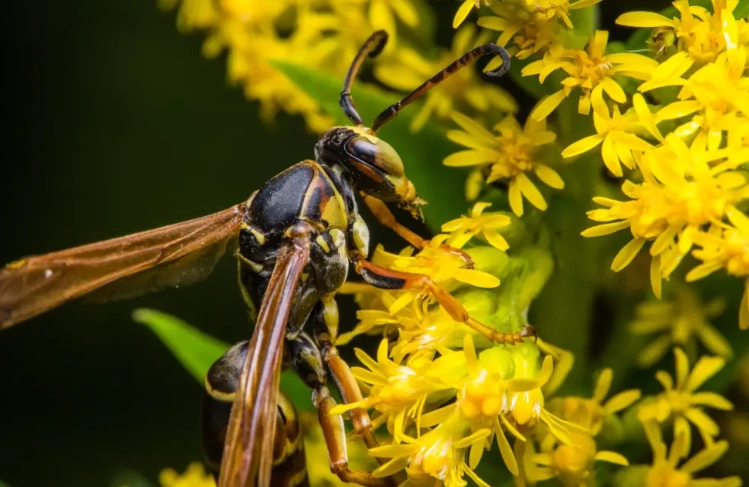
 What's the real difference between "bee-friendly" removal and extermination?
The key to coexisting with stinging insects is respectful awareness, not fear. Learn to identify them, understand their behavior, and take smart, preventative steps. When problems arise, know how to respond calmly and effectively, and never hesitate to call in a professional when the situation is beyond a simple DIY fix. A little knowledge turns a potential crisis into a manageable event.
Comments