You notice a few itchy bites. Then you see a tiny black speck jump. A week later, you're living in a nightmare. Your ankles are covered in welts, your pets are frantic, and your home feels like it's crawling. This isn't just a "flea" problem. This is a flea flea flea situation—a severe, persistent infestation that goes beyond a minor nuisance and crosses into a legal issue of habitability. As a tenant, you have rights, and your landlord has responsibilities. I've handled enough of these cases to see the same mistakes repeated. This guide cuts through the frustration and outlines the concrete, legal steps you can take to reclaim your home and, if necessary, seek compensation.
What You'll Find in This Guide
- What "Flea Flea Flea" Really Means in Legal Terms
- Your Legal Rights as a Tenant Facing an Infestation
- Breaking Down Landlord Responsibility and Legal Duties
- Your 4-Phase Action Plan: From Documentation to Lawsuit
- The Legal Grounds for Your Claims: Warranty of Habitability and Beyond
- Tough Questions from Tenants (Answered by Experience)
What "Flea Flea Flea" Really Means in Legal Terms
Let's be clear. A single flea isn't a legal case. "Flea flea flea" is shorthand we use to describe an infestation that's severe, ongoing, and materially affects your quiet enjoyment and the livability of the unit. The legal threshold often hinges on the warranty of habitability, an implied promise in every rental agreement that the property will be fit for human habitation. Courts have consistently ruled that severe pest infestations, including bed bugs, cockroaches, and yes, fleas, can breach this warranty.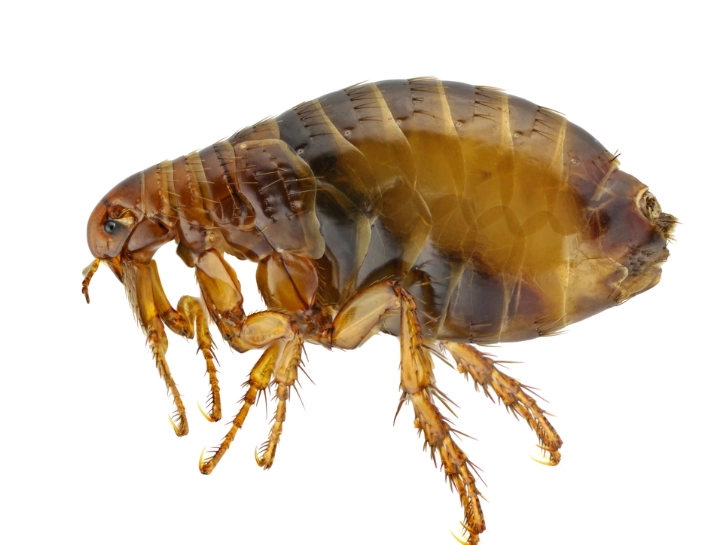
How do you know you've crossed from "annoyance" to "legally actionable"? Look for these signs:
- Health Impact: Multiple bites causing allergic reactions, skin infections (from scratching), or significant emotional distress/anxiety.
- Pervasive Presence: Fleas are visible on furniture, carpets, and pets daily, despite over-the-counter treatment attempts.
- Failed DIY Control: You've tried foggers, sprays, and pet treatments, but the population rebounds within weeks.
- Property Damage: The infestation is so bad it requires professional carpet cleaning or replacement, which is beyond normal wear and tear.
When your home feels like a battleground, the law is on your side. But you have to know how to use it.
Your Legal Rights as a Tenant Facing an Infestation
Your lease isn't just a list of rules you must follow; it's a two-way contract. In exchange for rent, you're entitled to a safe and livable space. When fleas invade, several key rights come into play: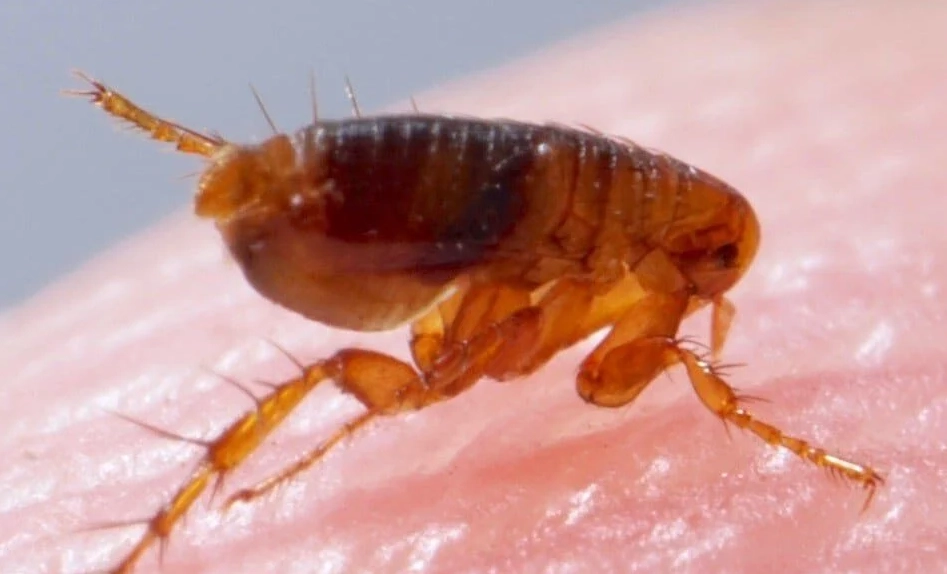
The Right to a Habitable Dwelling: This is the big one. It's not explicitly written in your lease, but it's guaranteed by state law (like California's Civil Code § 1941.1 or New York's Real Property Law § 235-b). A flea infestation can violate specific habitability standards related to sanitation and pests.
The Right to "Repair and Deduct": Many states have a legal remedy called "repair and deduct." If your landlord is notified and fails to act within a "reasonable time" (often 30 days for non-emergencies, but severity matters), you may hire a professional exterminator, pay for it, and deduct the cost from your next rent payment. Warning: The rules for this are strict and vary wildly. Missteps can lead to an eviction notice for non-payment of rent.
The Right to Withhold Rent (Carefully): In some jurisdictions, if the problem is severe enough to render the unit uninhabitable, you may place your rent in an escrow account with the court until the issue is resolved. This is a nuclear option and should never be done without consulting a local tenant attorney or your city's housing authority first.
The Right to Break the Lease: If the infestation is chronic and the landlord won't solve it, it may constitute "constructive eviction"—the landlord's actions (or inaction) have effectively forced you out. This can give you grounds to terminate your lease early without penalty. Document everything if you go this route.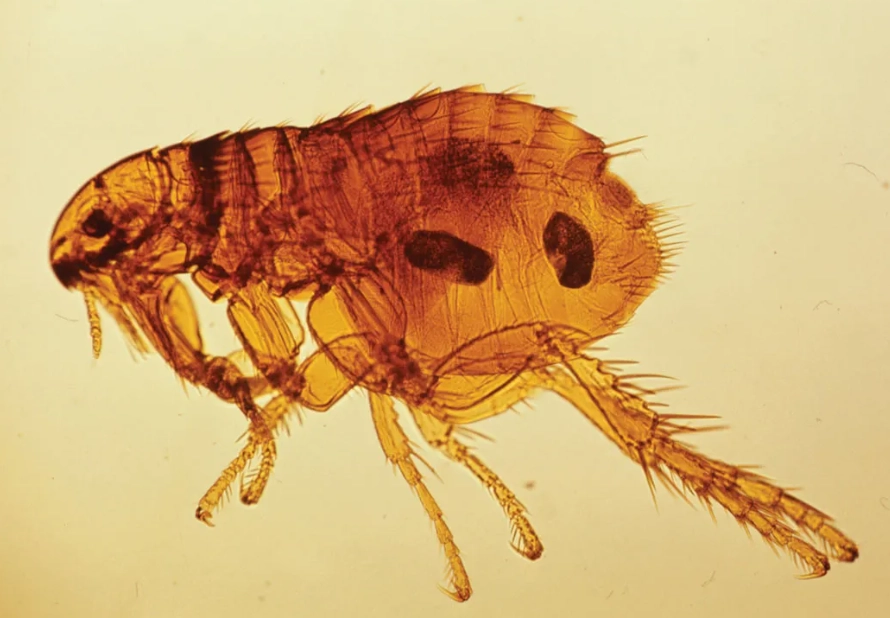
Breaking Down Landlord Responsibility and Legal Duties
Landlords love to point fingers at pets. And while a pet can introduce fleas, the landlord's duty to maintain a pest-free environment often remains. The key question is: Who is responsible for control? The answer usually depends on the source and the lease language.
Most standard leases make the landlord responsible for exterminating infestations. Why? Because they own the building. Fleas live in floorboards, under baseboards, and in the subfloor—areas a tenant can't treat. Even if your pet brought in the first flea, the landlord's failure to maintain the property allowed it to become an infestation.
Check your local housing codes. Cities like San Francisco and New York have specific ordinances placing pest control responsibility squarely on the property owner in multi-unit buildings, as pests easily travel between units.
| Legal Principle | Landlord's Duty | Tenant's Duty |
|---|---|---|
| Warranty of Habitability | Provide a unit free from severe pest infestations that impact health/safety. | Maintain unit in a clean, sanitary manner to not attract pests. |
| Common Area Maintenance | Exterminate fleas in hallways, basements, laundry rooms, and between units. | Report sightings in common areas promptly. |
| Lease-Specific Clauses | Honor any "pest control provided" clauses. Cannot contract away habitability duty. | Comply with pet treatment requirements if pets are allowed. |
If your landlord refuses to act, claiming it's "your problem," they're likely violating the law. Your next job is to build a bulletproof case.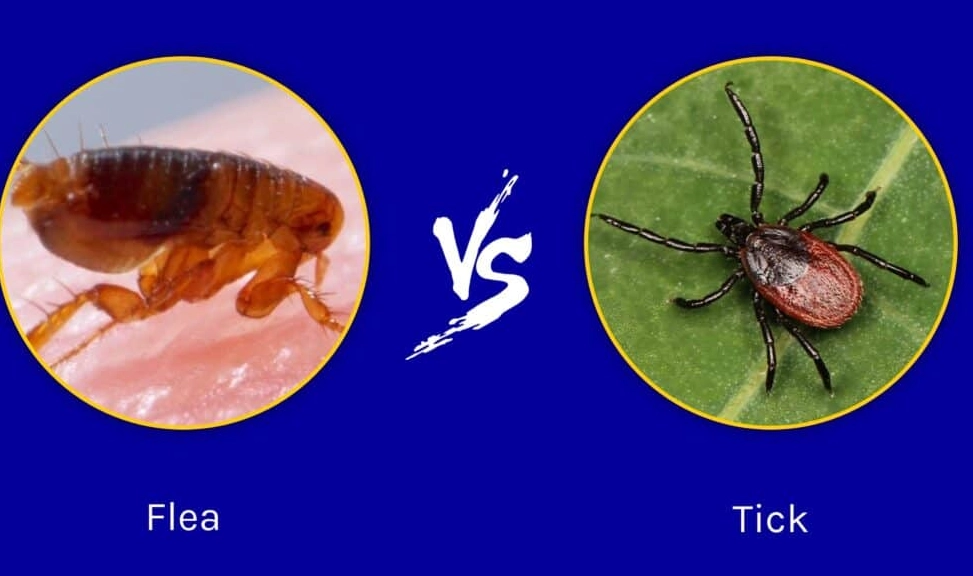
Your 4-Phase Action Plan: From Documentation to Lawsuit
Emotions run high when you're being eaten alive. This plan keeps you focused and effective.
Phase 1: Document Everything (The Evidence Phase)
Start a dedicated folder—digital is best. Take dated photos and videos of bites on your body, fleas on socks, pet distress. Keep receipts for all expenses: medical bills for infections, vet bills, replacement bedding or furniture you had to throw out, and costs of ineffective treatments. Write a daily log of the problem's impact on your life. This isn't drama; it's evidence of damages.
Phase 2: Formal, Written Notice to Landlord
Verbally telling the manager isn't enough. Send a dated, written letter via certified mail (return receipt requested) and email. Describe the problem factually: "A severe flea infestation has made Unit 4B uninhabitable." Mention the health impacts. Cite the relevant state law or local housing code (e.g., "This violates California Civil Code § 1941.1 regarding habitability"). Clearly state your request: "Please arrange for professional extermination of the entire unit within 14 days." Keep a copy.
Phase 3: Escalate if There's No Response
If the landlord ignores you or refuses, contact your city's Code Enforcement or Housing Authority. File a formal complaint. An inspector can come out, cite the landlord for violations, and order them to fix it. This official paper trail is gold. Simultaneously, research your state's specific rules for "repair and deduct." Get written quotes from 2-3 licensed exterminators.
Phase 4: Legal Action
If all else fails, it's time for small claims court or consulting a tenant attorney. Your documented evidence, the certified mail receipt, the housing violation notice, and your expense receipts form your case. You can sue for: the cost of professional extermination, reimbursement for your out-of-pocket expenses, medical costs, and even a portion of rent paid during the uninhabitable period ("rent abatement").
The Legal Grounds for Your Claims: Warranty of Habitability and Beyond
Understanding the "why" behind your rights strengthens your position. The Warranty of Habitability is your primary weapon. To prove a breach, you must show the infestation is serious and the landlord knew (or should have known) about it and failed to act in a reasonable time.
Secondary legal theories include:
- Negligence: The landlord failed in their duty of care to maintain safe premises, leading to your injuries (bites, infections) and property damage.
- Nuisance: The infestation interferes with your use and enjoyment of your rental home.
- Breach of Contract: The lease implicitly promises a livable space. The infestation breaks that promise.
In a case I'm familiar with, a tenant received a 50% rent abatement for three months plus full reimbursement for a $1,200 extermination bill because the landlord delayed treatment for 10 weeks, allowing a flea problem to become a full-blown infestation affecting multiple units. The judge focused on the landlord's unreasonable delay after formal notice.
Tough Questions from Tenants (Answered by Experience)
Dealing with a flea flea flea scenario is exhausting. It feels invasive and hopeless. But the law provides a clear path. Stop suffering in silence. Document, notify in writing, and escalate methodically. Your home should be your sanctuary, not a source of torment, and the legal system has tools to help you reclaim it.

Comments