You're outside, maybe washing the car or just enjoying the patio, when you spot it. A series of odd, mud-colored tubes clinging to the side of your house, under the eaves, or in the corner of the garage. They look like something out of a miniature pottery class. Congratulations, you've just met the dirt dobber, more formally known as the mud dauber wasp. These solitary insects are fascinating architects, but their handiwork on your property can be a real headache. Let's cut through the confusion and fear. This guide isn't just about what they are; it's about what you should actually do about them, based on years of dealing with them around my own workshop.
What You'll Find in This Guide
- What Exactly Is a Dirt Dobber (Mud Dauber)?
- How to Identify a Mud Dauber Wasp and Its Nest
- Mud Dauber Behavior and Life Cycle: Why They Build Where They Do
- Are Mud Daubers Dangerous? Separating Fact from Fear
- How to Safely Remove a Mud Dauber Nest (Step-by-Step)
- Proven Strategies to Prevent Mud Daubers from Returning
Your Mud Dauber Questions Answered
What Exactly Is a Dirt Dobber (Mud Dauber)?
First, let's clear up the name. "Dirt dobber" is a common regional name, especially in the Southern U.S., for what entomologists call mud dauber wasps. They belong to the families Sphecidae or Crabronidae. Unlike the social yellow jackets or paper wasps that form large, defensive colonies, mud daubers are solitary. Each female works alone. She doesn't have a hive to defend, which is the single most important fact that shapes their behavior—and your response to them.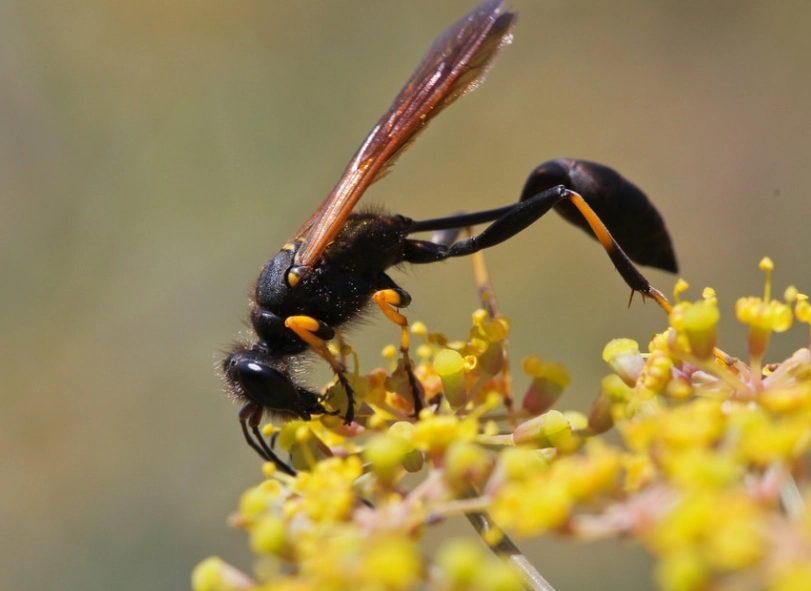
Her entire mission is to build a nursery for her young. She flies to a puddle, ditch, or any source of moist soil, collects a ball of mud in her jaws, and flies it back to her chosen construction site. She meticulously shapes it into those signature tubes. Inside each tube, she creates several individual cells. This is where it gets grimly efficient: she hunts spiders, paralyzes them with her sting, and stuffs them into each cell as a living food larder for her single egg. Then she seals the cell with more mud and moves on to the next.
How to Identify a Mud Dauber Wasp and Its Nest
Knowing what you're looking at is half the battle. Mistaking a mud dauber for a yellowjacket can lead to unnecessary panic and the wrong control strategy.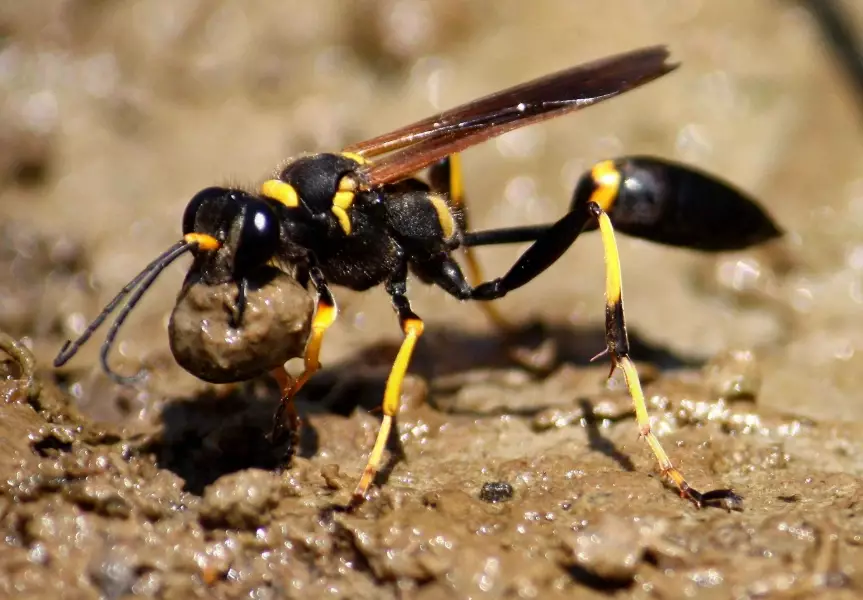
The Wasps Themselves
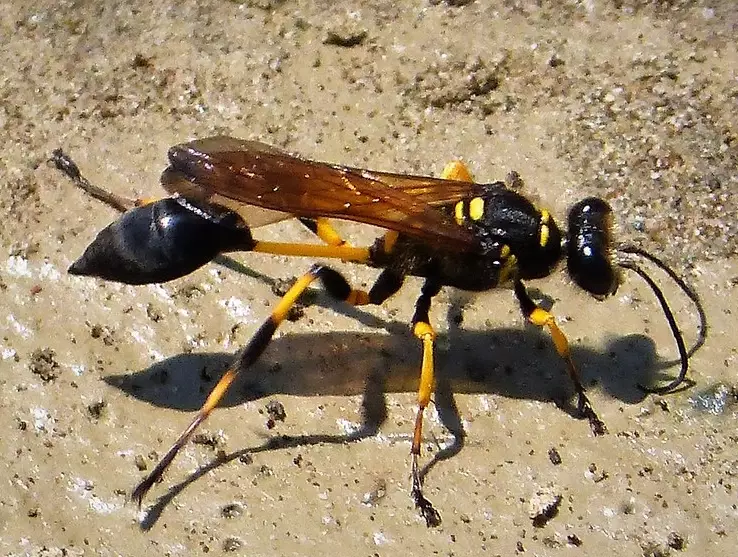
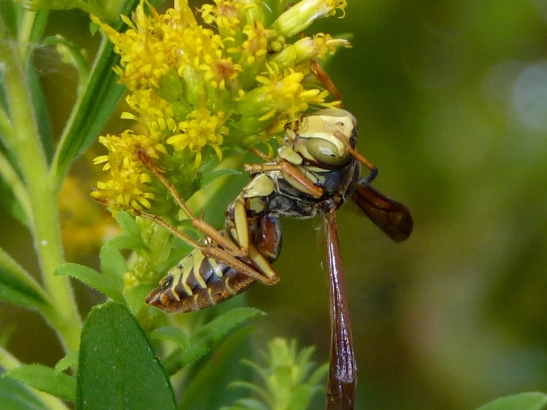
Mud daubers are typically slender with a very narrow, thread-like waist (a "petiole"). This gives them an almost ant-like appearance in flight. Colors vary by species:
- Black and Yellow Mud Dauber (Sceliphron caementarium): The most common. It's black with bright yellow markings and yellow legs. It builds the classic lumpy, irregular mud blob nest.
- Blue Mud Dauber (Chalybion californicum): Metallic blue or blackish-blue, often with shimmering wings. It's a bit of a cheat—it often takes over old nests of other mud daubers instead of building its own from scratch.
- Organpipe Mud Dauber (Trypoxylon politum): Black, with a slightly more cylindrical body. It builds the elegant, parallel tube nests that look like a set of organ pipes.
The Nests: Your Primary Clue
The nest is the dead giveaway. You won't find papery, gray, football-shaped hives. Look for these:
- Material: Pure, dried mud. It crumbles easily when dry.
- Shape: Clusters of tubes (organpipe), amorphous mud blobs (black and yellow), or refurbished versions of either (blue).
- Location: Protected, horizontal surfaces. Under eaves, inside garages or sheds, on porch ceilings, in attic vents, under decks, and even on outdoor furniture left in one place too long.
| Feature | Mud Dauber | Yellowjacket / Paper Wasp |
|---|---|---|
| Social Structure | Solitary (one female per nest) | Social (large colonies) |
| Nest Material | Mud | Paper (chewed wood fibers) |
| Nest Appearance | Tubes or amorphous mud blobs | Rounded paper envelope, often with visible combs |
| Aggression Level | Very low, rarely stings | Moderate to High, will defend nest |
| Primary Risk | Cosmetic damage, spider prey depletion | Painful stings, allergic reactions |
Mud Dauber Behavior and Life Cycle: Why They Build Where They Do
Understanding their calendar helps you time your prevention and removal. In most temperate climates, the cycle goes like this:
Spring: Overwintering adults become active. Mating occurs. Females start scouting for nest sites. They want a spot sheltered from rain where their mud won't wash away. Your dry, south-facing eaves are prime real estate.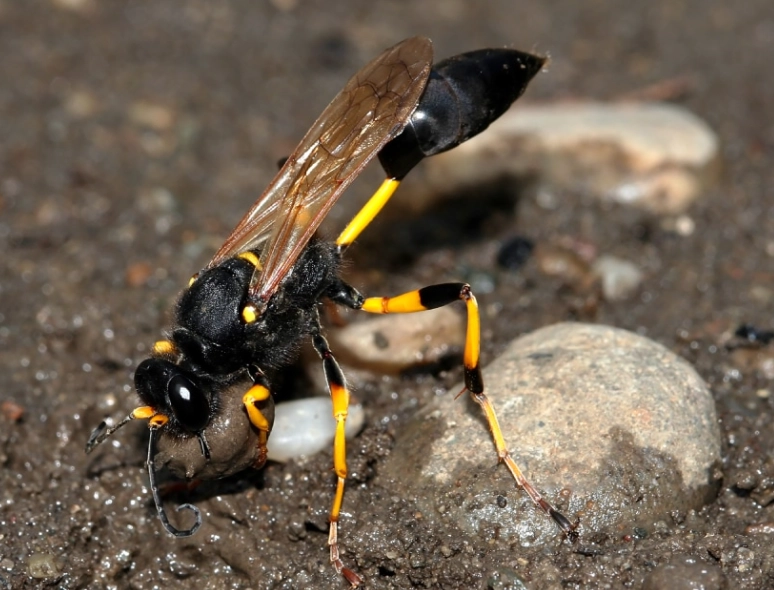
Summer: Peak construction and hunting time. A female might build several nests in a season. She's constantly on the move between mud source, nest, and hunting grounds. If you have a lot of spiders around, you're more attractive to her.
Late Summer/Fall: Larvae pupate and become adults inside the mud cells. These new adults often chew their way out. They may overwinter in the nest or find a crevice elsewhere.
Winter: Nests are usually empty, containing only the dried remains of spider prey and maybe dormant adults. This is the absolute safest time to remove nests, but honestly, most people don't notice them until summer.
Are Mud Daubers Dangerous? Separating Fact from Fear
Here's the nuanced truth most pest control sites gloss over. The direct danger from mud daubers is minimal. They possess a sting, but using it on a human is about the last thing on their mind. I've watched them build nests inches from my head while I worked in the garage; they're focused on their mud and spiders.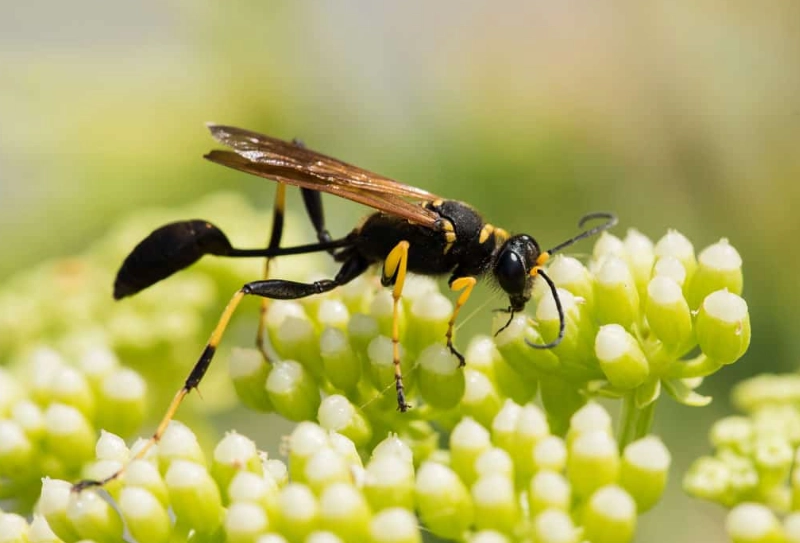
The real risks are indirect and longer-term:
- Cosmetic and Structural Nuisance: Their mud nests stain siding, wood, and stucco. When knocked off, they can leave stubborn dirt marks. In large numbers, the mud can even clog critical vents for your attic or dryer.
- Secondary Infestation Risk: This is the big one. An abandoned mud dauber nest is a perfect, ready-made home for other, more problematic insects. I've peeled open old tubes to find them repurposed by aggressive paper wasps or even filled with spider egg sacs. You're essentially providing free housing for the next pest.
- Allergy Potential (Rare): As with any stinging insect, a sting could cause an allergic reaction. But the chance of being stung is vastly lower than with social wasps.
How to Safely Remove a Mud Dauber Nest (Step-by-Step)
If the nest is active (you see a wasp frequently coming and going), wait until evening or early morning when the wasp is less active or inside. Honestly, if it's a single, small nest, I often just let her finish. She'll be gone in a few weeks. But for removal, here's the safe method:
1. Gear Up: Wear long sleeves, pants, and closed-toe shoes. Gloves and safety glasses are a good idea, not because of the dauber, but because of crumbling mud and dust.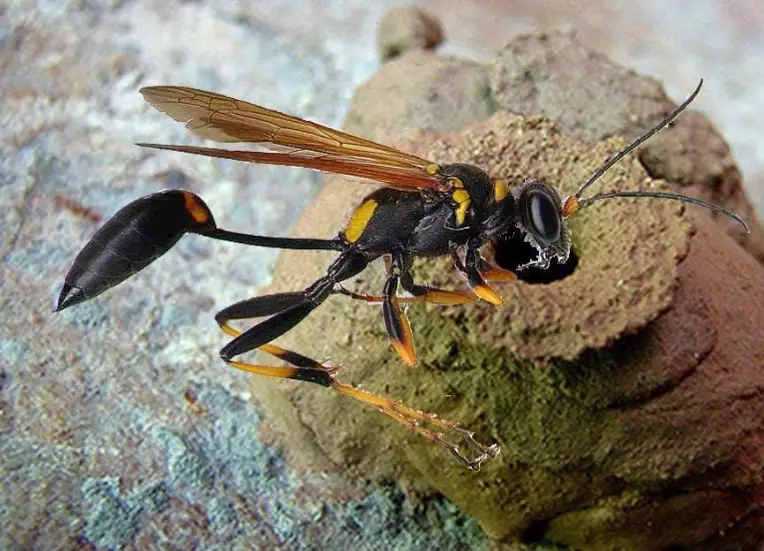
2. Test for Activity: Tap the nest gently with a long stick from a safe distance. If nothing emerges after a minute, it's likely inactive.
3. Removal: Use a putty knife, paint scraper, or stiff brush to knock the nest loose into a trash bag. Have the bag open and ready underneath to catch the debris. Don't just let it fall and scatter.
4. Clean Up: Scrape off all residual mud. A mix of water and dish soap can help soften and remove stains. For stubborn marks on sensitive surfaces, a pressure washer on a low setting can work, but be careful not to damage wood or siding.
5. Dispose: Seal the trash bag and put it in your outdoor bin.
Proven Strategies to Prevent Mud Daubers from Returning
Removal is a temporary fix. Prevention is about making your property less appealing. It's not about creating a sterile fortress, but about strategic discouragement.
Eliminate Mud Sources: This is the most overlooked tactic. Fix leaky outdoor faucets, grade soil to prevent puddles, and ensure downspouts drain away from your foundation. No mud, no construction material.
Deny Prime Building Sites: Install fine mesh screening (1/4 inch or smaller) over vents, gaps under eaves, and openings to sheds. This physically blocks access to their favorite sheltered spots.
Apply a Repellent Treatment: Spraying a residual insecticide labeled for wasps on potential nesting surfaces (eaves, door frames) can deter them. However, I prefer a more natural approach for areas I frequent: a mix of essential oils like peppermint and citrus in water, sprayed monthly. The efficacy is anecdotal, but it seems to help and smells better than chemicals.
Manage Spider Populations: Since spiders are their food, reducing spider webs around your home's exterior removes the grocery store. Regularly sweep down webs in corners, under furniture, and around lights.
Use Decoy Nests: Commercial "fake wasp nests" are marketed to deter all wasps. The theory is that wasps are territorial and won't build near another colony. The science is shaky, but some homeowners swear by them. They're cheap and harmless, so it might be worth a try in problem areas.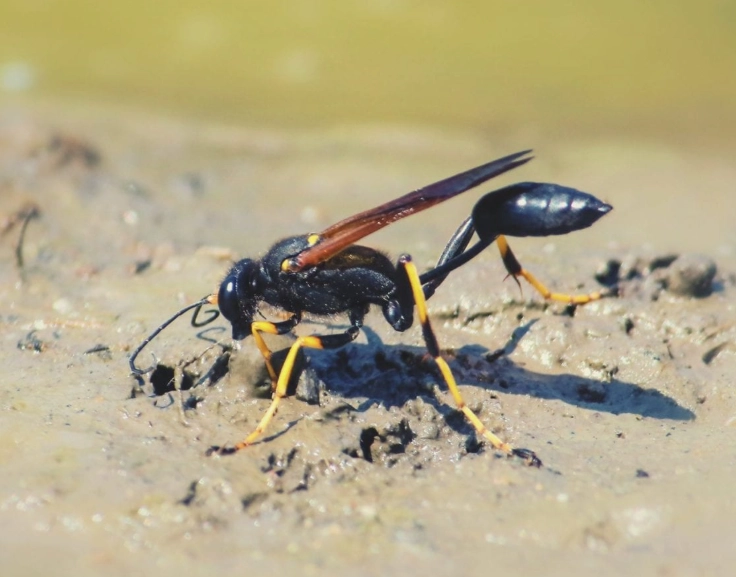
Your Mud Dauber Questions Answered
This is classic behavior for the Blue Mud Dauber or other cavity-nesting species. They don't always build their own tubes; they're opportunists. They'll find an existing hole—a weep hole in brick, a crack in mortar, an abandoned beetle bore—and use that as a ready-made nest chamber. They'll still bring in mud to partition the space and paralyzed spiders for their young. The risk here is that moisture can get trapped behind the mud, potentially causing damage over time. Carefully clear out the hole with a thin wire once activity stops, and consider sealing it with appropriate mortar or caulk after ensuring it's not a necessary weep hole.
Their stingers are designed for paralyzing spiders, not penetrating denim or thick work shirts. A sting through thin fabric like a t-shirt is possible but highly unlikely unless you press the wasp directly against your skin. If you are stung, wash the area with soap and water. Apply a cold pack to reduce swelling. Mud dauber venom is mild for most people, resulting in temporary pain, redness, and itching similar to a mosquito bite. Over-the-counter antihistamines or hydrocortisone cream can help. Seek medical attention only if you show signs of a severe allergic reaction (difficulty breathing, swelling of the face/throat).
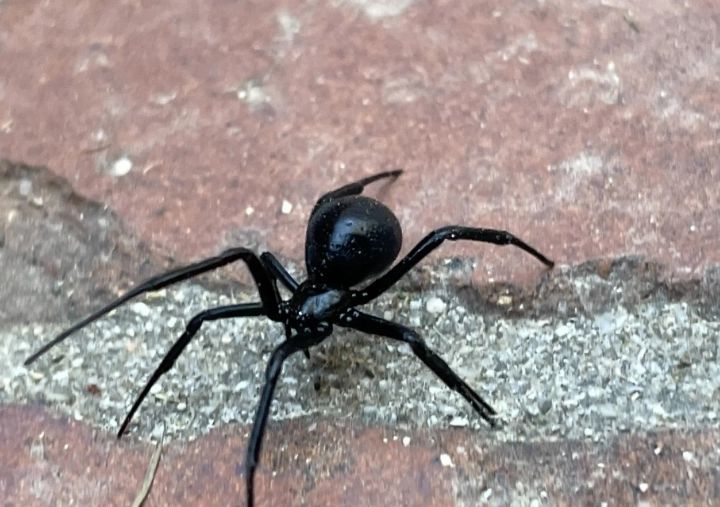
Absolutely. This is where a blanket "kill all wasps" policy fails. Mud daubers are prolific predators of spiders, including black widows and brown recluses. A single nest can contain dozens of paralyzed spiders. In a garden or around a woodpile, they provide free pest control. My personal rule: if the nest is in an out-of-the-way location where the mud won't cause damage or attract other pests (like the back corner of a tool shed), I leave it. I'm trading a bit of mud for a squadron of spider hunters. It's only when they build on my house's siding, near doorways, or in my garage that I intervene.
Those are mud dauber larvae. Each white, grub-like larva lives in its own cell, feeding on the cache of paralyzed spiders. If you find these, the nest was still active and developing. Dispose of the material in a sealed bag. Don't worry about them surviving; they need the protected environment and their food source to mature. This discovery is a good reminder to time your nest removals for late fall or winter when they're guaranteed to be empty.
Comments