That heart-sinking moment. You flip on the kitchen light and see a large, dark, almost mahogany-colored insect dart under the fridge. You’ve just met the black roach, which is almost certainly the American cockroach (Periplaneta americana). Despite the name, it’s not native to the Americas but is a common global pest. This isn’t just a nuisance; it’s a sign. A sign of potential moisture issues, entry points you’ve missed, and a need for a strategic response, not just a panicked stomp. Most guides tell you to spray and bait. I’ve been dealing with these for years, and I’ll tell you the mistake everyone makes: they treat the roach they see, not the conditions that invited it. Let’s fix that.
What's Inside This Guide
Spotting the Difference: Is It Really a Black Roach?
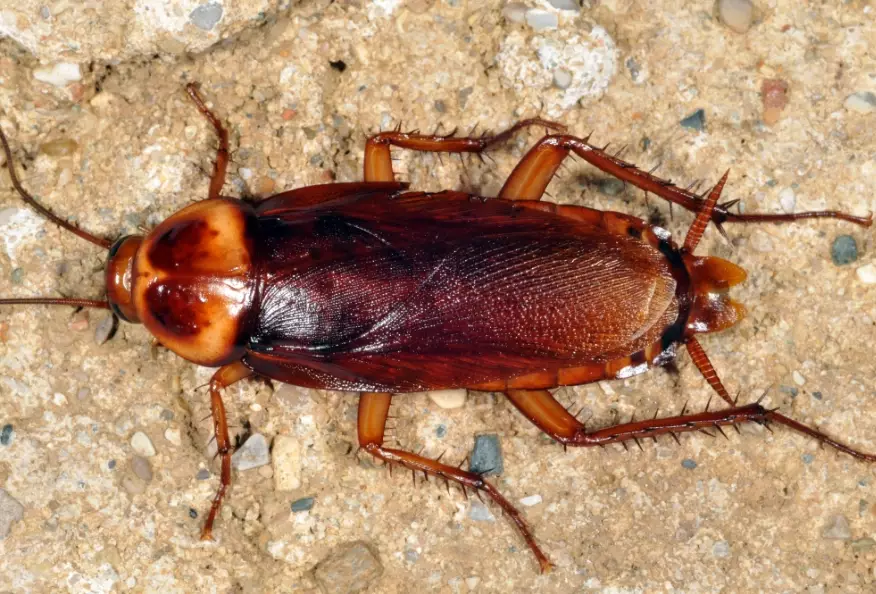
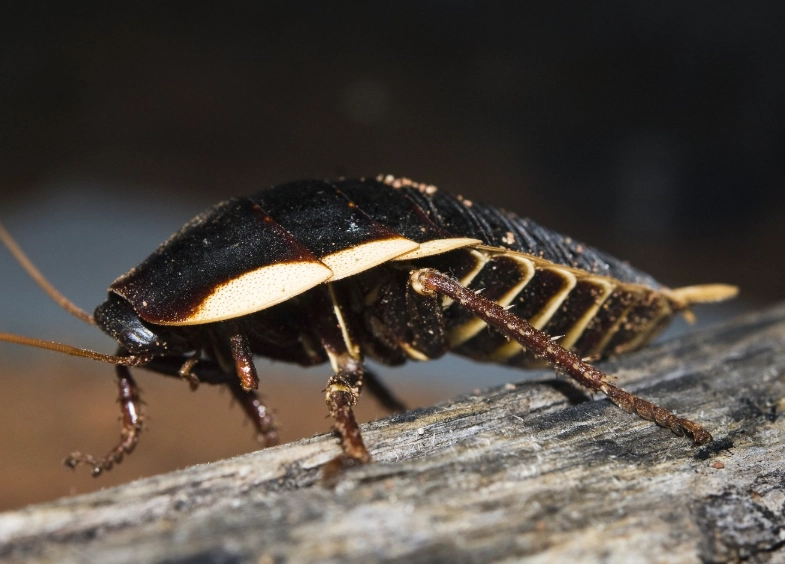
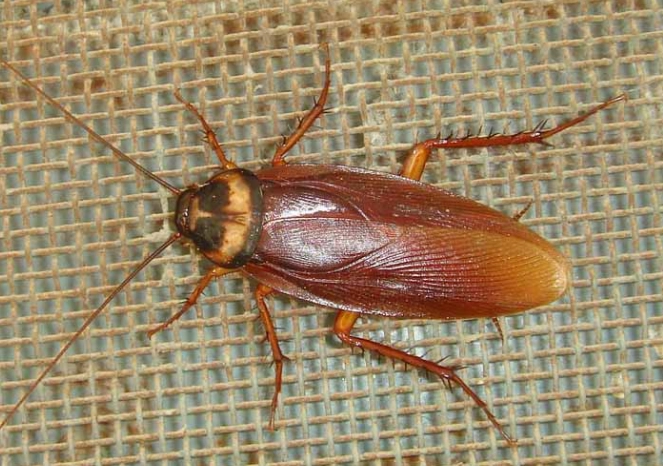
Calling every dark cockroach a "black roach" is like calling every sedan a "car." Accurate identification is step zero. It dictates your entire plan. The American cockroach is often called a black roach, water bug, or palmetto bug. Adults are about 1.5 to 2 inches long, with a reddish-brown to mahogany color. The giveaway is the distinctive, lighter yellow figure-eight pattern on the back of their head (the pronotum).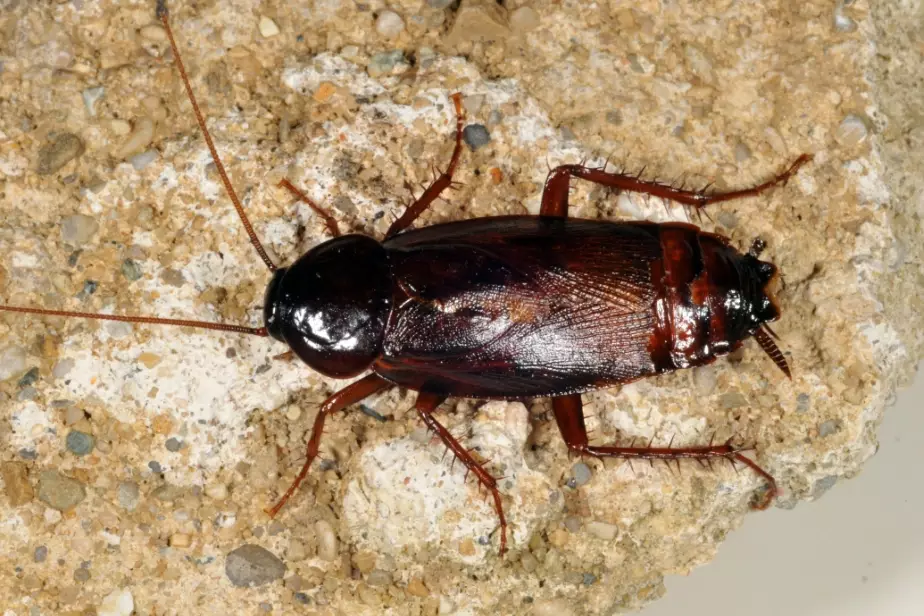
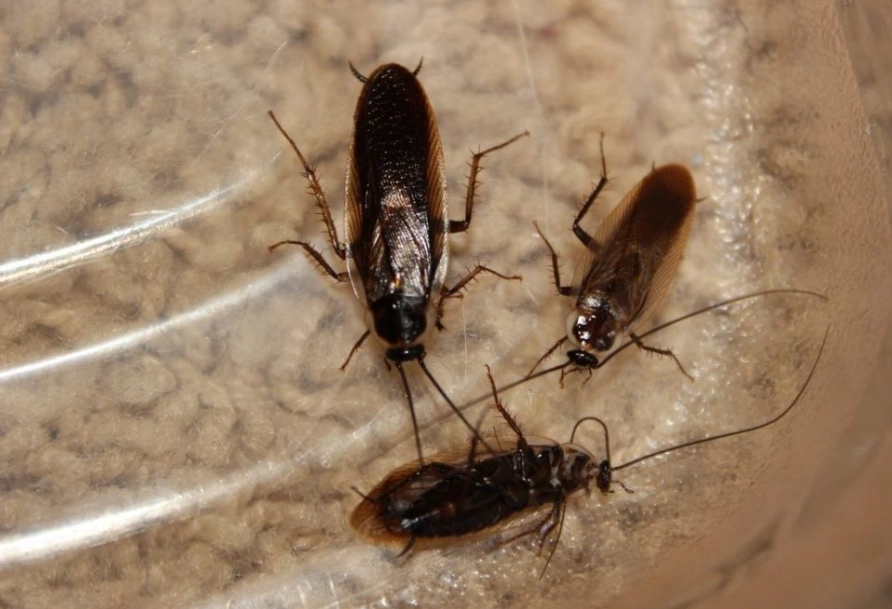
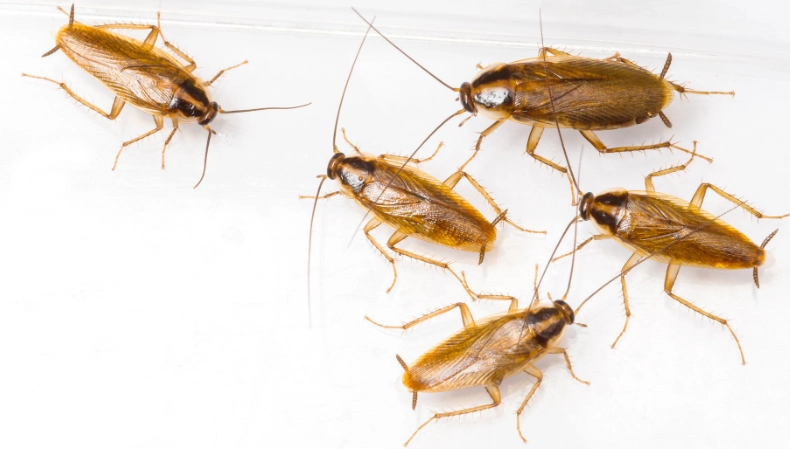
Here’s the thing most people miss: juveniles (nymphs) are a different story. They’re smaller, wingless, and a uniform grayish-brown, lacking that telltale pattern. If you’re only seeing small, dark roaches, you might have a growing infestation right under your nose.
| Feature | American Cockroach ("Black Roach") | Oriental Cockroach | Smokybrown Cockroach |
|---|---|---|---|
| Color | Reddish-brown to mahogany | Glossy black or dark brown | Uniform dark mahogany brown |
| Size | 1.5 - 2 inches | About 1 inch | 1.5 inches |
| Key Marking | Yellow figure-8 on head shield | None; uniform color | Wings longer than body (in adults) |
| Preferred Habitat | Warm, humid areas (sewers, basements, commercial kitchens) | Cool, damp areas (drains, basements, mulch) | Attics, tree holes, mulch; strongly attracted to light |
Why does this matter? If you misidentify, your bait and spray placements will be off. American roaches often travel from sewer lines or large communal areas in apartment buildings. Treating your baseboards might do nothing if they’re coming up through the toilet seal or a pipe penetration in the basement.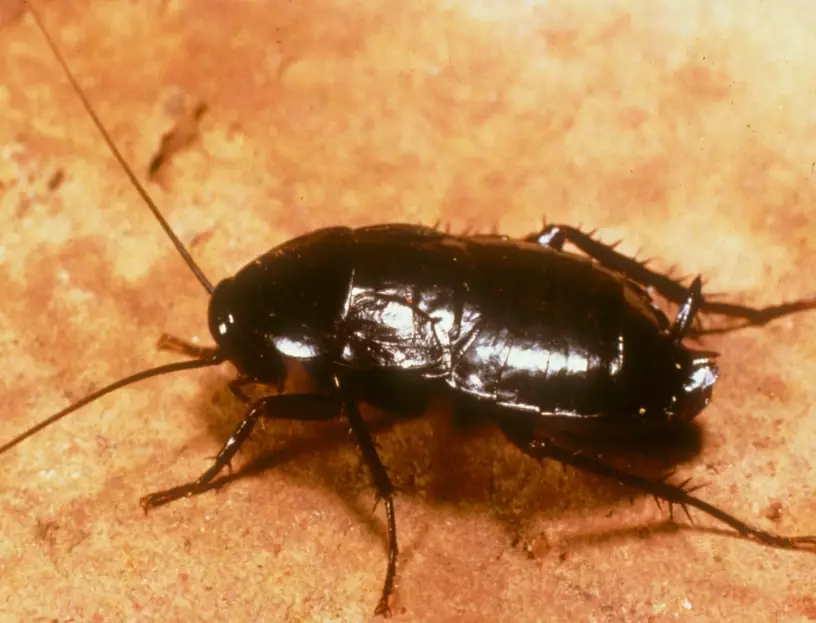
Your Prevention Blueprint: Stop Them Before They Start
Prevention isn’t about one magic trick. It’s a system. The National Pest Management Association (NPMA) consistently cites sanitation and exclusion as the pillars of prevention. I break it down into three zones: Deny Entry, Remove Incentives, and Monitor.
1. Deny Entry: Seal the Fort
These roaches are athletic. They can flatten their bodies and crawl through cracks as thin as a dime. Your mission is to find and seal.
- Utility Penetrations: Check where pipes, wires, and cables enter your home, especially in the basement, garage, or under sinks. Use expanding foam or copper mesh (which they can’t chew through) to seal gaps.
- Doors and Windows: Install or repair door sweeps. Ensure window screens are tight. Pay special attention to the door from your garage to your house—it’s a major highway.
- Foundation and Siding: Inspect the exterior for cracks. Use a quality silicone or acrylic latex caulk.
- Drain and Sewer Access: Floor drains in basements or utility rooms should have a protective cover. Ensure toilet seals are intact.
2. Remove Incentives: Take Away the Buffet
American cockroaches need water even more than food. A leaky pipe is a five-star resort.
- Fix Moisture: Repair leaky faucets, sweating pipes, and any condensation issues. Use a dehumidifier in damp basements or crawl spaces. This is non-negotiable.
- Sanitation: Don’t leave pet food and water out overnight. Wipe down counters. Store food in airtight containers. Take out the trash regularly. But remember, a perfectly clean home can still get roaches if there’s a moisture problem next door or in the building’s infrastructure.
- Outdoor Management: Keep mulch, leaf litter, and firewood away from the foundation. Trim vegetation back from the house. Ensure gutters are clean and direct water away from the foundation.
The Elimination Strategy: Getting Rid of an Infestation
Okay, you’ve got them. Now what? The amateur move is to grab a can of spray and chase the one you see. That does almost nothing. You need a multi-pronged attack focused on the colony.
The core of modern cockroach control is using baits and Insect Growth Regulators (IGRs). Sprays have their place, but often as a barrier, not the main weapon.
- Inspection: Grab a flashlight. Look for signs: fecal matter (looks like coarse black pepper or coffee grounds), shed skins, egg cases (oothecae), and of course, live or dead roaches. Prime spots are under appliances, in cabinets (especially near plumbing), around water heaters, and in cardboard boxes stored in damp areas.
- Baiting: This is your primary killer. Roaches eat the bait, return to the harborage, and die. Others then eat the carcass or feces, poisoning themselves—a domino effect. Use multiple small dabs (pea-sized) rather than one large glob. Place them in corners, along edges, behind appliances, and near moisture sources. Don’t spray near baits! The repellent chemicals will make the bait useless.
- IGRs (Insect Growth Regulators): Products like Gentrol or Tekko Pro. These don’t kill adults but break the reproductive cycle, causing nymphs to never mature. They’re a fantastic, long-term supplement to bait. Often used as a spray or point-source diffuser.
- Residual Sprays/Dusts: For creating protective barriers in voids—wall voids, behind kickplates, in attic eaves. Products with ingredients like deltamethrin or silica gel dust (like CimeXa) work well here. They provide long-lasting protection against newcomers.
What Nobody Tells You: Safety and Common Mistakes
I’ve seen people go overboard and create more risk than the roaches posed. The Centers for Disease Control and Prevention (CDC) notes that improper pesticide use is a real health hazard.
- Over-spraying: Dousing your kitchen in aerosol spray doesn’t help. It contaminates surfaces, creates unhealthy air, and often just repels roaches deeper into walls.
- Mixing Products: Never do this. You can create toxic vapors or neutralize the active ingredients.
- Ignoring Labels: The label is the law. It tells you where and how much to use. Using outdoor products indoors is dangerous.
- Pets and Children: Store all products securely. Apply baits in hidden areas pets can’t access. Most modern baits have a bittering agent to deter pets, but caution is key.
When to call a pro? If you’ve done two thorough rounds of baiting/IGR application over 6-8 weeks and still see consistent activity, especially adults. It means the source is likely beyond your unit’s boundaries or deep within the structure. A professional has tools and insecticides (like some non-repellent sprays) not available to consumers and can perform a detailed inspection.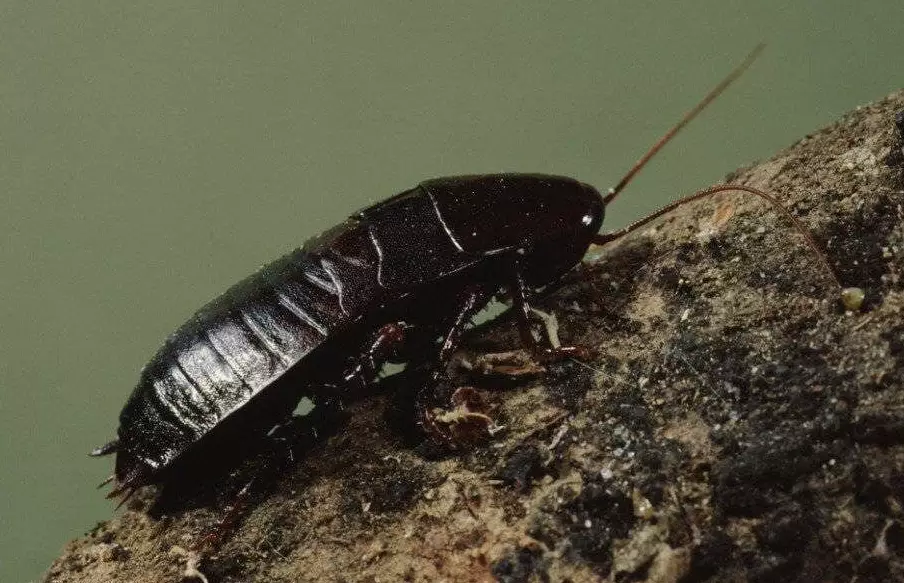


Comments