You wake up with a line of itchy, red welts on your arm. Your mind races. Mosquito? Allergic reaction? Then a darker thought creeps in: bed bugs. That sinking feeling is all too real for millions. The bites are just the symptom; the real problem is hiding in the seams of your mattress, your baseboards, your furniture. This isn't just about itch relief—it's a tactical guide to identifying the enemy, treating the wounds, and launching a successful campaign to eliminate them for good.
What’s Inside: Your Action Plan
What Do Bed Bug Bites Look and Feel Like?
Let's cut through the confusion. Bed bug bites have a signature, but it's not foolproof because everyone's skin reacts differently.
Picture this: you slept with your arm above the covers. In the morning, you see three bites in a neat little row or a loose cluster. That's the classic "breakfast, lunch, and dinner" pattern from a single bug feeding as it's disturbed. The bites themselves are often:
- Red, raised welts similar to mosquito bites.
- Intensely itchy, sometimes with a burning sensation.
- Centered with a darker red spot (the actual puncture site).
- Located on areas exposed during sleep: face, neck, arms, hands, shoulders, legs.
Here's the kicker that most generic articles miss: the reaction can be delayed. You might not see or feel anything for several days after being bitten. This delay makes pinpointing the source—like that hotel stay from last weekend—incredibly difficult.
So how do you tell them apart from other pests? This table breaks it down:
| Pest | Bite Pattern & Location | Key Differentiator |
|---|---|---|
| Bed Bugs | Lines or clusters on exposed skin (neck, arms, legs). | Pattern (line/zigzag), delayed reaction, found on skin under loose pajamas. |
| Mosquitoes | Single, random bites on any exposed skin. | Instant itch, buzzing sound, bites appear quickly. |
| Fleas | Clusters around ankles and lower legs. | Often have pets with itching, bites are lower on body. |
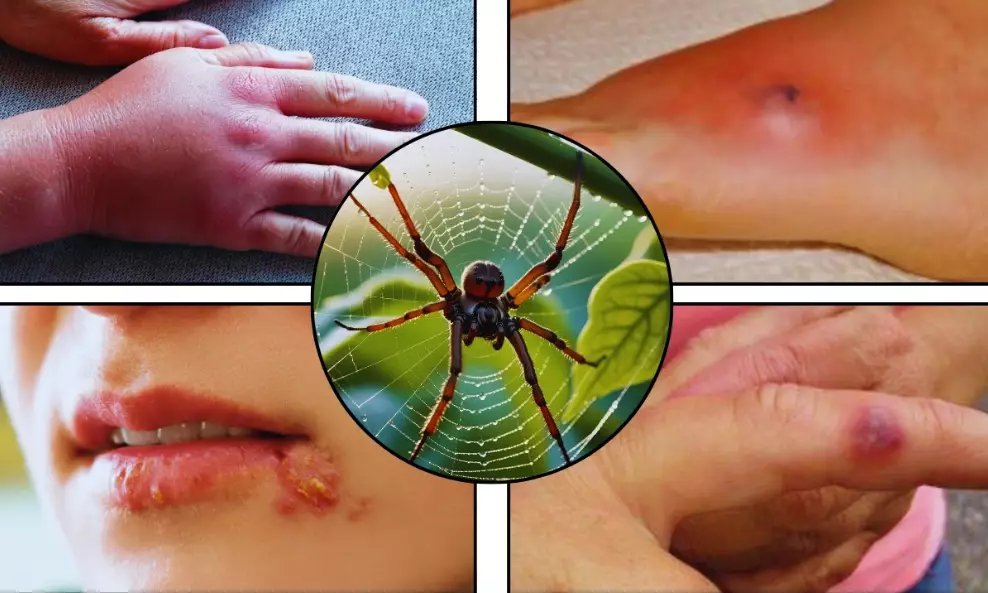
| Spider | Single or double puncture marks, can be painful. | Often painful, not just itchy; solitary bite. |
If the bite pattern fits, it's time to move from identification to action—both on your skin and in your home.
How to Treat Bed Bug Bites at Home
The itch can be maddening. The goal here is to reduce inflammation, prevent infection, and get relief without making things worse.
Step 1: Don't Scratch (Easier Said Than Done)
Scratching breaks the skin. Broken skin plus bacteria under your fingernails equals a potential secondary infection (like impetigo or cellulitis). If you wake up scratching in your sleep, consider keeping your nails trimmed short or wearing light cotton gloves to bed.
Step 2: Initial Soothing Remedies
Wash the area with mild soap and cool water. This cleans the site and can provide temporary relief. Then, apply one of the following:
- Over-the-counter hydrocortisone cream (1%): This is your first line of defense. It directly reduces inflammation and itch. Apply a thin layer.
- Calamine lotion: The old-school pink stuff. It's great for drying out the weepy bites and cooling the skin.
- Oral antihistamines: Medications like cetirizine (Zyrtec) or loratadine (Claritin) can help control the body's allergic response from the inside, especially if you have many bites.
Step 3: When to See a Doctor
Home care is usually enough. But call a doctor if:
- The bites show signs of infection: increasing redness, warmth, swelling, pus, or red streaks spreading from the site.
- The itching is so severe it disrupts your sleep or daily life.
- You experience signs of a severe allergic reaction (rare): difficulty breathing, widespread hives, dizziness, or swelling of the lips/tongue. This is a medical emergency.
Remember, treating the bites is just managing a symptom. It's like taking cough syrup for pneumonia—it helps you feel better but doesn't cure the disease. The disease is the infestation in your home.
How to Find Bed Bugs and Stop the Infestation
This is the hard part. Bed bugs are champions of hide-and-seek. You need the mindset of a detective, not someone just spraying a can of insecticide around the bed.
Conducting a Thorough Inspection
Grab a flashlight and a credit card (for scraping seams). Start with the bed, as it's ground zero.
- Strip the bed. Check every seam, fold, and piping of the mattress and box spring. Pay special attention to the corners and the label area.
- Look for signs, not just bugs. Adult bugs are apple-seed sized, brown, and oval. But you're more likely to find:
- Tiny black or rust-colored spots: This is bed bug excrement (digested blood). It looks like a dot from a fine-tip marker and may smear.
- Minute, pale yellow shells: These are shed nymph skins.
- Tiny, pearl-white eggs: About the size of a pinhead, often stuck in crevices.
- Move outward. Check the bed frame, headboard, nightstands, and drawers. Look behind pictures, under loose wallpaper, and along baseboards. They rarely travel more than 10-20 feet from where people sleep if a food source is present.
The Two-Pronged Elimination Strategy
If you find evidence, panic is not a strategy. Methodical action is.
1. Contain and Prepare:
- Encase your mattress and box spring in certified bed bug-proof encasements. This traps any bugs inside to die and prevents new ones from getting in.
- Reduce clutter. This eliminates hiding spots.
- Launder all bedding, curtains, and clothing in the hottest water possible and dry on the highest heat for at least 30 minutes. Heat kills all life stages. For non-washables, use a high-heat dryer cycle or a commercial steamer.
2. Choose Your Treatment Method:
This is where most DIY efforts fail. Store-bought foggers or "bug bombs" are worse than useless—they scatter bugs deeper into walls, making the problem harder to treat.
- Professional Extermination: This is the most reliable path. Reputable pros (look for companies affiliated with the National Pest Management Association) use a combination of methods: targeted insecticide applications, whole-room heat treatments (raising the room to 120°F+), and possibly steam. The U.S. Environmental Protection Agency (EPA) has a wealth of guidance on this. Expect multiple visits over several weeks to kill newly hatched eggs.
- DIY with Extreme Caution: If you go this route, you must be meticulous. Use EPA-registered pesticides labeled for bed bugs (like certain desiccants or insect growth regulators). Apply them only to cracks and crevices, not broadly. A high-quality steamer (over 200°F) can be effective on surfaces. Never combine chemical products.
I once helped a friend who tried to save money with a cheap spray. He just pushed the bugs from his bedroom into his living room couch. The eventual professional bill was triple what it would have been initially.
Winning the war against bed bugs is a process. It starts with correctly identifying those mysterious bites. It continues with smart, soothing treatment for your skin. But it only ends when you shift your focus from the bites on your body to the evidence in your bedroom and commit to a thorough, often professional, elimination plan. It's stressful, it's frustrating, but with the right knowledge and action, it is beatable.


Comments