You see a dark, slow-moving insect scuttle across the basement floor. It's not a beetle—it's too flat, too roach-like. That's your first introduction to the oriental cockroach (Blatta orientalis). Often called "water bugs" or "black beetles," these pests are a distinct problem from their more famous German or American cousins. They don't infest your kitchen cabinets with the same frenzy, but their preference for damp, decaying environments makes them a stubborn and unpleasant issue, often signaling underlying moisture problems in your home.
I've dealt with these in old apartment buildings and damp cottages. The mistake most people make is treating them like any other roach. That's a recipe for wasted money and ongoing frustration.
What's Inside This Guide?
- Getting the ID Right: Is It Really an Oriental Cockroach?
- More Than a Nuisance: Why Oriental Roaches Are a Problem
- How Are They Getting Inside? Common Entry Points
- Stopping Them at the Door: A Proactive Prevention Strategy
- Taking Back Your Home: Effective Elimination Methods
- Your Questions, Answered
Getting the ID Right: Is It Really an Oriental Cockroach?
Misidentification is the root of failed control. You can't fight what you don't know. Let's break down their profile.
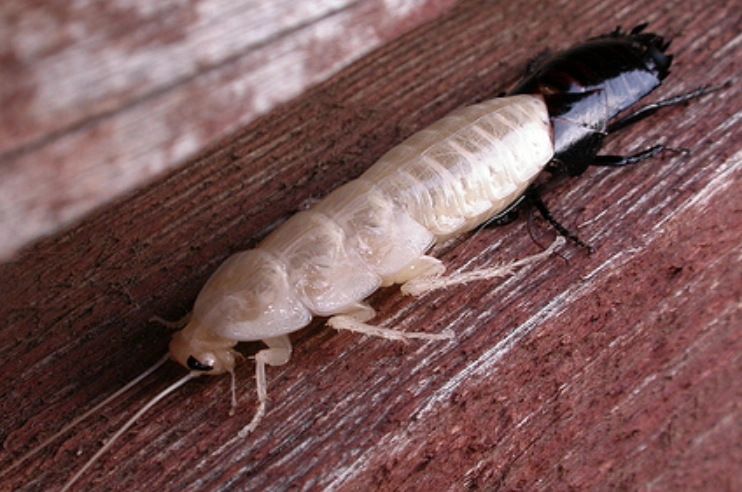
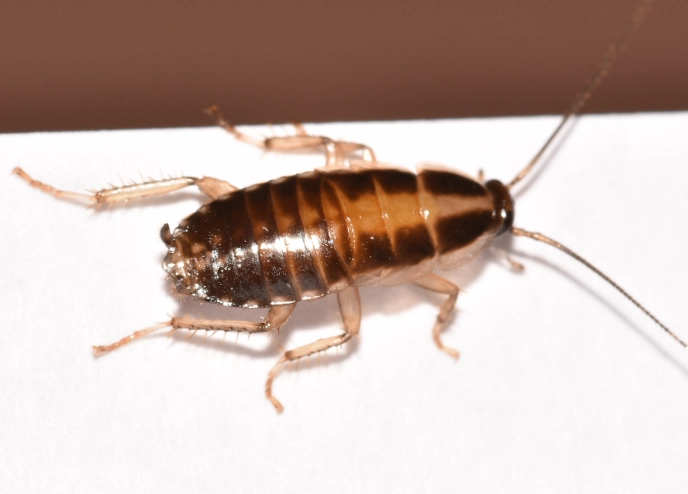
Appearance: Adults are about 1 inch long. Males are a dark brown, but females are a distinctive, uniform glossy black—that's a key identifier. They look polished. Their bodies are broad and flattened. Here's a subtle point everyone misses: the wings. Males have short wings covering about 3/4 of their abdomen. Females have only tiny, vestigial wing pads. Neither can fly. You'll never see one take off.
Behavior & Habitat: This is where they really differ. They are thigmotactic (love tight contact) and scotophilic (love darkness). But their standout trait is a need for moisture. They have the lowest water retention ability of common roaches. You'll find them in the coolest, dampest parts of a structure:
- Basements and cellars (the number one spot)
- Crawl spaces (especially with dirt floors)
- Around floor drains, sump pumps, and leaky pipes
- Under mulch, leaf litter, and stones outdoors
- In sewer systems and accessing homes via drains
They move slower than other roaches. You can often catch them. They are more likely to be seen during the day if the population is high or they've been disturbed.
| Feature | Oriental Cockroach | German Cockroach | American Cockroach |
|---|---|---|---|
| Color | Glossy black (female), dark brown (male) | Light tan with two dark stripes | Reddish-brown with yellow figure-8 pattern |
| Size | ~1 inch | ~1/2 to 5/8 inch | ~1.5 inches |
| Wings | Short (male) or vestigial (female), cannot fly | Fully developed, rarely fly | Fully developed, strong fliers |
| Preferred Habitat | Cool, damp, dark areas (basements, drains) | Warm, humid areas near food/water (kitchens, bathrooms) | Warm, moist areas (sewers, basements, steam tunnels) |
| Speed | Relatively slow | Very fast | Fast |
More Than a Nuisance: Why Oriental Roaches Are a Problem
It's not just about the creepy factor. Their lifestyle makes them a hygiene issue. They regularly travel through gross environments—sewers, drain sludge, decaying matter, pet feces—and then walk around your home. Studies, like those referenced by the National Pest Management Association (NPMA), have shown they can mechanically transmit bacteria like E. coli and Salmonella.
Their shed skins and droppings (which look like coarse black pepper or coffee grounds) are potent allergens. For people with asthma, especially children, an infestation can trigger or worsen symptoms. I've seen cases where a child's chronic cough cleared up only after a hidden oriental roach problem in a basement playroom was resolved.
Finally, their presence is a red flag for your home's health. It points to excess moisture, which can lead to mold, wood rot, and attract other pests.
How Are They Getting Inside? Common Entry Points
They don't typically hitchhike in boxes like Germans. They march in from the outside, seeking moisture and shelter.
- Gaps under doors: Especially basement exterior doors or doors leading to garages/crawl spaces.
- Cracks in the foundation: Even hairline cracks near ground level are superhighways.
- Utility penetrations: Where pipes, cables, or wires enter the house. The sealant often decays.
- Floor drains and sewer lines: A direct portal from municipal sewers or septic systems. Missing or broken drain traps are a major culprit.
- Vents: Crawl space vents without proper screening.
- From landscaping: Thick mulch, woodpiles, or debris piled against the house foundation creates a perfect bridgehead.
Stopping Them at the Door: A Proactive Prevention Strategy
Prevention is about making your home dry and sealed. It's more work upfront but saves endless hassle later.
1. Environmental Modification (The Moisture Fight)
This is 70% of the battle. Fix the water.
Use a dehumidifier in your basement to keep relative humidity below 50%. It's non-negotiable. Repair leaky pipes, faucets, and water heaters immediately. Ensure your downspouts direct water at least 3 feet away from the foundation. Grade soil so it slopes away from the house. Improve ventilation in crawl spaces—consider encapsulating them if dampness persists.
2. Physical Exclusion (The Seal-Up)
Deny them walkways.
Install door sweeps on all exterior doors, including the one to the garage. Seal cracks in the foundation with a quality silicone or polyurethane caulk. Use steel wool or copper mesh in larger gaps before sealing—they can't chew through it. Install fine mesh screens over crawl space vents, floor drains, and overflow drains. Inspect and repair the seals around utility lines.
3. Sanitation & Landscaping
Remove the welcome mat.
Store firewood, lumber, and debris away from the house perimeter. Keep mulch layers thin and pull them back 6 inches from the foundation. Regularly clean floor drains with an enzyme cleaner to remove organic sludge. Reduce clutter in basements and garages to eliminate hiding spots.
Taking Back Your Home: Effective Elimination Methods
If they're already inside, you need a targeted plan. A haphazard spray won't cut it.
Chemical Control: Baits and Insecticides
Baits: This is where many DIYers fail. Standard gel baits for German roaches often disappoint with orientals. You need baits formulated for them. Look for granular or paste baits containing hydramethylnon, fipronil, or indoxacarb. Place them in damp, hidden areas—not out in the open. Think under the bottom step of the basement stairs, behind the washer, inside valve boxes for sprinklers.
Residual Insecticides: Apply a residual spray (like those with lambda-cyhalothrin or bifenthrin) as a barrier. Focus on baseboards, corners, and potential entry points in the infested area (basement, crawl space). Pay special attention to the perimeter—spray along the interior foundation wall and the sill plate. Always follow the label exactly.
Physical and Mechanical Control
Glue Traps (Monitoring Stations): Invaluable. Place them flush against walls in corners of the basement, near drains, under sinks. They won't eliminate a population but will show you where activity is highest, proving your control efforts are working (or not).
Drain Treatment: If you suspect sewer line entry, use foaming enzyme drain cleaners or insect growth regulators (IGRs) labeled for drain use. IGRs like hydroprene prevent nymphs from maturing, breaking the breeding cycle.
When to Call a Professional
If the infestation is severe, widespread, or persists after your diligent efforts, call a pro. They have access to stronger, more specialized products and application equipment. They can also perform a thorough inspection to find hidden harborages and moisture sources you might have missed. Look for a licensed pest control company with experience in perimeter and occasional invader control.
The goal is an integrated approach: Remove moisture + Seal entries + Apply targeted controls = Long-term solution.
Your Questions, Answered
What's the main visual difference between oriental and german cockroaches?
Are oriental cockroaches dangerous to my health?
Why do I keep finding oriental cockroaches in my basement but not my kitchen?
I placed gel baits, but they don't seem to work on my oriental roach problem. What am I doing wrong?
Comments