You're moving a damp flowerpot in the garden or clearing out the basement, and there it is—a spider that looks like it walked out of a miniature monster movie. Bright orange-brown body, cream-colored abdomen, and jaws that seem way too big for its size. Your first thought might be panic. Is it dangerous? Should I call someone? Take a breath. You've probably just met a woodlouse spider (Dysdera crocata), and despite its alarming appearance, it's one of the most misunderstood housemates you could have. This guide will walk you through exactly what it is, what it wants, and how to deal with it calmly and effectively.
In This Article: Your Quick Guide
Woodlouse Spider Identification: What Do They Look Like?
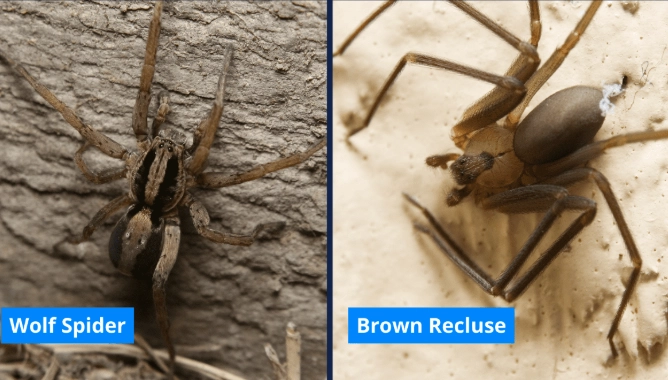
Let's get the picture clear. Misidentification causes most of the unnecessary fear. I've had people send me blurry photos convinced they have a brown recluse, when it's just a harmless, specialized woodlouse hunter.
The woodlouse spider has a very distinct look:
- Color: The cephalothorax (front section with legs and head) is a deep, shiny orange-brown or reddish-brown. It looks almost like a polished chestnut.
- Abdomen: This is usually a dull cream, beige, or gray color. It can sometimes appear slightly translucent.
- The Famous Fangs: This is their signature feature. Their chelicerae (jaws) are massive, pronounced, and project forward like two tiny daggers. They're designed for one job—piercing the tough, calcium-rich shells of their favorite prey.
- Size & Legs: Females are larger, with a body up to 15mm long (about the size of a large baked bean). Males are smaller. They have six eyes clustered close together and long legs that are also orange-brown, making them quite fast.
Here’s a quick comparison to separate them from other common spiders you might confuse them with:
| Spider | Key Identifying Features | Web? | Typical Habitat |
|---|---|---|---|
| Woodlouse Spider | Orange-brown front, cream abdomen, huge forward-facing fangs. | No. Makes a silken retreat. | Under debris, damp basements. |
| Common House Spider (Parasteatoda tepidariorum) | Varied browns with chevron patterns. Small, rounded abdomen. | Yes. Messy, tangled cobwebs. | Corners of rooms, ceilings, windows. |
| Garden Spider (Orb-weaver) | Often brightly colored (yellow/black). Large, circular abdomen. | Yes. Beautiful, concentric orb webs. | Gardens, between plants, outdoor structures. |
| Brown Recluse (in areas where present) | Uniform sandy to dark brown color. Distinctive dark violin shape on head. | Yes. Loose, irregular web. | Undisturbed storage areas, rarely in living spaces. |
Are Woodlouse Spiders Dangerous to Humans?
This is the million-dollar question. The short, honest answer is no, not really. But let's unpack that, because a flat "no" doesn't address the anxiety of seeing those fangs.
Woodlouse spiders possess venom. All spiders do (except the Uloboridae family). It's how they subdue their food. However, their venom is specifically evolved to work on woodlice (pill bugs, sow bugs). It's not designed for mammals like us.
The Reality of a Woodlouse Spider Bite
First, getting bitten is a rare event. These spiders are reclusive and would much rather run. They aren't aggressive. A bite would almost always be a defensive last resort—like if you accidentally pressed on one while gardening without gloves.
If a bite did occur, the effects are typically very mild and localized. Think of it as similar to a bee sting or less. You might experience:
- A sharp pinch at the moment of the bite.
- Localized redness, swelling, and itchiness around the bite site.
- These symptoms usually subside within a few hours to a couple of days.
There are no documented cases of woodlouse spider bites causing systemic illness or requiring serious medical intervention. The bite is not considered medically significant. The massive fangs can cause a deeper puncture wound than a smaller spider, which might hurt a bit more initially, but the venom itself is weak against humans.
Compare this to the fear they inspire, and you see the mismatch. The risk is incredibly low.
How to Safely Remove Woodlouse Spiders from Your Home
Even if they're harmless, you probably don't want them in your living room. I get it. The goal here is safe, humane, and effective removal without creating more problems.
The Gold Standard Method: The Cup-and-Card (or Jar)
This is foolproof. Get a clear plastic cup and a stiff piece of card or a magazine. Slowly place the cup over the spider. Gently slide the card under the cup's rim, trapping the spider inside. Lift the whole assembly, carry it outside, and release the spider in a suitable spot—under a bush, near a woodpile, away from direct foot traffic.
Why this works best:
- No contact. Keeps you and the spider safe.
- No mess. Unlike squashing, which can be grim.
- It's immediate and 100% effective for the individual spider.
Avoid the Vacuum Cleaner for Live Removal. This is a common piece of bad advice. It's traumatic for the spider (if you care about that), and if it survives the ride, it might just crawl back out of the vacuum later. It also doesn't solve the underlying reason the spider is there.
What about pesticides? I rarely recommend broad-spray insecticides for a solitary spider like this. You're exposing your home to chemicals for a problem that isn't a health threat. Spot treatments in cracks and crevices by a professional can be part of a larger pest control plan, but as a first response to seeing one or two spiders? Overkill.
Long-Term Prevention: Making Your Home Less Inviting
Removing one spider is a temporary fix. Prevention is about making your space unattractive to both the spider and its food source. Remember, they're there for the woodlice. No food, no predators.
Your action plan should focus on these three areas:
- Reduce Humidity: This is the big one. Woodlice need moisture to survive. Use a dehumidifier in basements and crawl spaces. Ensure your bathroom and kitchen extractor fans are working and venting outside. Fix leaky pipes, faucets, and any foundation cracks where water might seep in.
- Eliminate Woodlouse Harborage: Clear debris from around your home's foundation—things like piles of leaves, rotting wood, stones, and thick mulch right against the siding. Store firewood off the ground and away from the house. Seal gaps around doors, windows, and utility entries with caulk or weather stripping.
- Declutter and Clean: Reduce indoor clutter in storage areas like basements and garages. This removes hiding spots. Regularly sweep and vacuum these areas to disturb any potential inhabitants and remove prey insects.
By tackling the environment, you're not just scaring off a spider for a night; you're changing the ecosystem so they don't want to move in at all.
Your Woodlouse Spider Questions Answered
Can a woodlouse spider bite hurt my cat or dog?
It's extremely unlikely. Woodlouse spider fangs are designed to pierce the tough exoskeleton of woodlice, not mammalian skin. Your pets' skin is much thicker and fur provides an extra barrier. Even if a bite occurred, which is a huge 'if', the venom is not medically significant for mammals. The real risk to pets is from ingesting the spider, which could cause mild stomach upset, or from secondary insecticides if you use chemical sprays. The spider itself poses minimal direct threat.
I'm scared of spiders. Should I kill a woodlouse spider if I see one?
I strongly advise against it, and not just for ethical reasons. Squashing them can be messy, and if it's a female, you might release a bunch of eggs. More practically, killing one does nothing to address the conditions attracting them. They are solitary hunters, not colony pests. The most effective and lasting solution is to gently capture and release it outside using the cup-and-card method, and then focus on making your home less inviting by reducing humidity and woodlouse populations. This approach solves the root cause, not just the symptom.
Why are there so many woodlouse spiders in my new build house?
New builds are prime real estate for woodlouse spiders for a few specific reasons. First, construction disturbs the soil and existing woodlice populations, sending their predators (the spiders) scattering for new shelter. Your fresh, drywall-enclosed basement or crawl space is a perfect, undisturbed haven. Second, building materials like timber off-cuts and piles of rubble can harbor woodlice. Finally, new landscaping and mulch around the foundation create ideal woodlouse habitats right outside your walls. It's a classic case of 'build it, and they will come' for the entire food chain. This influx is usually temporary and subsides after the first year or two as the ecosystem stabilizes.
What's the one thing I should check if I keep finding them indoors?
Get a hygrometer and check the humidity in your basement, garage, or crawl space. If it's consistently above 60%, you've found the welcome mat. Woodlice need high humidity to breathe, and spiders follow their food. I've seen countless cases where a $50 dehumidifier solved a 'spider infestation' far more effectively than hundreds spent on pest control sprays. Reducing ambient moisture is the single most impactful long-term deterrent for both the prey and the predator.
So, next time you see that orange-brown hunter with the impressive jaws, you can look at it differently. It's not a threat. It's a specialist, a sign that your damp corners are supporting a whole mini-ecosystem. With a calm capture, a trip outside, and a focus on drying things out, you can peacefully coexist—with plenty of space between your living room and its hunting grounds.
Comments