You're in your living room, and something darts across the floor—fast, hairy, and bigger than a quarter. Your heart skips a beat. Is it a wolf spider? Should you panic? Let's clear things up right away. Wolf spiders are common, misunderstood creatures that often get a bad rap. In this guide, I'll walk you through everything from identification to safe handling, based on my own encounters and years of reading up on arachnids.
Here's What We'll Cover
What Exactly is a Wolf Spider?
Wolf spiders belong to the family Lycosidae, and they're not your typical web-builders. Unlike orb-weavers, they're ground hunters. I remember spotting one in my garden last summer—it was chasing a beetle with surprising speed. These spiders rely on keen eyesight to stalk prey, which is why they have those large, forward-facing eyes.
Physical Characteristics
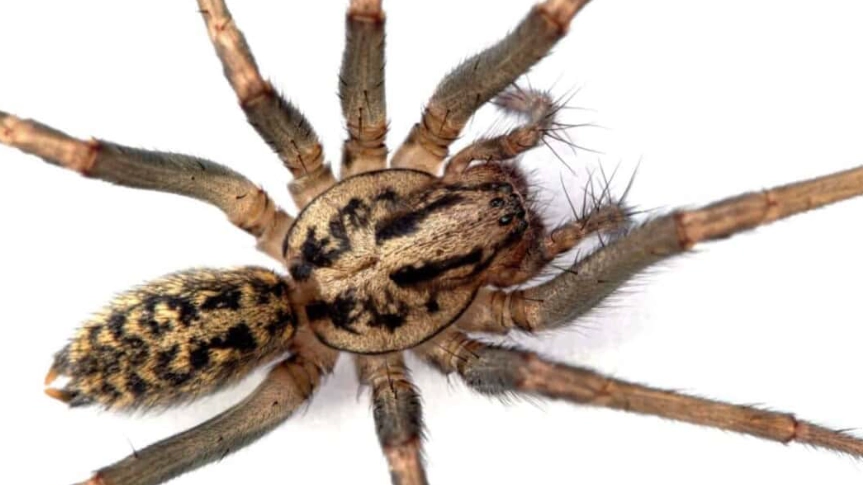
Most wolf spiders are brown, gray, or black with striped legs. They range from half an inch to over two inches in leg span. The hairy body helps them sense vibrations. A key feature is their eye arrangement: eight eyes in three rows. The two big eyes in the front row give them excellent vision for hunting.
Habitat and Distribution
Wolf spiders are found worldwide, from forests to grasslands. In the U.S., they're common in states like Texas and Florida, but I've seen them as far north as Michigan. They prefer moist areas—under rocks, in leaf litter, or near water sources. Indoors, they might wander into basements or garages seeking insects.
Are Wolf Spiders Dangerous? Debunking Myths
This is where people get nervous. Let's cut to the chase: wolf spiders are not aggressive toward humans. Their venom is mild, designed for insects. A bite might cause redness or itching, but it's rarely serious. I once got nipped while gardening; it felt like a pinprick and faded in a day.
Understanding Wolf Spider Bites
Bites usually happen if the spider feels trapped, say under clothing. Symptoms include minor swelling and pain. Allergic reactions are possible but uncommon. Compare this to black widow bites, which require medical attention—wolf spiders don't pose that level of risk.
First Aid for Spider Bites
If bitten, wash the area with soap and water. Apply a cold pack to reduce swelling. Over-the-counter antihistamines can help with itching. Monitor for signs of infection. Most importantly, try to identify the spider—if it's not a wolf spider, seek medical advice. The Centers for Disease Control and Prevention (CDC) provides guidelines on spider bite management, though specific pages should be verified for accuracy.
Pro Tip: Don't crush a wolf spider if it bites you. That can release more venom and make identification harder. Instead, capture it safely for reference.
How to Identify a Wolf Spider in Your Home
Misidentification is common. Here's a quick way to tell: wolf spiders are fast runners with a robust build. Other spiders like house spiders are slower and build webs.
Key Differences from Other Common Spiders
Brown recluses have a violin mark and six eyes. Hobo spiders have a funnel-web and less hair. Wolf spiders lack these traits. Their hunting behavior is a giveaway—you'll see them active at night, prowling for prey.
I once confused a wolf spider with a grass spider. The grass spider had longer spinnerets and built a sheet web. Wolf spiders don't build webs to catch prey; they chase it down.
Preventing Wolf Spider Infestations: Practical Steps
Prevention is better than cure. Start with sealing entry points. Check doors, windows, and foundations for gaps. Use caulk to seal cracks. This reduces not just spiders but other pests too.
Sealing Entry Points
Focus on areas where utilities enter your home. I spent a weekend sealing gaps around pipes in my basement—it cut down spider sightings by half. Install door sweeps and repair screens.
Natural Deterrents
Peppermint oil sprays can deter spiders, but they're not foolproof. I mix 10 drops of oil with water in a spray bottle and apply it monthly. Diatomaceous earth sprinkled in corners works for insects, reducing spider food sources. Keep your home dry; use dehumidifiers in damp areas.
Reduce outdoor lighting that attracts insects. Yellow LED bulbs are less attractive to bugs, so spiders have less reason to come close.
Safe Removal Methods If You Encounter One
If you find a wolf spider inside, don't panic. Use the glass and cardboard method: cover it, slide cardboard under, and release it outside. This is humane and effective.
DIY Techniques
For a hands-off approach, guide the spider into a container using a piece of paper. Avoid vacuums—they can kill the spider and spread allergens. I've used this method many times; it's quick and safe.
When to Call a Professional
If you have a severe infestation or are unsure about spider types, call a pest control expert. They can assess the situation and use targeted treatments. Look for companies that follow Integrated Pest Management (IPM) principles, which emphasize non-chemical methods first.
Common Misconceptions About Wolf Spiders
Many believe wolf spiders are deadly or aggressive. Not true. They're shy and avoid humans. Another myth is that they carry eggs on their back—that's only for some species, and it's a maternal behavior, not a threat.
Some people think all large spiders are wolf spiders. In reality, species like tarantulas are different families. Wolf spiders are smaller and more widespread.
I've heard folks say wolf spiders jump at people. They can jump short distances to catch prey, but not aggressively. It's a hunting tactic, not an attack.
Frequently Asked Questions
Wolf spiders are fascinating creatures that deserve respect, not fear. By understanding their behavior and taking simple preventive steps, you can coexist peacefully. Next time you see one, take a deep breath—it's probably just passing through.





Comments