What You'll Discover Here
Let's cut to the chase: no, bed bugs cannot fly. If you're lying awake at night worrying about these pests swooping down from the ceiling, you can relax. Bed bugs are crawlers, not fliers. But that doesn't make them any less of a nuisance. I've dealt with bed bug scares in my own travels, and the misconception about their flying ability often leads people to misidentify other insects or panic unnecessarily. In this article, we'll dive deep into why bed bugs don't fly, how they actually get around, and what you need to know to protect your home.
Do Bed Bugs Have Wings?
Bed bugs belong to the insect family Cimicidae, and like many of their relatives, they have evolved to be wingless. Adult bed bugs have what are called "wing pads" – tiny, vestigial structures where wings might have been in their evolutionary past. These pads are flat, oval-shaped, and located on their thorax, but they're non-functional. You'd need a magnifying glass to even notice them.
Here's a detail most online guides miss: during their nymph stages, some bed bugs might show slightly more prominent wing pads, but they never develop into actual wings. This isn't just a random fact; it's key for identification. If you see an insect with full wings flying around your bed, it's probably not a bed bug. Common impostors include carpet beetles or small flies.
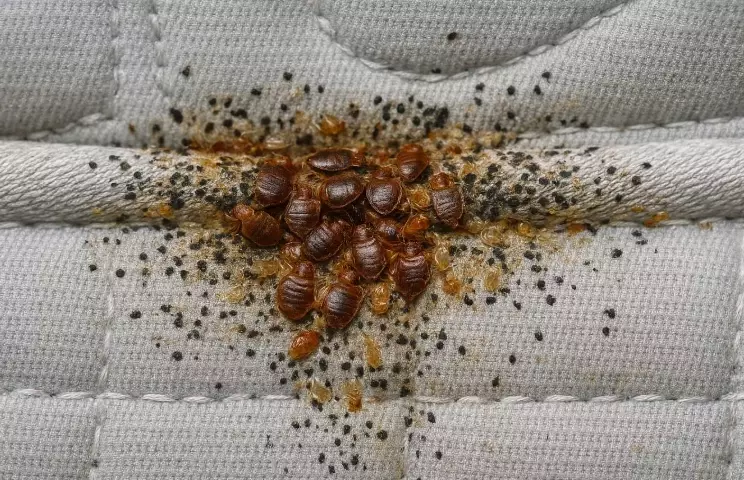
Quick Tip: Bed bugs are about the size of an apple seed (4-5 mm long), reddish-brown, and flat. Their wing pads are so small they're often overlooked, which is why many people assume they might fly.
The Biology Behind Winglessness
Evolution has shaped bed bugs to be stealthy hitchhikers. Wings would make them more visible and less efficient at hiding in mattresses, furniture cracks, and luggage. According to entomology resources from institutions like the University of Kentucky's Department of Entomology, bed bugs have lost their wings over time because their survival strategy relies on crawling into tight spaces close to their human hosts. Flying would waste energy and increase exposure to predators.
I remember inspecting a hotel room once and spotting a tiny insect on the wall. My first thought was, "Could it fly?" but upon closer look, it was just a bed bug nymph crawling slowly. That experience taught me that panic often comes from not knowing what to look for.
How Bed Bugs Move Without Flying
Since they can't fly, bed bugs rely on crawling to get around. They're surprisingly fast for their size – able to crawl about 3-4 feet per minute on smooth surfaces. But their real mode of transportation is passive: they hitch rides on humans, pets, luggage, and used furniture.
Think about it. You stay at a hotel, and a bed bug crawls into your suitcase. You bring it home, and it crawls out to infest your bed. No flying required. This is why infestations spread so quickly in apartment buildings or through second-hand items. The Centers for Disease Control and Prevention (CDC) notes that bed bugs are excellent hitchhikers, often moving between rooms via plumbing or electrical lines.
A Real-Life Scenario: How Bed Bugs Travel
Let's say you're on a business trip. You check into a budget hotel, and unbeknownst to you, the room has a minor bed bug issue. At night, a bed bug crawls from the mattress seam into your open suitcase sitting on the floor. It hides in a clothing fold. You pack up, fly home, and unpack. The bed bug crawls out, finds your bed, and starts a new colony. Within weeks, you notice bites and wonder, "Did it fly in?" But no, it hitched a ride.
This is why prevention focuses on inspection and containment, not on sealing windows against flying insects.
Identifying Bed Bugs vs. Flying Insects
Misidentification is common. People often confuse bed bugs with other pests that can fly, leading to ineffective treatments. Here's a quick comparison based on my experience as a pest control advisor:
- Bed Bugs: Wingless, flat, reddish-brown, about 4-5 mm long. They crawl and leave tiny dark spots (fecal matter) on sheets.
- Mosquitoes: Have wings, can fly, are thinner with long legs. They bite but don't hide in beds during the day.
- Carpet Beetles: Some can fly, are rounder with varied patterns, and often damage fabrics rather than bite humans.
- Bat Bugs: Look similar to bed bugs but are associated with bats and can occasionally be found in attics; they also don't fly.
If you see something flying near your bed, it's likely not a bed bug. Focus on checking seams, cracks, and behind headboards for crawlers.
The Mistake I Made Once
Early in my career, a client called about "flying bed bugs." I arrived and found they were dealing with fungus gnats from overwatered plants. The client had wasted money on bed bug sprays because they assumed anything small and annoying must be bed bugs. Lesson learned: always inspect carefully before jumping to conclusions.
Preventing Bed Bug Infestations
Since bed bugs crawl and hitchhike, prevention is all about blocking their paths. Here are actionable steps, the kind I recommend to friends and family:
- Inspect Hotel Rooms: When traveling, check the mattress seams, headboard, and furniture for signs like dark spots or shed skins. Use luggage racks away from beds.
- Seal Entry Points: At home, caulk cracks in walls and install door sweeps. Bed bugs can crawl through tiny gaps.
- Handle Used Items Carefully: Inspect second-hand furniture or clothing before bringing them inside. A quick freeze or heat treatment can kill hidden bugs.
- Regular Cleaning: Vacuum regularly, especially around beds and furniture. Encase mattresses and box springs in bed bug-proof covers.
Many guides suggest using pesticides as a first step, but I disagree. Overuse of chemicals can drive bed bugs deeper into hiding. Focus on physical barriers and monitoring instead.
How to Eliminate Bed Bugs
If you already have an infestation, don't panic. Bed bugs can't fly away, so they're contained to areas they've crawled to. Elimination requires a multi-step approach:
- Confirm the Infestation: Look for live bugs, eggs, or fecal spots. Use a flashlight and magnifying glass. Misidentifying can waste time and money.
- Isolate the Area: Move beds away from walls and wash all bedding in hot water. Encase mattresses to trap any bugs inside.
- Use Heat Treatment: Bed bugs die at temperatures above 118°F (48°C). Professional heat treatments or portable heaters can be effective. I've seen DIY attempts fail because people don't reach the right temperature consistently.
- Consider Insecticides: If needed, use EPA-registered products labeled for bed bugs. Apply carefully to cracks and crevices, not broadly over rooms. Always follow label instructions.
- Monitor for Recurrence: Place bed bug interceptors under bed legs to catch crawlers. Check regularly for a few months.
Professional help is often worth it for severe infestations. Look for pest control companies with experience in integrated pest management (IPM), a holistic approach that minimizes chemical use.
Your Burning Questions Answered
Understanding that bed bugs can't fly changes how you approach prevention and control. Focus on crawling pathways and hitchhiking risks. If you're ever unsure, remember: look for the crawlers, not the fliers. Stay vigilant, and you can keep these pests at bay.
Comments