You flip on the kitchen light and see a dark shape scuttle under the fridge. That sinking feeling hits. A roach. But here's something most pest control articles gloss over: not all roaches are the same. Treating a massive American roach like a tiny German one is like using a fly swatter on a wasp nest—it might annoy them, but it won't solve the problem. I've spent over a decade in pest management, and the single biggest mistake homeowners make is misidentification. It leads to wasted money, ineffective sprays, and a whole lot of frustration.
This guide cuts through the generic advice. We're going to get up close and personal with the five roach species you're most likely to meet in your home. We'll look at their IDs, their habits, and most importantly, the specific tactics that work for each one. Forget the one-size-fits-all approach. Let's get strategic.
Your Quick Guide to Roach Identification
The German Cockroach: The Kitchen Colonizer
If roaches had an Olympic team for survival, the German cockroach (Blattella germanica) would take gold. This is the one you do not want to see. It's small, light brown or tan, with two dark, almost parallel stripes running from its head back. But its size is deceptive.
Here's the critical detail most miss: they reproduce at a terrifying rate. One female can produce an egg case (ootheca) every few weeks, each containing 30-40 eggs. I've seen a minor problem in one apartment turn into a building-wide infestation in under two months. They are almost exclusively indoor pests, thriving in the warmth of our appliances—the motors of fridges, the insulation behind ovens, the tiny gaps in cabinetry.
The American Cockroach: The Sewer Giant
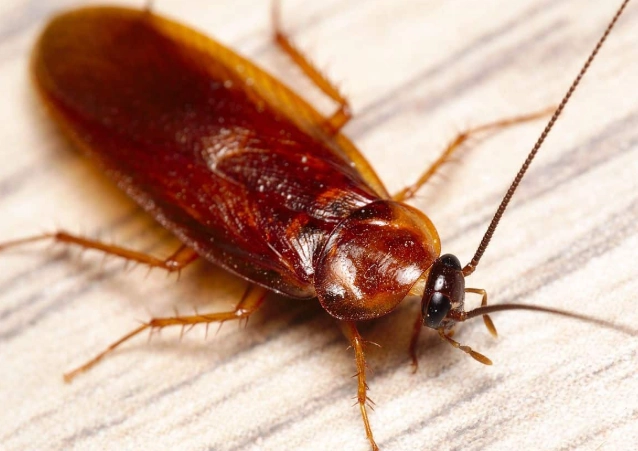
This is the roach of nightmares for many—large (up to 2 inches), reddish-brown, with a distinctive yellowish figure-8 pattern on the back of its head. The American cockroach (Periplaneta americana) is a strong flier, which adds to the horror when one takes off.
They often live outdoors or in sewers, storm drains, and mulch beds. They come inside seeking water, not because your house is dirty. A common entry point is through floor drains in basements or utility rooms. I once traced a recurring American roach issue to a rarely-used basement slop sink where the P-trap had dried out, giving them a direct highway from the sewer.
The Oriental Cockroach: The Damp Dweller
Shiny, dark black or deep reddish-brown, and noticeably slower than other roaches. Oriental cockroaches (Blatta orientalis) have a strong preference for cool, damp, and decaying organic matter. You'll find them in basements, crawl spaces, under leaf litter, and around leaky water pipes.
They give off a distinct, unpleasant musty odor. A key identification point is that the females have very short, underdeveloped wings, while males have longer wings that cover about ¾ of their abdomen. They are often called "water bugs," which causes confusion with true aquatic insects.
The Brown-Banded Cockroach: The Warm Wanderer
Smaller than the German roach, light brown, with two lighter bands across their wings and abdomen. The brown-banded cockroach (Supella longipalpa) has a crucial behavioral difference: it avoids water. You won't find them under the sink. Instead, they seek out warm, dry, elevated spots.
I've found their egg cases glued to furniture, inside clocks, behind picture frames, on the upper shelves of closets, and even tucked into the hollow frame of a television. This scattered habitat makes them particularly annoying to control, as treatments focused on kitchens and bathrooms will miss them entirely.
The Wood Cockroach: The Accidental Guest
It's important to know this one to avoid unnecessary panic. Wood roaches (genus Parcoblatta) are outdoor species that feed on decaying wood. They are typically uniform brown and are strong, clumsy fliers attracted to lights. They wander in by accident through open doors, windows, or on firewood.
The good news? They cannot survive or reproduce indoors. They need the specific moisture and fungi of their forest habitat. Finding one or two, especially near a door or after bringing in firewood, is not an infestation. Just remove them; they'll die on their own in a day or two.
Tailored Control Strategies by Species
Spraying a generic insecticide is rarely the best first step. Here’s how to match your strategy to the intruder.
| Roach Type | Primary Habitat | Best Control Method | Critical First Step |
|---|---|---|---|
| German | Warm, humid areas near food/water (kitchens, bathrooms) | Gel baits, Insect Growth Regulators (IGRs), thorough sanitation | Seal food, fix leaks, place baits in cracks/crevices (not open floors). |
| American | Damp basements, sewers, crawl spaces, mulch | Perimeter sprays, granular baits outdoors, sealing entry points | Install drain guards, seal foundation cracks, reduce mulch near house. |
| Oriental | Cool, damp areas (basements, under sinks, leaf piles) | Dusts in wall voids, moisture control, removing debris | Fix leaking pipes, improve ventilation, dehumidify basements. |
| Brown-Banded | Warm, dry, elevated areas (ceilings, upper cabinets, electronics) | Dusts in voids, targeted sprays/baits in upper corners | Inspect furniture, electronics, and wall hangings for egg cases. |
| Wood | Outdoors (forests, woodpiles) | Exclusion (screens, door sweeps), outdoor lighting management | Store firewood away from the house, use yellow bug lights outdoors. |
Notice a pattern? For the indoor species, moisture control is as important as poison. A dehumidifier in a damp basement can do more long-term good than a can of spray. For German and Brown-Banded roaches, baits are king because the roaches carry the poison back to their hidden nests. For the larger outdoor invaders like Americans, keeping them from getting in is half the battle.
Your Roach Questions Answered
Knowing exactly what you're dealing with changes everything. It turns a vague sense of dread into a clear action plan. Stop guessing and start identifying. Your first move shouldn't be to grab the spray can; it should be to get a good look (maybe even a photo) and match it to the profiles here. That knowledge is your most powerful tool.
Comments