You've seen them. Those elegant, grayish, upside-down umbrellas clinging to your porch ceiling, window frame, or tucked inside a backyard shed. Paper wasps. They inspire a familiar tension. Part of you admires the intricate architecture; the other part worries about the buzzing tenants. I've spent years observing them, from letting a small colony patrol my vegetable garden to reluctantly removing one that decided my front door frame was prime real estate. The truth about paper wasps is more nuanced than "good" or "bad." It's about understanding their role and knowing precisely when, and how, to draw the line.
What’s Inside This Guide
- Spot the Difference: Paper Wasps vs. Their Aggressive Cousins
- From Queen to Colony: The Lifecycle in Your Backyard
- The Gardener's Dilemma: Weighing the Benefit Tradeoff
- The Removal Decision Tree: Should You Act?
- Step-by-Step Safe Removal Methods (DIY & Pro)
- Stopping Them Before They Start: Prevention Strategies
Spot the Difference: Paper Wasps vs. Their Aggressive Cousins
Misidentification causes unnecessary panic. Confusing a paper wasp for a yellow jacket is like mistaking a watchful librarian for a bouncer at a nightclub—their demeanor and threat level are worlds apart.
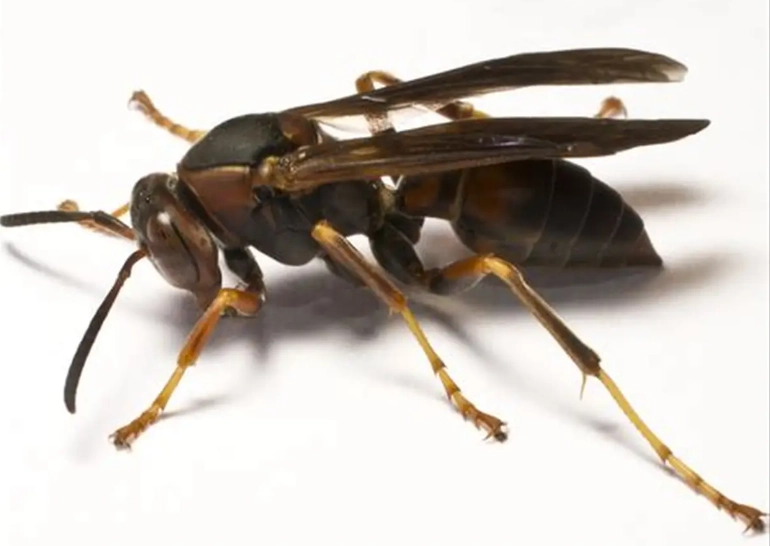
Paper wasps (Polistes species) are the slender, long-legged ones. They have a distinct "waist," and their back legs dangle characteristically in flight. Colors vary by species, from reddish-brown with yellow markings to mostly black with yellow bands. The nest is the dead giveaway: a single, exposed comb of hexagonal cells, attached by a narrow stalk, with no outer envelope. It looks like a honeycomb someone glued to the ceiling.
Their behavior is key. They are relatively docile away from the nest. You can often walk right past a foraging wasp without issue. They become defensive only if you threaten the nest itself—by bumping it, vibrating it (power tools are a big trigger), or getting within a foot or two.
The Lookalikes: Yellow Jackets and Hornets
This is where knowing the enemy matters for your safety.
| Feature | Paper Wasp | Yellow Jacket | Bald-Faced Hornet |
|---|---|---|---|
| Body Shape | Slender, long legs | Stocky, shorter legs | Large, robust |
| Nest Appearance | Single exposed comb (umbrella) | Hidden in ground/walls; paper envelope if aerial | Large, football-shaped gray paper envelope |
| Aggression Level | Low away from nest; defensive of nest | VERY HIGH, especially in late summer | Highly defensive of large nest area |
| Fall Behavior | Colony dies; new queens leave | Become aggressive scavengers | Colony dies; queens leave |
I once saw a homeowner douse a ground-nesting yellow jacket colony with a garden hose, thinking they were paper wasps. It went as badly as you'd imagine. The key takeaway? If the nest is hidden, assume it's yellow jackets and increase your caution level immediately.
From Queen to Colony: The Lifecycle in Your Backyard
Understanding their calendar informs your strategy. The paper wasp nest you see in August is a fully realized apartment building. In April, it was just a single mom with a blueprint.
Spring (April-May): A single, mated queen emerges from winter shelter. She scouts for a site—often under a horizontal, protected surface like an eave, deck rail, or inside an open pipe. She chews wood fibers, mixes it with saliva, and builds that first, tiny set of cells. This is the absolute best time for non-chemical intervention. The nest is the size of a quarter, with one wasp. A blast from a hose or a knock with a broom from a distance solves the problem.
Summer (June-August): The queen lays eggs, and the first workers hatch. They take over nest expansion and foraging. The colony grows to 20-30 individuals, sometimes more. This is when they become noticeable. They're also at peak pest-control efficiency in your garden.
Fall (September-October): The colony produces new queens and males. After mating, the new queens find places to overwinter—often in attics, under loose bark, or in woodpiles. The old queen, workers, and males die with the first hard frost. The nest is abandoned and will not be reused.
The Gardener's Dilemma: Weighing the Benefit Tradeoff
Here's the non-consensus part most pest control companies won't emphasize: paper wasps are elite organic pest controllers. Their preferred food? Caterpillars. Tomato hornworms, cabbage loopers, armyworms—they stuff these soft-bodied larvae into their nest cells to feed their young.
A study from the University of Kentucky College of Agriculture, Food and Environment highlights their role in regulating pest populations. I tested this one year in my garden. I had a small nest at the back of a raised bed. My brassicas were nearly untouched by caterpillars, while my neighbor's, just 50 feet away, were getting decimated. The trade-off was giving that corner of the bed a wide berth.
So, before you reach for the spray, ask:
1. Is the nest in a low-traffic area? (Back corner of the yard, high in a tree, on a storage shed you rarely use).
2. Are you struggling with caterpillar pests?
If both answers are yes, tolerance might be your best strategy. You're outsourcing your pest control for free.
The Removal Decision Tree: Should You Act?
Not every nest warrants war. Use this logic chain to decide.
Immediate Removal (High Priority):
- Nest is directly over a doorway, mailbox, or on a play set.
- Nest is inside a vent, attic vent, or electrical box (fire risk).
- Someone in the household has a known wasp/bee sting allergy.
- Nest is in a high-vibration zone (on a garage door opener, gate post).
Monitor or Tolerate (Low Priority):
- Small, early-season nest in an out-of-the-way location.
- Nest in a garden area you can avoid.
- Nest is already large but in a location no one goes near (peak of a high gable).
Call a Professional (Always the choice when):
- The nest is large and inaccessible without a ladder.
- You are allergic.
- You've attempted removal and failed, agitating the colony.
- The nest is inside a wall void or structure (this requires specialized techniques).
Step-by-Step Safe Removal Methods (DIY & Pro)
If you've decided on DIY removal, safety is non-negotiable. This isn't a race.
The Nighttime Knock-Down (For Small, Accessible Nests)
1. Gear Up: Wear long sleeves, pants, gloves, socks, shoes, and goggles. A bee veil is ideal but a hat with a net works.
2. Time It: Wait until at least an hour after full darkness. All foragers will be home.
3. Lighting: Use a flashlight with a red cellophane cover or place it on the ground pointing at the nest, not in your hand. Wasps see red poorly.
4. The Act: Have a large, open plastic bag ready. Slowly place the bag over the entire nest, detach it at the stalk, and quickly seal the bag. Place it in a freezer overnight to euthanize humanely, or leave it sealed in the sun.
5. Scrape & Spray: Scrape off the nest residue and spray the area with a soapy water solution (2 tbsp dish soap per quart of water) to remove the pheromone signature that attracts other wasps.
Using Aerosol Sprays (A Last Resort)
I'm not a fan of widespread pesticide use, but for a high, small nest, a long-range jet spray can work. Buy a product specifically labeled for wasps/hornets with a 10+ foot range. Spray at night, soaking the nest entrance. Do not stand directly underneath. Leave the area immediately and let the nest sit for 24 hours before removal.
What Professional Removal Looks Like
A good pro doesn't just spray. For exterior nests, they often use insecticidal dusts that workers track inside, killing the colony from within over a day or two. For in-wall nests, they may need to locate the cavity, drill a small hole, inject dust, and patch later. They have protective gear, extension poles, and insurance. The cost ($150-$400) is worth it for peace of mind and safety on complex jobs.
Stopping Them Before They Start: Prevention Strategies
An ounce of prevention is worth a pound of wasp spray. Make your property less appealing.
Early Spring (March-April): This is queen-hunting season. Walk the perimeter of your house weekly. Look for the tiny, starter nests (size of a penny to a quarter) under eaves, deck rails, inside open-ended pipes, and under outdoor furniture. Knock them down with a long pole or spray with the soapy water mix. One minute of work now saves a summer of hassle.
Deny Building Sites:
- Fill it: Stuff steel wool or caulk into holes in outdoor furniture, open pipes, and cracks in woodwork.
- Paint it: Wasps find it harder to attach nests to painted or stained wood.
- Fake it: Hang a dummy nest. Paper wasps are territorial and often won't build near an existing colony. Commercial decoys or even a brown paper bag crumpled into a ball can work.
Manage Attractants: While paper wasps prefer insects, they will sip on sweet liquids. Keep trash cans sealed, clean up fallen fruit, and use lids on sugary drinks outdoors.
The relationship with paper wasps doesn't have to be purely adversarial. By learning to identify them, respecting their role, and acting strategically—not fearfully—you can make informed decisions that keep both your family and your garden ecosystem in balance. Start with a walk around your property this weekend. You might be surprised at what you find, and now, you'll know exactly what to do about it.


Comments